Cualac tessellatus · Checkered Pupfish
概要
| 字段 | 值 |
|---|---|
| 类别 | 鱼 |
| 学名 | Cualac tessellatus |
| 分类 | 鳉形目 Cyprinodontiformes › 鲤齿鳉科 Cyprinodontidae › Cualac |
| 水体 | 淡水 |
| 原产地 | 墨西哥圣路易斯波托西州里奥韦尔德谷地的少数泉水 |
| 成体体长 | 7 cm |
| 饲养难度 | 中等 |
| 最小水体 | 54 L |
| 最小缸长 | 60 cm |
| 群居方式 | 群游 |
| 性情 | 温和 |
| 外部数据 | seriouslyfish cualac-tessellatus;fishbase 6245 |
| 食性 | 杂食 |
| 领地性 | 是 |
| 繁殖方式 | 产卵 |
水质参数
| 参数 | 耐受范围 | 最适范围 | 单位 |
|---|---|---|---|
| 水温 | 20–30 | — | °C |
| pH | 7.5–8.5 | — | — |
概述
Cualac tessellatus 是墨西哥泉水系统的少见鳉鱼。日常成鱼可能比卵更耐水质差异,繁殖尤其依赖很硬的水;只看到成鱼存活,并不意味着水体适合维持下一代。
分布与栖息地
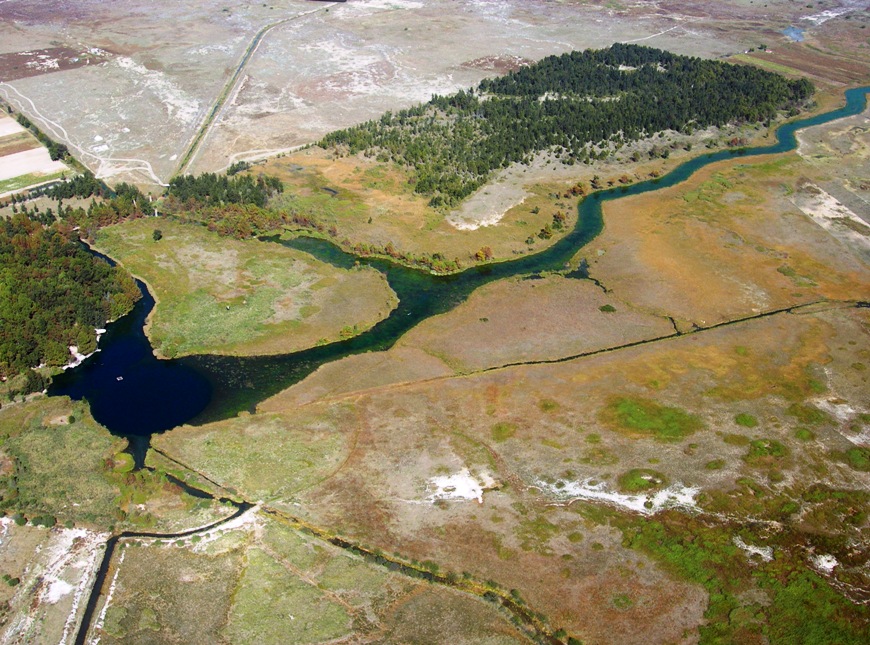
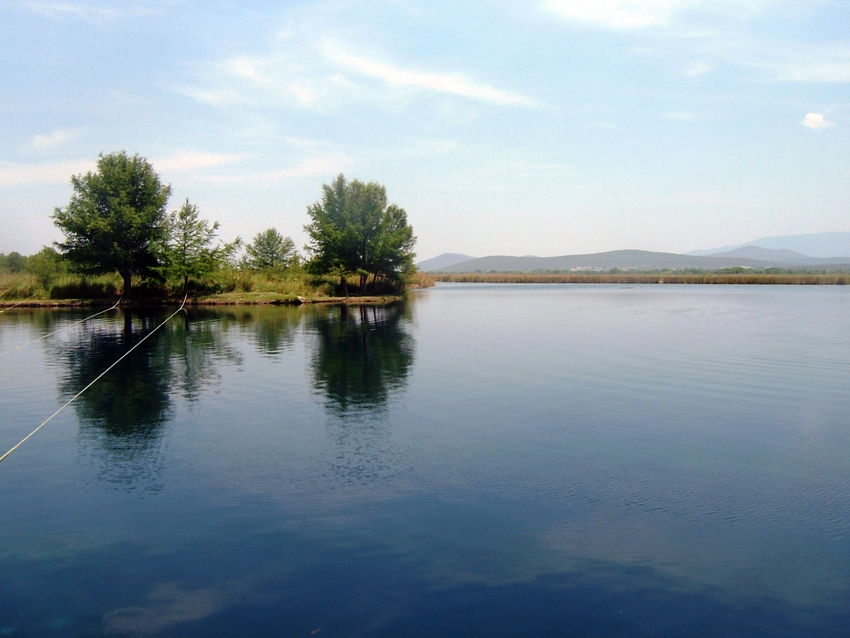
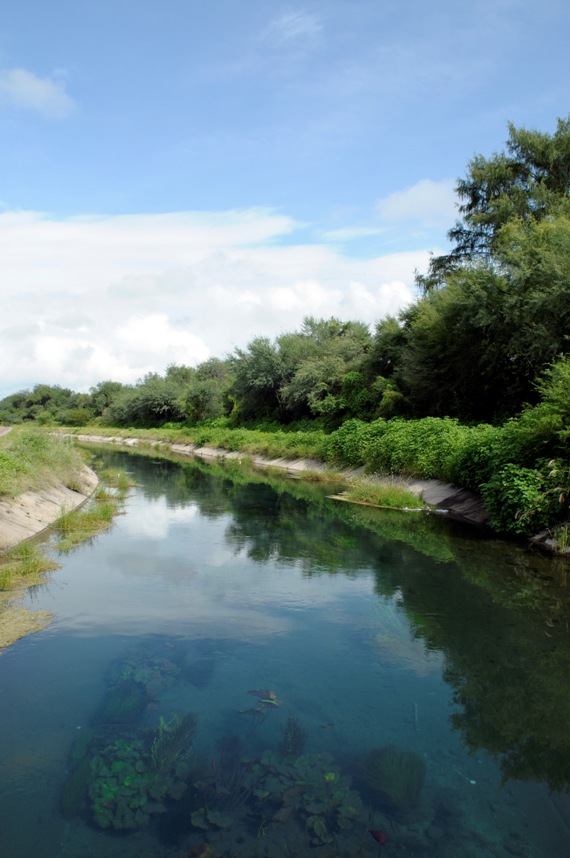
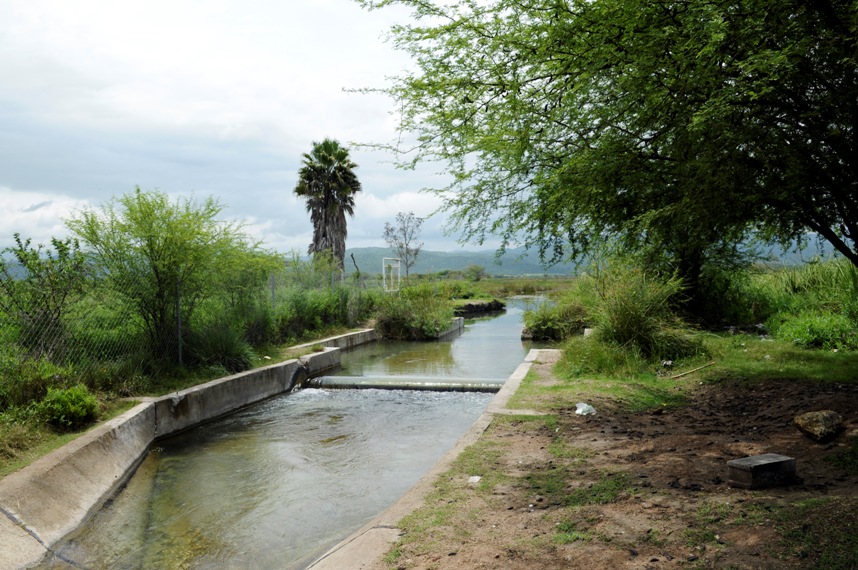
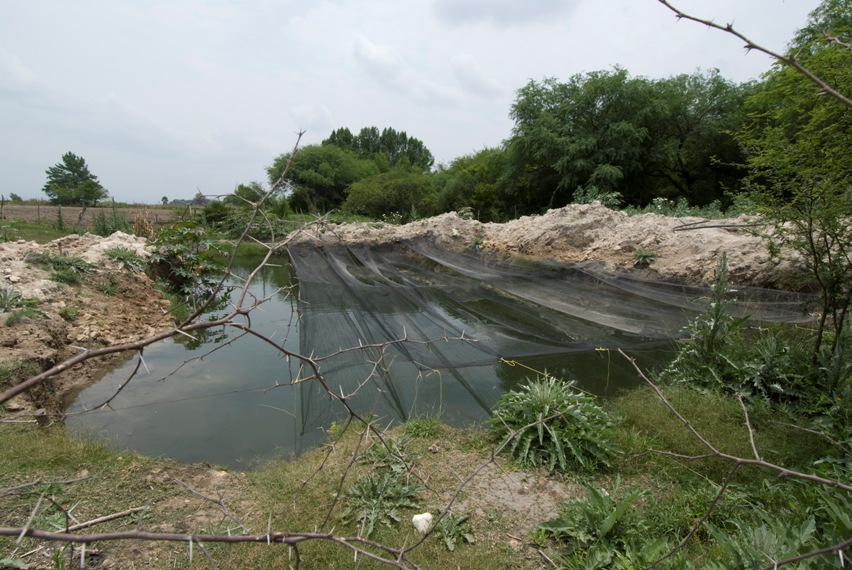
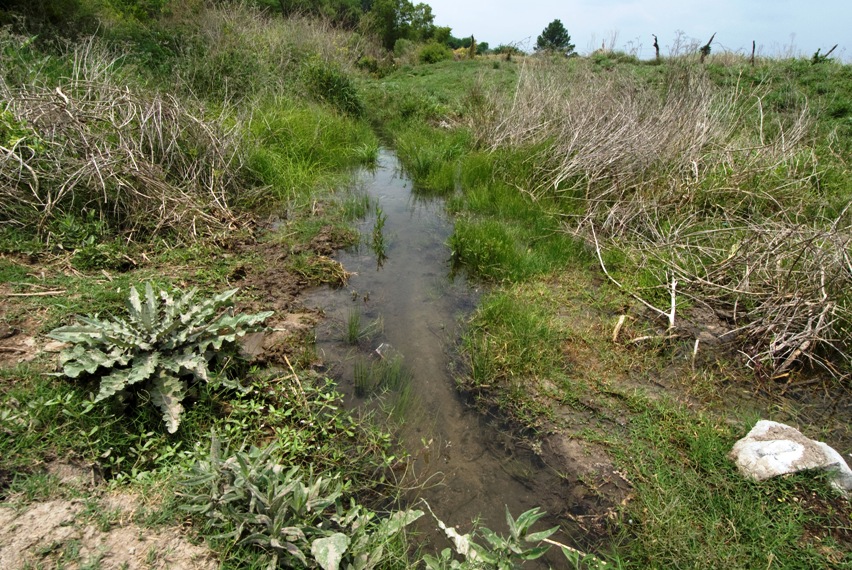
特有于墨西哥圣路易斯波托西州里奥韦尔德谷地少数天然泉水,包括梅迪亚卢纳及附近小湖。谷地以石膏地质为主,地下泉水有些为温泉,水通常很硬。
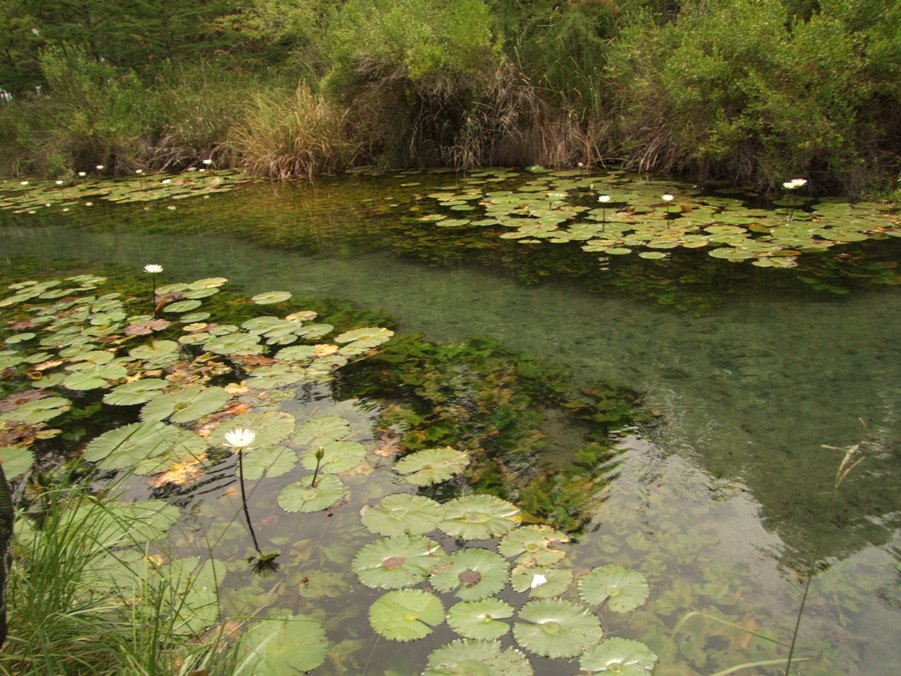
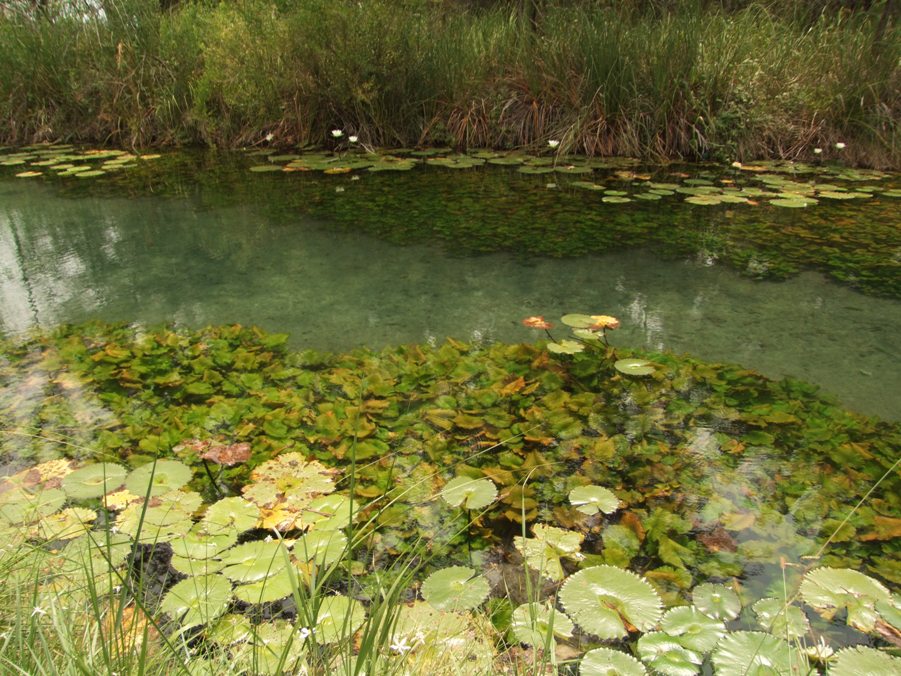
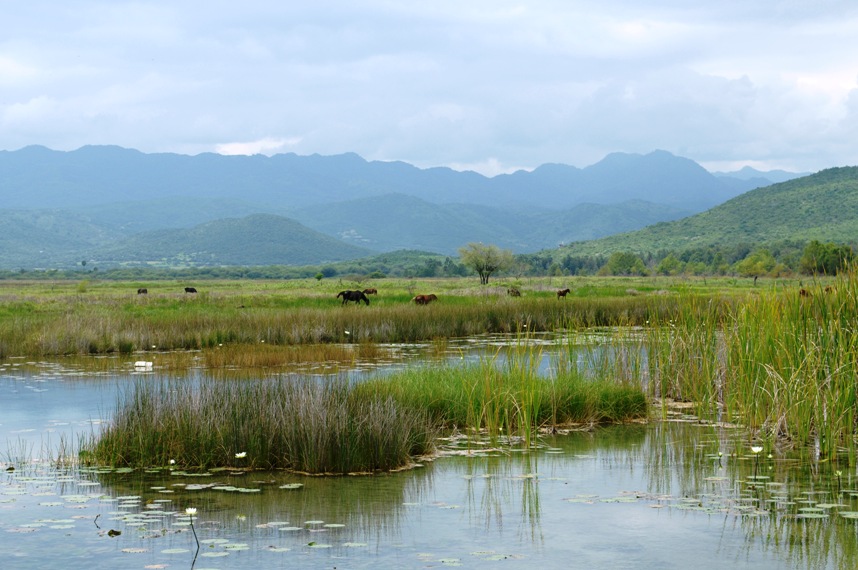
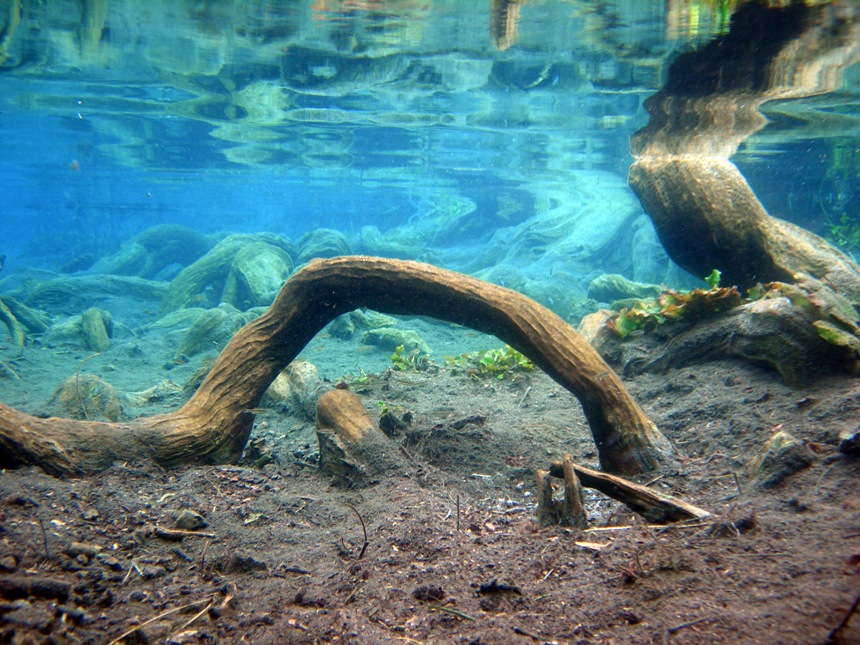
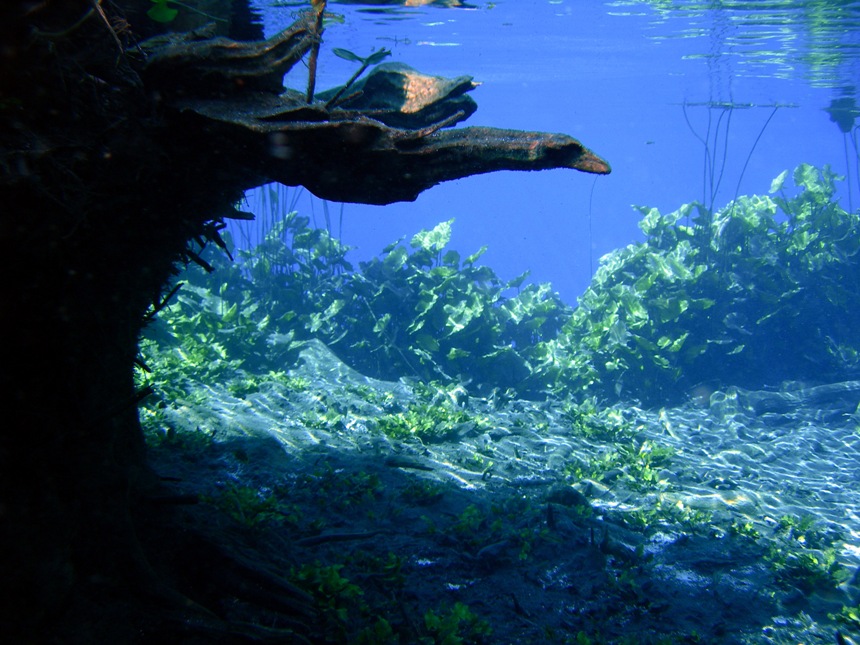
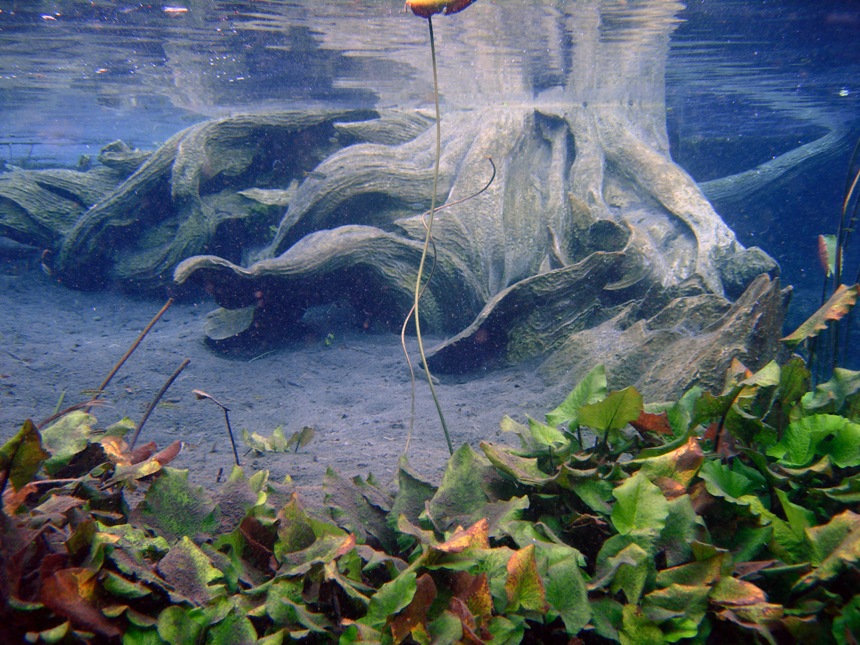
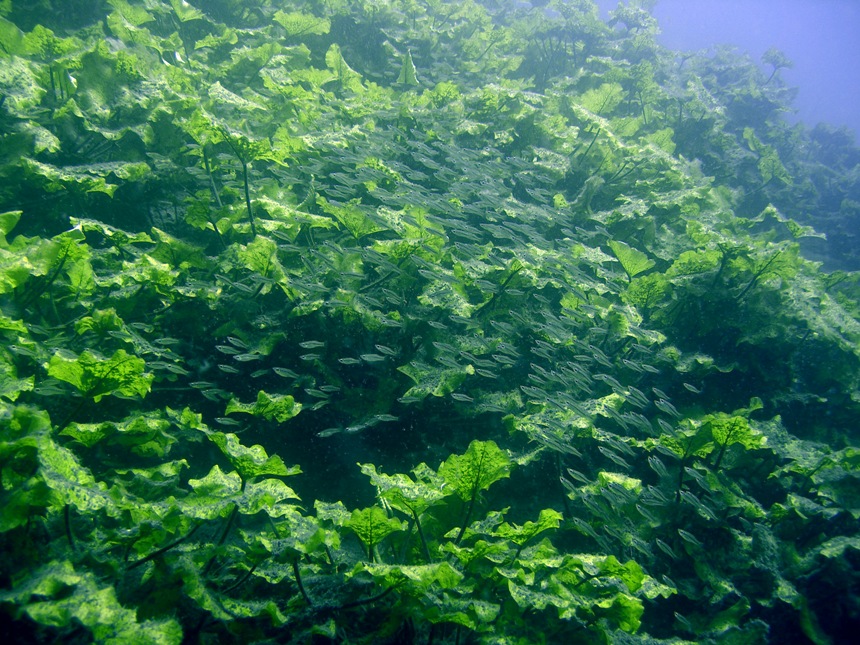
鱼多活动在清澈大泉池和天然水道的浅岸带,底部以泥和碎屑为主,可有睡莲、丝状藻及沉木。不同泉点环境略有差异,人类引水、旅游、养殖和外来鱼曾影响这些有限栖地。
饲养环境
一对可用最低建议尺寸的缸,多尾更适合较大鱼缸或容器。用水草、产卵拖把等打断视线并提供遮蔽,过滤可选气动海绵,减少卵和鱼苗被吸入的风险。光照本身不苛刻,但可鼓励丝状藻生长。
繁殖需要非常硬的水,软水下卵的正常发育会受阻。有以纯石膏块缓慢溶解释放矿物质、获得较好繁殖结果的经验。
食性与喂食
天然以小型甲壳类、蠕虫、昆虫幼体等微小动物为主,也吃藻类及其他植物材料。多数接受干粮,仍应规律提供丰年虾、水蚤、红虫等活饵或冷冻饵。缸内若没有丝状藻,补充含植物、最好含藻成分的优质干粮。
习性与混养
以专缸繁殖保存较理想,也可在条件匹配时与温和硬水鱼共养。群体饲养通常没有大问题,雄鱼繁殖时建立临时领地,争执似乎主要为追逐而非咬伤。
雌雄区分
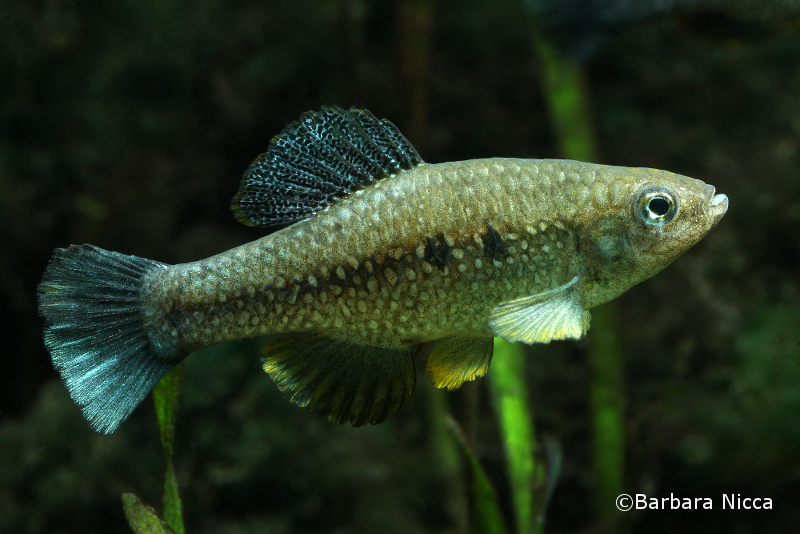
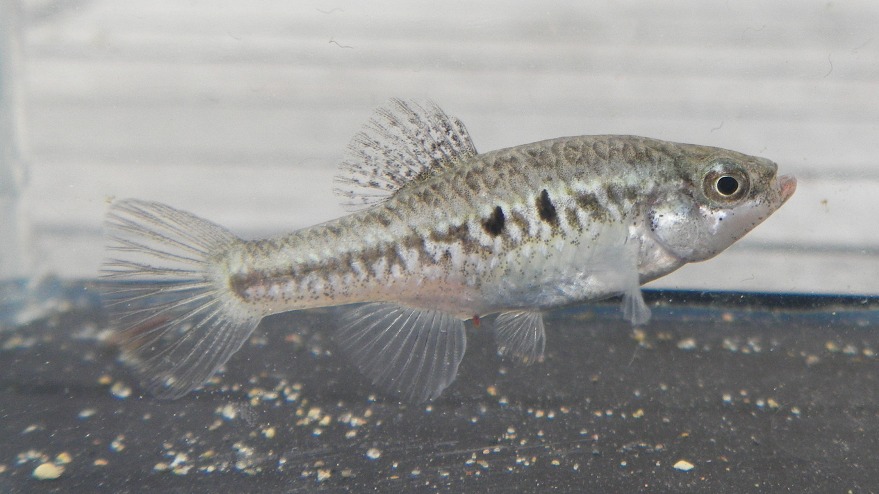
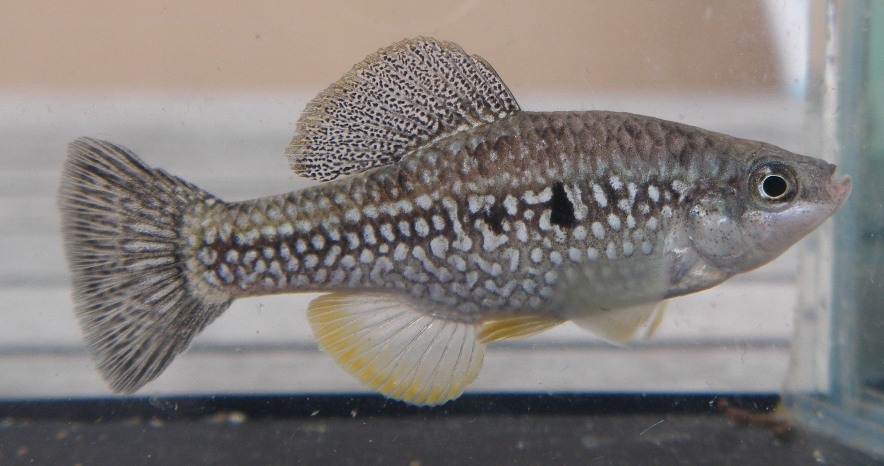
雄鱼体侧虫纹明显而多变,腹鳍和臀鳍黄至橙色,背鳍泛蓝并有细暗点,尾鳍较暗。雌鱼颜色朴素,侧纹弱,背鳍仅少量暗色。
繁殖
条件合适时人工繁殖并不难。温暖条件下雌鱼可持续分批产卵,不过顺应春季和夏末的季节节奏更合适。雄鱼守临时地盘并诱导雌鱼,卵单枚或小批释放,用细丝附着藻或其他表面。
亲鱼有时吃卵,但并不特别贪食,遮蔽足时可有幼鱼在群体中长出。若要提高产量,收卵放入水化学与温度相同的独立缸。通常约 7–14 天孵化,起游即可吃丰年虾无节幼体、微虫等。
图片
图片来自 SeriouslyFish,版权归各摄影者所有。
English
Overview
An uncommon Mexican spring pupfish, Cualac tessellatus has especially demanding water requirements for successful egg development. Adults may survive conditions that do not support reproduction, so simple survival is not evidence that a breeding colony is secure.
Distribution & habitat
It is confined to a few springs in the Río Verde valley of San Luis Potosí, including Media Luna and nearby lagoons. Gypsum-rich geology supplies very hard groundwater, with thermal springs at some sites.
Fish mainly use shallow pool margins and natural channels over mud and detritus, among lilies, filamentous algae, and occasional wood. Conditions vary among springs, and water diversion, recreation, aquaculture, and introduced fishes have affected these restricted habitats.
Aquarium setup
A pair can use the minimum suggested aquarium, while groups benefit from a larger tank or container. Plants and spawning mops break sightlines and provide refuge. Air-powered sponge filtration reduces risks to eggs and fry. Lighting is flexible, but filamentous algae are worth encouraging.
Very hard water is crucial for reproduction because soft conditions impair egg development. Slowly dissolving pure gypsum pieces have produced particularly good results.
Diet & feeding
Small crustaceans, worms, insect larvae, and other tiny animals dominate its natural feeding, with algae and plant material also consumed. Most fish accept dry foods, supplemented regularly with live or frozen Artemia, Daphnia, or bloodworms. Include a quality plant- or algae-based preparation if filamentous algae are absent.
Behaviour & compatibility
A dedicated breeding group is preferable, although compatible hard-water companions are possible. Groups generally coexist well. Breeding males establish temporary territories, with disputes apparently consisting mainly of chasing rather than biting.
Sexual dimorphism
Males have strong variable vermiculated flank markings, yellow-orange pelvic and anal fins, a bluish speckled dorsal, and a dark tail. Females are plainer, with weaker flank markings and limited dark dorsal pigmentation.
Breeding
With appropriate mineral conditions, captive reproduction is achievable. Warm conditions allow frequent batches, though a spring and late-summer seasonal pattern is preferable. Males defend temporary sites and court females; single eggs or small batches attach to algae and other surfaces by threads.
Some eggs may be eaten, yet covered group tanks can produce surviving fry. For higher yields, move eggs to separate water matching adult chemistry and temperature. Incubation usually lasts 7–14 days, and newly swimming fry accept Artemia nauplii and microworms.
来源
- https://www.seriouslyfish.com/species/cualac-tessellatus(抓取于 2026-10-10)
cualac-tessellatus · 文件: data/species/cualac-tessellatus.md · 状态: 草稿