默纳氏始丽鱼
概要
| 字段 | 值 |
|---|---|
| 类别 | 鱼 |
| 学名 | Cryptoheros myrnae |
| 别名 | 默納氏始麗魚 |
| 分类 | 慈鲷目 Cichliformes › 慈鲷科 Cichlidae › Cryptoheros |
| 水体 | 淡水 |
| 原产地 | 哥斯达黎加、巴拿马 |
| 成体体长 | 10 cm |
| 饲养难度 | 中等 |
| 最小水体 | 81 L |
| 最小缸长 | 90 cm |
| 外部数据 | seriouslyfish archocentrus-myrnae;fishbase 57437 |
| 性情 | 半攻击性 |
| 繁殖方式 | 附着产卵 |
| 特征 | 翻底砂: 是 |
水质参数
| 参数 | 耐受范围 | 最适范围 | 单位 |
|---|---|---|---|
| 水温 | 23–26 | — | °C |
| pH | 7–8.5 | — | — |
| 总硬度 | 10–25 | — | dGH |
概述
默纳氏始丽鱼(Cryptoheros myrnae)是体形不大的中美洲慈鲷,平时已有一定攻击性,繁殖时守卫领域更加积极。稳定鱼对在合适环境下较容易繁殖,雄鱼巡逻、雌鱼照顾卵和幼鱼的分工很明显。
分布与栖息地
来自哥斯达黎加和巴拿马的大西洋侧流域。采集地河水清澈、较浅、流动迅速,底部为砂质。
饲养环境
用岩石、木材和树根布置多个藏身处及潜在产卵洞,保持充足溶氧。单对也需要合理的空间,较大鱼缸更容易安排其他个体避开守卫区。
食性与喂食
一般不挑食,红虫、丰年虾、切碎虾肉等活饵或冷冻饵料可占相当比例,配合优质干粮。也应提供螺旋藻配方饲料或焯软的绿叶蔬菜、豌豆等植物性食物。
习性与混养
可考虑温和的中上层群游鱼作为伙伴;其他中美洲慈鲷只有在足够大的缸里才适合尝试,各自必须能占据领域。繁殖时的攻击不能低估,已形成鱼对的雄鱼尤其难容忍近旁其他鱼。
雌雄区分
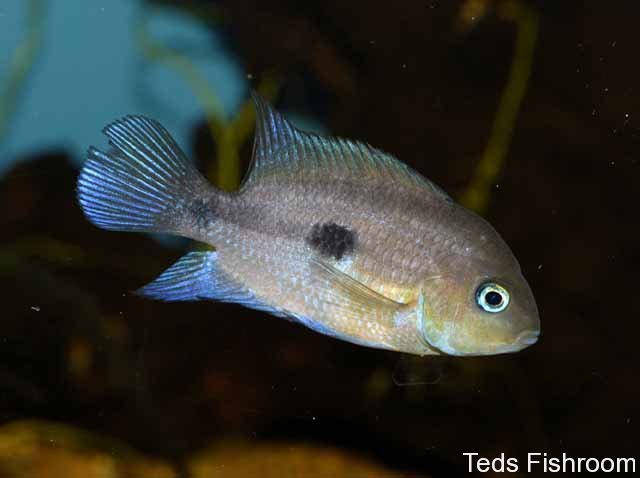
雄鱼较大、颜色更鲜艳,繁殖时尤其明显。雌鱼背鳍有暗斑,产卵状态下身体下半部变黑,并出现明显铜色斑块。
繁殖
从一群幼鱼养起,让鱼对自然形成;除非空间非常宽裕,形成鱼对后应准备移走多余个体。双方清理洞穴或类似遮蔽处,雌鱼颤动身体、侧身展示后产卵,最多约二百粒。雌鱼照卵,雄鱼巡守外围。
卵约三四天孵化,幼鱼被搬至事先挖好的坑中,再过四至七天吸收卵黄并自由游动。此时可喂丰年虾无节幼体,之后转为碎薄片和颗粒,鱼苗也会啄食藻类及碎屑。亲鱼护理持续数周,幼鱼多围在雌鱼周围。
补充说明
野外曾见雌鱼照料混有其他慈鲷幼鱼的鱼群,但这是偶然混群还是适应性行为尚不清楚,不宜据此设计跨种寄养。
图片
图片来自 SeriouslyFish,版权归各摄影者所有。
English
Overview
Cryptoheros myrnae is a small Central American cichlid with moderate aggression that intensifies around breeding. Established pairs usually reproduce readily, with a clear division between female brood care and male territorial patrol.
Distribution & habitat
It comes from Atlantic-slope drainages in Costa Rica and Panama. The recorded collection river was clear, shallow, fast-flowing, and sandy.
Aquarium setup
Arrange rocks, wood, and roots into numerous retreats and potential spawning caves. Maintain good oxygenation. Larger quarters make it easier for other individuals to avoid a defended area.
Diet & feeding
Most foods are accepted. Live or frozen bloodworms, Artemia, and chopped shrimp can form a substantial part of the menu alongside quality dry foods. Include vegetable material through spirulina-containing products or softened greens and peas.
Behaviour & compatibility
Peaceful schooling fishes using middle and upper water are possible companions. Other Central American cichlids require a large aquarium with room for separate territories. A paired male can become particularly intolerant of nearby fishes when breeding.
Sexual dimorphism
Males are larger and more vividly colored, especially during courtship. Females have a dark dorsal spot; in breeding condition, the lower body darkens around a conspicuous copper-colored patch.
Breeding
Raise a juvenile group and allow a pair to form, then remove surplus fish unless space is ample. Both adults prepare a cave or similar shelter. The female displays by quivering and presenting her flank, then lays up to roughly two hundred eggs. She tends them while the male guards the perimeter.
Hatching takes about three to four days. The young are transferred into a previously dug pit and become free-swimming another four to seven days later. Start with Artemia nauplii and progress to crushed flakes and pellets. Fry also graze on algae and debris. Care continues for several weeks, with young gathering near the female.
Notes
Wild females have been seen guarding mixed broods containing another species' young. Whether this results from accidental mixing or an adaptive strategy is unresolved and does not establish a method for cross-species fostering.
来源
- https://www.seriouslyfish.com/species/archocentrus-myrnae(抓取于 2026-10-10)
cryptoheros-myrnae · 文件: data/species/cryptoheros-myrnae.md · 状态: 草稿