泉脂鲤 · Sailfin Characin
概要
| 字段 | 值 |
|---|---|
| 类别 | 鱼 |
| 学名 | Crenuchus spilurus |
| 别名 | 泉脂鯉 |
| 分类 | 脂鲤目 Characiformes › 顶器脂鲤科 Crenuchidae › Crenuchus |
| 水体 | 淡水 |
| 原产地 | 巴西、哥伦比亚、厄瓜多尔、法属圭亚那、圭亚那、秘鲁、苏里南、委内瑞拉 |
| 成体体长 | 7 cm |
| 饲养难度 | 中等 |
| 最小水体 | 68 L |
| 最小缸长 | 75 cm |
| 群居方式 | 成对 |
| 性情 | 温和 |
| 外部数据 | seriouslyfish crenuchus-spilurus;fishbase 12352 |
| 食性 | 肉食 |
| 游动层 | 底层 |
| 繁殖方式 | 附着产卵 |
水质参数
| 参数 | 耐受范围 | 最适范围 | 单位 |
|---|---|---|---|
| 水温 | 20–28 | — | °C |
| pH | 4–6.5 | — | — |
| 总硬度 | 1–5 | — | dGH |
概述
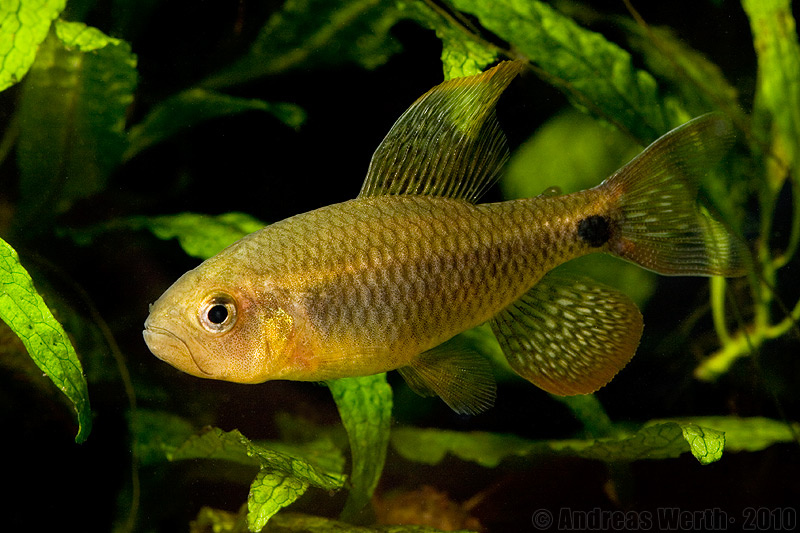
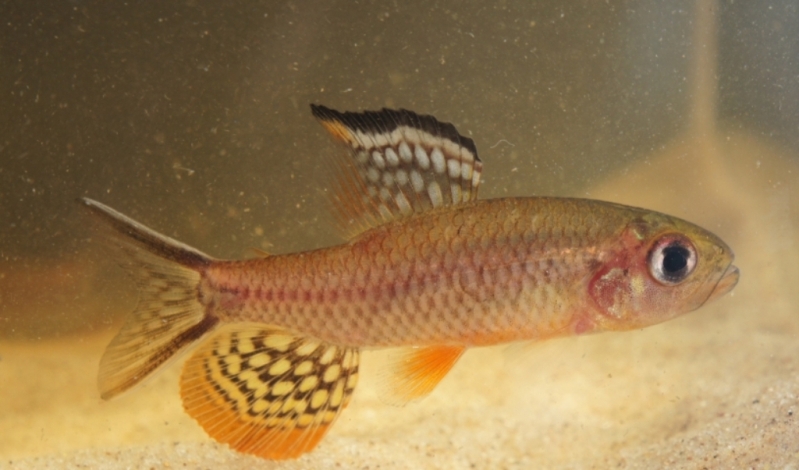
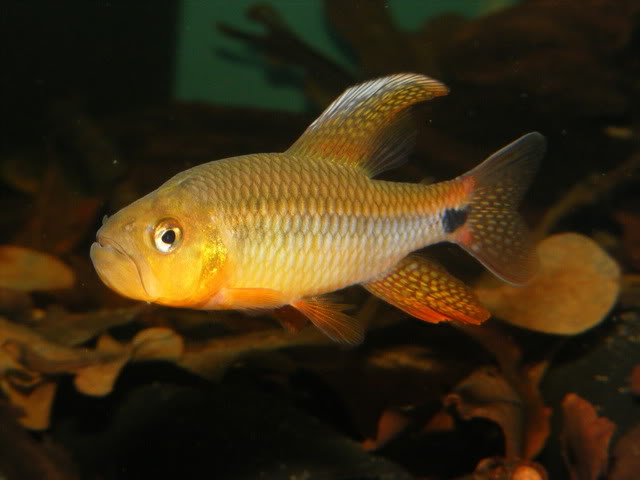
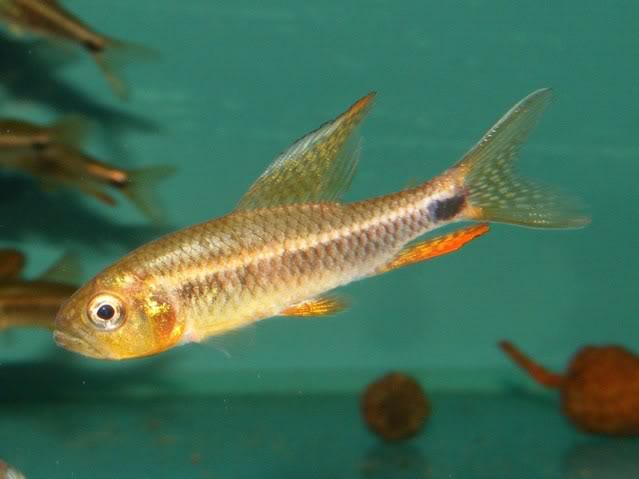
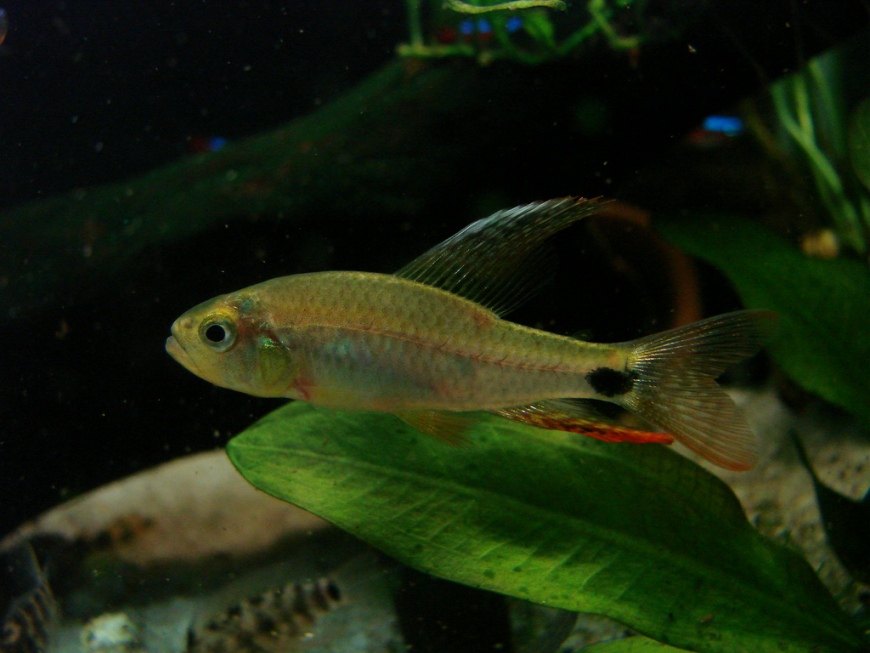
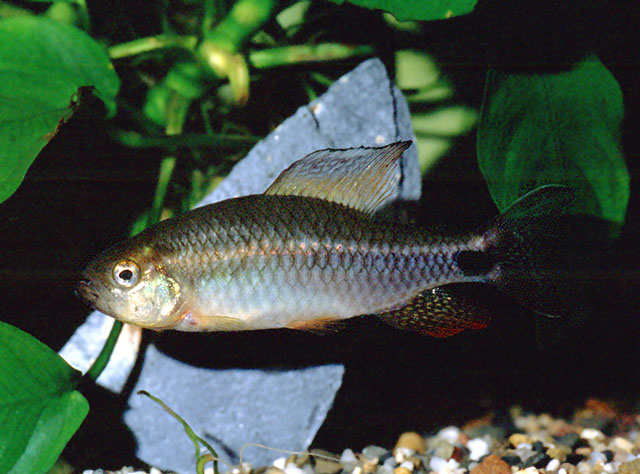
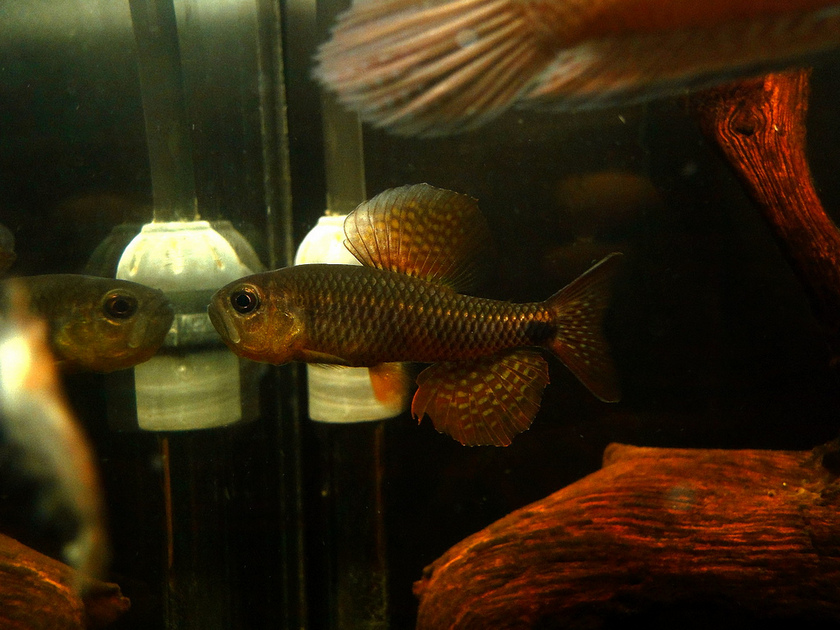
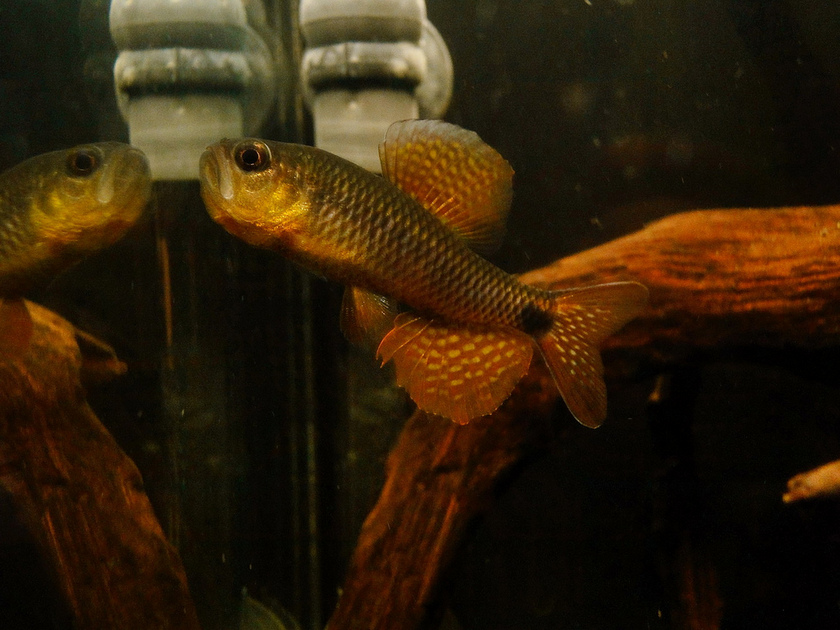
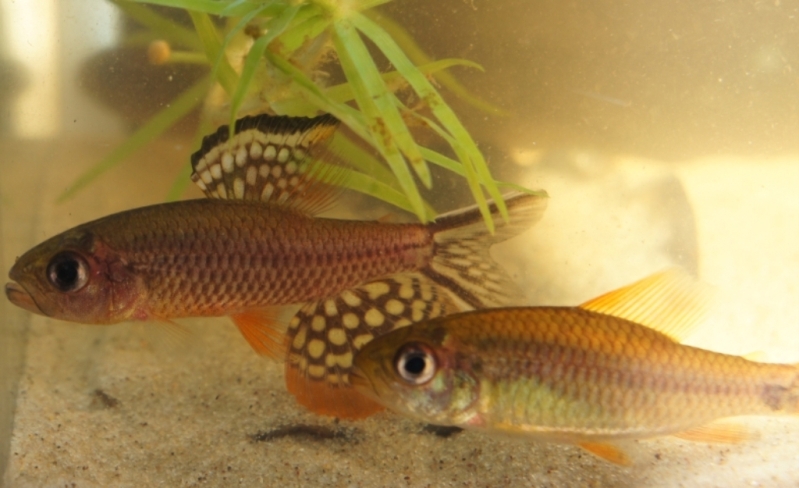
泉脂鲤(Crenuchus spilurus)主要在底层活动,性情胆怯,适合安静且遮蔽丰富的环境。雄鱼背鳍和臀鳍明显延长,繁殖时以展鳍吸引雌鱼进入小洞,并独自守护洞顶的卵和早期幼鱼。
分布与栖息地
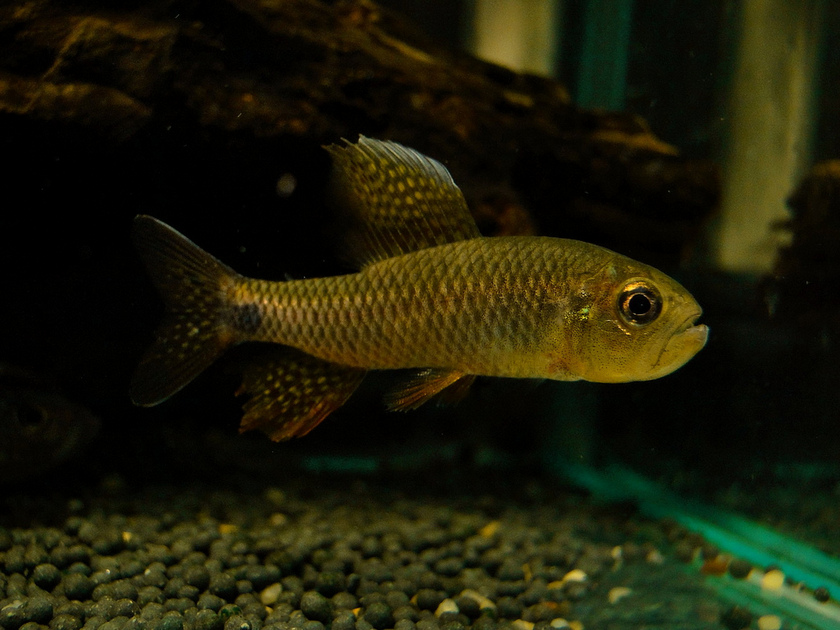
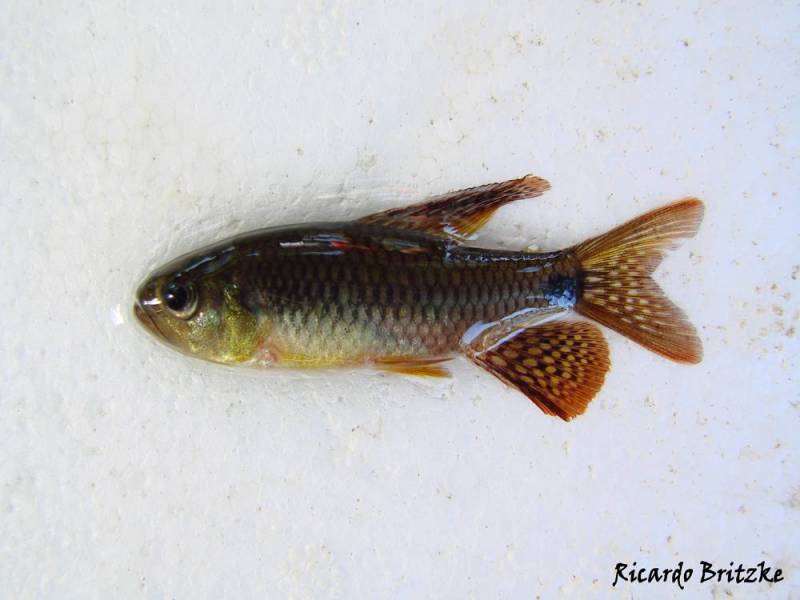
分布于亚马孙河、奥里诺科河的大部分水系,以及圭亚那、法属圭亚那和苏里南沿海河流。模式产地在圭亚那埃塞奎博河,不同产地的体色、鳍形及成年大小可有差异。
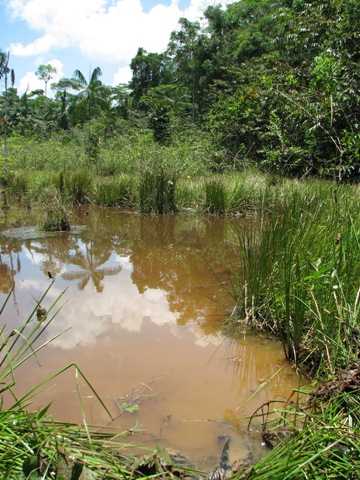
主要生活于森林溪流和小支流,高水位时也进入淹水森林。水面上方有密集岸边植被,分解植物使水呈淡茶色,底部铺有落枝、树根和落叶。
饲养环境
底面积至少约 75 × 30 cm。沙底、沉木根枝及多处遮蔽构成有层次的环境。干落叶增加藏身处,分解时的微生物可补充鱼苗食物,也可少量使用桤木果营造相似环境,不必使用天然泥炭。
光照宜柔和,可选择耐阴蕨类、莫丝或椒草,加浮水植物减光。它对有机污染物波动敏感,必须使用成熟稳定的缸。
食性与喂食
主要捕食微小无脊椎动物及动物浮游生物,圭亚那野生个体胃中曾发现蜉蝣幼体、桡足类和介形类。缸内可能学会接受适口干粮,但每日仍宜提供丰年虾无节幼体、水蚤、白线虫等小型活饵或冷冻饵。
习性与混养
对其他鱼温和,但胆小及偏底层的生活方式使其并非适合所有综合缸。可单独维持,或搭配体型相近、不好斗的小型脂鲤及较小底层鲶鱼。
繁殖雄鱼会暂时占据小片区域。通过根枝、植物等分隔视线,通常能减少冲突和身体伤害。
雌雄区分
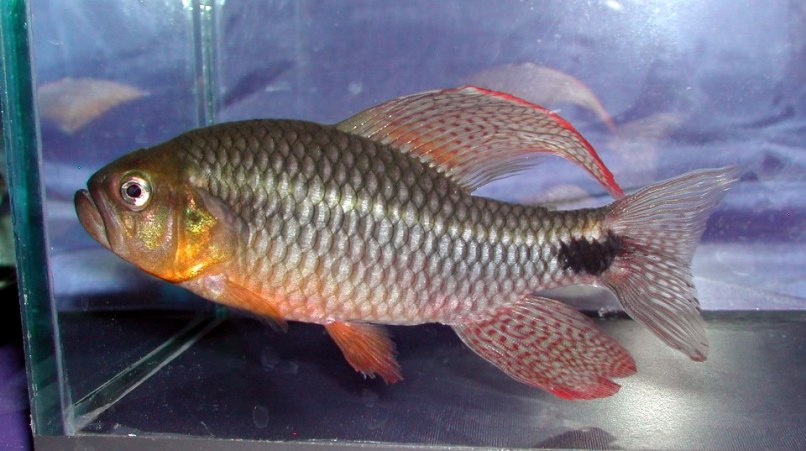
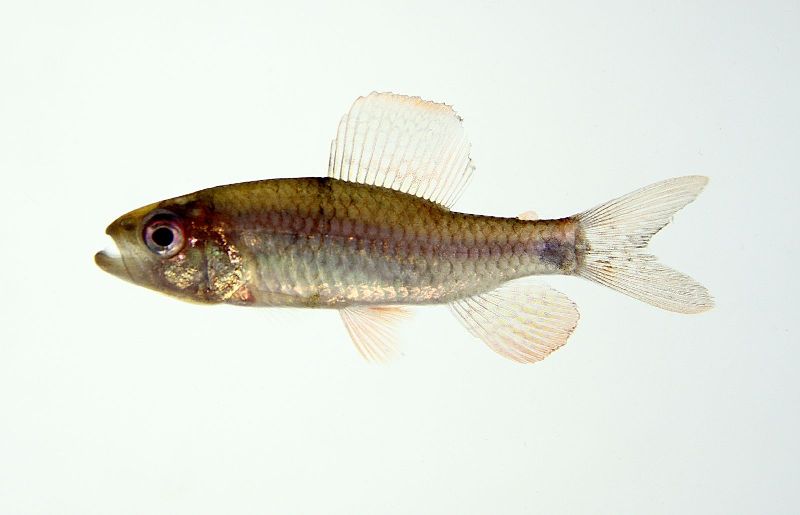
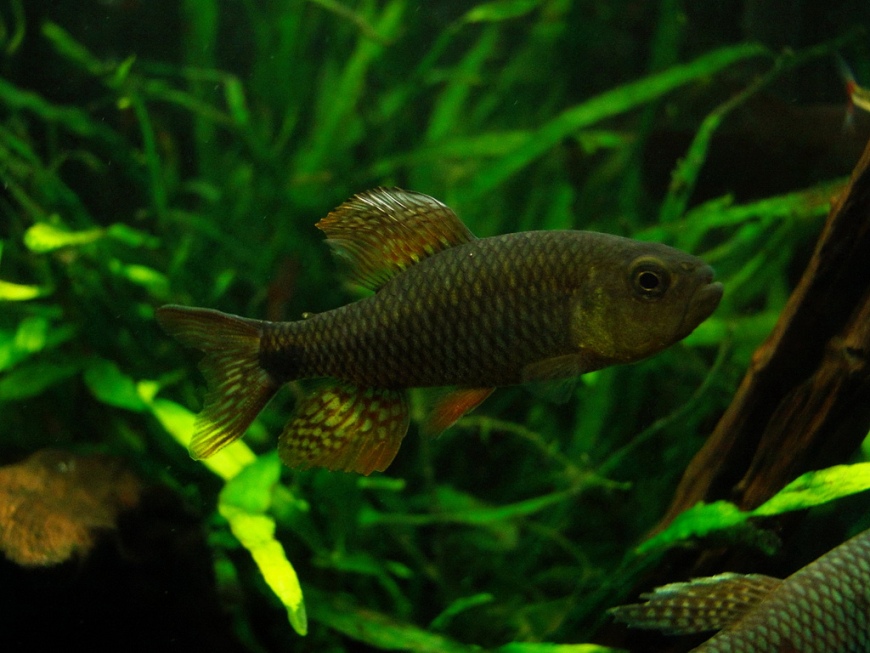
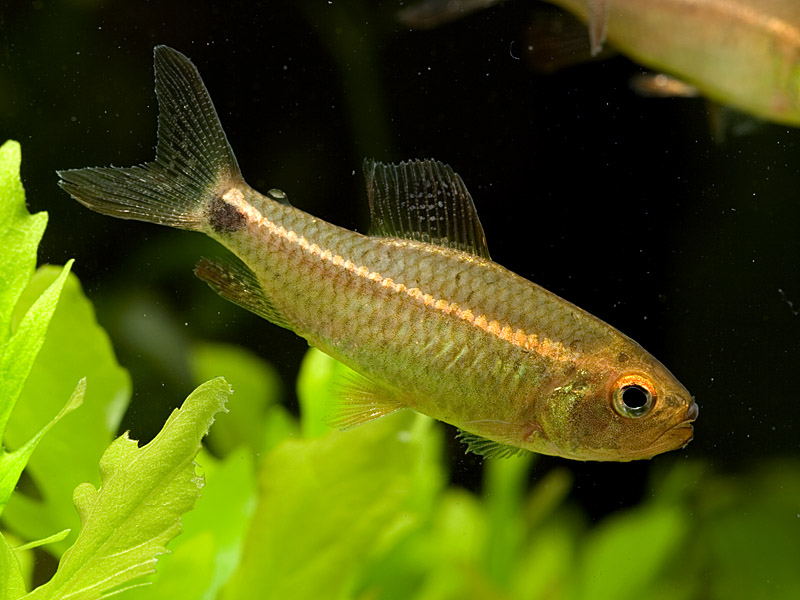
成年雄鱼更大、更鲜艳,背鳍和臀鳍显著延长;雌鱼外观较朴素。
繁殖
通常在小洞或落叶形成的空隙里产卵,形成短期配对。雄鱼选洞并展鳍引诱附近雌鱼进入,卵黏在洞顶,产后雌鱼被驱离。
雄鱼负责护卵及早期幼鱼。没有经验的个体可能吃掉最初几胎,但不宜急于把卵拿出人工孵化,雄鱼的照护似乎对成功率很重要。
卵约 36~48 小时孵化,再过约 4~6 天幼鱼自由游动,期间雄鱼持续护幼。自由游动后可喂刚孵化的丰年虾或微虫。成鱼通常能与幼鱼同缸,但仍需观察是否发生捕食。
补充说明
其体色和形态在广阔分布区中存在明显差异,不能只凭一张参考照片否定其他产地个体。关于感知红外线的说法,不能把它称为唯一具有此能力的鱼;相关感知在繁殖中具体起什么作用仍不清楚。
图片
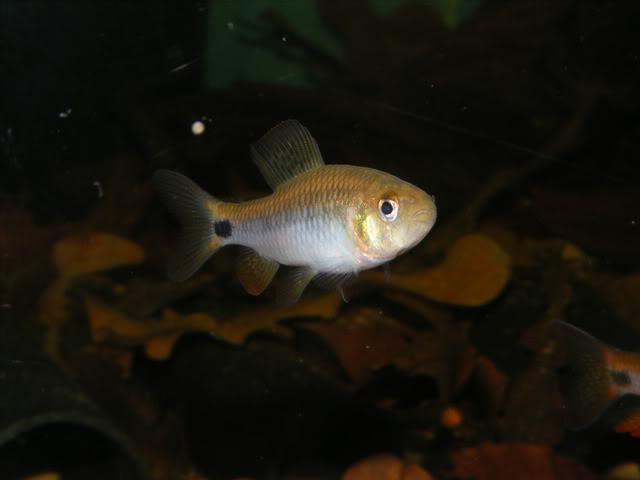
图片来自 SeriouslyFish,版权归各摄影者所有。
English
Overview
Predominantly bottom-living and timid, Crenuchus spilurus benefits from quiet surroundings and plentiful cover. Males develop extended dorsal and anal fins, using displays to attract females into small caves before guarding eggs and early young alone.
Distribution & habitat
The range covers much of the Amazon and Orinoco systems and coastal rivers of Guyana, French Guiana, and Suriname. The type locality is Guyana's Essequibo. Color, fin form, and adult size vary among populations.
Forest streams and minor tributaries are typical, with flooded forest also used at high water. Overhanging vegetation, tea-tinted water, and bottoms covered by roots, branches, and leaves characterize favored sites.
Aquarium setup
Provide at least about 75 × 30 cm of floor space. Sand, roots, branches, and multiple sheltered areas form a useful layout. Leaves add cover and microbial growth that supplements fry food. Alder cones can also contribute to the environment; natural peat is unnecessary.
Keep lighting subdued. Shade-tolerant ferns, mosses, or Cryptocoryne and floating vegetation can be used. Sensitivity to fluctuating organic waste makes a mature, stable aquarium essential.
Diet & feeding
Tiny invertebrates and zooplankton dominate the diet. Stomach samples from Guyana have contained mayfly larvae, copepods, and ostracods. Suitable preparations may eventually be accepted, but provide daily small live or frozen foods such as Artemia nauplii, water fleas, and grindal worms.
Behaviour & compatibility
Peacefulness toward other species does not guarantee suitability for every community: timidity and bottom-oriented activity matter. Dedicated housing or comparable-sized nonaggressive characins and smaller bottom catfishes are possibilities.
Breeding males temporarily defend small areas. Arrange cover to interrupt sight lines, reducing sustained disputes and injury.
Sexual dimorphism
Adult males are larger and more colorful, with strongly extended dorsal and anal fins. Females are comparatively plain.
Breeding
Small caves or spaces within fallen leaves serve as spawning sites. Temporary pairs form as a displaying male attracts a female to his chosen shelter. Eggs attach to the roof, after which he excludes her.
The male guards eggs and early young. Inexperienced fish may consume initial clutches, but removing eggs for artificial incubation is discouraged because male attendance appears important to success.
Hatching takes about 36–48 hours, with free swimming another four to six days later. The male guards the young during this interval. Newly hatched Artemia or microworms can be offered once fry swim freely. Adults usually coexist safely with offspring, although watch for predation.
Notes
Broad geographical variation means one reference photograph cannot represent every population. Claims about infrared perception should not describe it as uniquely capable among fishes; any specific role in reproduction remains unresolved.
来源
- https://www.seriouslyfish.com/species/crenuchus-spilurus(抓取于 2026-10-10)
crenuchus-spilurus · 文件: data/species/crenuchus-spilurus.md · 状态: 草稿