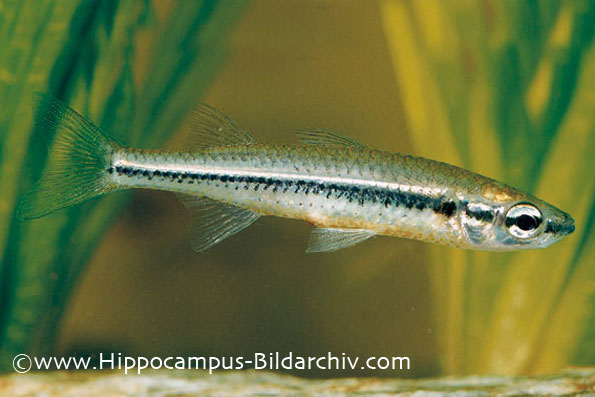
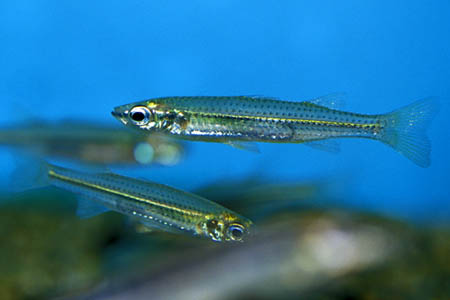
Craterocephalus stercusmuscarum stercusmuscarum · Fly-specked Hardyhead
概要
| 字段 | 值 |
|---|---|
| 类别 | 鱼 |
| 学名 | Craterocephalus stercusmuscarum stercusmuscarum |
| 分类 | 银汉鱼目 Atheriniformes › 银汉鱼科 Atherinidae › Craterocephalus |
| 水体 | 淡水 |
| 原产地 | 澳大利亚 |
| 成体体长 | 7 cm |
| 饲养难度 | 入门 |
| 最小水体 | 68 L |
| 最小缸长 | 76 cm |
| 群居方式 | 群游 |
| 性情 | 温和 |
| 外部数据 | seriouslyfish craterocephalus-stercusmuscarum-stercusmuscarum |
| 食性 | 杂食 |
| 繁殖方式 | 产卵 |
水质参数
| 参数 | 耐受范围 | 最适范围 | 单位 |
|---|---|---|---|
| 总硬度 | 5–10 | — | dGH |
概述
Craterocephalus stercusmuscarum stercusmuscarum 是澳大利亚的群游型银汉鱼,游动活跃但容易受惊。饲养重点是足够同伴、开阔水域与稳定洁净的水质,而不是把缸内塞满装饰。
分布与栖息地
澳大利亚特有,分布从北领地至昆士兰南部,也深入内陆并进入一些大瀑布上游区域。生活环境包括溪流、河流、湖泊及池塘,常成大群游过裸露的沙、泥或黏土底床,栖地植被可相当稀疏。
饲养环境
小群可从 76 cm 长缸开始,应尽量保留连续的游泳空间。布置可以简洁,也可种水草,但不要挤占主要活动区域。保持高水质并规律部分换水。
人工饲养通常建议略酸水,约 pH 6.0~6.5;偏碱时可能失色。野外不同种群利用的水况差异很大,不能把所有采点极值都视为同一批鱼适宜的长期环境。
食性与喂食
野生胃肠内容物包括水生及陆生昆虫、浮游动物和植物物质,属于杂食。人工不太挑食,仍应规律补充小型活、冻饵,使食物多样。
习性与混养
性情温和,可与需求相近的彩虹鱼、淡水虾虎等搭配。至少八至十条能减轻紧张,也有助于雄鱼显色;可按每雄配二至三雌的比例安排。
雌雄区分
抱卵雌鱼腹部较圆。雄鱼侧线以下的黄色更浓,繁殖状态时尤其明显。
繁殖
已有人工繁殖记录。可准备无底砂的繁殖缸,放几丛细叶草或莫丝,水温约 26 °C,用气动海绵轻柔过滤。
亲鱼先在另一缸成群调养,多给活、冻饵。雌鱼腹部丰满、雄鱼显色增强后,挑选状态好的一对移入。野外繁殖季较长,人工可能连续数日每天产卵;据观察每次约二十枚,卵以细丝附着在植物上,约一周孵化。
几天后移出亲鱼,让雌鱼恢复,同时减少吃卵。鱼苗耗尽卵黄后应能接受微虫或丰年虾无节幼体。具体求偶和产卵动作尚不清楚,不必据此假定所有种群过程完全相同。
补充说明
相邻甚至同一水域的种群之间存在较大的遗传差异,有些可能代表不同物种。昆士兰北部 Johnstone 河种群在生长和繁殖策略上也有区别,因此保留可靠采集地点对比较饲养结果很重要。
这种差异也可能部分解释不同地点的宽广水质记录,不能用某地的成功经验保证所有来源鱼都同样适应。
图片
图片来自 SeriouslyFish,版权归各摄影者所有。
English
Overview
The Australian hardyhead Craterocephalus stercusmuscarum stercusmuscarum is active but easily startled. A substantial group, open swimming room, and consistently clean water matter more than filling the aquarium with decoration.
Distribution & habitat
It is endemic to Australia from the Northern Territory to southern Queensland, extending well inland and above some major waterfalls. Streams, rivers, lakes, and ponds are used. Large shoals often travel over exposed sand, mud, or clay with relatively sparse vegetation.
Aquarium setup
A small group can start in an aquarium 76 cm long. Preserve an uninterrupted swimming area. Decoration can be sparse or include plants, provided they do not crowd the main activity space. Maintain high water quality through regular partial changes.
Slightly acidic conditions around pH 6.0–6.5 are recommended for aquarium care; alkaline water can reduce color. Different wild populations use widely varying conditions, but every field extreme should not be treated as a long-term target for the same group of fish.
Diet & feeding
Wild gut contents include aquatic and terrestrial insects, zooplankton, and plant material, indicating an omnivorous diet. Captive fish are not particularly selective, although regular small live or frozen foods should supplement a varied menu.
Behaviour & compatibility
Its peaceful nature allows companions such as rainbowfishes and freshwater gobies with matching requirements. Keep at least eight to ten to reduce nervousness and encourage male color. Two or three females per male is a useful group arrangement.
Sexual dimorphism
Females become rounder when carrying eggs. Males show stronger yellow below the lateral line, particularly during breeding condition.
Breeding
Aquarium reproduction has been achieved. Prepare a bare-bottomed breeding tank with clumps of finely divided plants or moss, approximately 26 °C water, and gentle air-driven sponge filtration.
Condition adults together in another aquarium with live and frozen foods. Once females are plump and males strongly colored, move a well-conditioned pair. The prolonged natural breeding season suggests repeated daily spawning over several days. Reported batches contain around twenty eggs, attached to plants by fine threads, with hatching after about a week.
Remove parents after several days to let the female recover and prevent egg predation. Young should take microworms or Artemia nauplii once their yolk is exhausted. Detailed courtship and spawning movements are not established, and identical behavior across every population should not be assumed.
Notes
Substantial genetic differences occur between neighboring populations and even groups sharing waters; some may represent distinct species. Johnstone River fish in northern Queensland also differ in growth and reproductive strategy, making dependable collection locality valuable when comparing husbandry results.
Such variation may partly explain broad water-condition records. Success with fish from one locality does not demonstrate equivalent tolerance in all others.
来源
- https://www.seriouslyfish.com/species/craterocephalus-stercusmuscarum-stercusmuscarum(抓取于 2026-10-10)
craterocephalus-stercusmuscarum-stercusmuscarum · 文件: data/species/craterocephalus-stercusmuscarum-stercusmuscarum.md · 状态: 草稿