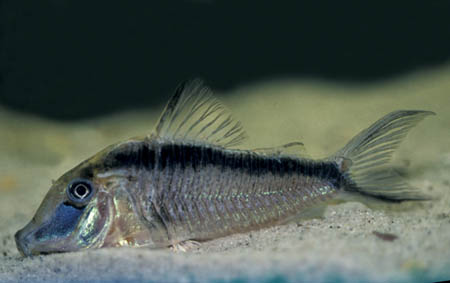
痹兵鲶 · Long-nosed Skunk Cory
概要
| 字段 | 值 |
|---|---|
| 类别 | 鱼 |
| 学名 | Corydoras narcissus |
| 别名 | 痹兵鯰 |
| 分类 | 鲶形目 Siluriformes › 美鲶科 Callichthyidae › Corydoras |
| 水体 | 淡水 |
| 成体体长 | 7.5 cm |
| 饲养难度 | 中等 |
| 最小水体 | 108 L |
| 最小缸长 | 120 cm |
| 群居方式 | 群游 |
| 性情 | 温和 |
| 外部数据 | seriouslyfish corydoras-narcissus;fishbase 46159 |
| 原产地 | 巴西普鲁斯河(似为该河特有种) |
| 食性 | 杂食 |
水质参数
| 参数 | 耐受范围 | 最适范围 | 单位 |
|---|---|---|---|
| 水温 | 23–25 | — | °C |
| pH | 6–7 | — | — |
| 总硬度 | 1–12 | — | dGH |
概述
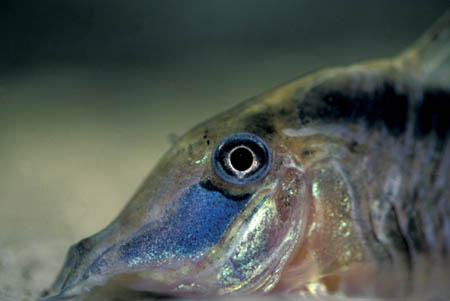
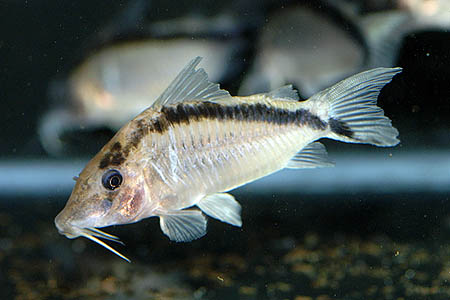
痹兵鲶(Corydoras narcissus)是长吻鼠鱼,外观与一些圆吻近似种相似,辨识时应留意明显延长的吻部。对其他温和小鱼通常友善,但雄鱼之间可能争斗,群养需要较大的底部空间。
分布与栖息地
似为巴西普鲁斯河特有种,生活在小支流、溪流、淹水森林和砂洲区域。
饲养环境
喜欢适度水流,至少应确保充氧充分。细砂、树根、沉木与落叶配合较暗灯光,可营造接近亚马孙环境的布局;定期换掉老化落叶,避免腐败污染。普通有水草的缸也能使用,重点仍是水质稳定和底部洁净。不要用底滤板抽水过滤,底砂积污可能造成口须损伤。
食性与喂食
杂食且较容易接受饲料,以优质下沉颗粒或底栖片粮为主,补充水蚤、丰年虾、红虫等活饵和冷冻饵。需有专门落到底部的食物,不能只靠残饵。
习性与混养
至少六条群养,可配温和的小型灯鱼、鲤科鱼、迷鳃鱼及合适的小型慈鲷。避免大鱼和攻击性同伴。雄鱼间的竞争与对其他鱼的温和可以同时存在,不宜因此缩小饲养空间。
雌雄区分
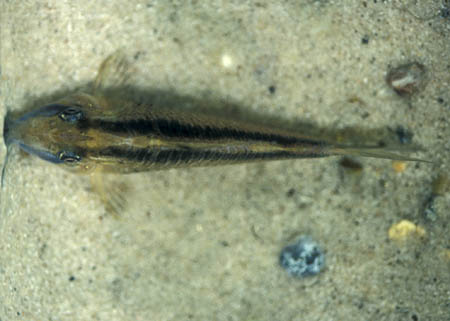
从上方看,雌鱼更宽圆,通常略大,怀卵时尤其明显。
繁殖
可能适用常见鼠鱼繁殖方法,但这些步骤不应当作已经确认的本种繁殖记录。可用气动过滤、软水和莫丝等附卵物,配置雄多雌少的成鱼,以多样饵料养好状态,再尝试较凉新水与增强充氧刺激。
可观察追逐、丁字形交配姿势及玻璃上的附卵行为;若成功产卵,及时隔开成鱼或移卵,孵卵水保持与原缸一致,清除霉卵。通用鼠鱼流程中约三至五天孵化,卵黄吸收后投喂微虫或丰年虾无节幼体,但本种仍需按实际发育调整。成熟度、季节与水流等条件也可能影响成功率。
补充说明
偶尔冲到水面吞气属于正常辅助呼吸,频率显著增加时应检查水质和含氧。胸鳍硬刺会挂网或刺伤皮肤,搬动时要小心。
图片
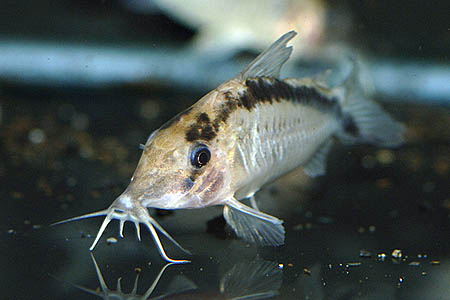
图片来自 SeriouslyFish,版权归各摄影者所有。
English
Overview
A conspicuously extended snout distinguishes Corydoras narcissus from superficially similar round-snouted corys. It is generally gentle toward suitable community fishes, but males may quarrel with each other. A group therefore needs substantial floor space as well as clean, oxygenated water.
Distribution & habitat
It appears restricted to Brazil's Purus River. Small tributaries, creeks, flooded forest, and sand-bank habitats are reported.
Aquarium setup
Provide some circulation, or at minimum excellent aeration. Sand, roots, wood, and dried leaves under subdued light create a suitable setting. Replace decaying leaves before they foul the water. Planted community layouts also work, despite plants being uncommon in its natural setting. Avoid undergravel filtration and keep the floor clean to reduce barbel problems.
Diet & feeding
Feed this omnivore sinking pellets or tablets with live and frozen supplements such as water fleas, brine shrimp, and bloodworms. Ensure that a proper ration reaches it instead of relying on scraps from other fish.
Behaviour & compatibility
Maintain at least six with small, peaceful companions. Suitable choices may include gentle characins, cyprinids, labyrinth fishes, and smaller cichlids. Large or aggressive fishes are poor partners. Male rivalry remains possible even in an otherwise peaceful community, reinforcing the need for room.
Sexual dimorphism
Females are often slightly larger and look wider and rounder from above, particularly when carrying eggs.
Breeding
General cory methods may be worth trying, but should not be treated as confirmed reproductive observations for this species. A separate aquarium with air-powered filtration, soft water, and moss offers a starting point. Condition a male-biased group and consider cooler replacement water with increased oxygenation as a stimulus.
Watch for pursuit, T-shaped pairing, and eggs attached to glass. If spawning occurs, separate eggs and adults, use matching water for incubation, and remove fungused eggs. Hatching after several days and feeding microworms or brine shrimp nauplii after yolk absorption are general cory expectations, not a verified timetable here. Maturity, seasonal timing, and water movement may affect results.
Notes
Occasional surface gulps are normal; unusually frequent visits call for checking conditions. Pectoral spines can snag in nets or puncture skin.
来源
- https://www.seriouslyfish.com/species/corydoras-narcissus(抓取于 2026-10-10)
corydoras-narcissus · 文件: data/species/corydoras-narcissus.md · 状态: 草稿