福勒氏兵鲶 · Fowler's Cory
概要
| 字段 | 值 |
|---|---|
| 类别 | 鱼 |
| 学名 | Corydoras fowleri |
| 别名 | 福勒氏兵鯰 |
| 分类 | 鲶形目 Siluriformes › 美鲶科 Callichthyidae › Corydoras |
| 水体 | 淡水 |
| 原产地 | 秘鲁亚马孙河流域;巴西、哥伦比亚交界一带可能也有分布 |
| 成体体长 | 7 cm |
| 饲养难度 | 中等 |
| 最小水体 | 243 L |
| 最小缸长 | 120 cm |
| 群居方式 | 群游 |
| 性情 | 温和 |
| 外部数据 | seriouslyfish corydoras-fowleri;fishbase 46066 |
| 食性 | 杂食 |
| 繁殖方式 | 附着产卵 |
水质参数
| 参数 | 耐受范围 | 最适范围 | 单位 |
|---|---|---|---|
| 水温 | 20–28 | — | °C |
| pH | 5–7.5 | — | — |
| 总硬度 | 2–12 | — | dGH |
概述
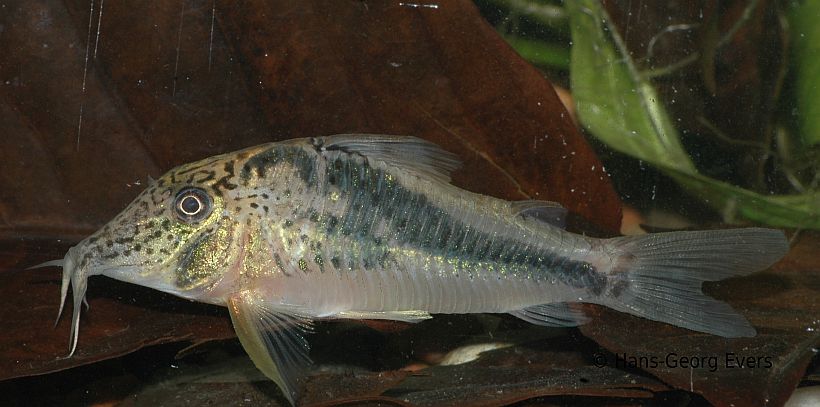
福勒氏兵鲶(Corydoras fowleri)是较大型的长吻鼠鱼,对多数其他鱼温和,但雄鱼在求偶期可能强烈争斗。它需要宽敞的混养环境,且比许多常见鼠鱼更挑食,刚进口的野生鱼尤其需要留意消瘦与进食。
分布与栖息地
明确记录主要来自秘鲁亚马孙河流域,分布可能延伸到秘鲁、巴西和哥伦比亚交界区域,但近似鱼的误认使边界不够清楚。野外观察显示,它偏好较小而安静的清澈酸性支流,底部是细砂与落叶,岸边植被丰富。
饲养环境
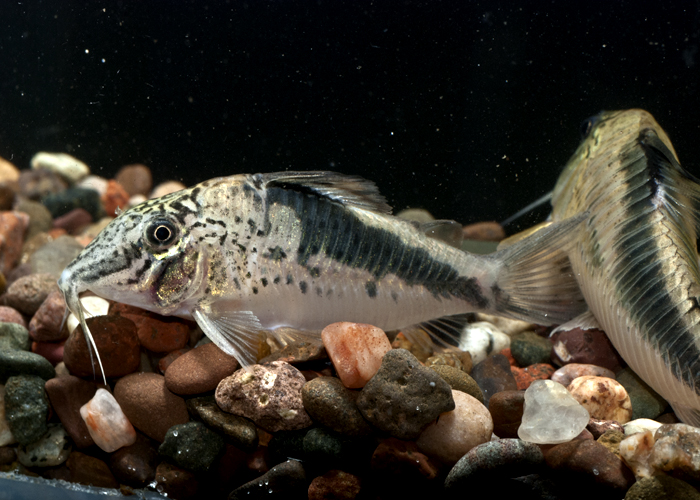
提供足够底部空间,以细砂为宜;圆润砾石也可使用,但要非常清洁。设置遮蔽,让鱼有退避处,不能只按普通小型鼠鱼安排拥挤环境。
食性与喂食
虽然鼠鱼通常接受多种杂食饲料,本种可能拒吃干饲料。刚进口的野生鱼常伴有体内寄生虫,适应期需要持续获得适口活饵以维持体重,可搭配红虫、水蚯蚓等食物观察进食。状态稳定后再根据个体接受程度丰富菜单,不能依赖残饵维生。
习性与混养
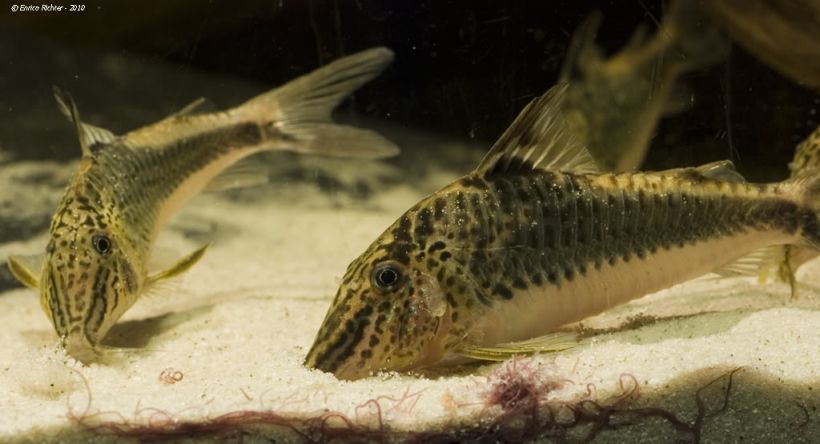
对多数其他鱼较温和,但雄鱼会攻击同种或外形相似的鱼,繁殖竞争时更明显。可成对或以四至六条以上群体饲养,前提是空间足够,并能应对持续追逐。
雌雄区分
雌鱼通常更大,成熟后体形更宽、更高,腹鳍较圆;成熟雄鱼胸鳍前部鳍条增粗。
繁殖
为减少争斗,使用一对成鱼可能比混合群体更合适。雌鱼明显怀卵后,可用较凉新水和增强充氧、水流刺激。卵会黏在玻璃、细叶植物或沉水产卵拖把上,后者便于取出卵。
产后将成鱼或卵分开,孵卵水与原缸一致并保持供氧,及时防范霉卵。通常三四天孵化,卵黄吸收后可喂微虫、丰年虾无节幼体。鱼苗并不容易养,需要很好的水质,薄砂底可能比全裸底更有利。
补充说明
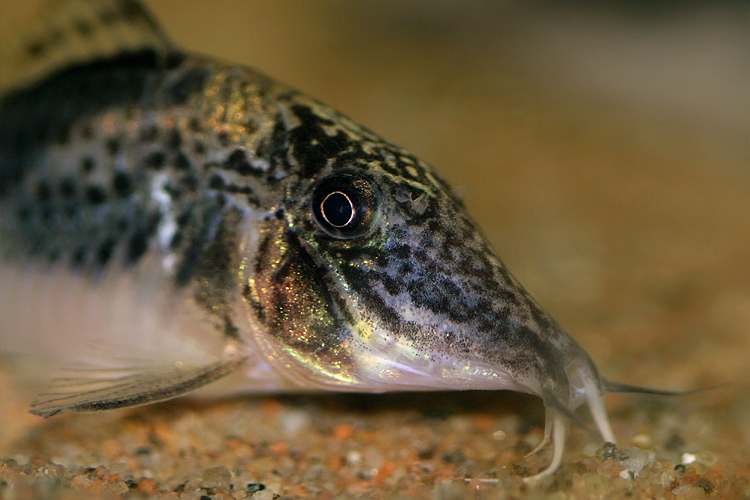
市场上这一名称常被用于数种近似长吻鼠鱼,仅按深色区域的大小判断容易误认。分布与体色差异也不宜直接当成明确的种内变异。偶尔吞气属肠道辅助呼吸,搬动时则需防范胸鳍硬刺。
图片
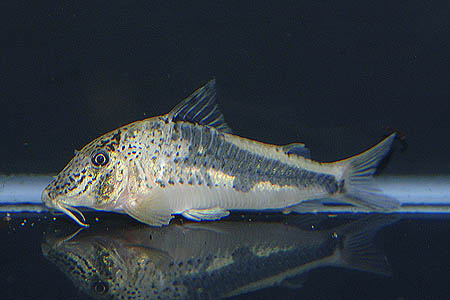
图片来自 SeriouslyFish,版权归各摄影者所有。
English
Overview
Corydoras fowleri demands more care in stocking and feeding than a typical small community cory. Males can be combative, especially while breeding, and newly imported wild fish may be difficult to maintain in good condition. A spacious aquarium and close attention to food acceptance are central to keeping it.
Distribution & habitat
Confirmed records center on the Peruvian Amazon. Similar fishes from the Peru-Brazil-Colombia border region may extend its range, but identification problems leave this uncertain. Wild observations point to quiet, small tributaries with clear acidic water, fine sand, leaf litter, and dense riverside vegetation.
Aquarium setup
Allow generous floor space and provide sheltered retreats. Fine sand is preferable, although carefully cleaned, rounded gravel is an alternative. Crowding this long-snouted species into a setup intended for much smaller corys is inappropriate.
Diet & feeding
Unlike many omnivorous corys, this species may reject dried food. Newly imported fish often carry internal parasites and need ready access to acceptable live food during acclimation to avoid losing weight. Bloodworms, aquatic worms, and other suitable small foods can be offered while observing actual intake. Broaden the diet as acceptance permits; leftovers are not an adequate feeding plan.
Behaviour & compatibility
Most unrelated fishes are tolerated, but males may attack each other and similarly shaped catfishes. Reproductive competition intensifies this tendency. Keep a pair or a group of at least four to six only where ample space and options for managing conflict are available.
Sexual dimorphism
Females grow larger and become broader and deeper-bodied, with rounded pelvic fins. Mature males develop thicker rays at the front of the pectoral fins.
Breeding
A single adult pair may be preferable to a mixed group because it reduces competition. Cooler replacement water and increased circulation and aeration can stimulate a ripe female. Eggs attach to glass, fine foliage, or submerged spawning mops; mops make transfer easier.
Separate the adults from the eggs after laying. Use matching, well-oxygenated water for incubation and monitor fungal losses. Hatching usually takes three or four days. Offer microworms or brine shrimp nauplii after yolk absorption. Fry are demanding of water quality; a thin sandy floor may be beneficial compared with a bare aquarium.
Notes
Aquarium specimens are frequently misidentified among similar long-snouted species. Dark patterning alone does not reliably distinguish them. Occasional air gulps are normal, and sharp pectoral spines require careful handling.
来源
- https://www.seriouslyfish.com/species/corydoras-fowleri(抓取于 2026-10-10)
corydoras-fowleri · 文件: data/species/corydoras-fowleri.md · 状态: 草稿