南美娃娃 · Amazon Puffer
概要
| 字段 | 值 |
|---|---|
| 类别 | 鱼 |
| 学名 | Colomesus asellus |
| 别名 | Chelichthys asellus、Cheilichthys asellus、Colomesus asellus |
| 分类 | 鲀形目 Tetraodontiformes › 四齿鲀科 Tetraodontidae › Colomesus |
| 水体 | 淡水 |
| 原产地 | 巴西、哥伦比亚、秘鲁、厄瓜多尔、圭亚那、委内瑞拉 |
| 成体体长 | 12.8 cm |
| 饲养难度 | 中等 |
| 最小水体 | 108 L |
| 最小缸长 | 120 cm |
| 群居方式 | 群游 |
| 外部数据 | seriouslyfish colomesus-asellus;fishbase 51376 |
| 繁殖方式 | 产卵 |
水质参数
| 参数 | 耐受范围 | 最适范围 | 单位 |
|---|---|---|---|
| 水温 | 20–26 | — | °C |
| pH | 5.5–8 | — | — |
| 总硬度 | 2–15 | — | dGH |
概述
南美娃娃(Colomesus asellus)是会形成松散群体的淡水河鲀,独养可能显得紧张。它并非特别好斗,却也不适合随意放入一般混养缸,清洁水质、溶氧和同种伙伴都很重要。
分布与栖息地
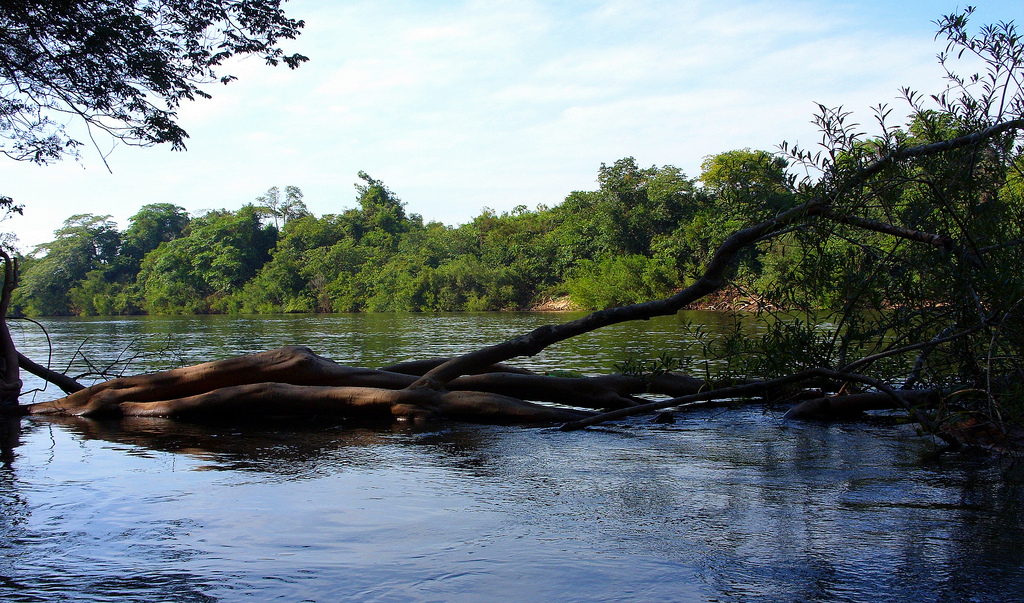
广布于巴西、哥伦比亚、秘鲁和厄瓜多尔的亚马逊水系,北侧圭亚那及委内瑞拉部分河流也有记录。可生活于沙洲、河岸、泛滥湖及岩石急流等多种环境,通常采于含氧较高的水域;不常见于强酸黑水。
饲养环境
布景形式可灵活,但应有充分结构,浮水或垂入水面的植物及沉木枝根较合适。它不耐有机废物累积,过滤和必要的额外造流应维持洁净、含氧良好的水体,每周换水 30–50%。
野生进口个体可能较虚弱,运输后容易出现白点问题,入缸前宜充分检疫观察。
食性与喂食
经常提供适口螺类、带壳贝肉或蟹足等,帮助磨耗持续生长的喙状口器。可再喂碎贝肉、小蚯蚓、红虫和丰年虾,干粮不宜作为主要食物。布景硬表面的藻膜可保留,附着生物可能参与其天然摄食,但不能用单一藻类替代多样食物。
习性与混养
最好以六尾以上同种饲养,缺少伙伴可能变得胆怯紧张。可选择同种专缸,若与其他河流鱼共养,应使用更大空间,并慎重评估伙伴;“不特别凶”不代表适合任何普通小鱼缸。
繁殖
尚无水族箱繁殖记录。野外繁殖具有较多小卵、不护卵护幼的特点;有限研究提示高水位时在主河道或泛滥湖、支流入口附近产卵。漂浮性幼体随水流进入泛滥湖的育幼区,发育后随洪水消退回到河道。
补充说明
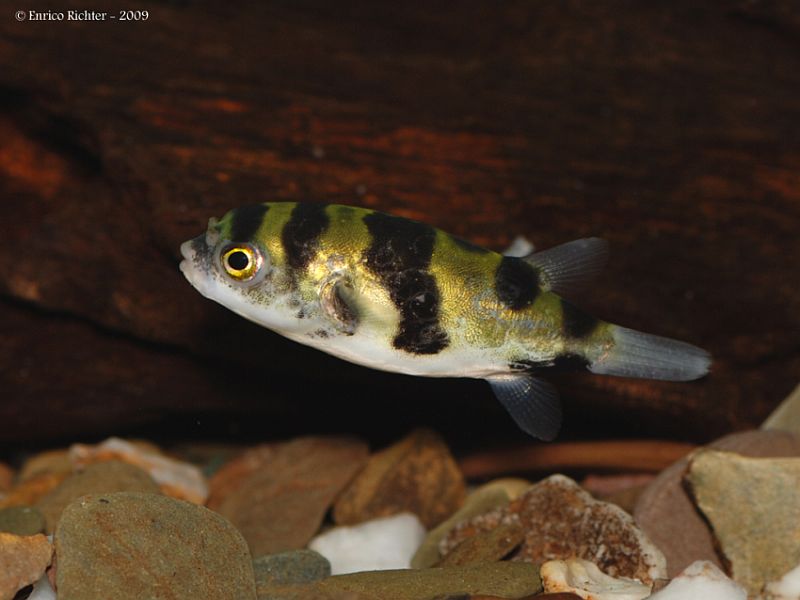
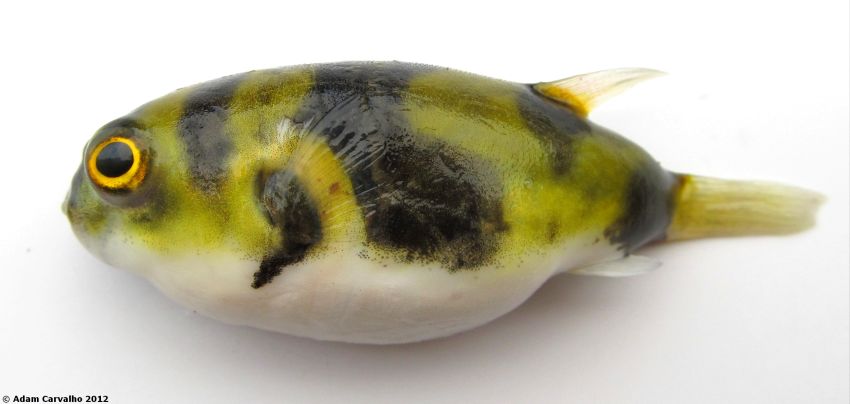
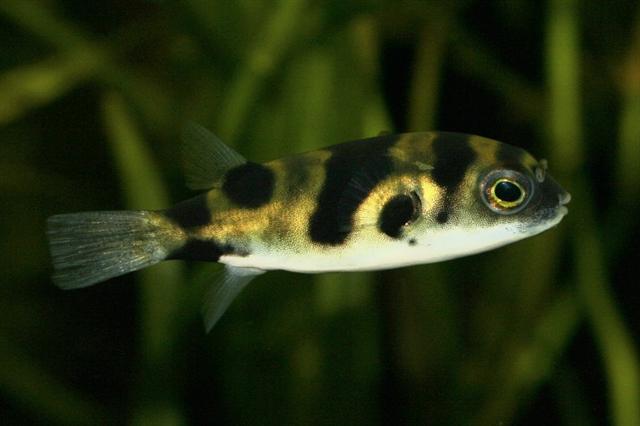
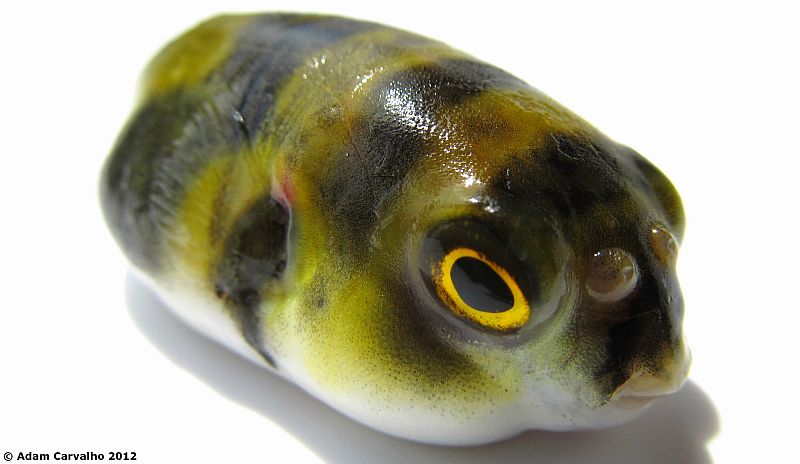
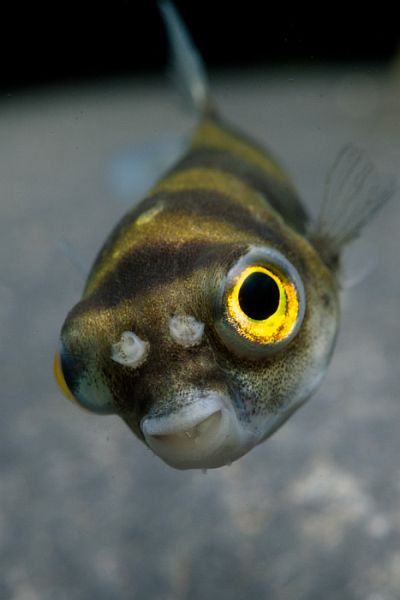
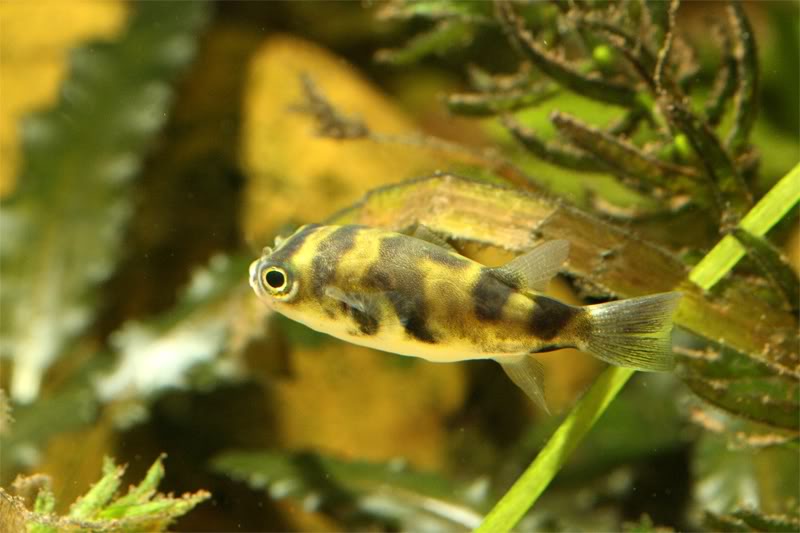
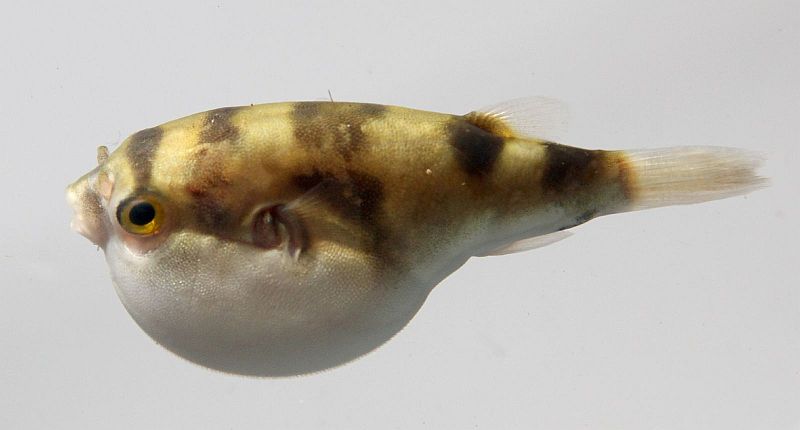
下颌横向的一排皮瓣是区分本种与近似同属鱼的重要特征,背部偏金黄并有五道暗横带。贸易中的“亚马逊”“南美”等名称覆盖较宽,识别时仍要核对形态。
图片
图片来自 SeriouslyFish,版权归各摄影者所有。
English
Overview
The Amazon puffer, Colomesus asellus, forms loose aggregations and may become nervous without companions of its own kind. It is not inherently aggressive, but a general community is still an unsuitable default. Clean water, oxygen, and social needs all matter.
Distribution & habitat
Its range covers much of the Amazon basin in Brazil, Colombia, Peru, and Ecuador, plus northern drainages in Guyana and Venezuela. Records span beaches, sandbars, floodplain lakes, vegetated banks, and rocky rapids. Most collections come from oxygen-rich habitats; strongly acidic blackwater is not typical.
Aquarium setup
Decor can vary, provided the aquarium has enough structure. Floating or overhanging vegetation and branching wood are useful. Control organic waste rigorously, provide suitable circulation and oxygen, and change 30–50% of the water weekly.
Wild imports can be delicate and susceptible to white spot after shipping. Allow a substantial quarantine and observation period before introduction.
Diet & feeding
Regularly offer manageable snails, shelled mollusks, or crab legs to encourage wear of the growing mouthparts. Chopped shellfish, small earthworms, bloodworms, and Artemia add variety. Dry food should not be the main diet. Biofilm on hard surfaces may contribute to natural grazing, so retain some rather than relying on algae alone.
Behaviour & compatibility
Aim for at least six puffers because absence of conspecifics can produce nervous behavior. A dedicated group aquarium is a straightforward choice. Other river fishes are an option only in a larger, carefully planned setup; limited aggression alone does not make it universally compatible.
Breeding
Aquarium breeding is unrecorded. Wild reproduction involves numerous small eggs without parental guarding. Limited observations suggest spawning during high water in channels or near floodplain-lake and tributary mouths. Drifting larvae reach floodplain nurseries, later returning to river channels as water recedes.
Notes
A transverse row of skin flaps beneath the chin is a key distinction from its congeners. The upper body is golden yellow with five dark crossbands. Broad trade labels such as “Amazon” or “South American” do not replace checking these characters.
来源
- https://www.seriouslyfish.com/species/colomesus-asellus(抓取于 2026-10-10)
colomesus-asellus · 文件: data/species/colomesus-asellus.md · 状态: 草稿