青丽体鱼 · Red Terror
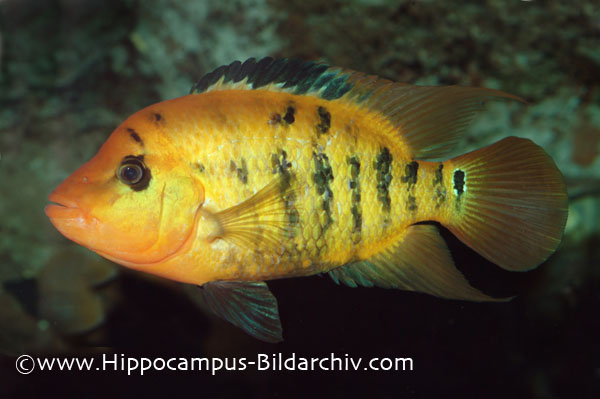
概要
| 字段 | 值 |
|---|---|
| 类别 | 鱼 |
| 学名 | Cichlasoma festae |
| 别名 | 菲氏英丽鱼、青麗體魚、菲氏英麗魚 |
| 分类 | 慈鲷目 Cichliformes › 慈鲷科 Cichlidae › Cichlasoma |
| 水体 | 淡水 |
| 原产地 | 厄瓜多尔、秘鲁 |
| 成体体长 | 50.8 cm |
| 饲养难度 | 中等 |
| 最小水体 | 756 L |
| 最小缸长 | 210 cm |
| 领地性 | 是 |
| 外部数据 | seriouslyfish cichlasoma-festae;fishbase 12308 |
| 食性 | 杂食 |
| 性情 | 攻击性 |
| 特征 | 翻底砂: 是;吃小鱼: 是 |
| 繁殖方式 | 附着产卵 |
水质参数
| 参数 | 耐受范围 | 最适范围 | 单位 |
|---|---|---|---|
| 水温 | 25–29 | — | °C |
| pH | 6–8 | — | — |
| 总硬度 | 4–18 | — | dGH |
概述
青丽体鱼(Cichlasoma festae)是体形很大、领地意识强的慈鲷,漂亮的颜色伴随明显的攻击与捕食风险。幼鱼最终需要极大的水体,购买时应按成鱼规划;配对失败时,弱势个体甚至可能被杀死。
分布与栖息地
原生于厄瓜多尔和秘鲁,包括埃斯梅拉达斯河及通贝斯河流域,新加坡另有引入种群。它似乎能适应多种环境,主要利用河流及支流。
饲养环境
既要有宽阔游泳区,也要提供牢固的岩石和木材遮蔽。它会挖掘底床,普通栽种水草甚至盆栽都可能被破坏;可考虑浮水植物或附着于木石的植物。用于繁殖的石洞和石板结构尤其需要稳固,以免大鱼移动造景时塌落。
食性与喂食
属于杂食,研究线索显示底栖甲壳类和其他无脊椎动物占重要地位,也可能吃鱼苗、果实及种子。人工饲养可用适合大型慈鲷的高质量肉食型颗粒作为主食,规律搭配蚯蚓、面包虫等大号活饵或冷冻饵料。
习性与混养
领地性强,有时攻击十分激烈。混养只能考虑体型、力量和攻击性相近的健壮鱼,仍需留意个体关系。能吞入口中的鱼都会成为潜在食物,不能只凭“已经不算小鱼”判断安全。
雌雄区分
雄鱼明显更大;雌鱼保留幼年时鲜红的底色和黑色条带。
繁殖
在洞穴或遮蔽表面产卵。与其直接把两条成鱼关在一起,更稳妥的配对途径是从约六条幼鱼养起,观察自然形成的稳定鱼对。亲鱼先在底床挖出多个坑,雌鱼在隐蔽处产下大量卵,最多可达约三千粒。卵约三四天孵化,幼鱼随后被转移到坑中,再过五六天开始自由游动,亲鱼继续严密守护。
补充说明
配对与空间是繁殖中的主要难点。不能把一次短暂和平当作配对成功;如果两鱼不相容,持续同缸可能造成严重伤害。大个体转让也可能困难,因此成鱼空间应在购买前落实。
图片
图片来自 SeriouslyFish,版权归各摄影者所有。
English
Overview
The impressive color of Cichlasoma festae comes with substantial adult size, strong territorial behavior, and serious predation risk. Plan housing around the adult fish. An incompatible pair can end with the weaker individual being killed.
Distribution & habitat
Native populations occur in Ecuador and Peru, including the Esmeraldas and Tumbes drainages. An introduced population also exists in Singapore. It appears adaptable across several habitats, principally rivers and tributaries.
Aquarium setup
Combine extensive swimming space with secure rock and wood cover. This digging fish is likely to destroy rooted plants and even disturb pots. Floating plants or species attached to hardscape are alternatives. Any rock caves or slate shelters intended for spawning must withstand movement by large fish.
Diet & feeding
The species is omnivorous, with available evidence emphasizing bottom-dwelling crustaceans and other invertebrates. Fish fry, fruit, and seeds are also probable foods. Large, high-quality meaty cichlid pellets make a practical staple, supplemented regularly with suitable live or frozen foods such as earthworms and mealworms.
Behaviour & compatibility
Territorial disputes can become severe. Only robust fishes comparable in size, strength, and aggression merit consideration as companions, and individual interactions still need observation. Any fish small enough to enter its mouth may be eaten.
Sexual dimorphism
Males grow considerably larger. Females retain the vivid red and dark banding seen in juveniles.
Breeding
Eggs are deposited in caves or other sheltered places. Raising about six juveniles and allowing a strong pair to form is preferable to forcing two adults together. Several pits are prepared in the substrate before the female lays, potentially producing around three thousand eggs. Hatching takes roughly three to four days. The young are moved into pits and become free-swimming another five or six days later, while both parents continue guarding them.
Notes
Space and pair compatibility are major breeding constraints. A short peaceful interval does not establish a stable bond, and prolonged confinement of incompatible fish can cause serious injury. Rehoming a large adult may be difficult, so adequate permanent housing should be arranged before purchase.
来源
- https://www.seriouslyfish.com/species/cichlasoma-festae(抓取于 2026-10-10)
cichlasoma-festae · 文件: data/species/cichlasoma-festae.md · 状态: 草稿