三间鼠 · Clown Loach
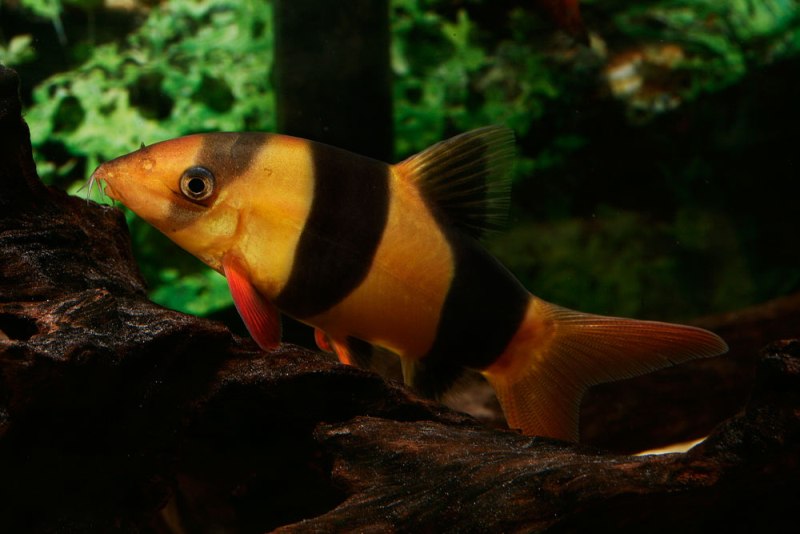
概要
| 字段 | 值 |
|---|---|
| 类别 | 鱼 |
| 学名 | Chromobotia macracanthus |
| 别名 | 皇冠沙鰍、Cobitis macracanthus、Botia macracanthus、Botia macracantha、皇冠沙鳅 |
| 分类 | 鲤形目 Cypriniformes › 沙鳅科 Botiidae › Chromobotia |
| 水体 | 淡水 |
| 原产地 | 印度尼西亚 |
| 成体体长 | 40 cm |
| 饲养难度 | 中等 |
| 最小水体 | 648 L |
| 最小缸长 | 180 cm |
| 群居方式 | 群游 |
| 特征 | 会跳缸: 是;啃水草: 是 |
| 外部数据 | seriouslyfish chromobotia-macracanthus;fishbase 10897 |
| 繁殖方式 | 产卵 |
水质参数
| 参数 | 耐受范围 | 最适范围 | 单位 |
|---|---|---|---|
| 水温 | 24–30 | — | °C |
| pH | 5–7 | — | — |
| 总硬度 | 1–12 | — | dGH |
概述
三间鼠(Chromobotia macracanthus)幼鱼色彩醒目、市场常见,却会长成大型群居鱼。购买一群意味着长期提供大型鱼缸和稳定照护;妥善饲养时寿命可超过 20 年,不能用幼鱼的体型判断最终空间需求。
分布与栖息地
原生于印度尼西亚的婆罗洲和苏门答腊岛。婆罗洲记录来自西、中、东加里曼丹的河流,包括卡普阿斯河与卡扬河;苏门答腊则见于东部和南部的巴当哈里河、穆西河、图朗巴旺河等流域。
成鱼多在主河道生活,雨季进入较小支流与暂时淹没的洪泛地繁殖。幼鱼在洪泛区停留数月,成鱼产后通常返回主河道,极老个体可能不再迁移。不同季节、年龄和地点的环境差异很大:林间洪泛地常有浓密植被、落叶和树根,水流很缓;主河道在雨季则可流速较快。多数原生河流为柔软、茶色的水。
饲养环境
一群成年鱼至少需要约 180 × 60 cm 的底面积。较小鱼缸只能暂时育成幼鱼,且需每周进行多次部分换水,必须预先安排成年后的空间。
沙或细砾、圆滑岩石、沉木根枝应形成多个躲藏点。弱光与耐阴植物可增加遮蔽,装饰不能有锐边或容易卡鱼的孔洞,缸盖需严密。水要清洁、含氧充分,保持适度循环;避免有机废物积累,只用成熟稳定的过滤系统。常规每周换水约 30%~50%。
食性与喂食
天然食物包括软体动物、昆虫、蠕虫等无脊椎动物,也会吃植物物质,甚至柔软水草。缸内配合优质干粮、红虫、水蚯蚓、丰年虾等活饵或冷冻饵,并提供黄瓜、瓜果、烫软菠菜等植物性食物。混合凝胶饲料也可使用,切碎蚯蚓应少量。
它会吃螺,却不是专门以螺为生,不能把除螺当成忽略长期饲养需求的理由。适应后通常进食大胆,也会在喂食时游到中层。
习性与混养
本种会形成复杂等级,至少养 5~6 条,最好 10 条以上,并据群体数量安排空间。单养可能退缩或攻击形似的鱼;只有两三条时,优势个体可能压迫其余鱼,严重时弱鱼会停食。
通常不算特别凶,但体型与活跃行为可能使小鱼受惊。避开慢游、长鳍同伴,防止咬鳍。可考虑温和而体型相称的开阔水域鱼,其他沙鳅、底层鱼和鲶鱼需逐种评估,不能因“底层鱼”这一分类就认为适合。
雌雄区分
成年雌鱼通常比同龄雄鱼更大、更丰满。雄鱼尾鳍分叉更深的说法尚未证实,不宜作为可靠判别标准。
繁殖
野外随雨季由主河道进入支流和洪泛地,卵随水漂流后停留在岸边植被间,早期鱼苗以微小生物为食。水位下降时,约 30 mm 的幼鱼离开洪泛区,经小支流逐渐进入主河道。部分永久水域群体是否也迁移,尚未确认。
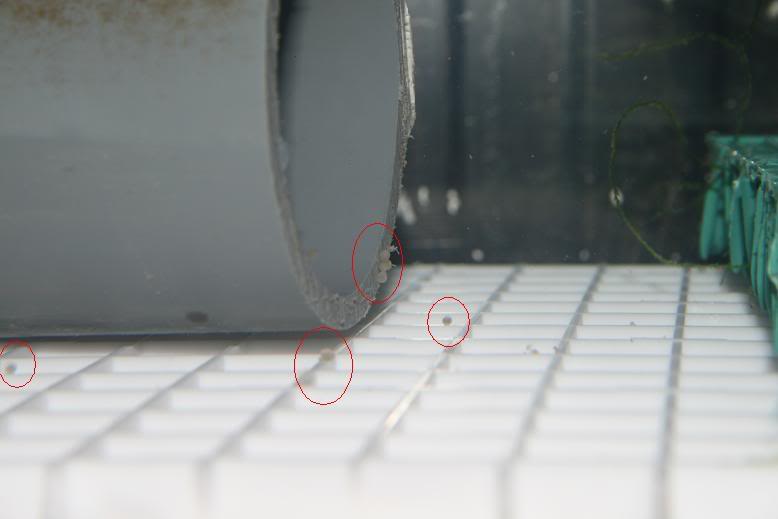
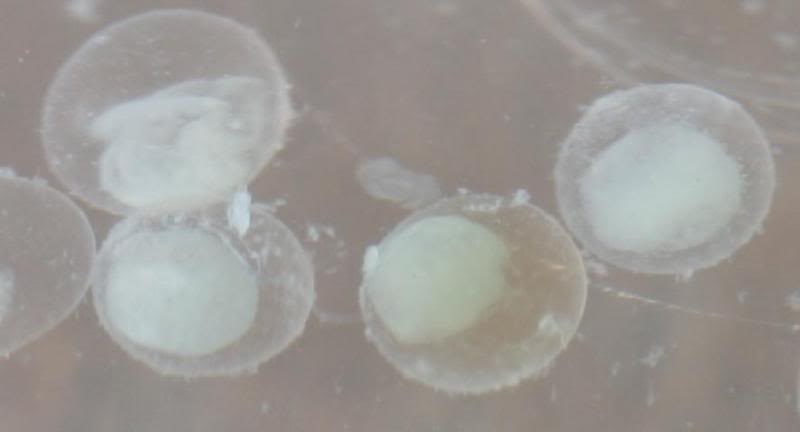
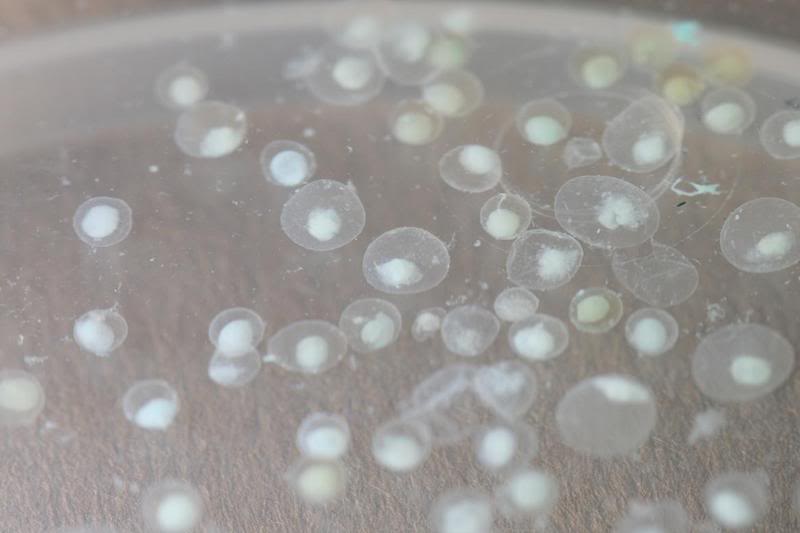
东南亚和欧洲已有商业激素繁殖,但家庭缸自然繁殖仍缺乏成功记录。一次家庭观察中,转缸后的鱼排出大量卵,最终发霉或未受精,可能与转移压力有关,不能当作成功繁殖方法。性成熟似乎可在约 120~150 mm 出现,未必需要先长到最大体型。
补充说明
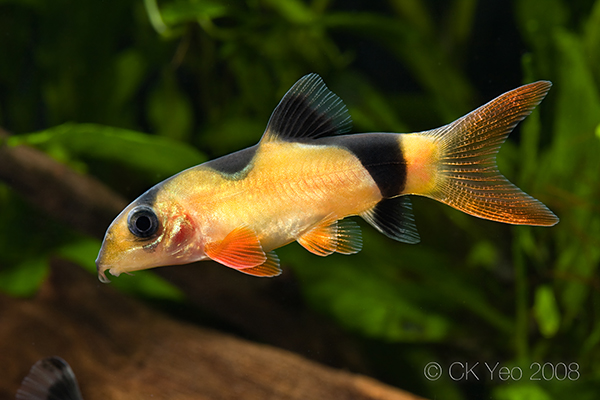
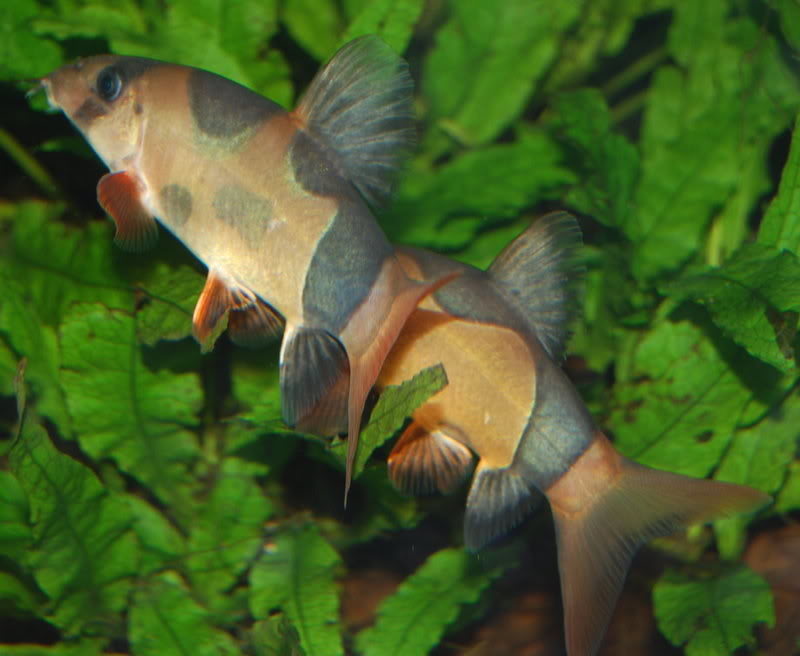
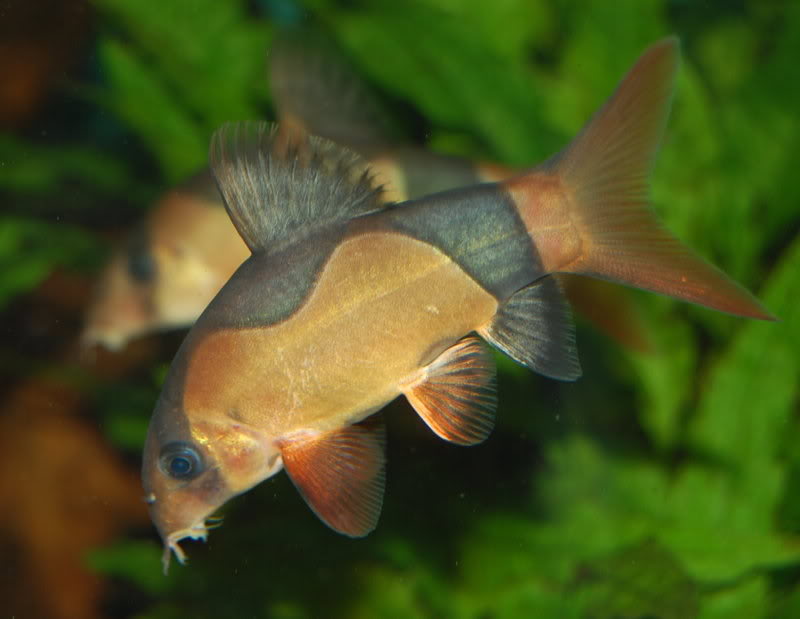
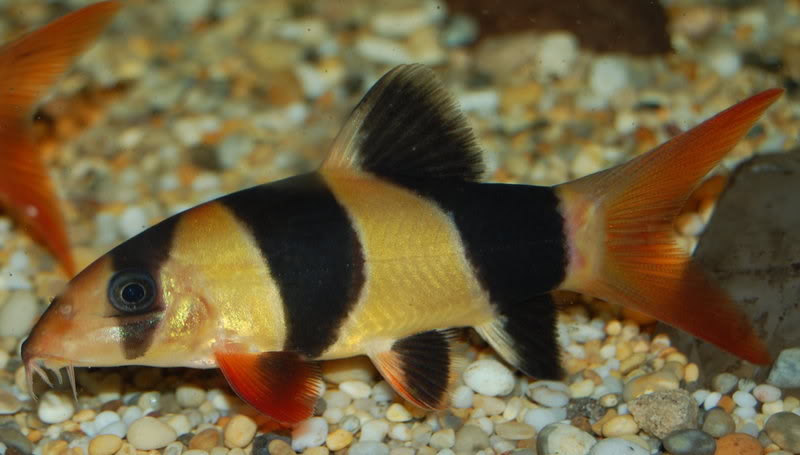
婆罗洲群体的腹鳍常含黑色,苏门答腊群体则多为均匀红色,尾柄条带位置也有区别;两岛群体是否应分为不同物种仍待研究。苏门答腊巴当哈里河已有捕捞漂流仔鱼后育成供应贸易的做法,商品鱼不一定是人工繁殖来源。
本种旧时放在沙鳅属,后来独立为 Chromobotia。沙鳅类可出现等级争斗时褪色、幼鱼贴随大鱼、发出咔哒声及全群绕缸游动。侧卧或夹在装饰间休息不一定异常。持续消瘦需关注,不能只凭外观认定病原。眼下棘在受惊时会竖起,大鱼可刺伤皮肤或缠住鱼网,转移时要小心。
图片
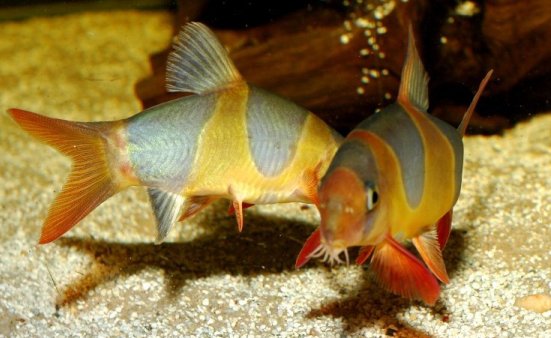
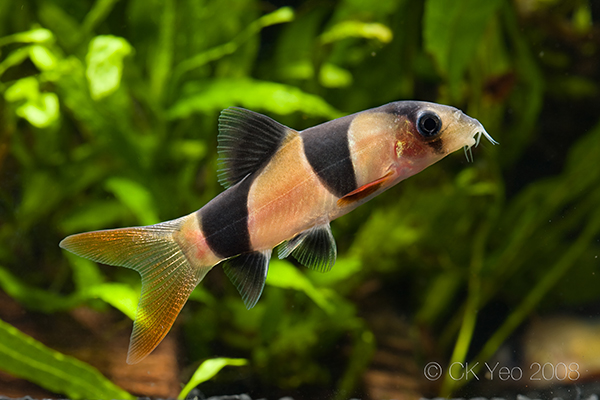
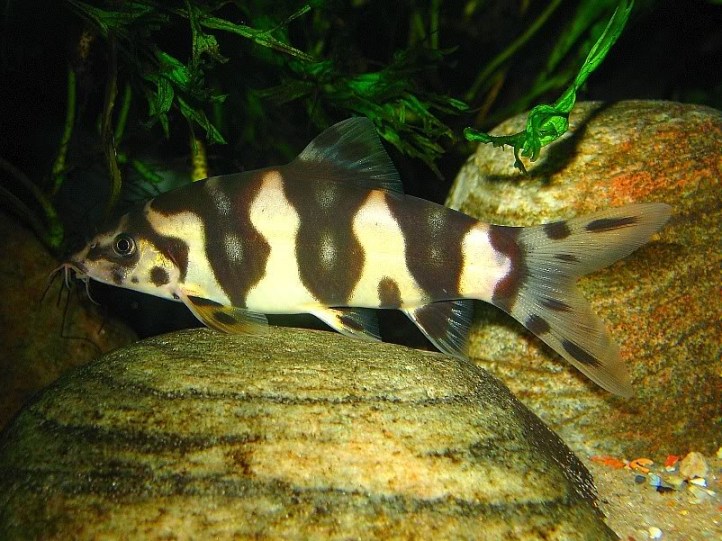
图片来自 SeriouslyFish,版权归各摄影者所有。
English
Overview
The colorful juveniles commonly sold as clown loaches become large, social fish. Keeping Chromobotia macracanthus means planning for a substantial aquarium and a long commitment: well-maintained individuals can live beyond twenty years. A juvenile's size is a poor guide to its eventual housing needs.
Distribution & habitat
Its native range is Indonesian Borneo and Sumatra. Bornean records include rivers in West, Central, and East Kalimantan, among them the Kapuas and Kayan. Sumatran populations occur in eastern and southern drainages such as the Batang Hari, Musi, and Tulang Bawang.
Adults mainly occupy larger channels, entering tributaries and flooded areas to breed during the rainy season. Young fish remain on the floodplain for months, whereas adults generally return after spawning; very old individuals may cease migrating. Conditions therefore vary with season and age. Shaded flood forests contain roots, leaves, and dense vegetation in nearly still water, while main channels can run strongly during the rains. Soft, tea-colored water is common across its native rivers.
Aquarium setup
A group needs a footprint of at least approximately 180 × 60 cm. Smaller tanks are only temporary grow-out accommodation and require several partial water changes weekly; arrange adult housing in advance.
Use sand or fine gravel, smooth rocks, and woody roots or branches to create numerous retreats. Low lighting and shade-tolerant plants offer cover. Remove sharp edges and trapping holes, and secure the lid. Maintain clean, oxygen-rich water with moderate circulation in a biologically mature system. Prevent waste accumulation and make weekly changes of roughly 30–50% part of routine care.
Diet & feeding
Natural foods include mollusks, insects, worms, and other invertebrates. Plant material is also eaten, including soft aquarium leaves. Vary quality prepared foods with live or frozen bloodworms, Tubifex, Artemia, and plant foods such as cucumber, melon, or blanched spinach. Mixed gel foods can help diversify the menu; chopped earthworms should be used sparingly.
Snails are prey, but this is not a specialist snail feeder. Pest control is no substitute for meeting its long-term needs. Established fish are bold feeders and may rise into midwater during meals.
Behaviour & compatibility
This species establishes complex social hierarchies. Keep at least five or six, preferably ten or more, with space scaled accordingly. Solitary fish may hide or attack similarly shaped companions. In pairs and trios, dominant individuals can suppress others until feeding stops.
It is not especially aggressive, but size and activity can intimidate small fishes. Avoid slow or long-finned companions because fins may be nipped. Peaceful, suitably sized open-water fishes are better candidates. Evaluate other loaches, catfishes, and bottom dwellers individually rather than assuming that sharing a swimming level makes them compatible.
Sexual dimorphism
Adult females are generally larger and fuller than males of the same age. Claims that males have a more deeply divided tail remain unproven.
Breeding
Rainy-season movements take adults from main channels into tributaries and floodplains. Eggs drift before lodging among marginal plants, and early larvae feed on microorganisms. As floodwaters fall, juveniles around 30 mm leave for smaller tributaries before eventually entering the main rivers. Whether populations in some permanent waters also migrate remains uncertain.
Commercial breeders in Southeast Asia and Europe use hormonal induction, but successful natural home breeding remains undocumented. In one private observation, transferred adults released many eggs that subsequently fungused or proved infertile, possibly following handling stress; this is not a successful breeding recipe. Maturity appears possible around 120–150 mm, without first reaching maximum adult size.
Notes
Bornean fish often have black in the pelvic fins, whereas Sumatran fish tend to have uniformly reddish fins; the position of the rear body band also differs. Whether the island populations warrant separate species status remains unresolved. Collection and grow-out of drifting larvae in Sumatra's Batang Hari means traded stock is not necessarily captive-bred.
Formerly placed in Botia, the species now occupies Chromobotia. Botiid observations include fading during social disputes, juveniles shadowing larger fish, clicking, and group circuits. Resting on the side or wedged among decorations can be normal. Persistent wasting warrants attention without assuming a specific pathogen. Erected spines below the eyes can injure hands or snag nets, especially when handling large fish.
来源
- https://www.seriouslyfish.com/species/chromobotia-macracanthus(抓取于 2026-10-10)
chromobotia-macracanthus · 文件: data/species/chromobotia-macracanthus.md · 状态: 草稿