沙漠虾虎 · Desert Goby
概要
| 字段 | 值 |
|---|---|
| 类别 | 鱼 |
| 学名 | Chlamydogobius eremius |
| 别名 | 皱鳃鰕虎鱼、靜鮈鰕虎魚、皺鰓鰕虎魚、Gobius eremius、静鮈鰕虎鱼 |
| 分类 | 虾虎鱼目 Gobiiformes › 虾虎鱼科 Gobiidae › Chlamydogobius |
| 水体 | 淡水 |
| 原产地 | 澳大利亚南澳州艾尔湖流域 |
| 成体体长 | 6 cm |
| 饲养难度 | 中等 |
| 最小水体 | 41 L |
| 最小缸长 | 45 cm |
| 群居方式 | 群游 |
| 水流偏好 | 低 |
| 外部数据 | seriouslyfish chlamydogobius-eremius;fishbase 22773 |
| 食性 | 杂食 |
| 领地性 | 是 |
| 繁殖方式 | 附着产卵 |
水质参数
| 参数 | 耐受范围 | 最适范围 | 单位 |
|---|---|---|---|
| 水温 | 20–28 | — | °C |
| pH | 7–8.5 | — | — |
| 总硬度 | 5–20 | — | dGH |
概述
沙漠虾虎(Chlamydogobius eremius)来自澳大利亚干旱地区的泉水与临时水潭。雄鱼颜色丰富,却会随压力和社会地位明显变化;繁殖时攻击性可很强,饲养重点是充足洞穴、谨慎安排同缸个体,而不是把耐受力当作粗放管理的理由。
分布与栖息地
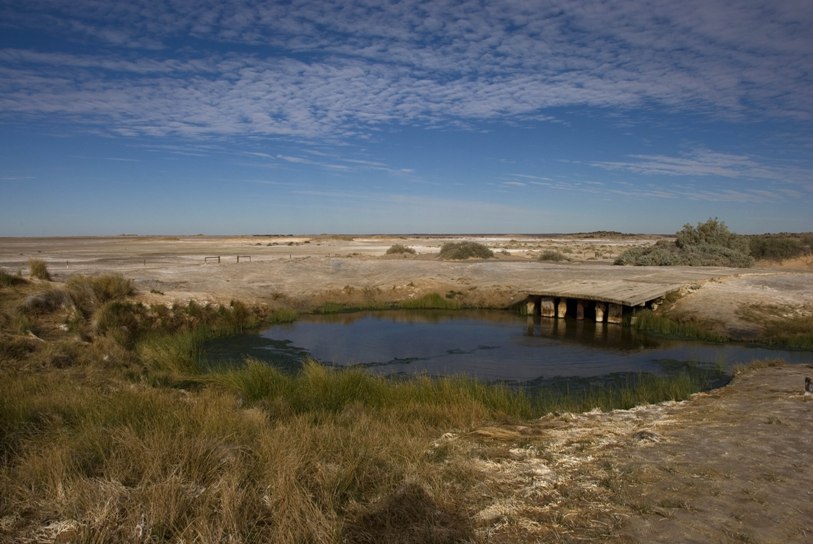
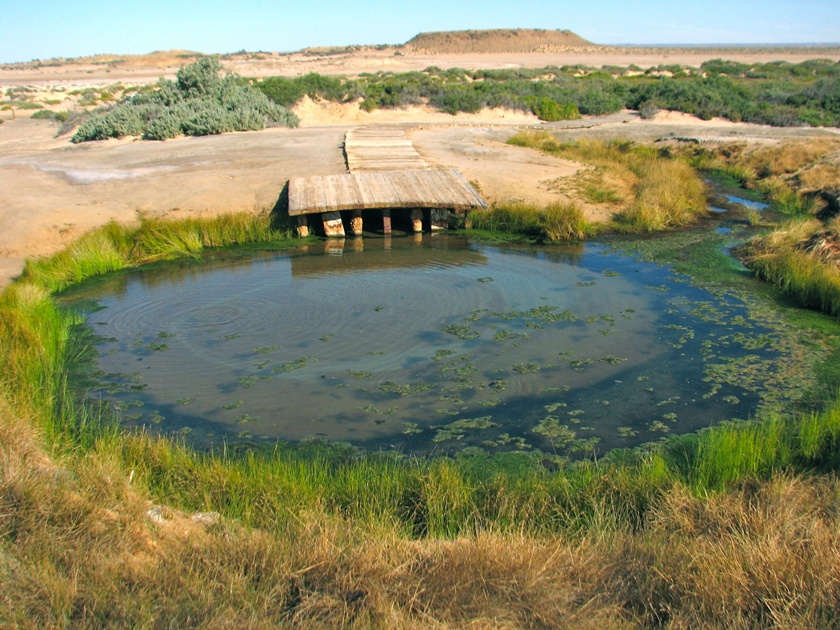
特有于南澳州艾尔湖流域南部和西部,但并不生活在盐湖本体中。它利用孤立淡水泉、自流井出水及季节性水潭,常依附石块、藻类和岸边植物等遮蔽物活动。
自然环境波动很大,它能承受广泛的温度、盐度和溶氧变化。缺氧时可借口腔保留的气泡辅助呼吸,但不是两栖鱼,也不应因此忽视水体管理。
饲养环境
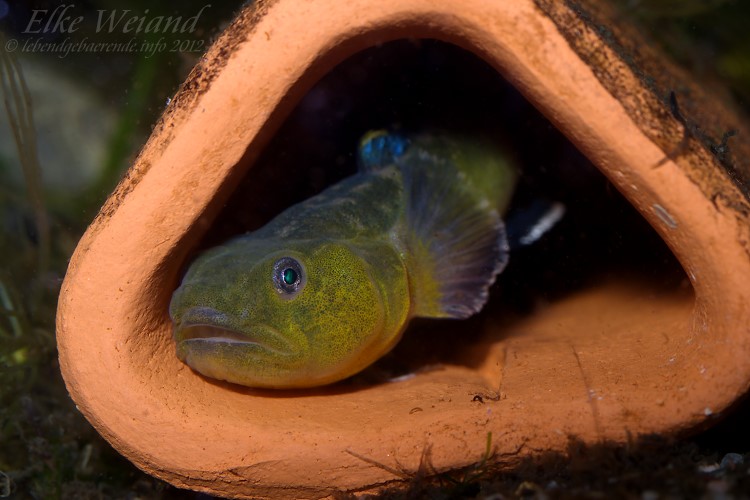
小群所需底面积从约 45 × 30 cm 起步,细砂或细砾均可,石块、陶管和小花盆搭成多个洞缝。过滤不要太强,保留适度流动即可。水不宜太软或偏酸,软水地区可用珊瑚砂帮助维持缓冲。
在合适硬度和酸碱度下,纯淡水也能生活和繁殖,不必为了“沙漠”或“虾虎”标签而统一加盐。
食性与喂食
属于机会性杂食,通常接受多种干饲料,也应提供丰年虾、水蚤、红虫等活饵或冷冻小型无脊椎动物,并定期加入植物性食物。食欲旺盛,应控制投喂量,避免过饱。
习性与混养
以单种环境较妥当;若混养,选择体形强健但性情温和、主要活动于上层且水质需求相近的鱼。繁殖雄鱼可能攻击甚至杀死同类,小缸尤其要密切观察,确保弱势和未繁殖个体能藏身。
雌雄区分
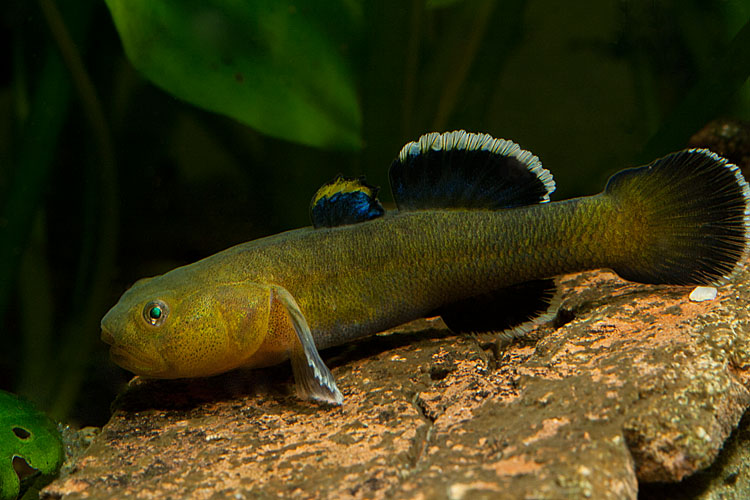
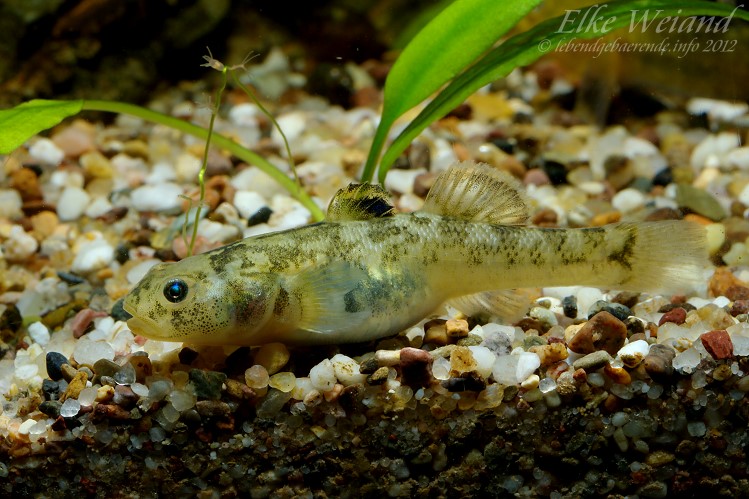
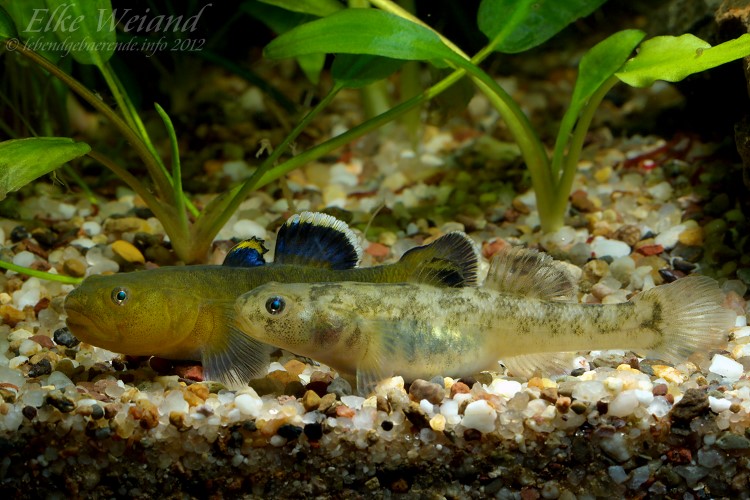
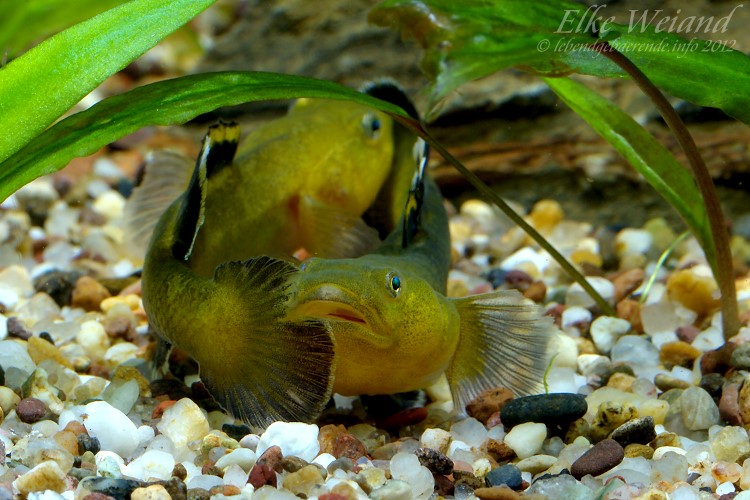
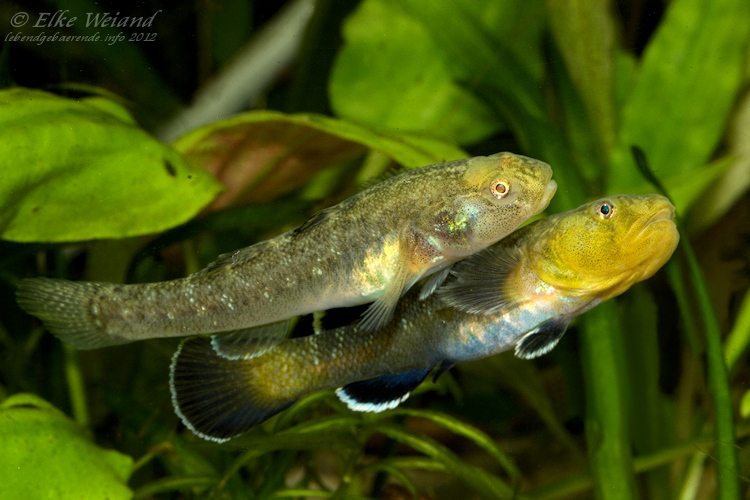
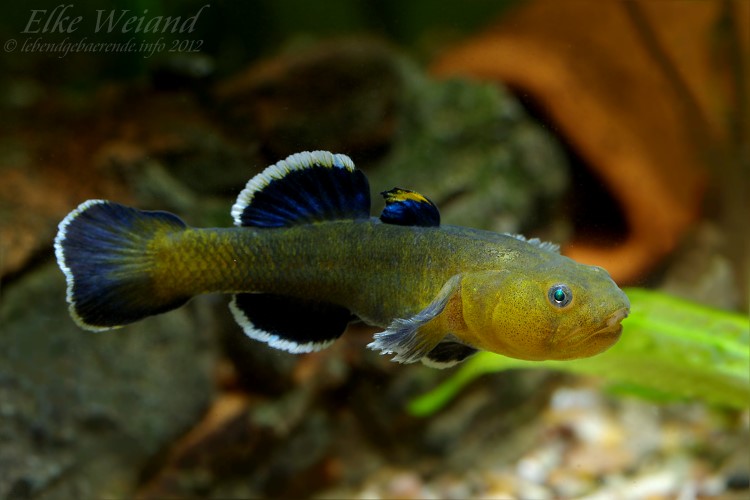
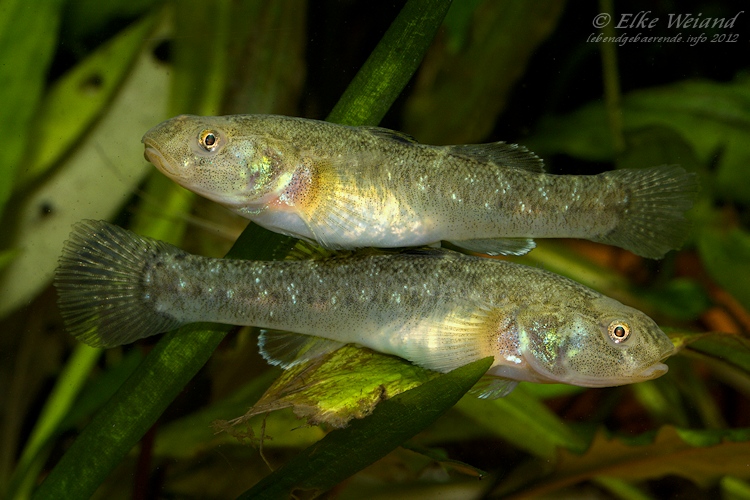
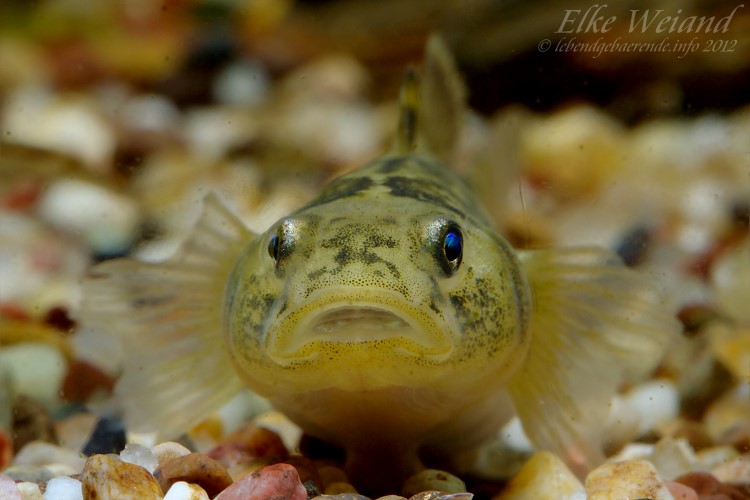
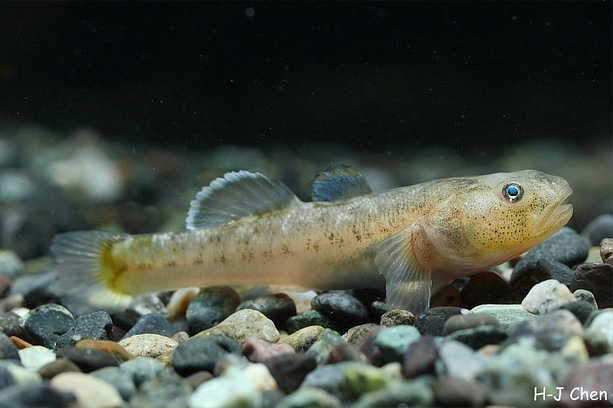
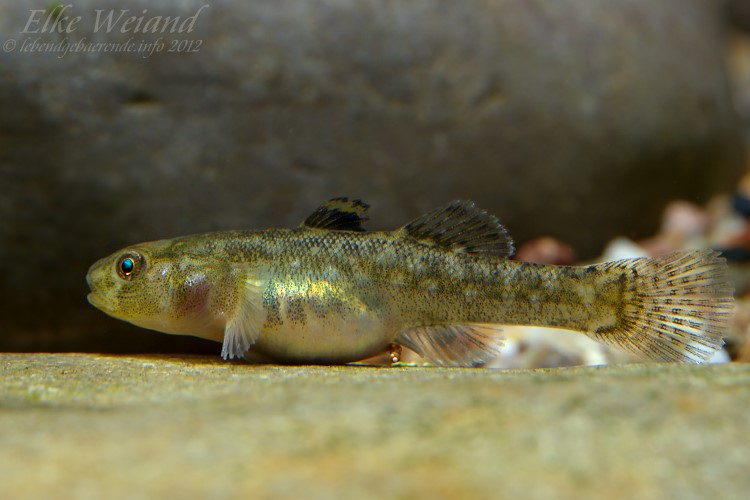
成熟雄鱼颌部较大,身体黄至褐色,各鳍带蓝、黑、白色。新入缸或受到强势鱼压制时,雄鱼可能变得像雌鱼。生殖突可辅助判断:雄鱼通常更细长,雌鱼较短粗。
繁殖
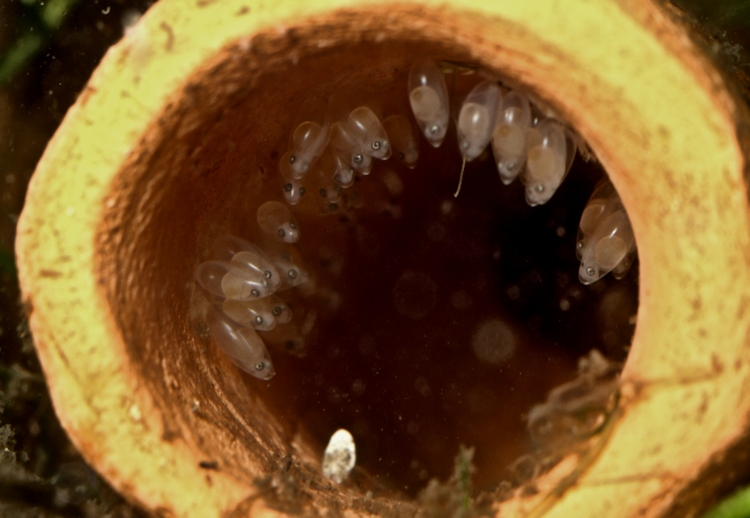
雄鱼占据洞穴,以抖动身体和展开背鳍、臀鳍吸引雌鱼。雌鱼把卵产在洞顶后被驱离,此时应移出雌鱼以免受伤,由雄鱼留守护卵。
孵化通常需十至十七天,随温度而变。孵化后应移走雄鱼,避免其捕食幼鱼。幼鱼直接落底,没有漂游幼体阶段,开口即可吃丰年虾无节幼体或相近大小活饵。缸内可以全年繁殖,独立繁殖环境通常比成鱼混住更容易保住幼鱼。
补充说明
交易中的“金色”名称似乎仍指自然体色,并不一定代表独立人工品系。
图片
图片来自 SeriouslyFish,版权归各摄影者所有。
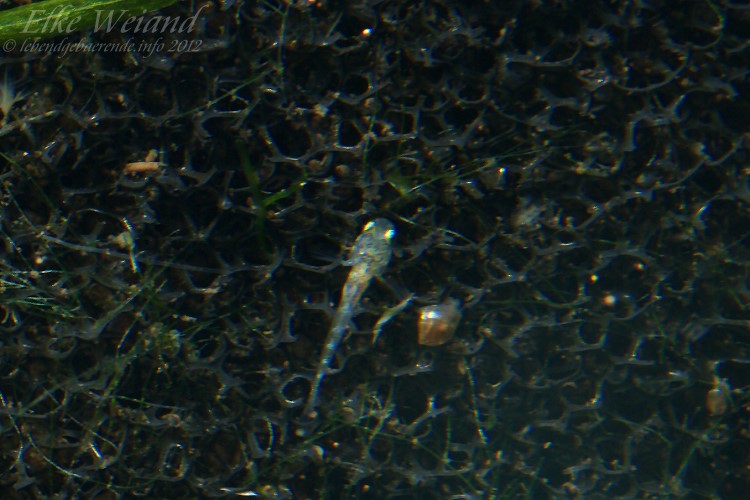
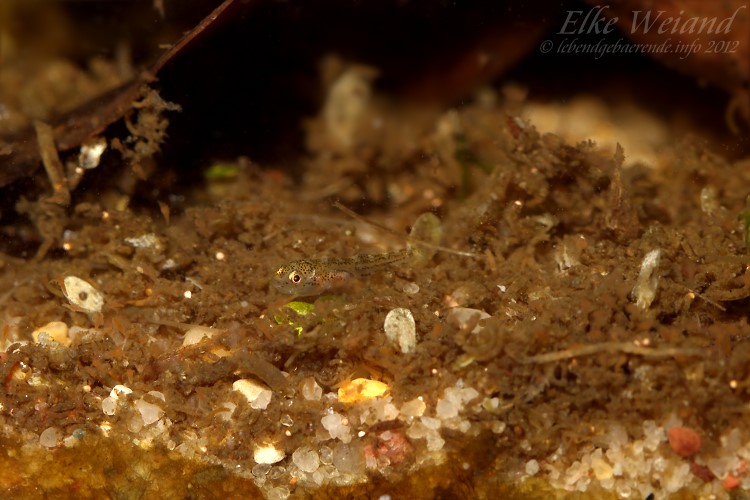
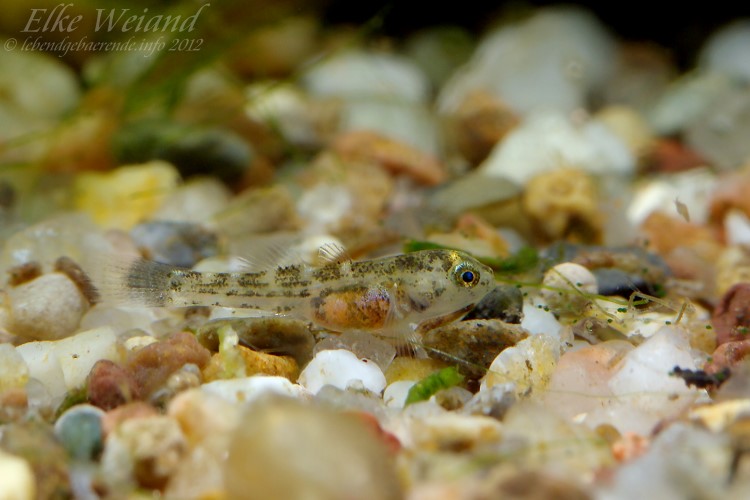
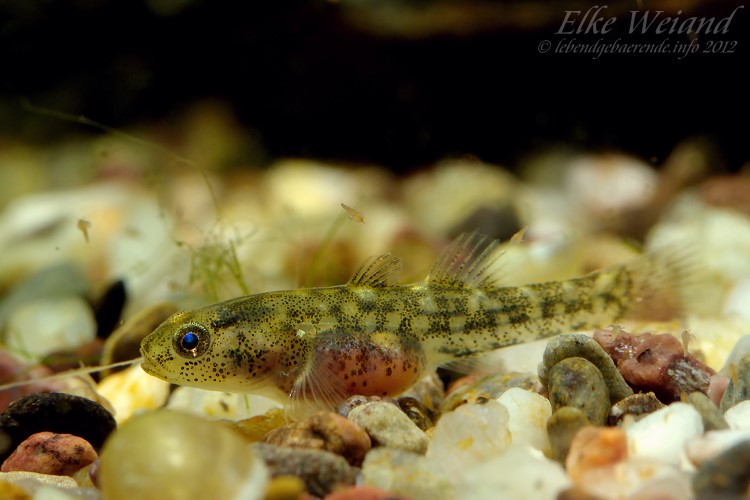
English
Overview
Desert gobies (Chlamydogobius eremius) come from springs and temporary waters in arid Australia. Males can be vividly colored, but appearance changes with stress and social status. Spawning males may be dangerous to companions, so shelter and careful management matter despite the species' environmental tolerance.
Distribution & habitat
The species is endemic to southern and western parts of the Lake Eyre basin in South Australia, but does not live in the salt lake itself. It occupies isolated freshwater springs, artesian outflows, and temporary waterholes, using rocks, algae, and marginal vegetation as cover.
Natural conditions fluctuate widely. It tolerates substantial environmental variation and can use a bubble retained in the mouth to assist breathing in low oxygen. It is not amphibious, and this ability should not replace good water management.
Aquarium setup
A small group requires a footprint of at least about 45 × 30 cm. Sand or fine gravel, rocks, ceramic tubes, and pots should form numerous caves and crevices. Keep filtration moderate while retaining some circulation. Avoid overly soft or acidic water; coral material can help buffer a soft supply.
It can live and breed in freshwater of suitable hardness and pH, so salt is not automatically required.
Diet & feeding
An opportunistic omnivore, it accepts many dry foods. Supplement these with small live or frozen invertebrates such as brine shrimp, water fleas, and bloodworms, and regularly offer plant-based foods. Its strong appetite makes overfeeding a risk.
Behaviour & compatibility
A dedicated aquarium is safest. Any companions should be robust but peaceful upper-water fishes with matching environmental needs. Breeding males may injure or kill other gobies, particularly in small tanks. Provide enough retreats for subordinate and nonbreeding individuals and monitor interactions closely.
Sexual dimorphism
Males have larger jaws and a yellowish to brown body with blue, black, and white fin markings. Newly introduced or suppressed males may resemble females. The genital papilla is longer and slimmer in males, providing another way to assess sex.
Breeding
A male claims a cavity and courts by jerking his body and spreading the dorsal and anal fins. A receptive female lays eggs on the roof and is then driven out. Remove her for safety while leaving the male to guard the clutch.
Hatching normally takes ten to seventeen days, depending partly on temperature. Remove the male afterward because he may eat the young. Fry settle directly onto the bottom without a pelagic stage and can take brine shrimp nauplii immediately. Aquarium breeding can occur throughout the year, with a separate setup generally improving survival.
Notes
Gold trade labels appear to refer to the natural form rather than necessarily indicating a distinct selectively bred strain.
来源
- https://www.seriouslyfish.com/species/chlamydogobius-eremius(抓取于 2026-10-10)
chlamydogobius-eremius · 文件: data/species/chlamydogobius-eremius.md · 状态: 草稿