大眼铠甲弓背鱼 · Giant Featherback
概要
| 字段 | 值 |
|---|---|
| 类别 | 鱼 |
| 学名 | Chitala lopis |
| 别名 | 大眼鎧甲弓背魚、Belida、Ikan Belida、Notopterus lopies、Notopterus lopis |
| 分类 | 骨舌鱼目 Osteoglossiformes › 弓背鱼科 Notopteridae › Chitala |
| 水体 | 淡水 |
| 原产地 | 柬埔寨、印度尼西亚、老挝、马来西亚、泰国;详细范围仍待确认 |
| 成体体长 | 150 cm |
| 饲养难度 | 中等 |
| 群居方式 | 群游 |
| 外部数据 | seriouslyfish chitala-lopis;fishbase 8765 |
| 食性 | 肉食 |
| 特征 | 夜行性: 是;吃小鱼: 是;吃虾: 是 |
水质参数
| 参数 | 耐受范围 | 最适范围 | 单位 |
|---|---|---|---|
| 水温 | 22–28 | — | °C |
| pH | 6–8 | — | — |
| 总硬度 | 2–15 | — | dGH |
概述
大眼铠甲弓背鱼(Chitala lopis)成年体形极大,通常只适合公共水族馆或极大型专门设施。其广泛分布可能混合了数种相近鱼,识别与来源都需要谨慎,不能把幼鱼当成一般家用缸鱼购买。
分布与栖息地
传统记录包括湄公河、泰国湄南河和湄克隆河,以及马来半岛、苏门答腊、婆罗洲和爪哇,但这整个范围仍需确认。
主要见于大河下游流域和林地支流,底床由岩石、淹没木头等复杂结构组成,也有人工水坝水域的记录。
饲养环境
长期维持需要高度专门化的大型系统。照明宜暗,大型沉木、岩石或宽管提供躲藏处,同时保留与成年体形相称的空间。
容量很大且成熟的过滤、富氧水和适当流动不可少,每周部分换水约 50%–70%。不能用幼鱼阶段暂时能放进缸的事实,代替成年设施规划。
食性与喂食
本种属于主要夜间活动的肉食捕食鱼,自然摄食较小鱼类、甲壳类及其他无脊椎动物。多数可接受非活饵,幼鱼可用红虫、小蚯蚓及碎虾,成鱼则可用鱼肉条、整虾、贝肉、较大蚯蚓,也会吃活河虾。
干颗粒可作为搭配而不宜成为唯一主食。牛心、鸡肉等陆生动物肉不宜常喂;使用活饵鱼还可能引入病原及寄生虫,营养也未必合适。
习性与混养
同属的混养经验是对大到不能吞的鱼通常较温和,但可能对同种及相似体形的鱼争夺地盘,空间紧张时更明显。这只能作为本种安排缸友的谨慎参考,不能承诺大型鱼放在一起就安全。
小鱼和虾会落入其自然捕食范围,不适合同养。
补充说明
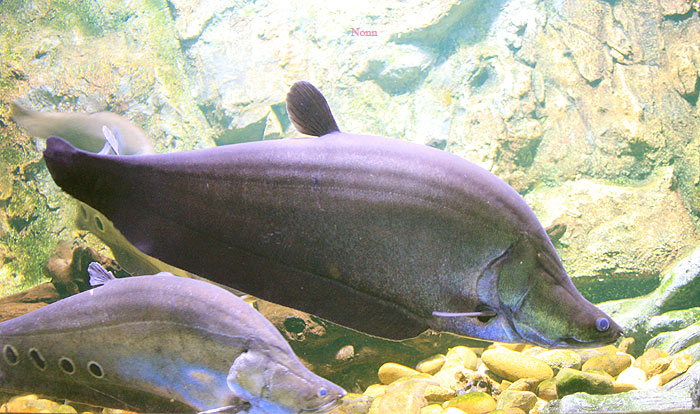
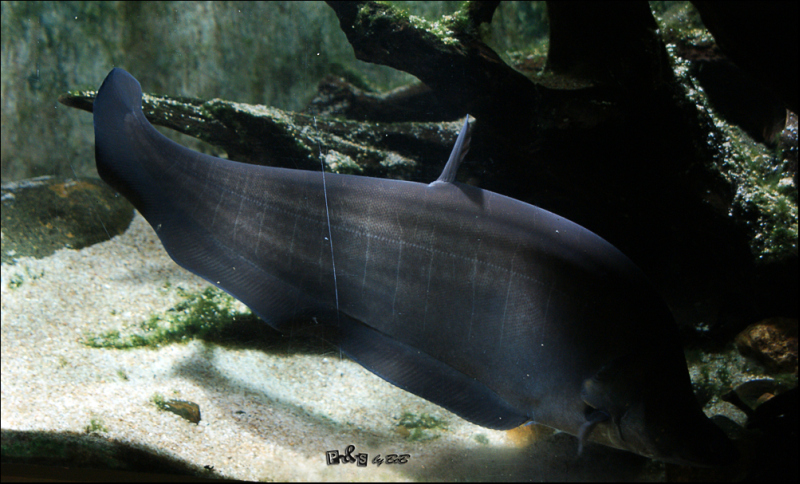
较大幼鱼及成鱼通常缺少其他同属那样的暗色体纹,下颌轮廓也更突出。爪哇种群曾被怀疑已经消失,整体分类和分布仍有待厘清,不能把这些疑问改写成确定灭绝或确定的新物种划分。
该科臀鳍与尾鳍连成较长的波动鳍缘,并有呼吸空气的能力,仍不意味着可以降低富氧水和维护要求。
图片
图片来自 SeriouslyFish,版权归各摄影者所有。
English
Overview
The exceptional adult size of Chitala lopis limits it to public aquariums or the largest specialist facilities. Its traditionally broad range may include several related forms, making identity and provenance uncertain. A juvenile should not be purchased on the assumption that it will remain manageable in an ordinary home tank.
Distribution & habitat
Traditional records cover the Mekong, Chao Phraya, and Mae Klong drainages, Peninsular Malaysia, Sumatra, Borneo, and Java. That complete range requires confirmation.
It is associated primarily with lower river basins and forested tributaries containing complex rock and submerged-wood structure. Some records also come from artificial impoundments.
Aquarium setup
Long-term care requires exceptionally large dedicated accommodation. Keep lighting subdued and provide substantial retreats using wood, rocks, or wide pipes, without compromising maneuvering space.
Very large mature filtration, highly oxygenated water, and some current are necessary. Weekly partial changes of approximately 50–70% underline the maintenance commitment. Temporary juvenile accommodation is not a substitute for planning the adult installation.
Diet & feeding
This primarily nocturnal carnivorous predator takes smaller fishes, crustaceans, and other invertebrates. Most accept nonliving alternatives. Juveniles can receive bloodworms, small earthworms, and chopped prawn; adults take fish strips, whole shrimp, mussel, and larger worms. Live river shrimp are also accepted.
Pellets may supplement the diet but should not be its sole foundation. Beef heart, chicken, and similar terrestrial meats are unsuitable routine foods. Feeder fish may introduce pathogens or parasites without necessarily providing appropriate nutrition.
Behaviour & compatibility
Experience with the genus suggests relative tolerance of fishes too large to swallow, alongside possible territorial disputes with conspecifics and similarly shaped species, especially in restricted space. This is a cautious framework for companion selection, not a guarantee that large fishes can safely share accommodation.
Small fishes and shrimp fall within its prey spectrum and are unsuitable companions.
Notes
Older juveniles and adults generally lack the dark body markings seen in related featherbacks and have a more pronounced jaw. Disappearance from Java has been suspected, while the broader identity and range remain unresolved. These uncertainties should not be converted into a confirmed extinction statement or settled taxonomic split.
Members of the family have a long combined anal and caudal fin and can breathe air. Neither feature reduces the requirement for clean, oxygen-rich aquarium water.
来源
- https://www.seriouslyfish.com/species/chitala-lopis(抓取于 2026-10-10)
chitala-lopis · 文件: data/species/chitala-lopis.md · 状态: 草稿