冰火雷龙
概要
| 字段 | 值 |
|---|---|
| 类别 | 鱼 |
| 学名 | Channa sp. 'fire and ice' |
| 分类 | 攀鲈目 Anabantiformes › 鳢科 Channidae › Channa |
| 水体 | 淡水 |
| 原产地 | 缅甸、泰国 |
| 成体体长 | 15 cm |
| 饲养难度 | 中等 |
| 最小水体 | 108 L |
| 最小缸长 | 120 cm |
| 群居方式 | 成对 |
| 特征 | 会跳缸: 是;吃小鱼: 是;吃虾: 是 |
| 外部数据 | seriouslyfish channa-sp-fire-and-ice |
| 食性 | 肉食 |
| 繁殖方式 | 口孵 |
| 性情 | 攻击性 |
| 别名 | Channa sp. 'fire and ice' |
水质参数
| 参数 | 耐受范围 | 最适范围 | 单位 |
|---|---|---|---|
| 水温 | 22–28 | — | °C |
| pH | 6–7.5 | — | — |
| 总硬度 | 2–15 | — | dGH |
概述
冰火雷龙(Channa sp. 'fire and ice')以头部鲜红与蓝色相衬得名,是尚未确定正式种名的鳢类。幼鱼可以一起养,但成熟后同种攻击性很强;它虽能在缸内繁殖,配对管理仍不能掉以轻心。
分布与栖息地
据称采自缅甸与泰国西部交界,可能对应萨尔温江支流,但确切采集点和流域归属尚未确认。保留贸易来源与种群信息,避免仅凭名称把它归入某条具体河流。
饲养环境
一对建议至少约 120 × 30 cm 底面积,群体需要更大空间,水深不低于 30 cm。用较暗照明,水草、根枝、陶管或花盆形成遮阴缝隙及藏身点。浮水植物能增加安全感,使鱼较愿意在外活动。
缸盖要贴合防逃,同时在水面与盖子间留下湿润空气层。鳢类会到水面吸取空气,浮水植物和防逃结构都不应阻断上浮通路。
食性与喂食
它是专性捕食者,野外主要吃较小鱼类与昆虫。大多个体能转食非活体饵料,幼鱼可喂红虫、小蚯蚓、碎虾;成鱼轮换鱼肉条、整虾、贝肉、活河虾和较大蚯蚓。某些个体会吃干粮,但干粮不宜成为主食。
不喂牛心、鸡肉等禽畜肉,也不必依赖普通活饲料鱼,以免引入病原和寄生虫。小鱼及虾类都在可捕食范围内,不能当作安全的长期伴养对象。
习性与混养
适合专养缸。幼鱼可共同生活,性成熟后通常开始对彼此表现出强烈攻击。形成一对后,双方一般较平和,却会排斥其他同种;因此配成一对后仍将其他个体留在原缸并不稳妥。
繁殖
雄鱼口孵,已有缸内繁殖记录。不能只因配对暂时和睦就忽略同种冲突,也不宜直接套用其他雷龙的孵化天数或育苗流程。
补充说明
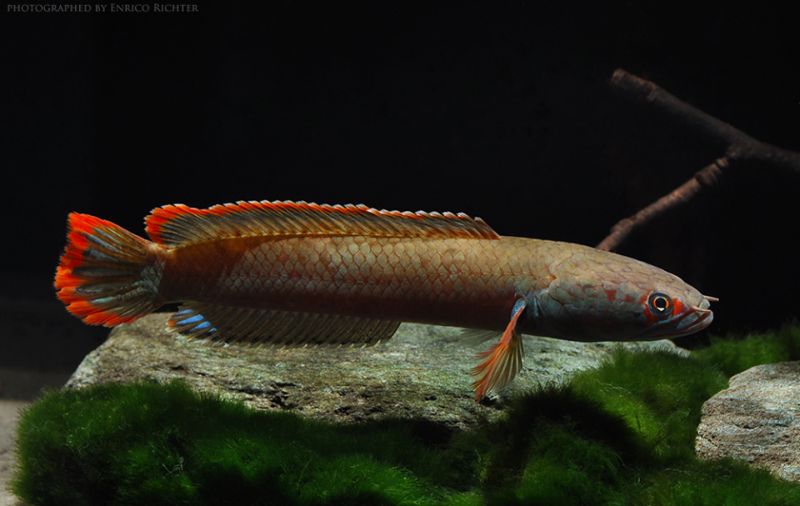
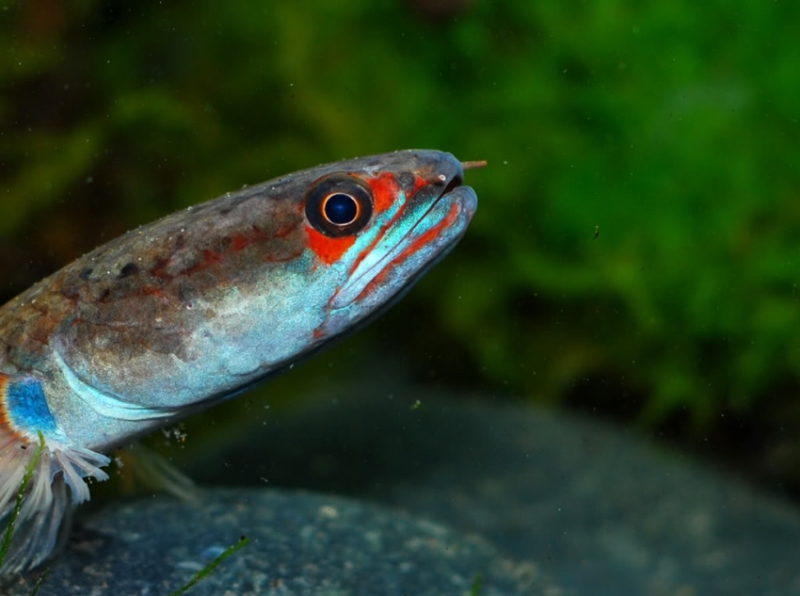
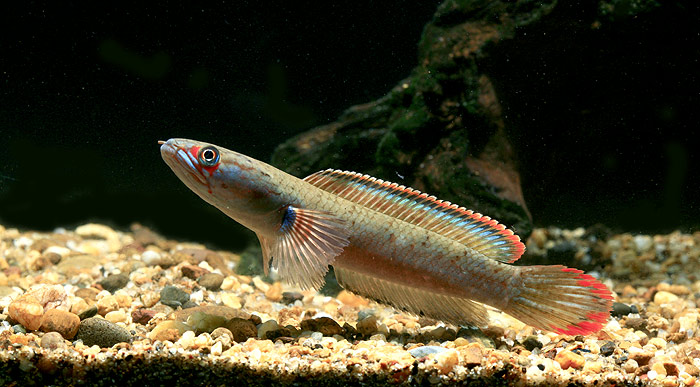
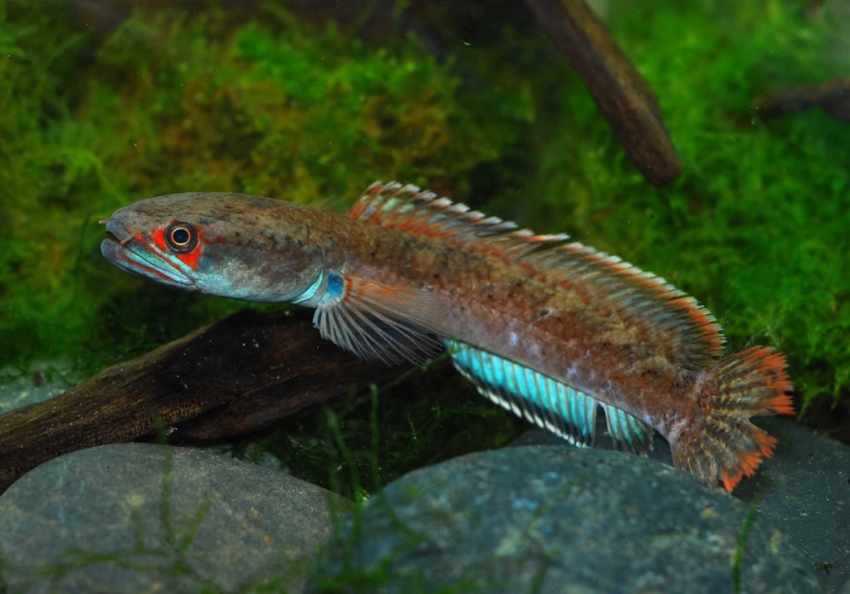
眼周及嘴侧的鲜红色块、尾鳍宽红边是辨认线索。它还曾以 cherry 或 cf. burmanicus fire red 名义出售,但后一个标签也被用于其他缅甸未定种,尤其与 red fin 一类名称混杂,不能据此认定它就是 Channa burmanica。
图片
图片来自 SeriouslyFish,版权归各摄影者所有。
English
Overview
Channa sp. 'fire and ice' is an unidentified snakehead named for contrasting red and blue on the head. Juveniles can coexist, but strong conspecific aggression develops with maturity. Captive breeding is documented, yet pair management still requires care.
Distribution & habitat
It reportedly comes from the Myanmar–western Thailand border region, possibly in Salween tributaries. The precise locality and drainage remain unconfirmed. Preserve shipment and population information rather than assigning a particular river from the trade name alone.
Aquarium setup
Allow at least about 120 × 30 cm for a pair and more space for a group, with water no shallower than 30 cm. Under dim lighting, arrange plants, roots, terracotta pipes, or pots into shaded crevices and refuges. Floating vegetation adds security and may encourage fish to remain visible.
Fit a closely secured lid while retaining humid air above the water. Snakeheads rise to breathe, so neither floating plants nor escape barriers should prevent access to the surface.
Diet & feeding
This obligate predator mainly takes smaller fish and insects in nature. Most specimens adapt to nonliving foods. Feed juveniles bloodworms, small earthworms, and chopped shrimp; adults accept varied fish strips, whole shrimp, mussels, live river shrimp, and larger earthworms. Some take dry foods, but these should not become the staple.
Avoid beef heart, chicken, and other mammalian or bird meat. Routine feeder fish are unnecessary and may bring parasites or pathogens. Small fish and shrimp are potential prey rather than dependable permanent companions.
Behaviour & compatibility
A dedicated aquarium is preferable. Young fish can be housed together, but they usually become highly aggressive toward one another at sexual maturity. A formed pair generally coexists peacefully while excluding other conspecifics, so leaving surplus individuals with a pair is unwise.
Breeding
Males mouthbrood, and aquarium reproduction has occurred. Temporary pair harmony does not remove conspecific conflict concerns. Incubation times and fry-rearing methods from other snakeheads should not be assumed to apply directly.
Notes
Vivid red patches around the eye and mouth and a broad reddish tail margin help recognition. The fish has also been sold as cherry and cf. burmanicus fire red. The latter label has been applied to other unidentified Myanmar fishes, including forms called red fin, and does not establish identity as Channa burmanica.
来源
- https://www.seriouslyfish.com/species/channa-sp-fire-and-ice(抓取于 2026-10-10)
channa-sp-fire-and-ice · 文件: data/species/channa-sp-fire-and-ice.md · 状态: 草稿