侧眼鳢 · Ocellated Snakehead
概要
| 字段 | 值 |
|---|---|
| 类别 | 鱼 |
| 学名 | Channa pleurophthalma |
| 别名 | 側眼鱧、Ophicephalus pleurophthalmus、Ophicephalus urophthalmus、Channa pleuropthalma |
| 分类 | 攀鲈目 Anabantiformes › 鳢科 Channidae › Channa |
| 水体 | 淡水 |
| 原产地 | 印度尼西亚 |
| 成体体长 | 35 cm |
| 饲养难度 | 中等 |
| 最小水体 | 864 L |
| 最小缸长 | 240 cm |
| 群居方式 | 群游 |
| 特征 | 会跳缸: 是;吃小鱼: 是 |
| 外部数据 | seriouslyfish channa-pleurophthalma;fishbase 14699 |
| 食性 | 肉食 |
水质参数
| 参数 | 耐受范围 | 最适范围 | 单位 |
|---|---|---|---|
| 水温 | 22–28 | — | °C |
| pH | 6–7.5 | — | — |
| 总硬度 | 2–12 | — | dGH |
概述
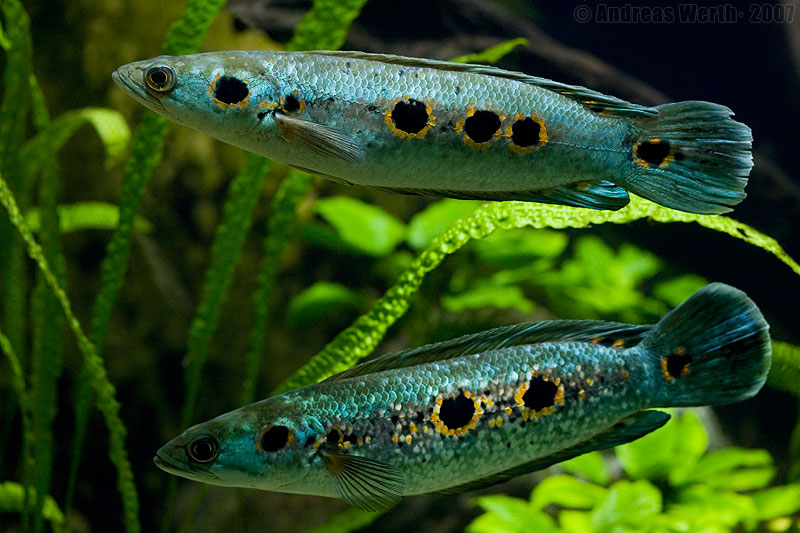
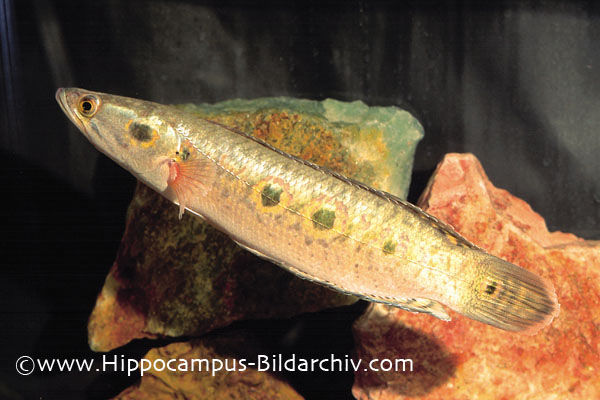
侧眼鳢(Channa pleurophthalma)是少数终生都有群居习性的鳢类之一,侧面的眼状斑纹很醒目。它主要利用开阔水体,需要大量游泳空间;群居并不代表对其他鱼安全,结群后反而可能更大胆地攻击缸友。
分布与栖息地
原产印度尼西亚苏门答腊东南部,以及婆罗洲加里曼丹的卡普阿斯河和巴里托河流域,有溪流和红树林环境记录。
饲养环境
应提供宽阔的开水面与游泳区域,水面可局部用浮水植物、垂覆植被或枝条遮蔽。布置不能挤占主要活动空间。
缸盖要严密,水面上留出湿润空气层供呼吸。幼鱼对换水较敏感,操作时尤其需要注意水体变化,不能把“敏感”理解为长期不管理水质。
食性与喂食
是专性捕食者,野外具体食物可能包括小鱼、两栖动物和陆生昆虫。缸内多数能接受非活体动物饵,幼鱼可喂红虫、小蚯蚓及碎虾,成鱼可搭配鱼肉、整虾、贻贝。干粮即使被接受也不应作主食。
活饵鱼不是必需,可能带入寄生虫或疾病。牛心、鸡肉等陆生肉类不宜日常投喂。
习性与混养
尽管终生可形成群体,仍以单种饲养为宜。平时可能胆小警惕,但同种成群后会变得更大胆,可能攻击其他鱼。足够小的缸友会受伤或被吞食,不能因它常躲避人就推定混养温和。
雌雄区分
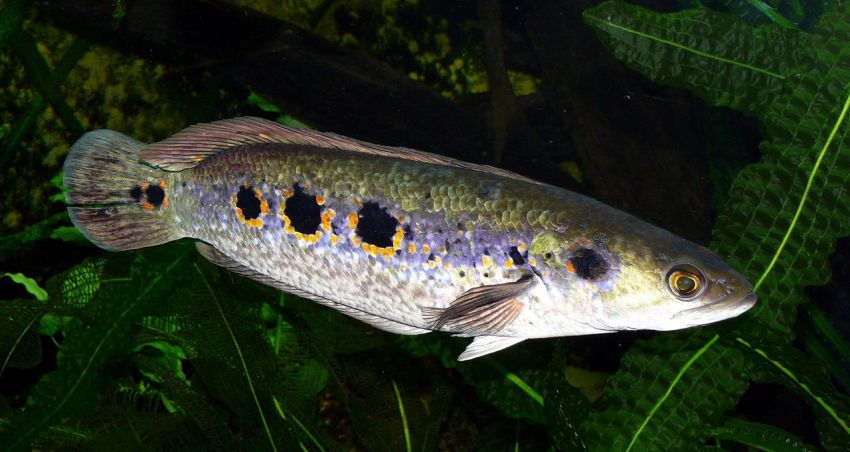
成熟雄鱼较修长,颜色倾向偏蓝;雌鱼较丰满,颜色倾向偏绿。这是成年鱼的观察线索,不适合单凭幼鱼颜色定性别。
繁殖
野外通常在开阔河流中聚集,繁殖期临时配对,离群到岸边植被间产卵,之后返回群体。不护幼只是推测,不能作为已经确认的结论;缸内繁殖流程也尚不明确。
图片
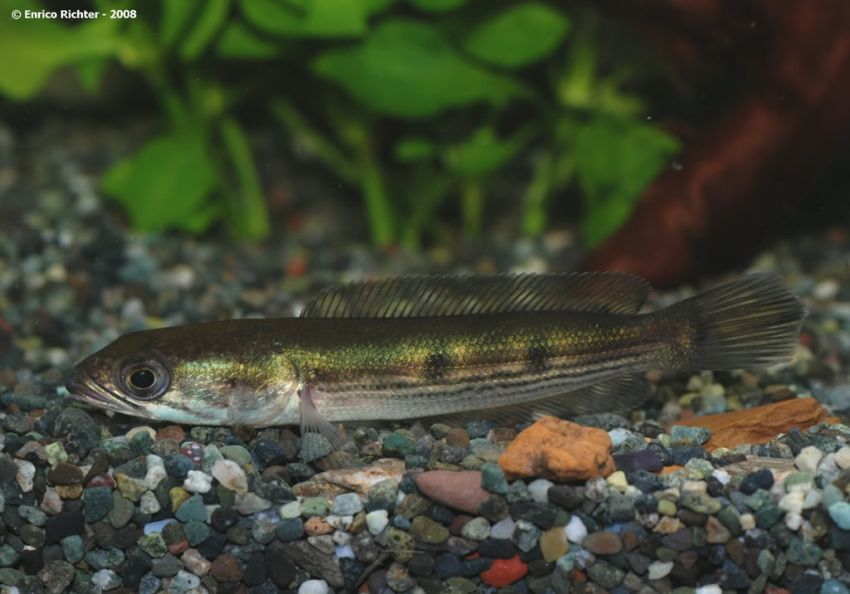
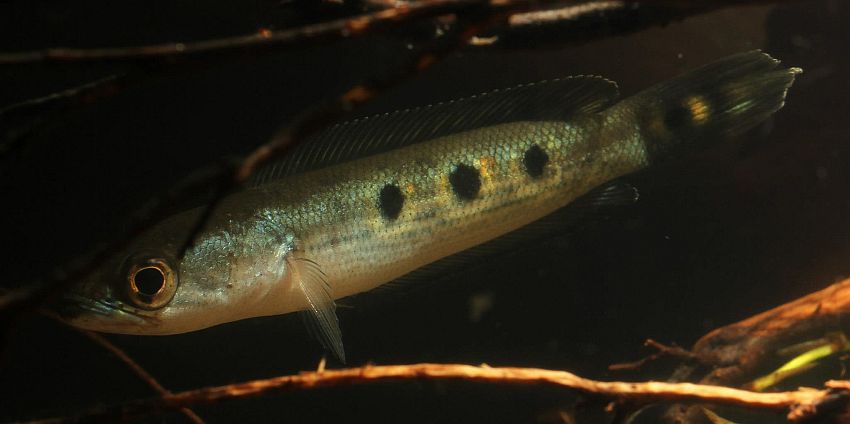
图片来自 SeriouslyFish,版权归各摄影者所有。
English
Overview
One of the few snakeheads known to aggregate throughout life, Channa pleurophthalma has conspicuous flank eyespots and needs extensive open swimming room. Group living does not make it safe with other fishes: conspecific company may increase boldness and attacks on tankmates.
Distribution & habitat
It is native to southeastern Sumatra and the Kapuas and Barito basins of Indonesian Borneo. Habitat records include streams and mangroves.
Aquarium setup
Preserve a broad open area for swimming. Floating plants, overhanging vegetation, or branches can provide partial surface shade without filling the main activity space.
Use a secure lid and leave accessible humid air above the water. Young fish are described as particularly sensitive to water changes; this warrants care around changing conditions rather than interpreting sensitivity as a reason to abandon water-quality management.
Diet & feeding
It is an obligate predator, with smaller fishes, amphibians, and terrestrial insects proposed as natural prey. Most fish adapt to nonliving animal foods. Bloodworms, small earthworms, and chopped shrimp suit juveniles; adults accept fish flesh, whole shrimp, and mussels. Dry foods should not be the staple even when accepted.
Feeder fish are unnecessary and can carry parasites or disease. Avoid using terrestrial meats such as beef heart or chicken as routine foods.
Behaviour & compatibility
Dedicated housing remains preferable despite lifelong aggregation. Fish may initially be shy and wary, yet become bolder and attempt to attack companions when kept with conspecifics. Small tankmates can be injured or eaten. Wariness around people does not establish peaceful community behavior.
Sexual dimorphism
Mature males are slimmer and tend toward blue coloration; females tend toward green and a fuller build. These are adult tendencies rather than a dependable color test for juveniles.
Breeding
Natural aggregations temporarily split into pairs during reproduction. Pairs move to marginal vegetation to spawn, then return to the group. Absence of parental care is presumed rather than confirmed, and a practical aquarium breeding method is not established.
来源
- https://www.seriouslyfish.com/species/channa-pleurophthalma(抓取于 2026-10-10)
channa-pleurophthalma · 文件: data/species/channa-pleurophthalma.md · 状态: 草稿