东方鳢 · Ceylon snakehead
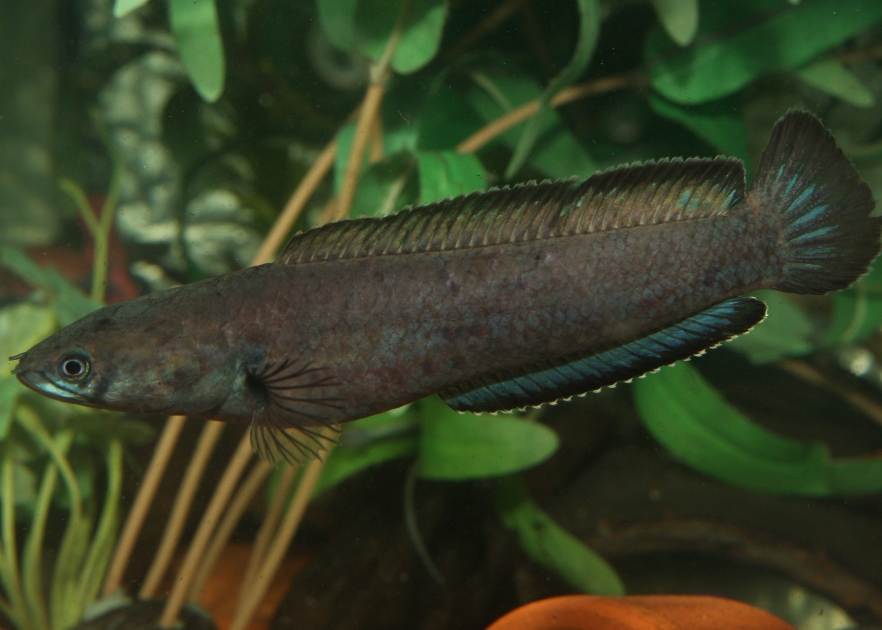
概要
| 字段 | 值 |
|---|---|
| 类别 | 鱼 |
| 学名 | Channa orientalis |
| 别名 | 東方鱧 |
| 分类 | 攀鲈目 Anabantiformes › 鳢科 Channidae › Channa |
| 水体 | 淡水 |
| 原产地 | 斯里兰卡 |
| 成体体长 | 10 cm |
| 饲养难度 | 中等 |
| 最小水体 | 81 L |
| 最小缸长 | 90 cm |
| 群居方式 | 成对 |
| 性情 | 温和 |
| 特征 | 会跳缸: 是 |
| 外部数据 | seriouslyfish channa-orientalis;fishbase 5143 |
| 食性 | 肉食 |
| 繁殖方式 | 口孵 |
水质参数
| 参数 | 耐受范围 | 最适范围 | 单位 |
|---|---|---|---|
| 水温 | 16–24 | — | °C |
| pH | 5–7.5 | — | — |
| 总硬度 | 1–10 | — | dGH |
概述
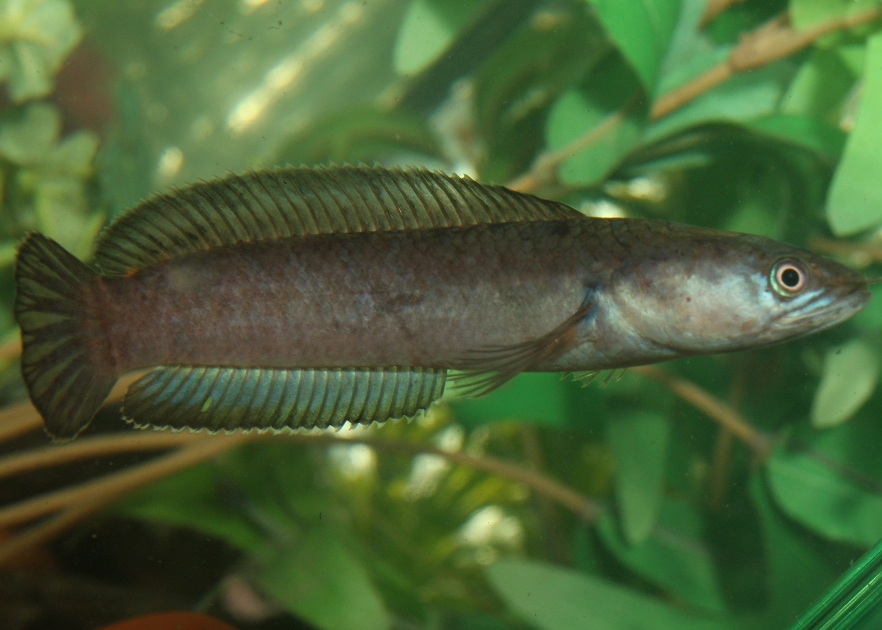
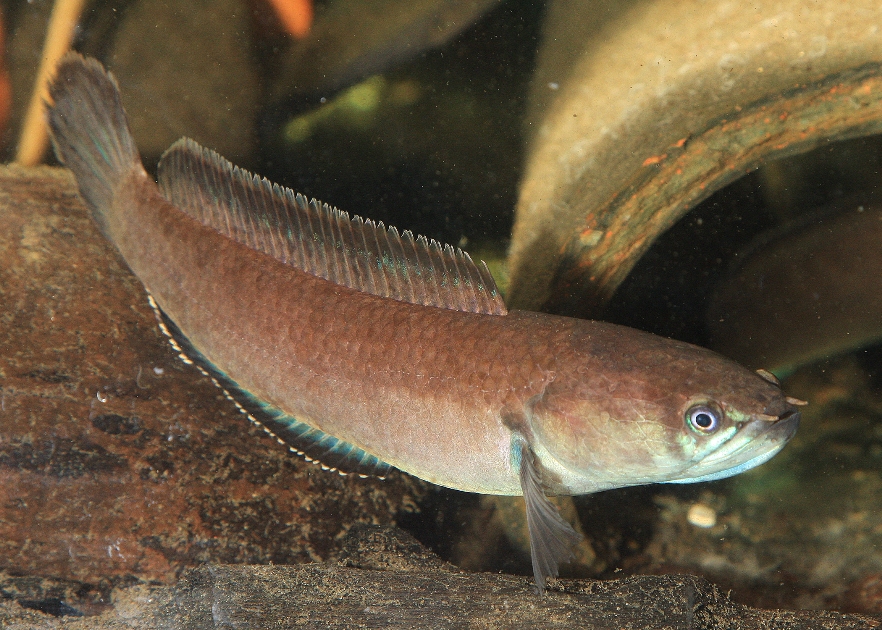
东方鳢(Channa orientalis)是缺少腹鳍的小型鳢,真正的原生范围限于斯里兰卡西南部。它由雄鱼口孵,配对关系较持久;饲养价值更在于维持清楚的来源和繁殖血系,而非把不同产地混养在一起。
分布与栖息地
为斯里兰卡西南湿润区特有种,确认地点涉及本托塔河、凯拉尼河和科塔瓦森林。曾被套用于南亚及东南亚其他鳢类的名字,不能据此扩大其分布。
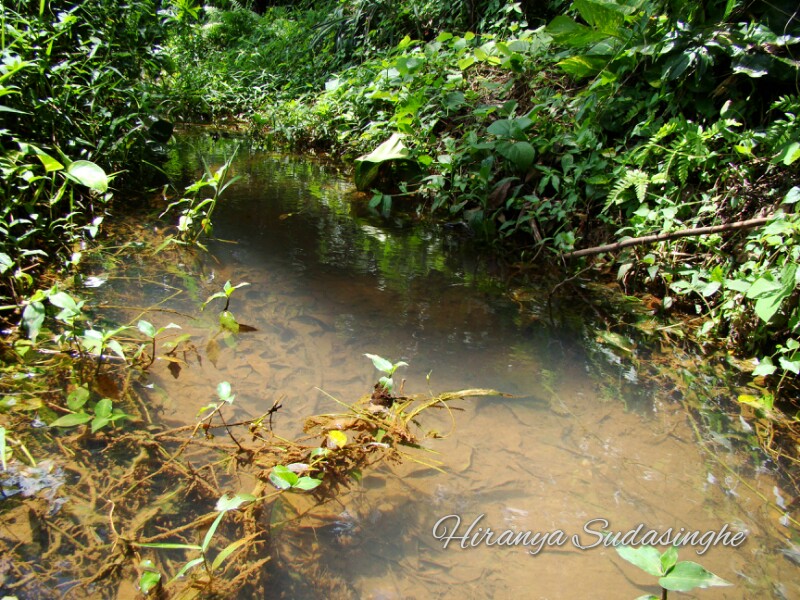
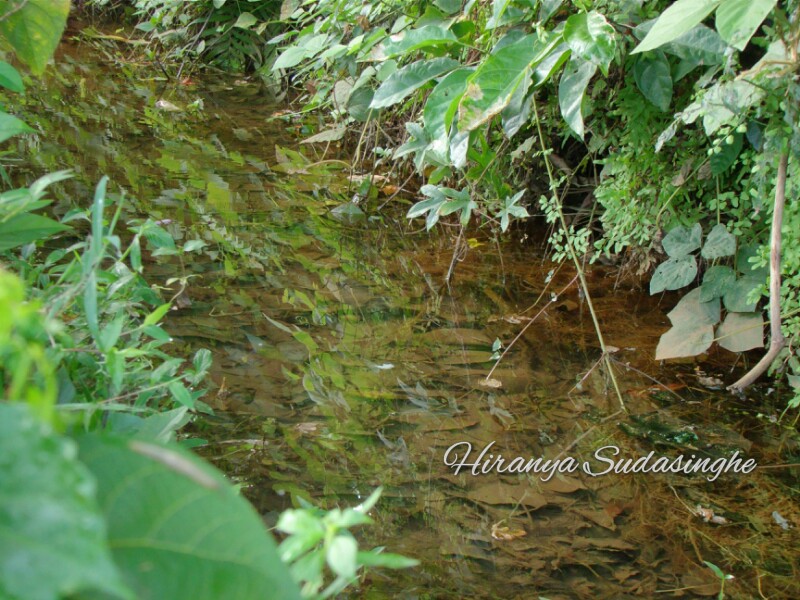
自然环境是林冠遮阴的浅溪,水清或略带茶色,矿物质较少、偏酸。底部为沙或淤泥,常覆盖落叶、树枝,岸边植被和根系提供遮蔽。森林破碎化影响这些局限的栖地,野生种群可能受到威胁。
饲养环境
采用偏暗照明、浮水植物和水下遮蔽。沉木与枝条形成阴影,配合干燥落叶层。水深至少 30 cm,缸盖严密,盖下留有湿润空气层供呼吸。
食性与喂食
是专性捕食者,野外具体猎物被推测为小鱼和昆虫。多数可接受非活体动物饵,幼鱼可喂红虫、小蚯蚓和碎虾,较大个体可用鱼肉、虾、贻贝等。个别接受干粮,也不宜把干粮作为主要食物。
不用依赖活饵鱼,以减少病原引入;牛心、鸡肉等陆生肉类不宜日常投喂。
习性与混养
优先单养并以繁殖为重点。谨慎选择足够大、温和且不守领地的鱼时有混养可能,但同种管理更需留意:幼鱼可群养,成熟配对后会排斥其他同种,严重时造成伤亡。不同采集来源或品系应分开保存。
雌雄区分
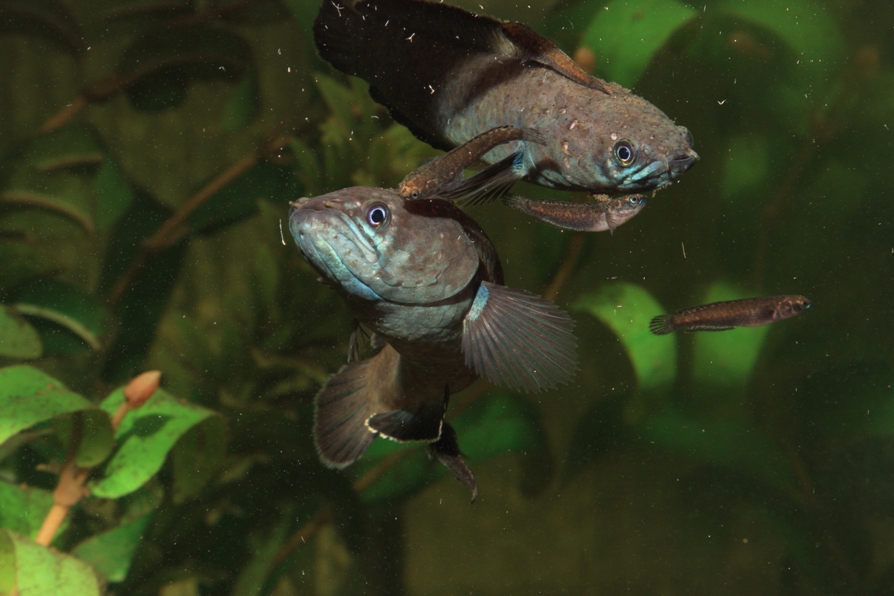
成年雄鱼通常体形略小,奇鳍色彩更强烈,繁殖期进一步加深。
繁殖
可从六至八尾幼鱼中让其自然配对,确认成对后移出其余个体。雄鱼在缠抱产卵后收卵入口,通常含卵或幼鱼三至五天,个别记录可延长到十天。
幼鱼释放后,雌鱼会产未受精卵供其进食。双亲照顾可持续数周,留在亲鱼身边的幼鱼往往比另行隔离的生长更快。长期保持清楚的采集来源,避免不同种群混合繁殖。
补充说明
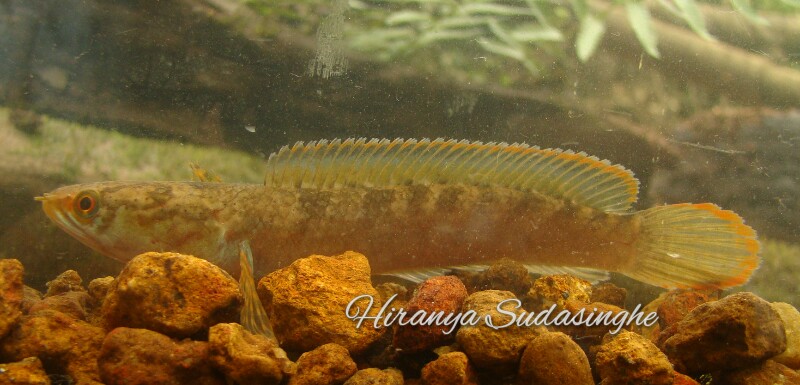
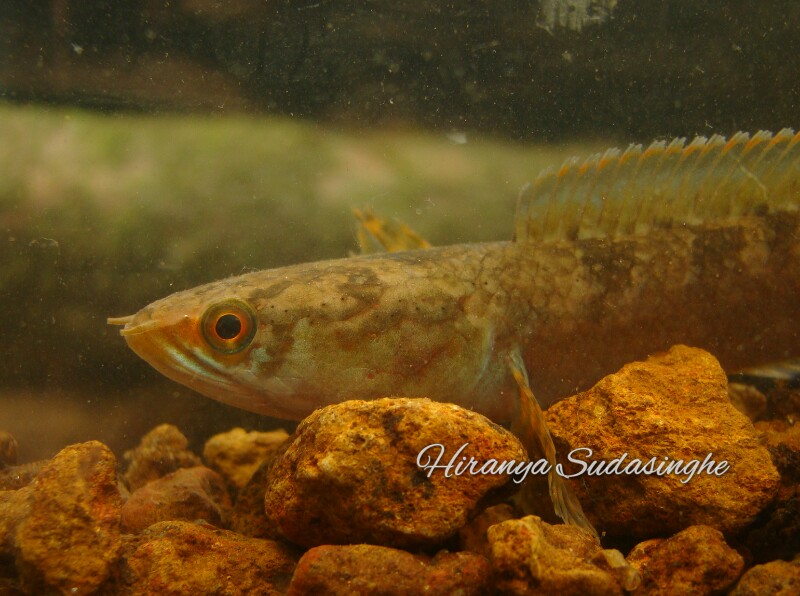
没有腹鳍是重要识别线索,但名称误用历史复杂,不能仅凭“东方鳢”标签确定所有来鱼身份。实际产地和亲本记录尤其重要。
图片
图片来自 SeriouslyFish,版权归各摄影者所有。
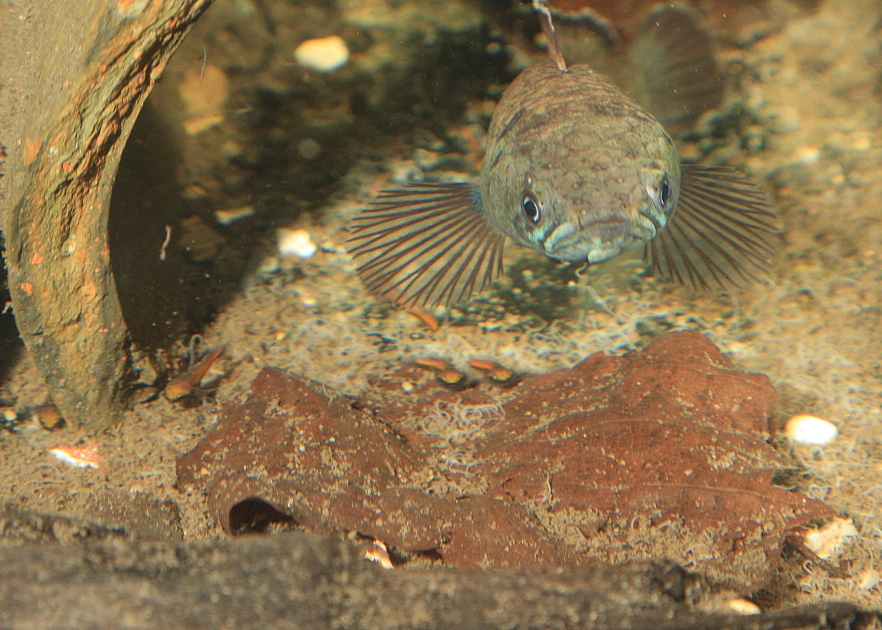
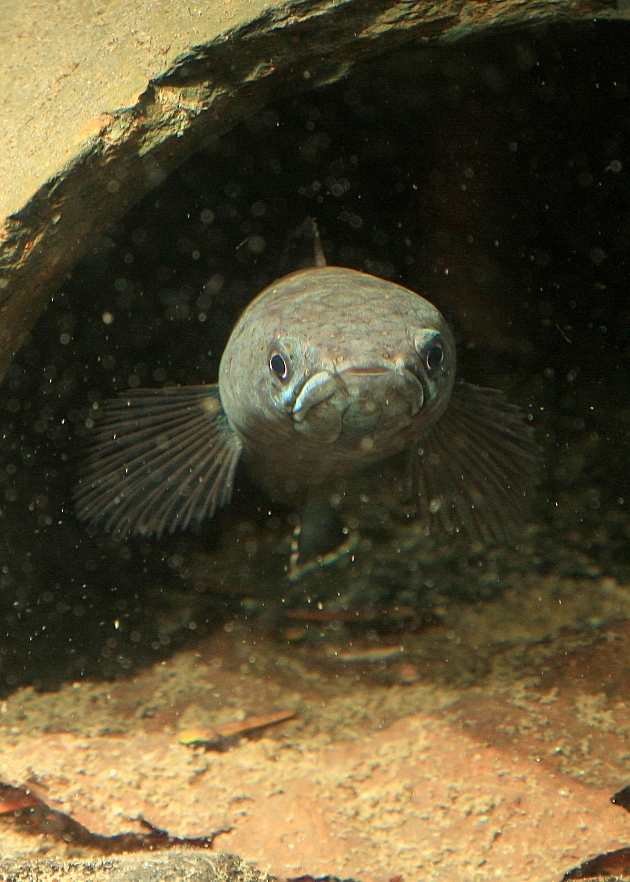
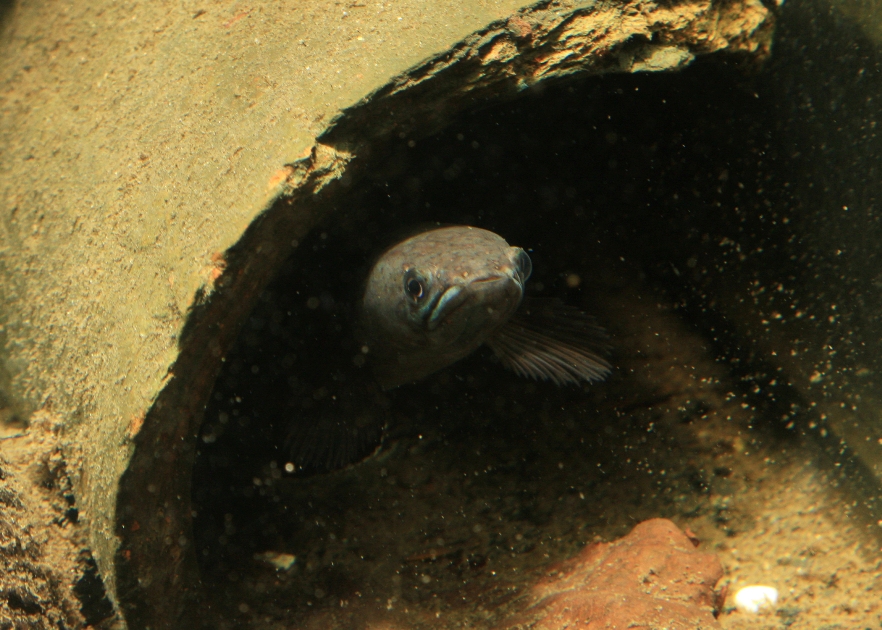
English
Overview
A small snakehead without pelvic fins, Channa orientalis is genuinely native only to southwestern Sri Lanka. Males mouthbrood and pairs form lasting bonds. Maintaining known geographic stocks and breeding lines separately is especially valuable for this restricted-range fish.
Distribution & habitat
Confirmed localities in Sri Lanka's southwestern wet zone include the Bentota and Kelani systems and Kottawa Forest. Historical use of the name for other South and Southeast Asian snakeheads does not establish a wider natural range.
Typical habitats are shallow, shaded forest streams with clear or lightly tinted water, low mineral content, and mildly acidic conditions. Sand or silt is covered with leaves and fallen branches, while bankside vegetation and roots supply shelter. Forest fragmentation threatens these limited habitats, and wild populations may be at risk.
Aquarium setup
Use subdued lighting, floating vegetation, and submerged cover. Wood and branches create shaded spaces, and dried leaves help reproduce the sheltered setting. Water should be at least 30 cm deep. Fit a secure lid but leave humid air accessible above the water for breathing.
Diet & feeding
It is an obligate predator, with smaller fishes and insects proposed as natural prey. Most fish accept nonliving animal foods. Bloodworms, small earthworms, and chopped shrimp suit young fish; larger individuals can take fish flesh, shrimp, and mussels. Dry food acceptance should not make it the main diet.
Feeder fish are unnecessary and can introduce pathogens. Terrestrial meats such as beef heart and chicken are inappropriate routine foods.
Behaviour & compatibility
Dedicated housing with breeding in mind is preferable. Carefully chosen companions must be peaceful, nonterritorial, and too large to become prey. Young conspecifics can coexist, but established pairs may seriously injure or kill additional fish of their kind. Keep different collection localities or variants separate.
Sexual dimorphism
Adult males tend to be slightly smaller and show stronger color in the unpaired fins, especially during courtship.
Breeding
If a proven pair is unavailable, six to eight juveniles can choose partners naturally. Remove surplus fish after pair formation. Following an embrace during spawning, the male gathers the eggs into his mouth. Brooding commonly lasts three to five days, with some individuals retaining young for as long as ten days.
After release, females provide unfertilized eggs as food for the young. Parental care can continue for several weeks, and fry often grow faster with their parents than when reared separately. Preserve locality information and avoid mixing geographic lines.
Notes
Absent pelvic fins are useful for identification, but a history of name misuse makes sales labels insufficient. Reliable origin and parentage records are particularly helpful.
来源
- https://www.seriouslyfish.com/species/channa-orientalis(抓取于 2026-10-10)
channa-orientalis · 文件: data/species/channa-orientalis.md · 状态: 草稿