小盾鳢 · Giant Snakehead
概要
| 字段 | 值 |
|---|---|
| 类别 | 鱼 |
| 学名 | Channa micropeltes |
| 别名 | 小盾鱧、Ophicephalus micropeltes、Ophicephalus serpentinus、Ophicephalus bivittatus、Ophicephalus stevensii、Ophiocephalus studeri、Ophiocephalus flos |
| 分类 | 攀鲈目 Anabantiformes › 鳢科 Channidae › Channa |
| 水体 | 淡水 |
| 原产地 | 柬埔寨、印度尼西亚、老挝、马来西亚、新加坡、泰国、越南 |
| 成体体长 | 130 cm |
| 饲养难度 | 中等 |
| 群居方式 | 独居 |
| 特征 | 会跳缸: 是;吃小鱼: 是 |
| 外部数据 | seriouslyfish channa-micropeltes;fishbase 344 |
| 食性 | 肉食 |
| 繁殖方式 | 产卵 |
水质参数
| 参数 | 耐受范围 | 最适范围 | 单位 |
|---|---|---|---|
| 水温 | 20–30 | — | °C |
| pH | 6–8 | — | — |
| 总硬度 | 2–20 | — | dGH |
概述
小盾鳢(Channa micropeltes)幼鱼的鲜艳条纹很醒目,但会长成体形巨大的捕食鱼,只适合公共展示或极大型私人设施。它需要宽阔游泳区,性成熟后同种攻击加剧,不能因幼鱼成群且相对平和就把它当作普通混养鱼。
分布与栖息地
原生分布覆盖东南亚湄公河流域、泰国中南部、马来半岛、新加坡,以及苏门答腊、婆罗洲、爪哇和一些周边岛屿。菲律宾有引入记录;美国的发现记录不等于已形成稳定种群。
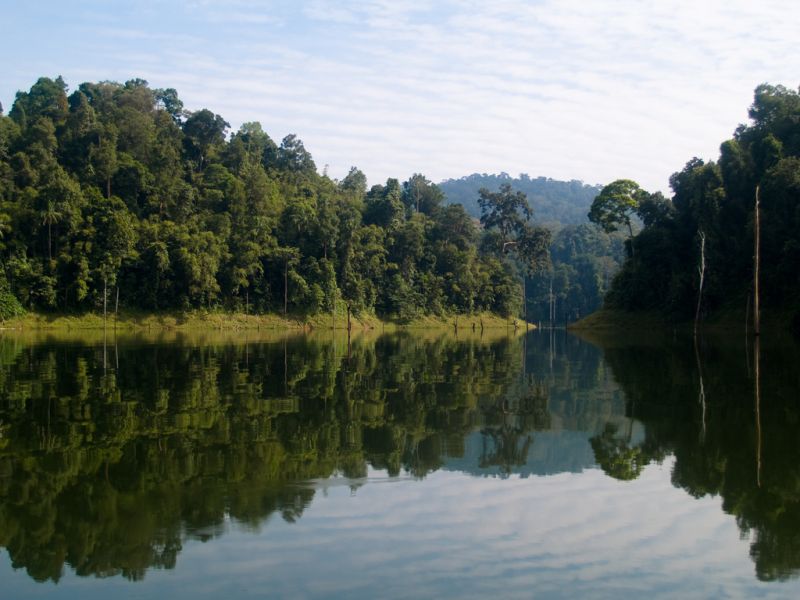
偏好静水至缓流环境,包括较深的低地大河、内陆湖泊、沼泽,以及人工运河和水库。
饲养环境
首先保障足够开阔的活动空间,水面可局部布置浮水植物或垂覆枝叶作为遮蔽。缸盖必须严密,盖下保留湿润空气层供上浮呼吸,不能只靠较高缸壁防逃。
食性与喂食
野外捕食小鱼、两栖动物、无脊椎动物及陆生昆虫,多数能适应非活体动物饵。幼鱼可喂红虫、小蚯蚓及碎虾,成鱼可搭配鱼肉、整虾、贻贝等。较老的鱼每周喂两至三次即可,不需要每日投喂。
干粮即使被接受也不宜作主食。牛心、鸡肉等陆生肉类不适合日常投喂;活饵鱼没有必要,还可能带入寄生虫和疾病。
习性与混养
优先单种饲养。在极大空间中,似乎能与相近体形鱼共处,但这不是普通鱼缸的混养承诺。幼鱼与亚成鱼之间相对温和,性成熟后会变得更具攻击性,守护幼鱼时尤其激烈。
繁殖
有人工繁殖记录,但仅为养成亲鱼就需要大量空间。性成熟据称约在两岁、体长 50—60 cm 时出现,不能把成熟年龄当作寿命。
野外繁殖细节尚不充分,推测在雨季初进入被淹植被区或小溪配对。筑巢与卵浮水面的记述并不一致,不能直接整理成确定操作流程。幼鱼自由游动后活跃且成群,亲鱼较长时间守护,护幼时甚至有伤人的记录。
补充说明
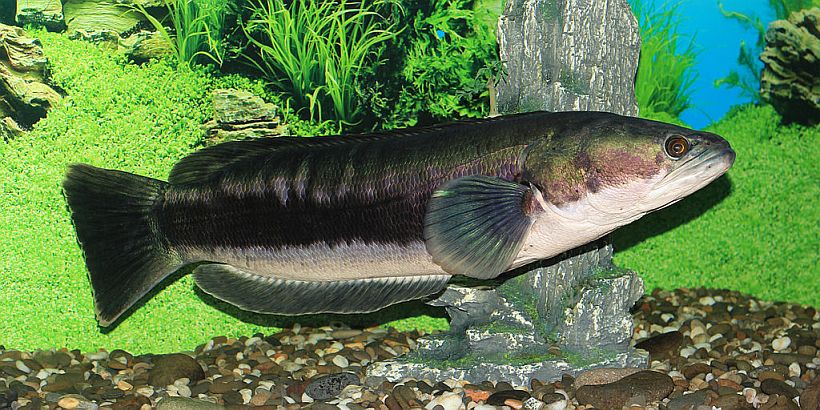
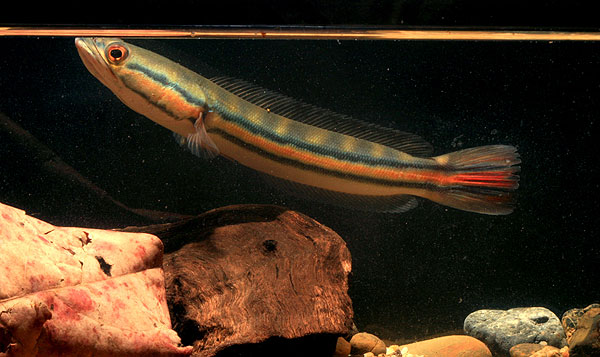
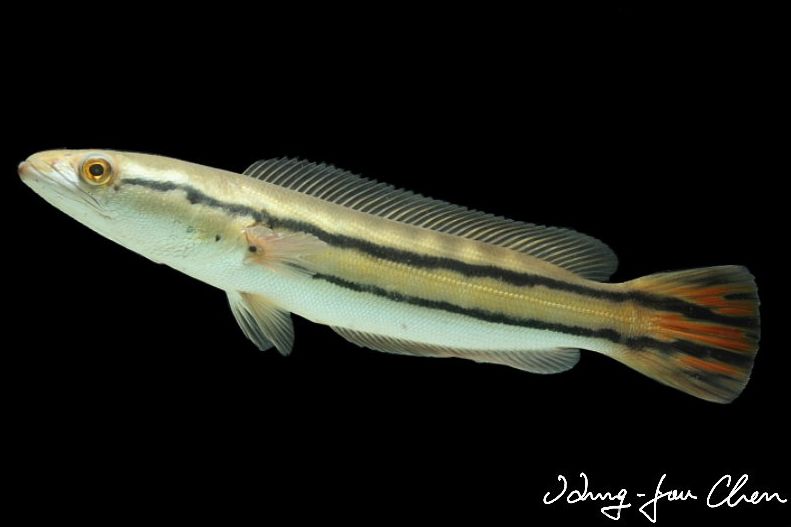
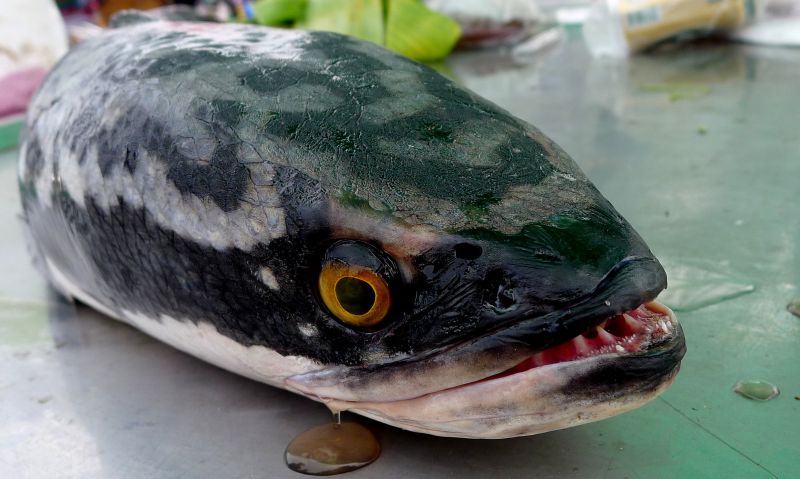
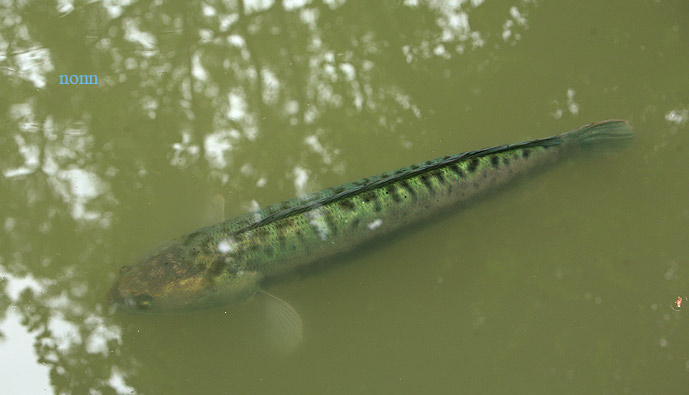
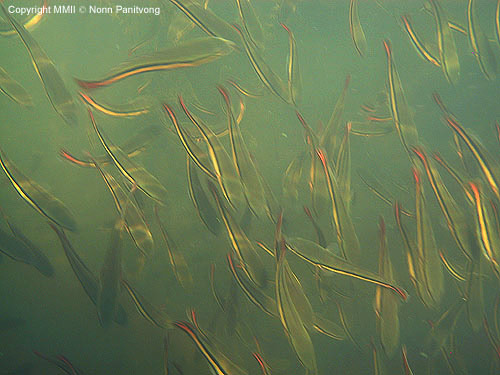
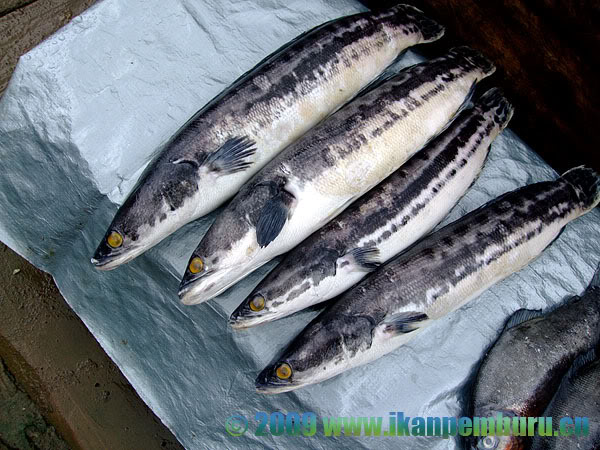
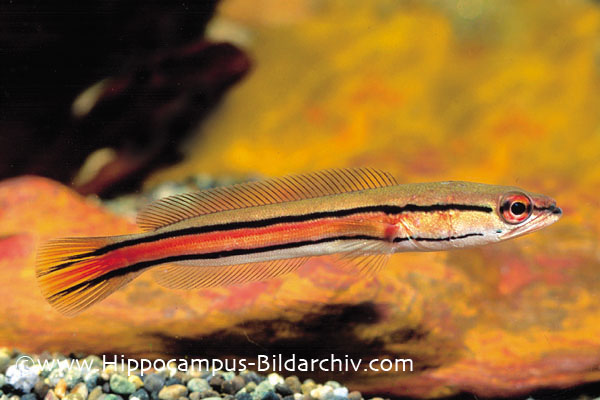
幼鱼有两条黑色纵带,中间为亮橙色区域,成鱼则以宽深色纵带为主。幼年外观和销售称呼都不能反映成年体形、空间需求和行为。
图片
图片来自 SeriouslyFish,版权归各摄影者所有。
English
Overview
Brightly striped juveniles of Channa micropeltes grow into enormous predators suited only to public displays or exceptionally large private systems. They need extensive swimming space, and aggression increases at maturity. A relatively tolerant juvenile group is not evidence of suitability for an ordinary community aquarium.
Distribution & habitat
The natural range spans the Mekong region, central and southern Thailand, Peninsular Malaysia, Singapore, Sumatra, Borneo, Java, and nearby islands. Introductions have occurred in the Philippines. Reports from the United States do not by themselves demonstrate established populations.
Standing or slowly moving waters are favored, including deep lowland river channels, lakes, swamps, canals, and reservoirs.
Aquarium setup
Open swimming space is the primary requirement. Floating plants or overhanging vegetation can provide partial surface shade without occupying the main activity area. Secure the cover and leave an accessible humid air space above the water for breathing.
Diet & feeding
Wild prey includes smaller fishes, amphibians, invertebrates, and terrestrial insects. Most fish adapt to nonliving animal foods. Juveniles take bloodworms, small earthworms, and chopped shrimp; adults can receive fish strips, whole shrimp, and mussels. Older individuals generally need only two or three meals weekly.
Dry foods should not become the staple even when accepted. Terrestrial meats such as beef heart or chicken are unsuitable regular foods. Live feeder fish are unnecessary and may introduce parasites or disease.
Behaviour & compatibility
Dedicated housing is preferable. Similarly sized companions may be possible in exceptionally spacious facilities, but that does not establish routine aquarium compatibility. Juveniles and subadults are comparatively tolerant of one another; aggression develops at sexual maturity and becomes particularly intense during brood defense.
Breeding
Captive reproduction has occurred, but simply maintaining breeding adults requires considerable space. Maturity is said to occur near two years of age and about 50–60 cm; this is a maturity estimate, not a lifespan.
Wild behavior is incompletely documented. Pairs apparently form near submerged vegetation in flooded areas or small streams early in the wet season. Accounts differ over nest construction versus floating eggs, preventing a firm spawning protocol from being inferred. Free-swimming young are active and gregarious. Extended parental defense can be fierce, with injuries to people reported around wild broods.
Notes
Young fish show two dark lengthwise stripes separated by bright orange, whereas adults have a broad dark longitudinal band. Juvenile coloration and trade labels do not convey the eventual size, space requirement, or adult behavior.
来源
- https://www.seriouslyfish.com/species/channa-micropeltes(抓取于 2026-10-10)
channa-micropeltes · 文件: data/species/channa-micropeltes.md · 状态: 草稿