黑体鳢 · Black Snakehead
概要
| 字段 | 值 |
|---|---|
| 类别 | 鱼 |
| 学名 | Channa melasoma |
| 别名 | 黑體鱧、Ophicephalus melanosoma、Ophicephalus rhodotaenia、Ophicephalus mystax |
| 分类 | 攀鲈目 Anabantiformes › 鳢科 Channidae › Channa |
| 水体 | 淡水 |
| 原产地 | 印度尼西亚、马来西亚、菲律宾、泰国 |
| 成体体长 | 30 cm |
| 饲养难度 | 中等 |
| 最小水体 | 243 L |
| 最小缸长 | 120 cm |
| 群居方式 | 成对 |
| 特征 | 会跳缸: 是;吃小鱼: 是 |
| 外部数据 | seriouslyfish channa-melasoma;fishbase 5192 |
| 食性 | 肉食 |
水质参数
| 参数 | 耐受范围 | 最适范围 | 单位 |
|---|---|---|---|
| 水温 | 22–32 | — | °C |
| pH | 4–7 | — | — |
| 总硬度 | 1–5 | — | dGH |
概述
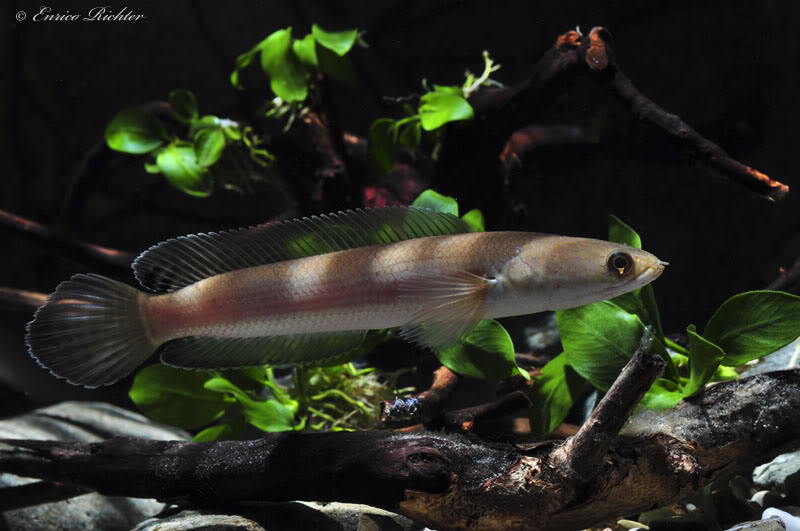
黑体鳢(Channa melasoma)是一种深色捕食性鳢类,常见描述来自东南亚森林溪流,也有泥炭沼泽黑水中的记录。饲养需要偏暗照明、多处遮蔽,以及能上浮呼吸但无法逃出的缸盖安排。
分布与栖息地
分布包括泰国最南部、马来半岛、新加坡、婆罗洲、苏门答腊、菲律宾及若干周边岛屿,爪哇不在其确认范围内。泰国湄南河和柬埔寨湄公河的记录可能与误鉴或引入有关。
似乎更偏好底部有泥和落叶的清澈森林溪流,但也出现于酸性泥炭沼泽黑水和较浑浊的环境,因此不能把所有种群想象成同一种水体条件。
饲养环境
用水草、沉木、陶管和盆罐构成遮蔽网络,保持较暗照明。浮水植物能增加安全感,让鱼较少长时间躲藏。水深至少为 30 cm。
缸盖要严密,同时在水面上留出湿润空气层供呼吸。遮蔽物不能阻断其上浮通道。
食性与喂食
野外主要捕食小鱼和昆虫,多数个体能适应非活体动物饵料。幼鱼可用红虫、小蚯蚓和碎虾,成鱼可搭配鱼肉、整虾、贻贝及大蚯蚓。个别接受干饲料,也不宜以其为主食。
不必依赖活饵鱼,避免引入寄生虫或疾病。牛心、鸡肉等陆生肉类不适合作为常规食物。
补充说明
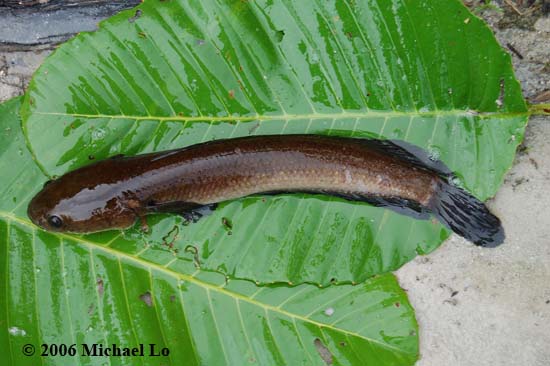
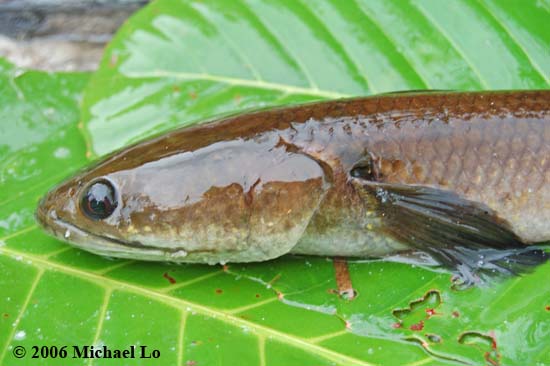
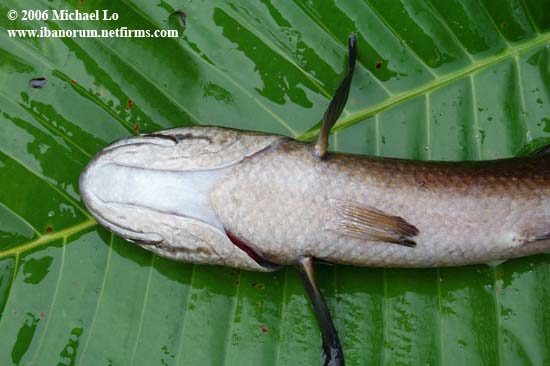
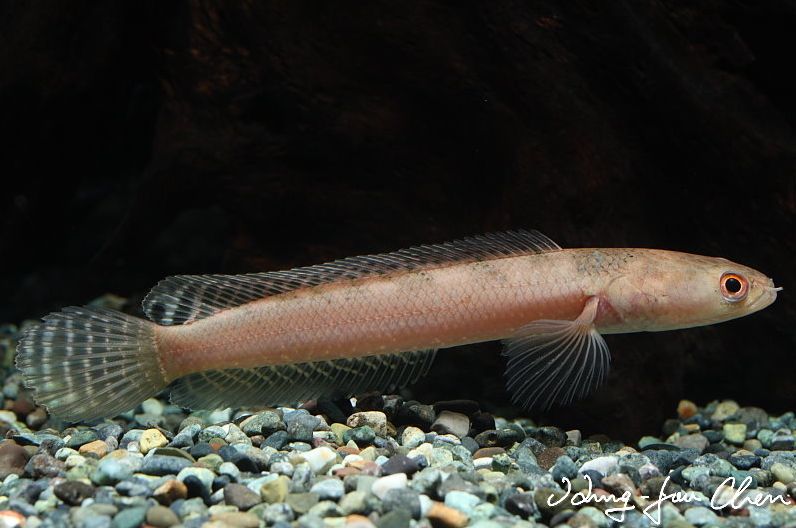
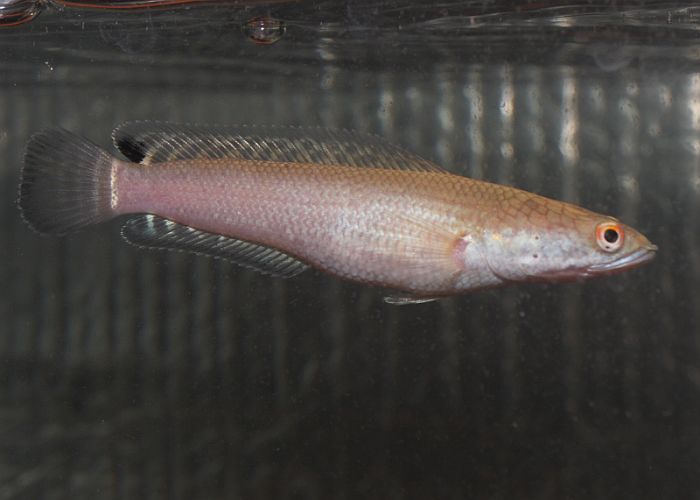
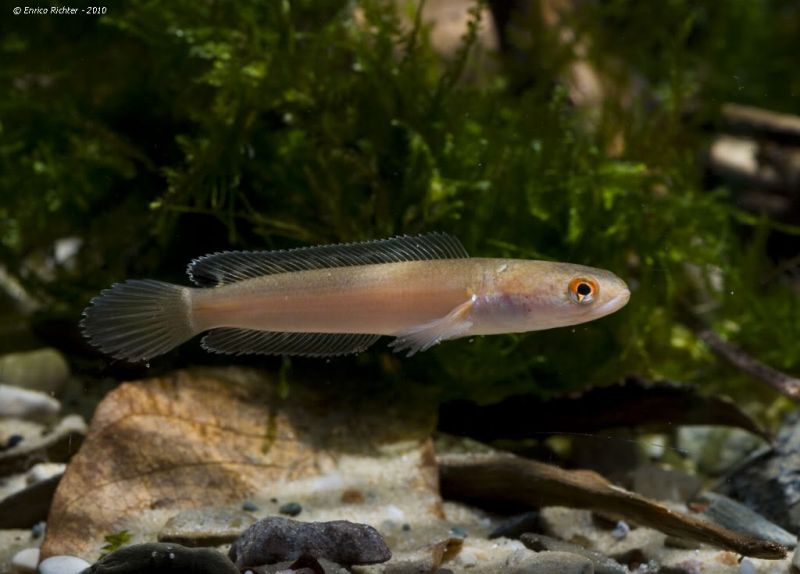
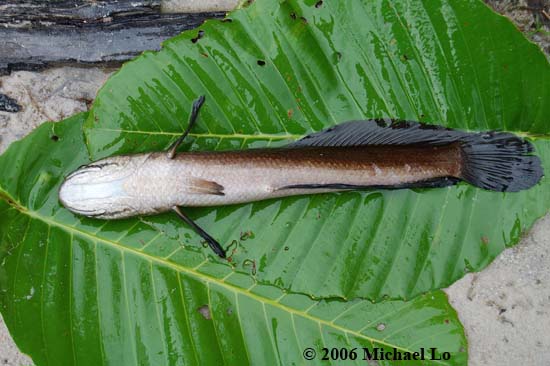
辨认时可留意较尖的侧面吻形、喉部浅色大理石状花纹,以及许多体鳞中央没有黑点、尾鳍不呈横条纹的组合。深色体色本身不是充分的定种依据。鳢属共有的空气呼吸能力,也不能替代水面上方的实际呼吸空间。
图片
图片来自 SeriouslyFish,版权归各摄影者所有。
English
Overview
A dark predatory snakehead, Channa melasoma is associated with Southeast Asian forest streams but also occurs in peat-swamp blackwater. Subdued lighting, numerous retreats, and a lid arrangement that permits air breathing while preventing escape are central to aquarium care.
Distribution & habitat
Records include extreme southern Thailand, Peninsular Malaysia, Singapore, Borneo, Sumatra, the Philippines, and several neighboring islands. Java is excluded from the confirmed range. Reports from Thailand's Chao Phraya and Cambodia's Mekong may involve misidentification or introductions.
Clear forest streams with muddy beds and leaf deposits appear favored. Acidic peat-swamp blackwater and turbid environments also hold records, so one habitat description should not be generalized to every population.
Aquarium setup
Create interconnected shaded retreats with plants, wood, clay pipes, or pots. Keep lighting subdued and use floating vegetation to encourage fish to remain visible. Water should be at least 30 cm deep.
Secure the cover while preserving accessible humid air above the water. Arrange shelters so that fish can still reach the surface freely.
Diet & feeding
Small fishes and insects are the main natural prey. Most individuals adapt to nonliving animal foods. Bloodworms, small earthworms, and chopped shrimp suit juveniles; larger fish can take fish strips, whole shrimp, mussels, and larger earthworms. Dry food acceptance does not make it a suitable staple.
Live feeder fish are unnecessary and can introduce parasites or disease. Beef heart, chicken, and other terrestrial meats are inappropriate routine foods.
Notes
Useful identification features include a relatively pointed snout in profile, pale marbling on the throat, the absence of central black spots on many body scales, and an unbarred tail. Dark overall coloration alone is insufficient. Supplementary air breathing shared by snakeheads also requires actual breathing space above the aquarium water.
来源
- https://www.seriouslyfish.com/species/channa-melasoma(抓取于 2026-10-10)
channa-melasoma · 文件: data/species/channa-melasoma.md · 状态: 草稿