巨鳢 · Bullseye Snakehead
概要
| 字段 | 值 |
|---|---|
| 类别 | 鱼 |
| 学名 | Channa marulius |
| 别名 | 西氏鳢、眼鳢、西氏鱧、巨鱧、眼鱧、Ophicephalus marulius、Ophicephalus grandinosus、Ophicephalus sowara、Channa theophrasti、Ophicephalus leucopunctatus、Ophiocephalus theophrasti、Ophiocephalus pseudomarulius、Ophiocephalus aurolineatus、Ophiocephalus marulius ara |
| 分类 | 攀鲈目 Anabantiformes › 鳢科 Channidae › Channa |
| 水体 | 淡水 |
| 原产地 | 孟加拉国、中国、印度、老挝、缅甸、尼泊尔、巴基斯坦、斯里兰卡、泰国、越南 |
| 成体体长 | 60 cm |
| 饲养难度 | 中等 |
| 群居方式 | 独居 |
| 特征 | 会跳缸: 是 |
| 外部数据 | seriouslyfish channa-marulius;fishbase 5144 |
| 食性 | 肉食 |
水质参数
| 参数 | 耐受范围 | 最适范围 | 单位 |
|---|---|---|---|
| 水温 | 15–28 | — | °C |
| pH | 6–8 | — | — |
| 总硬度 | 2–20 | — | dGH |
概述
巨鳢(Channa marulius)这一名称涵盖外形和遗传上有差异的多个地理种群,很可能属于需要进一步厘清的物种复合群。即使不采用未经证实的巨型尺寸传闻,它也只适合公共展示或极大型私人设施,普通家庭缸不适合长期饲养。
分布与栖息地
历史记录从巴基斯坦,经印度、斯里兰卡、孟加拉国、尼泊尔、缅甸和泰国,延伸至中国南部、老挝及越南;随物种边界厘清,实际范围可能缩小。美国佛罗里达有疑似已建立的引入种群。
常见于较大河道、内陆湖泊、运河和沼泽,并与水生植被相联系。
饲养环境
需要很大的开阔游泳空间,不能只按躲避型鳢类布满装饰。浮水植物、垂覆植被或枝条可提供局部表层遮蔽。
缸盖应贴合牢固,水面与盖之间保留湿润空气层,允许其自由上浮呼吸。公共设施或极大型私人水族箱才有现实的长期容纳可能。
食性与喂食
是专性捕食者,野外猎物可能包括小鱼、两栖动物和陆生昆虫。多数可以适应非活体动物饵。幼鱼可用红虫、小蚯蚓和碎虾,成鱼可搭配鱼肉、整虾和贻贝。某些鱼接受干粮,但不能将其作为主食。
不必使用活饵鱼,以免带入寄生虫或疾病;牛心、鸡肉等陆生肉类不宜作为日常食物。
习性与混养
优先单种饲养。幼鱼和亚成鱼可能彼此较平和,但性成熟后会出现同种攻击,不能以幼年相处情况推断成年群养可行性。
补充说明
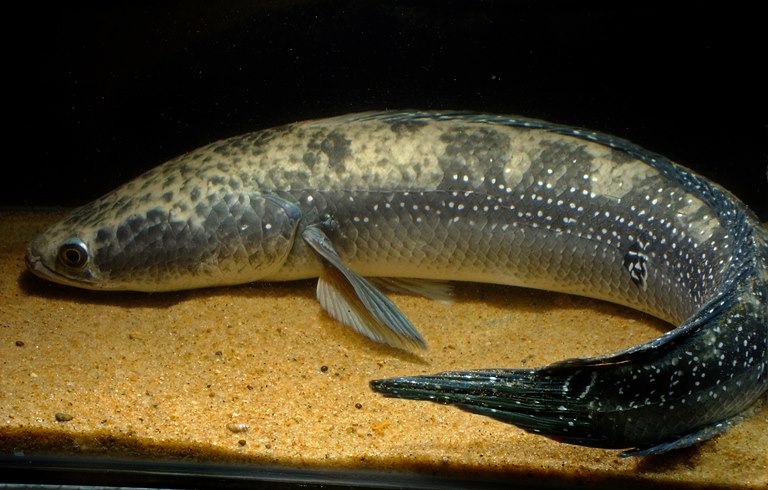
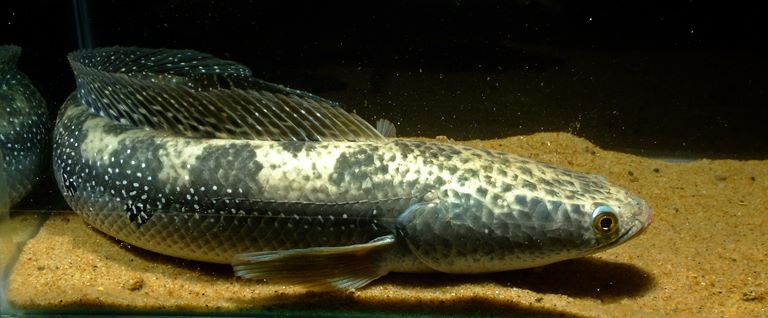
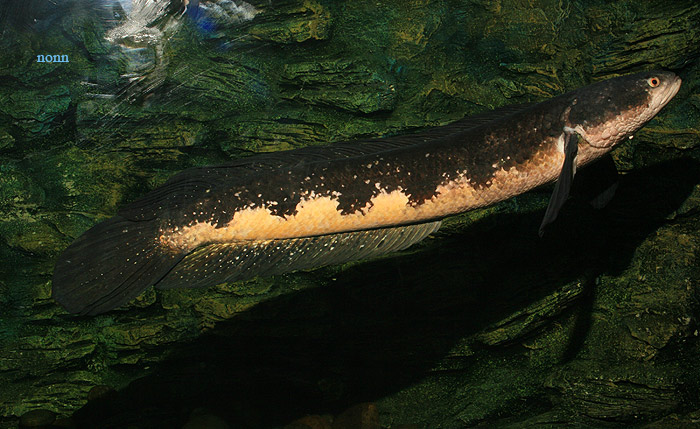
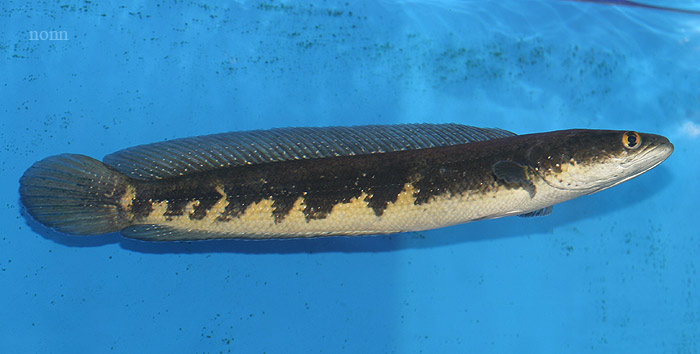
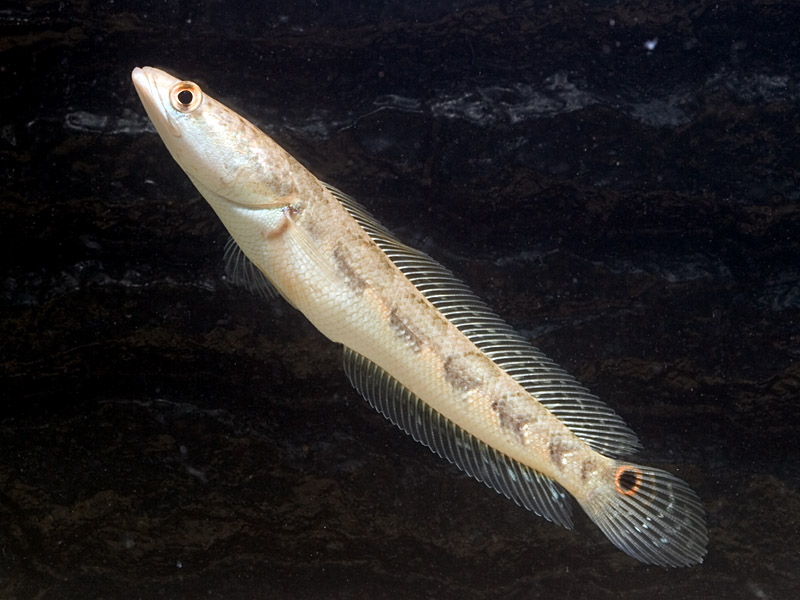
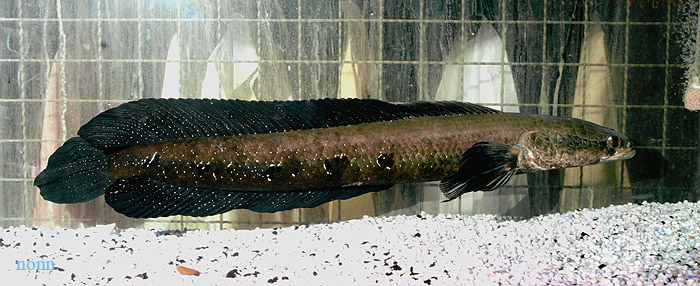
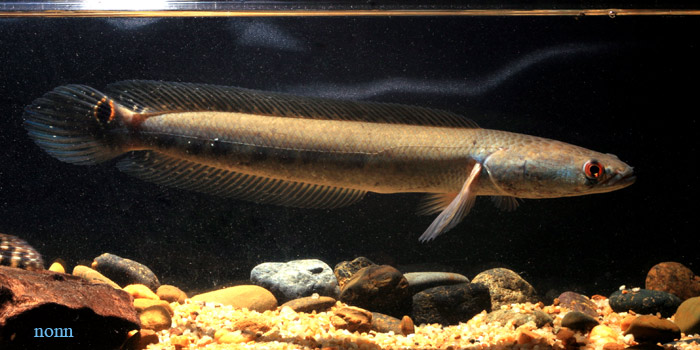
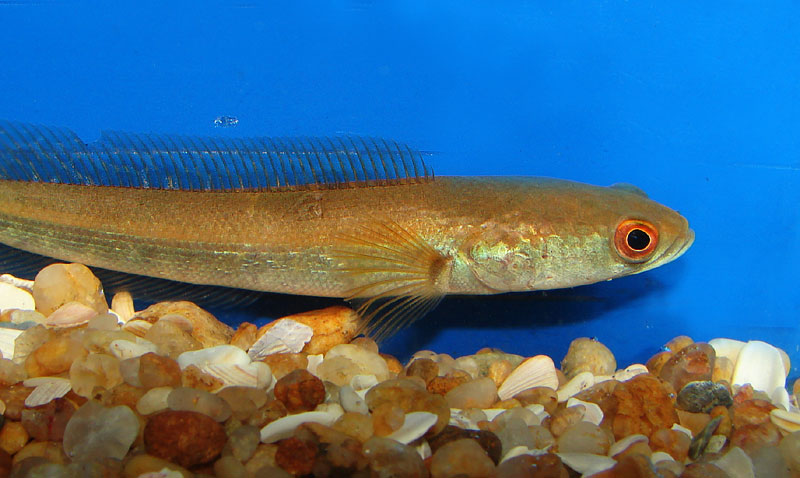
产地、体形和花纹都应纳入身份判断。不同地区的尾鳍眼斑表现并不一致,与相似鳢类也可能混淆,不能仅凭有无眼斑定种。保留地理来源有助于避免把不同种群混为一谈。
图片
图片来自 SeriouslyFish,版权归各摄影者所有。
English
Overview
The broad name Channa marulius includes geographically separated populations with morphological and genetic differences, probably representing a species complex. Even without accepting unverified claims of exceptional size, long-term care calls for public displays or extremely large private facilities.
Distribution & habitat
Historical records extend from Pakistan through India, Sri Lanka, Bangladesh, Nepal, Myanmar, and Thailand to southern China, Laos, and Vietnam. The true range may narrow as species boundaries are resolved. An introduced population has apparently established in Florida.
Larger river channels, inland lakes, canals, and swamps are occupied, often where aquatic vegetation is present.
Aquarium setup
Extensive open swimming space is essential. Avoid filling the aquarium with decorations intended for a more sedentary, shelter-oriented snakehead. Floating plants, overhanging vegetation, or branches can provide partial surface shade.
Use a secure cover while leaving a humid air space above the water that the fish can reach to breathe. Realistic lifelong accommodation is restricted to unusually large facilities.
Diet & feeding
This is an obligate predator, although the suggested natural prey of smaller fishes, amphibians, and terrestrial insects remains uncertain. Most fish accept nonliving animal foods. Offer juveniles bloodworms, small earthworms, and chopped shrimp; adults can receive fish flesh, whole shrimp, and mussels. Dry foods may be accepted but should not form the staple.
Feeder fish are unnecessary and risk introducing parasites or disease. Terrestrial meats, including beef heart and chicken, are unsuitable as routine foods.
Behaviour & compatibility
Dedicated housing is preferable. Juveniles and subadults may coexist relatively peacefully, but conspecific aggression develops with sexual maturity. Tolerance in a young group does not establish adult compatibility.
Notes
Identification should combine origin, body form, and pattern. Tail eyespots vary among populations and overlap with features of related snakeheads, making a single mark unreliable. Geographic provenance helps prevent distinct populations from being treated as interchangeable.
来源
- https://www.seriouslyfish.com/species/channa-marulius(抓取于 2026-10-10)
channa-marulius · 文件: data/species/channa-marulius.md · 状态: 草稿