似眼鳢 · Emperor Snakehead
概要
| 字段 | 值 |
|---|---|
| 类别 | 鱼 |
| 学名 | Channa marulioides |
| 别名 | 似眼鱧、Ophicephalus marulioides |
| 分类 | 攀鲈目 Anabantiformes › 鳢科 Channidae › Channa |
| 水体 | 淡水 |
| 原产地 | 印度尼西亚、马来西亚、泰国 |
| 成体体长 | 65 cm |
| 饲养难度 | 中等 |
| 群居方式 | 独居 |
| 特征 | 会跳缸: 是 |
| 外部数据 | seriouslyfish channa-marulioides;fishbase 25148 |
| 食性 | 肉食 |
水质参数
| 参数 | 耐受范围 | 最适范围 | 单位 |
|---|---|---|---|
| 水温 | 22–30 | — | °C |
| pH | 6–8 | — | — |
| 总硬度 | 2–15 | — | dGH |
概述
似眼鳢(Channa marulioides)是活动于开阔水体的大型鳢类,需要公共设施或极大型私人水族箱。幼鱼彼此相对平和,性成熟后会转向攻击同种;体色又随产地变化,挑选时应兼顾来源、身份和长期空间。
分布与栖息地
原产克拉地峡以南的泰国南部、马来西亚和印度尼西亚,包括婆罗洲、苏门答腊等巽他群岛。主要见于较大河道与内陆湖泊,如婆罗洲的森塔伦湖群。
饲养环境
与许多隐蔽性较强的鳢类不同,它需要大面积开阔游泳空间。水面可用浮水植物、垂覆枝叶提供部分遮蔽,但不能让装饰挤占活动区。
严密缸盖用于防逃,盖下留出湿润空气层,供鱼上浮吞气。普通家用缸不能因为暂时养得下幼鱼,就被视为终生设施。
食性与喂食
属于专性捕食者,野外可能取食小鱼、两栖动物及陆生昆虫。多数可适应非活体动物饵;幼鱼可用红虫、小蚯蚓和碎虾,成鱼可用鱼肉条、整虾与贻贝等搭配。个别接受干粮,也不应以干粮为主食。
无需依赖活饵鱼,以免引入寄生虫和疾病。牛心、鸡肉等陆生肉类不宜作为日常饵料。
习性与混养
优先单种饲养。幼鱼和亚成鱼之间的相对平静并不持久,达到性成熟后会出现同种攻击,长期群养必须考虑这一变化。
补充说明
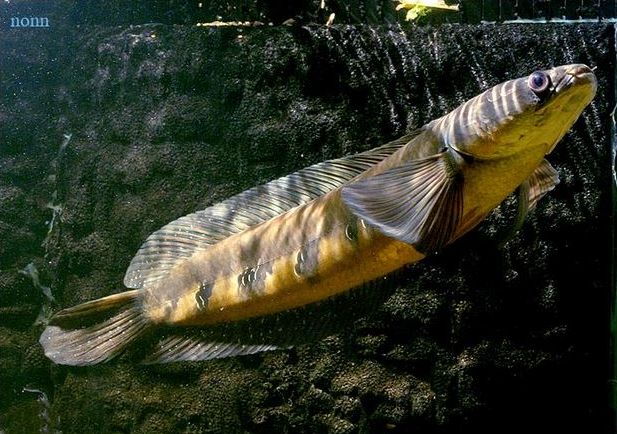
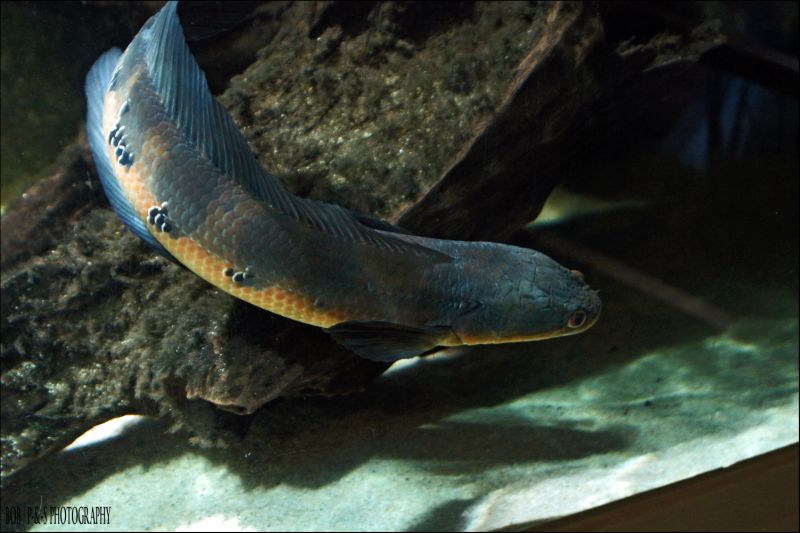
不同产地可能有褐底人字斑、较少侧斑的灰蓝色等形态,是否全属同一物种仍不清楚。某些森塔伦来源鱼缺乏典型人字斑,不能只靠这种花纹排除身份。尾鳍眼斑也会随成长消退,不宜作为唯一识别依据。
图片
图片来自 SeriouslyFish,版权归各摄影者所有。
English
Overview
A large open-water snakehead, Channa marulioides requires public facilities or an exceptionally large private aquarium. Relative tolerance among young fish gives way to conspecific aggression at sexual maturity. Geographic variation also complicates identification, making origin and long-term housing more important than a color label.
Distribution & habitat
Its natural range includes southern Thailand below the Isthmus of Kra, Malaysia, and Indonesia, including Borneo, Sumatra, and other Sunda islands. Larger river channels and inland lakes, including Borneo's Danau Sentarum system, provide habitat.
Aquarium setup
Unlike many more shelter-oriented snakeheads, this species needs extensive open swimming room. Floating vegetation or overhanging branches can provide partial shade without filling the usable water column.
Secure the lid while retaining accessible humid air above the water. An aquarium that temporarily holds a juvenile is not necessarily suitable for its adult life.
Diet & feeding
It is an obligate predator, with small fishes, amphibians, and terrestrial insects proposed as natural prey. Most individuals adapt to nonliving animal foods. Young fish can receive bloodworms, small earthworms, and chopped shrimp; adults can take fish strips, whole shrimp, and mussels. Dry foods, when accepted, should not be the staple.
Feeder fish are unnecessary and risk introducing disease or parasites. Do not rely on terrestrial meats such as beef heart or chicken as routine foods.
Behaviour & compatibility
Dedicated housing is preferable. Juveniles and subadults can be comparatively tolerant of one another, but this changes with sexual maturity as conspecific aggression develops. A quiet juvenile group does not establish the feasibility of lifelong group maintenance.
Notes
Locality-associated forms include brown fish with chevron-like flank markings and darker gray-blue fish with reduced patterning. Whether all forms are conspecific remains unresolved. Some Danau Sentarum fish lack the usual chevrons, so their absence alone does not exclude this identity. A juvenile tail eyespot can fade with growth and is not a sufficient identifying feature by itself.
来源
- https://www.seriouslyfish.com/species/channa-marulioides(抓取于 2026-10-10)
channa-marulioides · 文件: data/species/channa-marulioides.md · 状态: 草稿