带鳢 · Forest Snakehead
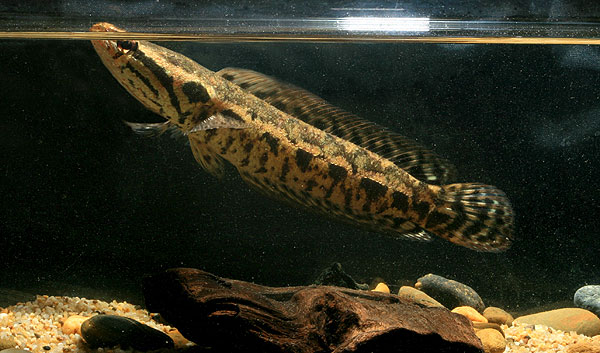
概要
| 字段 | 值 |
|---|---|
| 类别 | 鱼 |
| 学名 | Channa lucius |
| 别名 | 暹逻鳢、帶鱧、暹邏鱧、Ophicephalus lucius、Channa lucia、Ophicephalus polylepis、Ophiocephalus siamensis、Ophiocephalus bivittatus、Ophicephalus spiritalis、Ophiocephalus bistriatus |
| 分类 | 攀鲈目 Anabantiformes › 鳢科 Channidae › Channa |
| 水体 | 淡水 |
| 原产地 | 柬埔寨、印度尼西亚、老挝、马来西亚、缅甸、泰国、越南 |
| 成体体长 | 40 cm |
| 饲养难度 | 中等 |
| 最小水体 | 540 L |
| 最小缸长 | 150 cm |
| 群居方式 | 成对 |
| 特征 | 会跳缸: 是;吃小鱼: 是 |
| 外部数据 | seriouslyfish channa-lucius;fishbase 16137 |
| 食性 | 肉食 |
| 繁殖方式 | 产卵 |
水质参数
| 参数 | 耐受范围 | 最适范围 | 单位 |
|---|---|---|---|
| 水温 | 20–30 | — | °C |
| pH | 5–7.5 | — | — |
| 总硬度 | 2–15 | — | dGH |
概述
带鳢(Channa lucius)是偏好森林沼泽和支流的捕食性鳢类,成鱼体形不小。饲养应围绕充足空间、遮蔽、非活体动物饵料和严密防逃来安排,不能因为它会呼吸空气而省略水面通道。
分布与栖息地
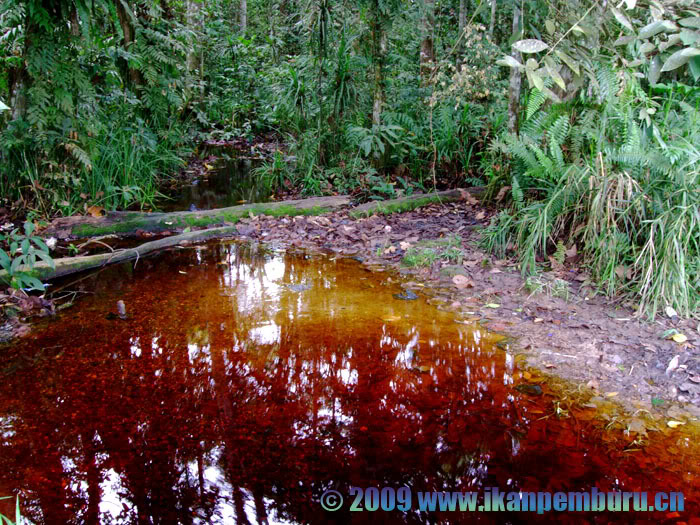
分布从湄公河流域延伸至中南半岛许多地区、马来半岛,以及苏门答腊、婆罗洲、爪哇等岛屿。能利用多种环境,但更偏好森林沼泽与支流,通常避开很急的水流。
饲养环境
用水草、沉木、陶管或盆罐形成多处阴影和藏身角落,照明偏暗。浮水植物有助于减轻躲藏倾向。布置需保留足够活动空间,水深至少为 30 cm。
缸盖必须贴合牢固,但在盖与水面间留出湿润空气层,并让鱼能自由上浮呼吸。
食性与喂食
野外主要吃小鱼和昆虫,缸内多数能接受非活体替代饵料。幼鱼可喂红虫、小蚯蚓和碎虾,成鱼可搭配鱼肉、整虾、贻贝与大蚯蚓。即使某些个体吃干粮,也不应把干粮当作主食。
不必使用活饵鱼,避免引入寄生虫或疾病。牛心、鸡肉等陆生肉类不宜作为常规食物。
繁殖
产卵后卵漂浮在水面,雌雄共同参与后代护理,并会在较长时间内陪护幼鱼。这一方式属于浮卵繁殖,不能只凭鳢类身份套用口孵流程。
补充说明
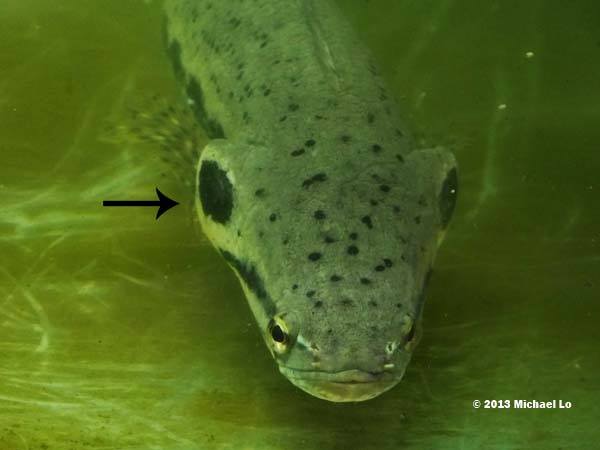
它会定期到水面吞咽空气。鳢属的辅助呼吸器官位于鳃的后上方,这使其能耐受缺氧水域,但水面呼吸通道仍必须保持畅通。
图片
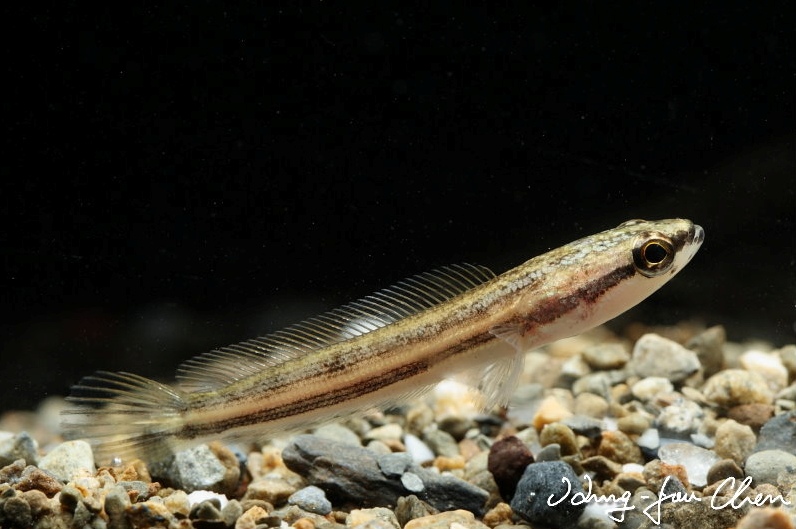
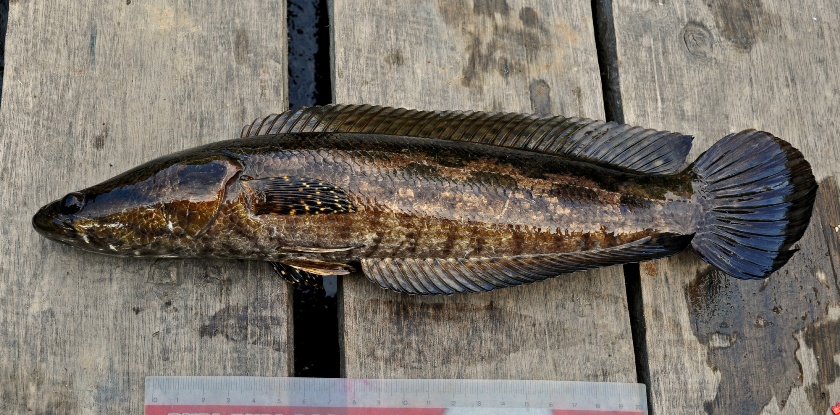
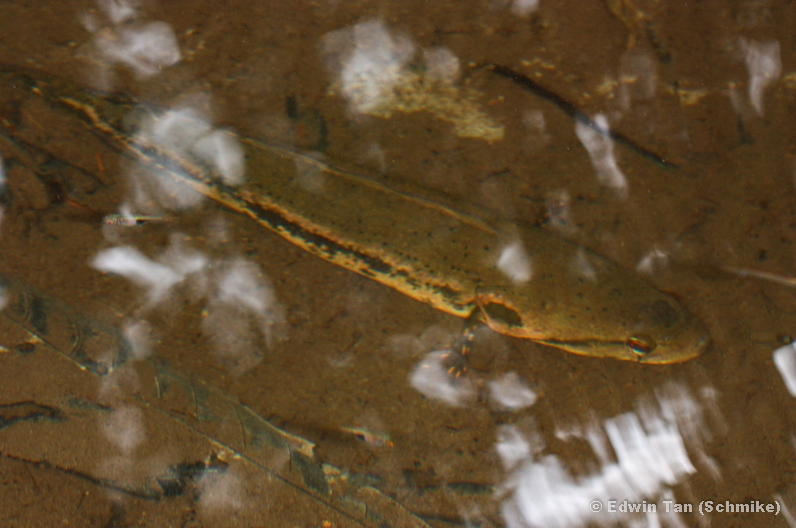
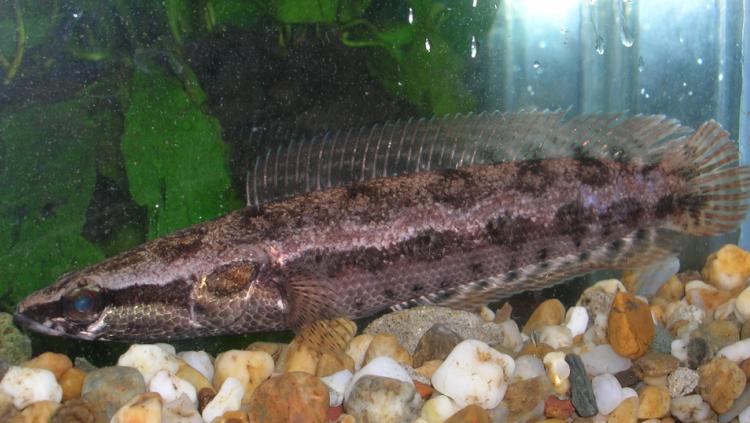
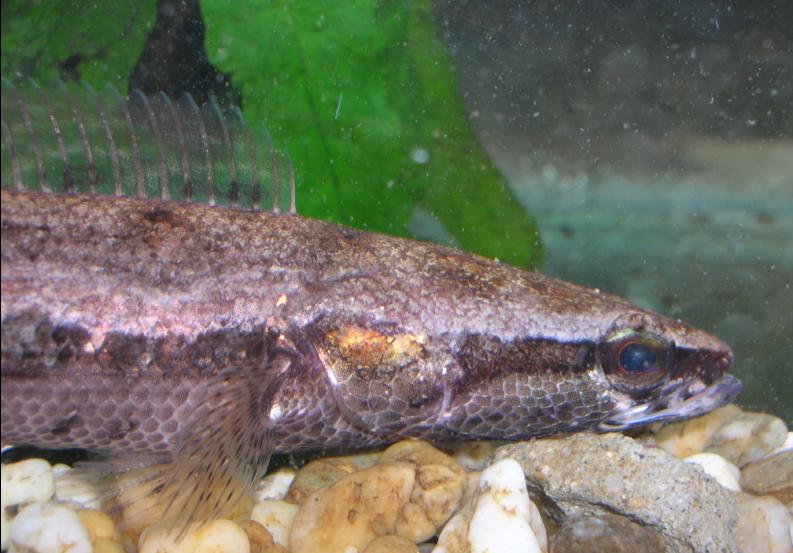
图片来自 SeriouslyFish,版权归各摄影者所有。
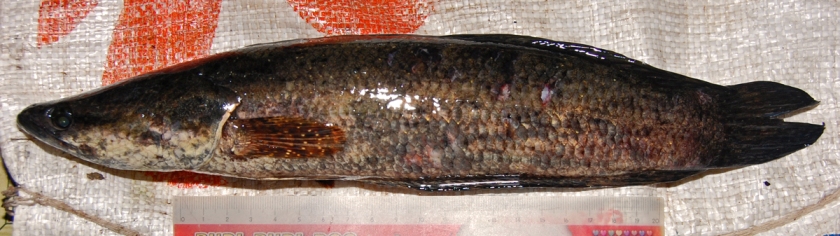
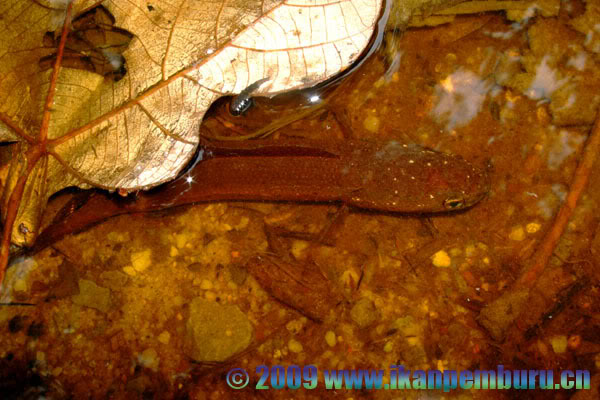
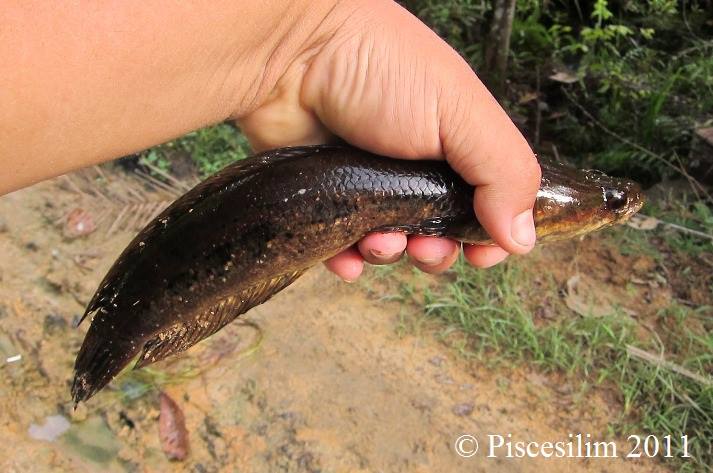
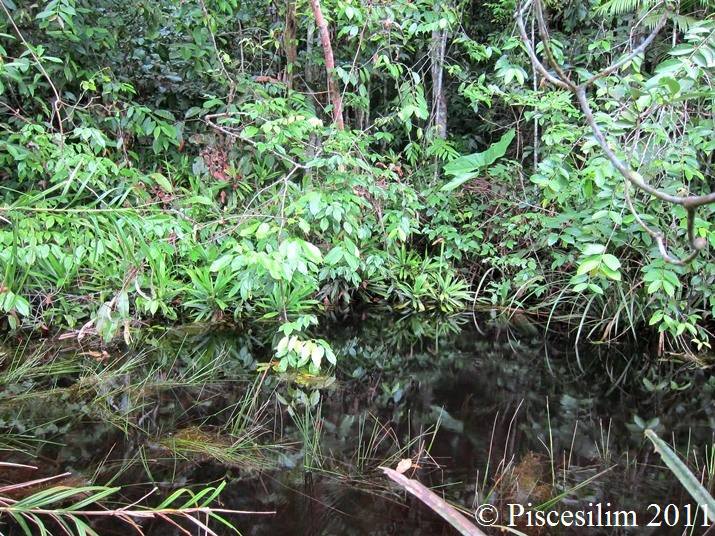
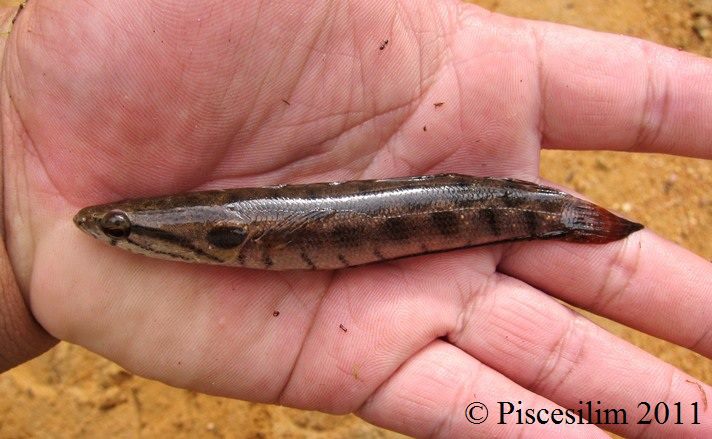
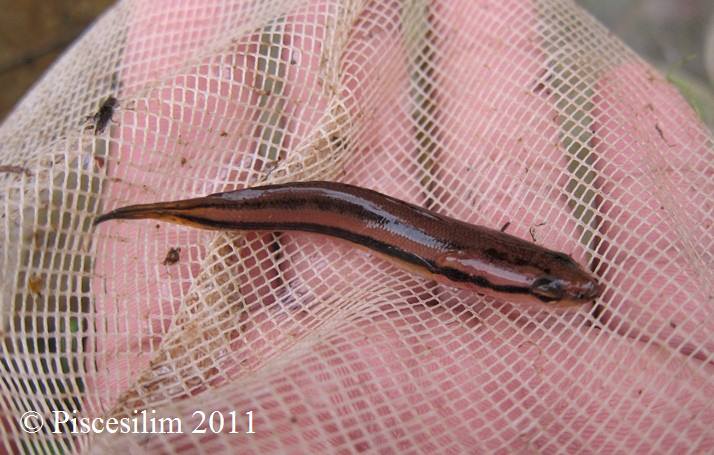
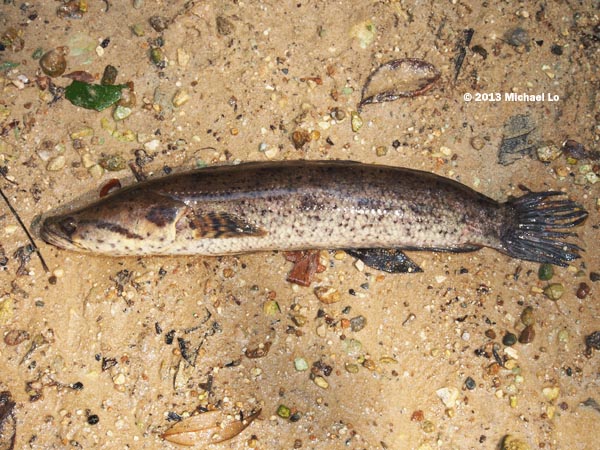
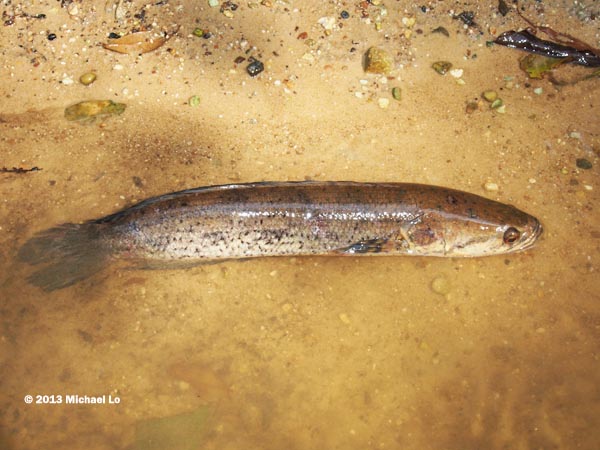
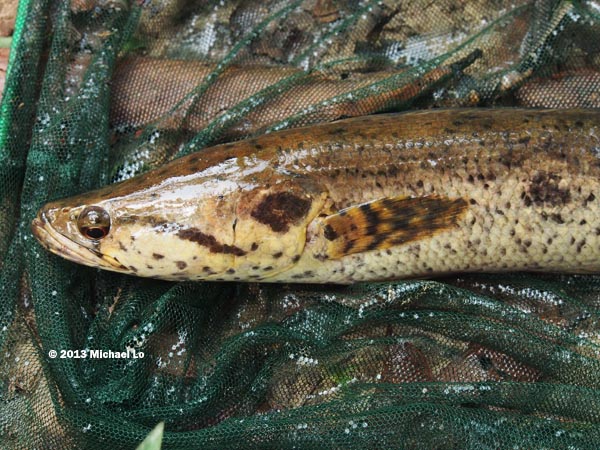
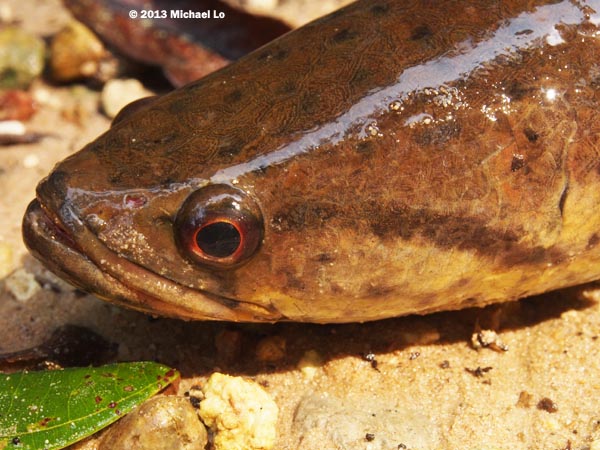
English
Overview
Channa lucius is a substantial predatory snakehead associated especially with forest swamps and tributaries. Plan care around adequate room, extensive cover, varied animal foods, and secure containment. Air breathing also makes unobstructed access to the surface essential.
Distribution & habitat
Its broad range extends from the Mekong system across much of Indochina and Peninsular Malaysia to Sumatra, Borneo, Java, and nearby islands. Although many environments are occupied, forest swamps and tributaries are favored and very fast water is generally avoided.
Aquarium setup
Arrange plants, wood, clay pipes, or pots into a network of shaded retreats under subdued lighting. Floating vegetation can make fish less inclined to remain concealed. Preserve usable swimming space, with water at least 30 cm deep.
Fit a secure lid while leaving humid air between the cover and water. Fish must be able to reach this space freely to breathe.
Diet & feeding
Small fishes and insects make up the principal wild prey, but most individuals accept nonliving alternatives. Bloodworms, small earthworms, and chopped shrimp suit juveniles. Larger fish can receive fish flesh, whole shrimp, mussels, and larger earthworms. Where dry foods are accepted, they should not replace the main animal-food menu.
Live feeder fish are unnecessary and can carry parasites or disease. Beef heart, chicken, and other terrestrial meats should not be routine foods.
Breeding
Eggs float at the surface after spawning. Both parents participate in care and remain with the young for an extended period. This floating-egg strategy should not be replaced with a mouthbrooding assumption based on related snakeheads.
Notes
Trips to the surface allow atmospheric air to be swallowed. Supplementary respiratory chambers behind and above the gills help snakeheads withstand low dissolved oxygen, but access to air must remain available in the aquarium.
来源
- https://www.seriouslyfish.com/species/channa-lucius(抓取于 2026-10-10)
channa-lucius · 文件: data/species/channa-lucius.md · 状态: 草稿