缘鳢 · Dwarf Snakehead
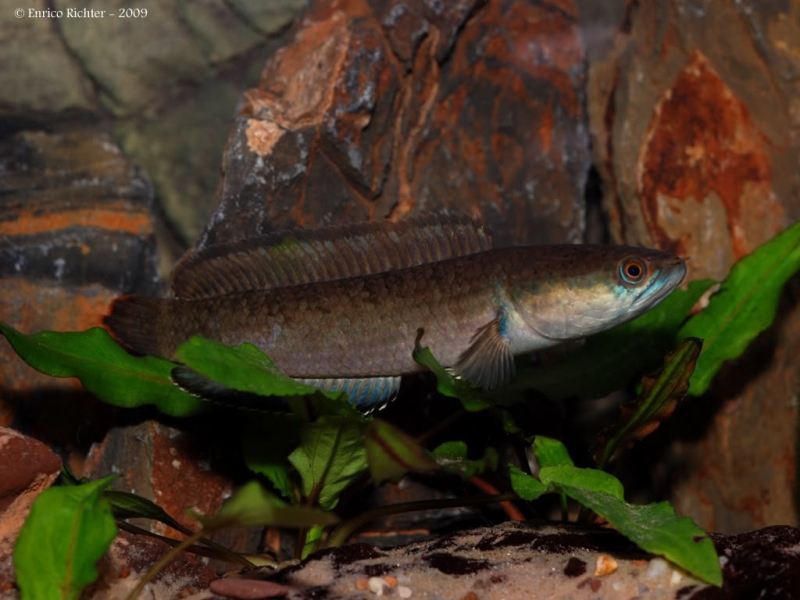
概要
| 字段 | 值 |
|---|---|
| 类别 | 鱼 |
| 学名 | Channa gachua |
| 别名 | 宽额鳢、緣鱧、寬額鱧、Ophicephalus gachua、Ophiocephalus aurantiacus、Ophicephalus marginatus、Ophicephalus cora-mota、Ophicephalus fuscus、Ophicephalus limbatus、Ophicephalus montanus、Philypnoides surakartensis、Ophiocephalus gachua var. basalis、Ophiocephalus apus、Ophiocephalus kelaartii、Ophiocephalus guachua var. malaccensis |
| 分类 | 攀鲈目 Anabantiformes › 鳢科 Channidae › Channa |
| 水体 | 淡水 |
| 原产地 | 阿富汗、孟加拉国、不丹、柬埔寨、中国、印度、印度尼西亚、伊朗、伊拉克、老挝、马来西亚、缅甸、尼泊尔、巴基斯坦、新加坡、斯里兰卡、泰国、越南 |
| 成体体长 | 20 cm |
| 饲养难度 | 中等 |
| 最小水体 | 243 L |
| 最小缸长 | 120 cm |
| 群居方式 | 成对 |
| 性情 | 温和 |
| 特征 | 会跳缸: 是;吃小鱼: 是 |
| 外部数据 | seriouslyfish channa-gachua;fishbase 50504 |
| 食性 | 肉食 |
| 繁殖方式 | 口孵 |
水质参数
| 参数 | 耐受范围 | 最适范围 | 单位 |
|---|---|---|---|
| 水温 | 18–28 | — | °C |
| pH | 5–8 | — | — |
| 总硬度 | 1–20 | — | dGH |
概述
缘鳢(Channa gachua)这一名称覆盖分布很广、外形相似的多个种群,其物种边界存在明显争议。饲养时产地信息很重要,它会影响季节温度安排、个体间相处和繁殖管理,不能把所有来源当成完全相同的鱼。
分布与栖息地
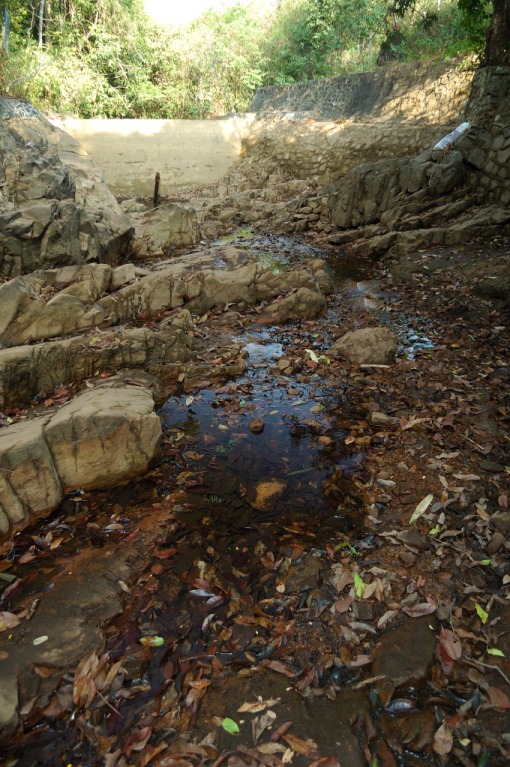
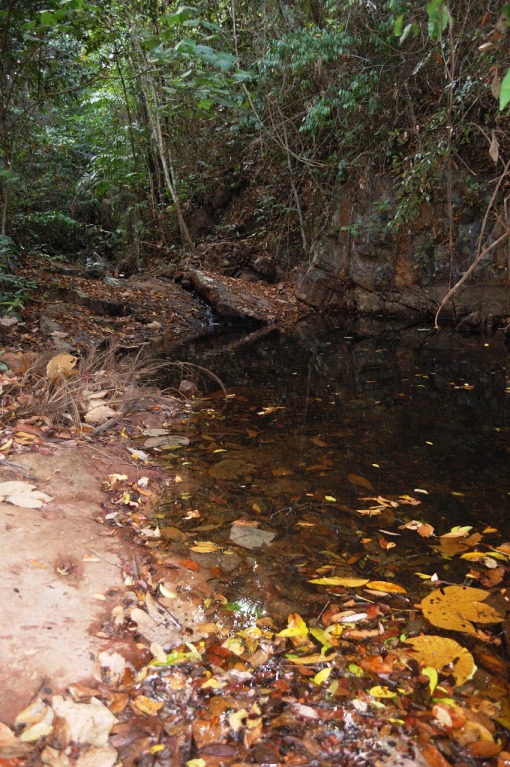
传统记录从伊朗向东延伸至台湾和巴厘岛,涉及南亚及东南亚许多国家。这是广义名称下汇总的范围,并不代表其中每个种群身份都已厘清。模式产地为孟加拉地区的池塘和沟渠。
能利用多种生境,通常避开过急水流。鳢属通过辅助呼吸结构利用空气,可耐受较低水中溶氧。
饲养环境
以较暗照明、水草、沉木、陶管等提供连续的隐蔽空间,浮水植物可增加安全感。水深至少 30 cm,缸盖严密但需在盖下保留湿润空气层。
尽量确认来源。印度北部等较冷地区的种群可能需要冬季冷凉期,热带来源则较适合相对恒定的温度,不宜把同一全年设置机械套给所有种群。
食性与喂食
野外主要捕食小鱼和昆虫,缸内多数可转食非活体动物饵。幼鱼适用红虫、小蚯蚓、碎虾,成鱼可搭配鱼肉、虾、贻贝和大蚯蚓。个别可能接受干粮,但不应以此作为主食。
不用依赖活饵鱼,以减少病原引入。牛心、鸡肉等陆生肉类不宜作为常规饵料。
习性与混养
单种缸通常更便于管理,也可谨慎搭配体形大到不会被吞食、温和且不守领地的鱼。幼鱼通常能相处,成熟后常出现同种攻击,强弱随种群而异。配对鱼彼此多能容忍,却会敌视其他同种。
雌雄区分
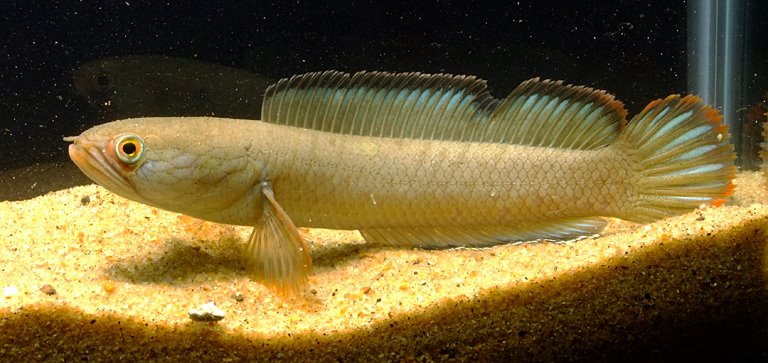
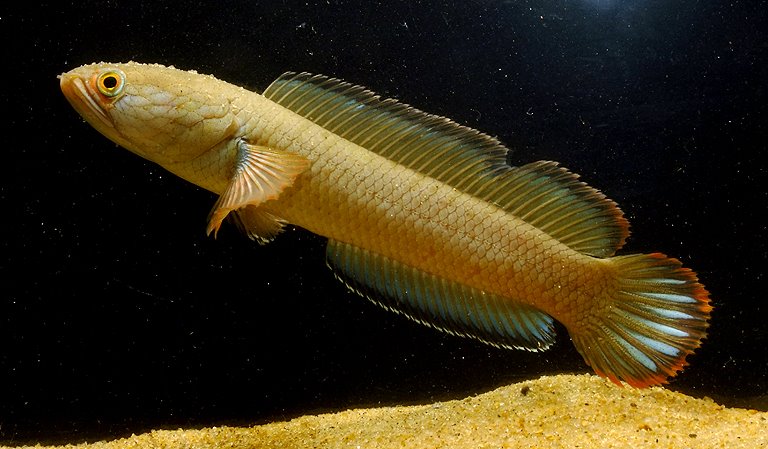
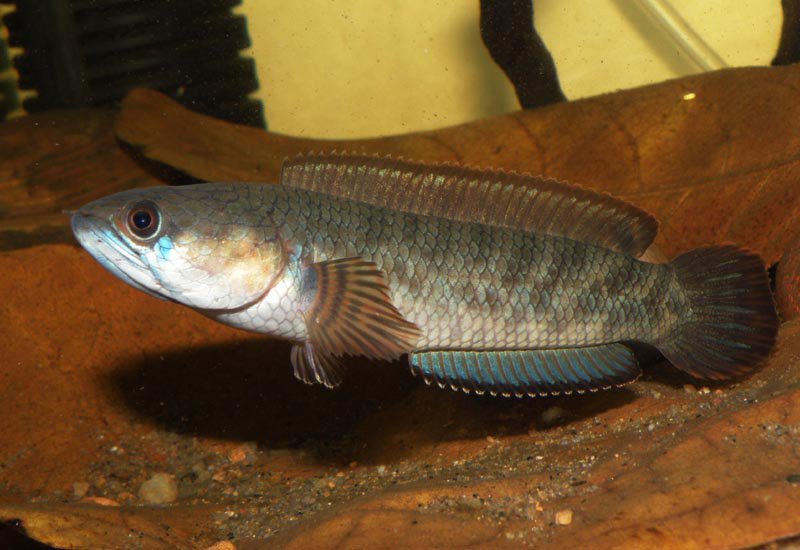
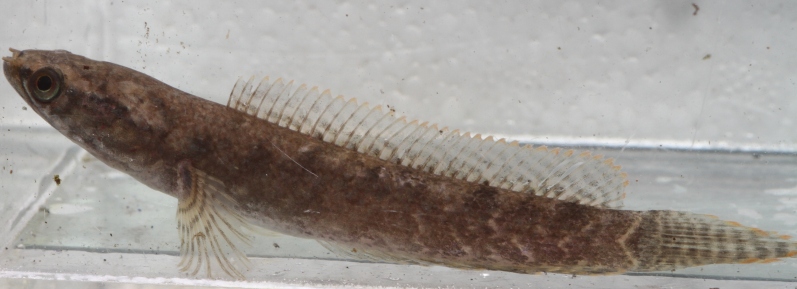
多数种群中,雄鱼背鳍和臀鳍更延长,有时体色也更鲜明。雌鱼通常更大、更深体,怀卵时腹部更加丰满;这些差异不能脱离种群背景使用。
繁殖
为口孵鱼,有经常性的缸内繁殖记录。部分种群的雌鱼会在幼鱼自由游动后产出未受精卵供其食用,但不能把这一行为推广到所有种群。不同产地应分开繁殖,部分种群之间有杂交可能。
补充说明
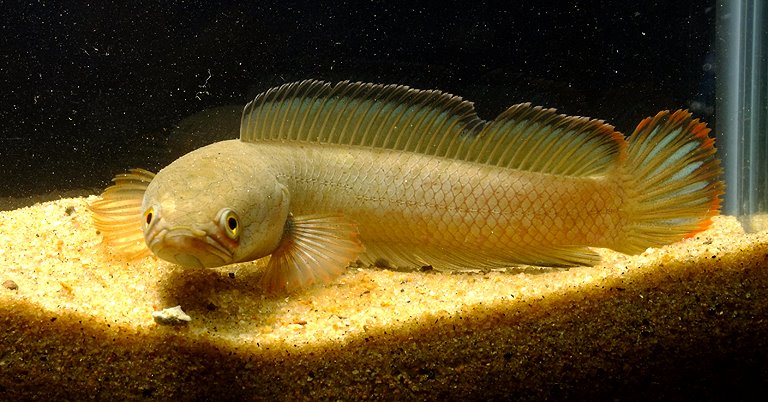
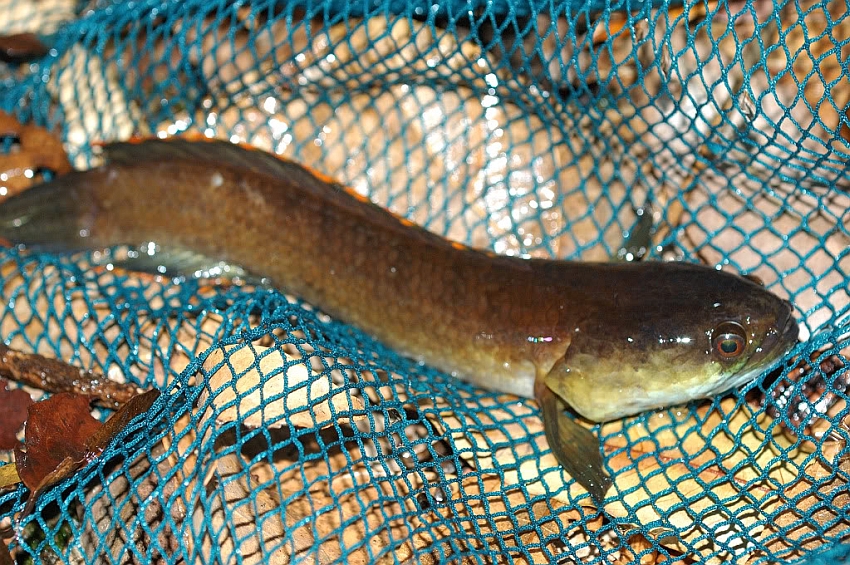
斑纹和鳍形相似,不足以证明不同来源属于同一物种。保留采集或繁育产地,有助于避免混种,也比仅凭“侏儒鳢”一类销售称呼更有价值。
图片
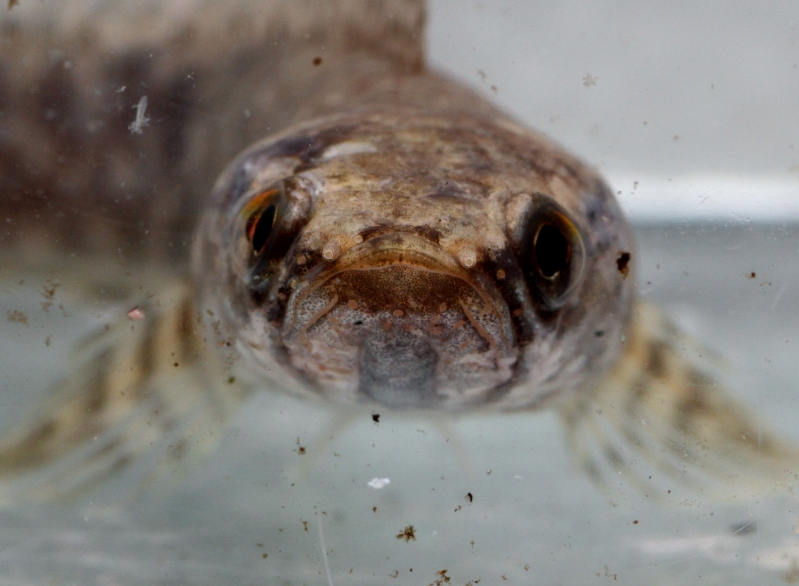
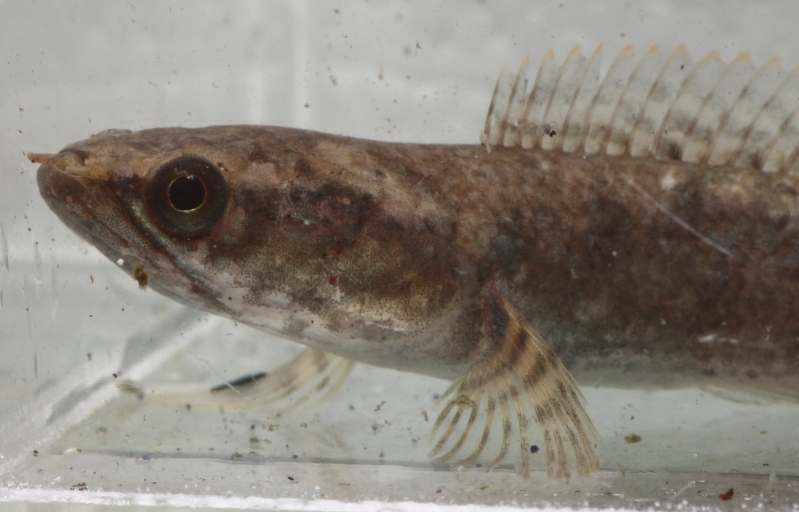
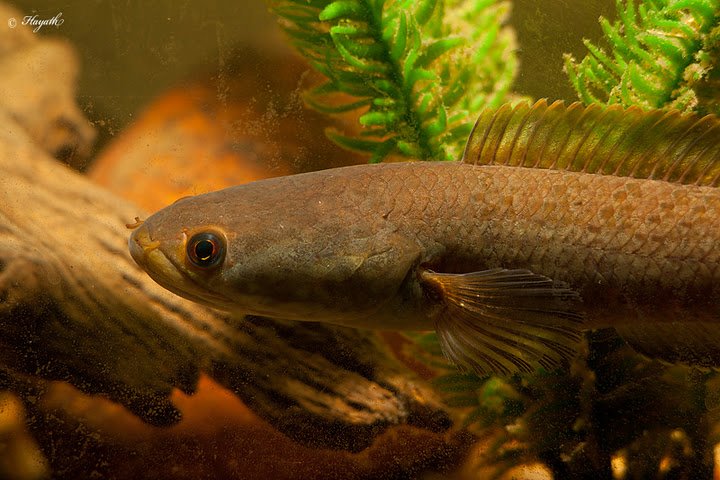
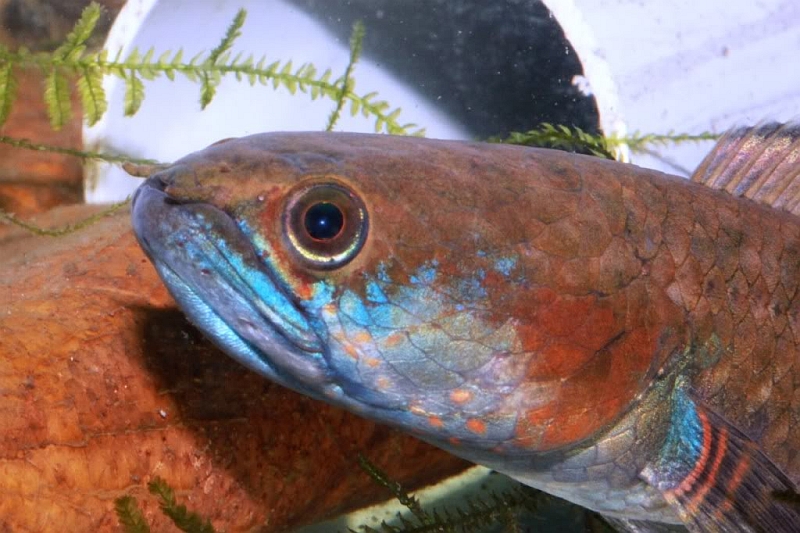
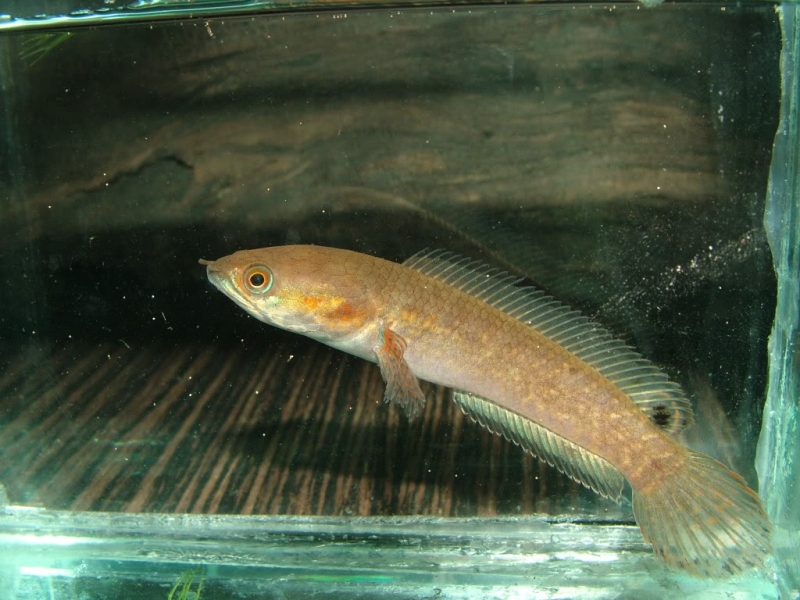
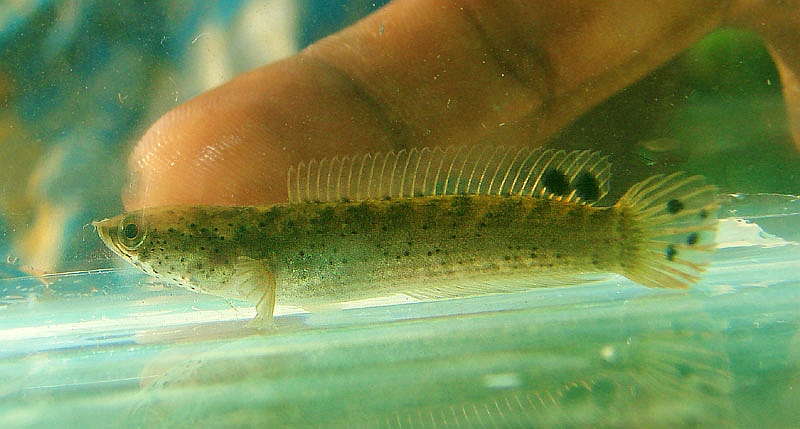
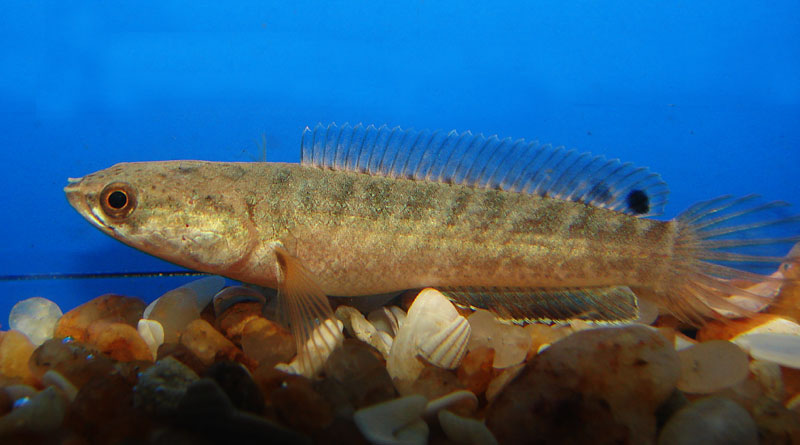
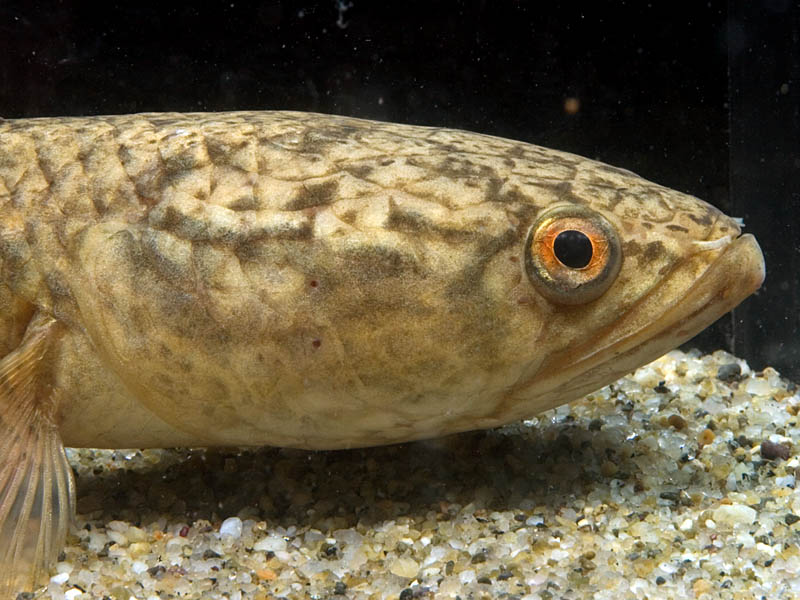
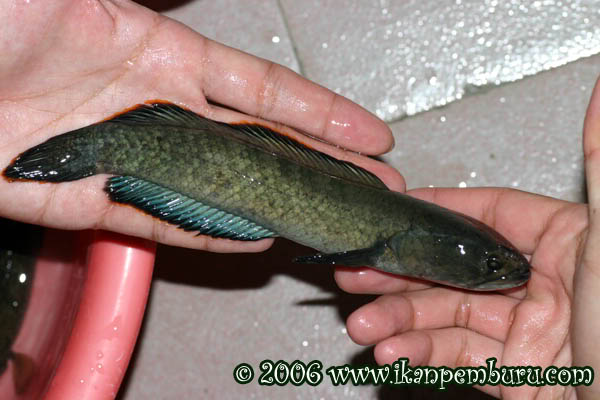
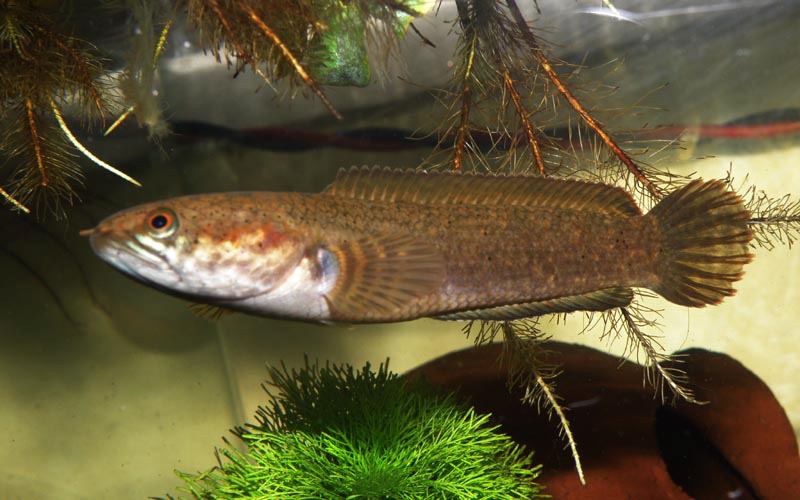
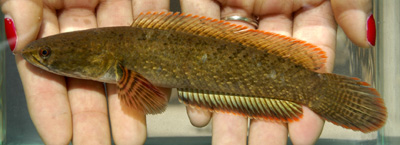
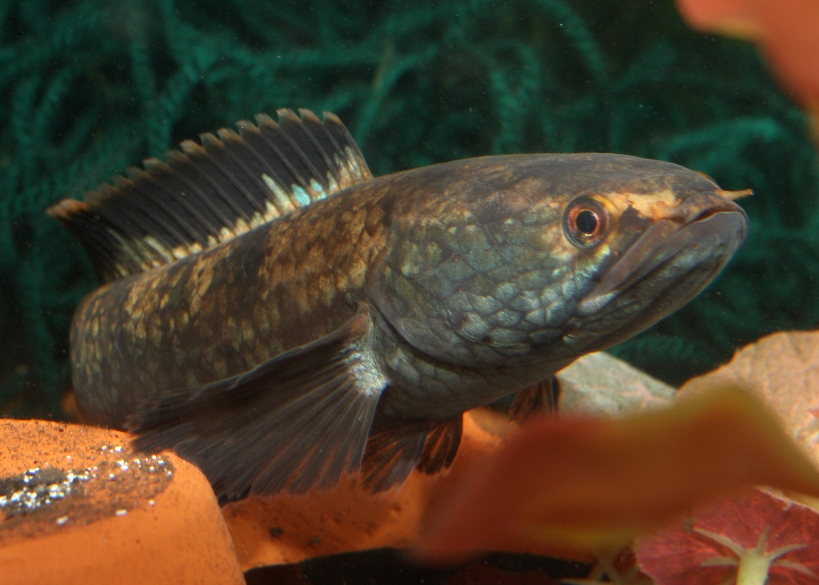
图片来自 SeriouslyFish,版权归各摄影者所有。
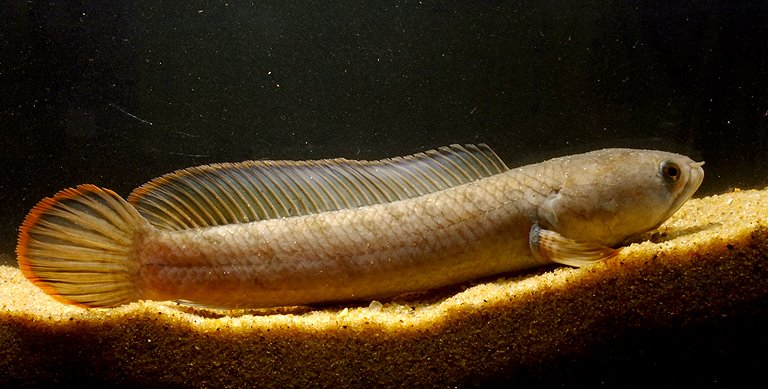
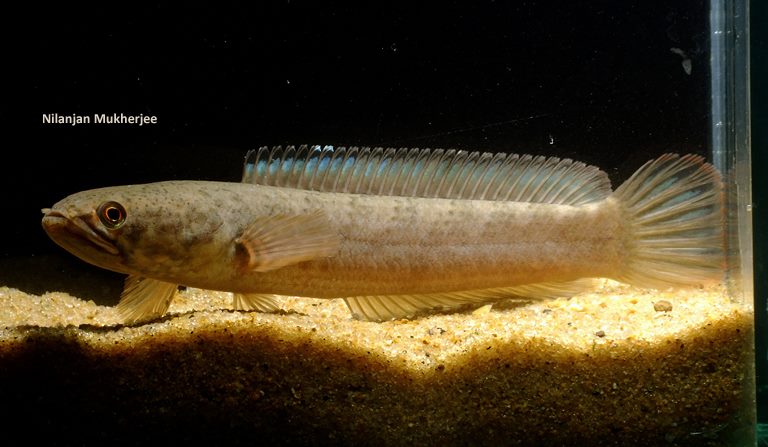
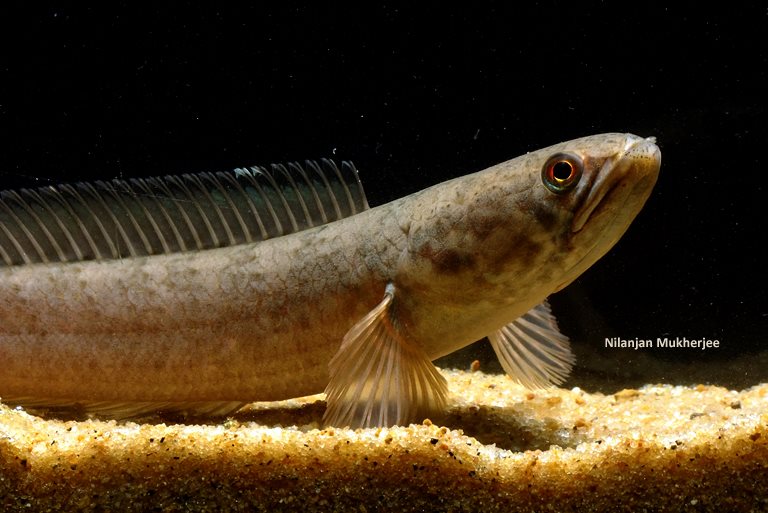
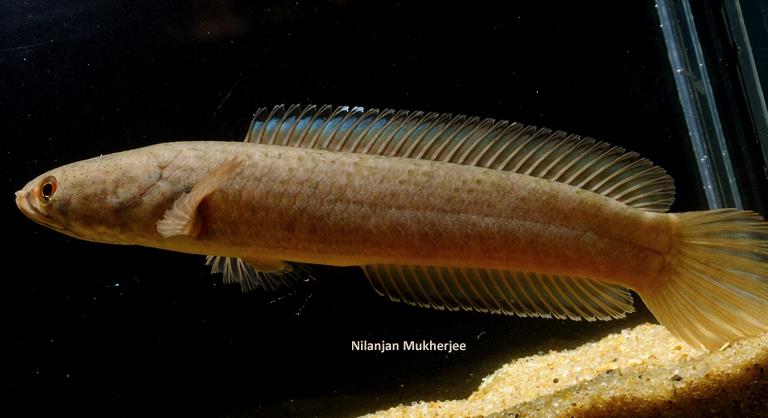
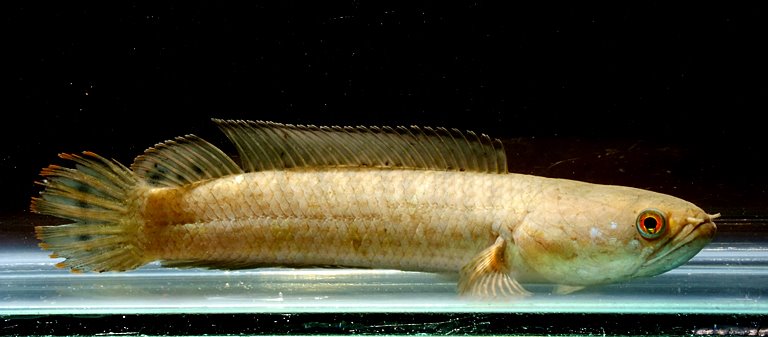
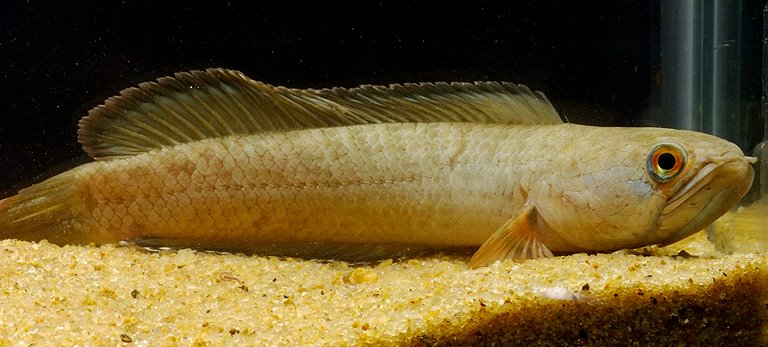
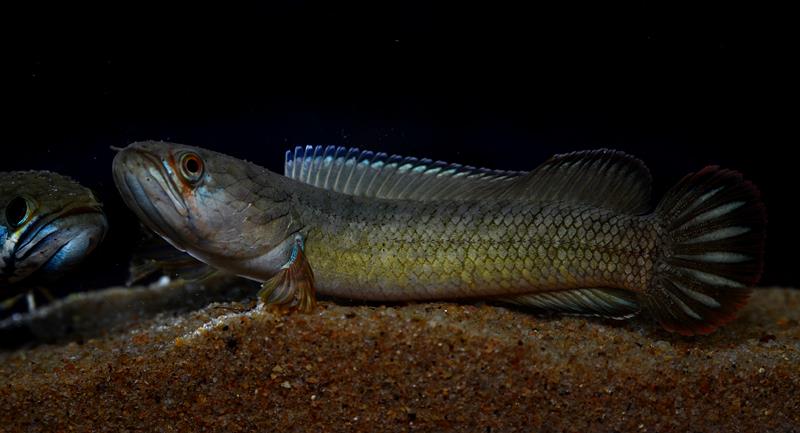
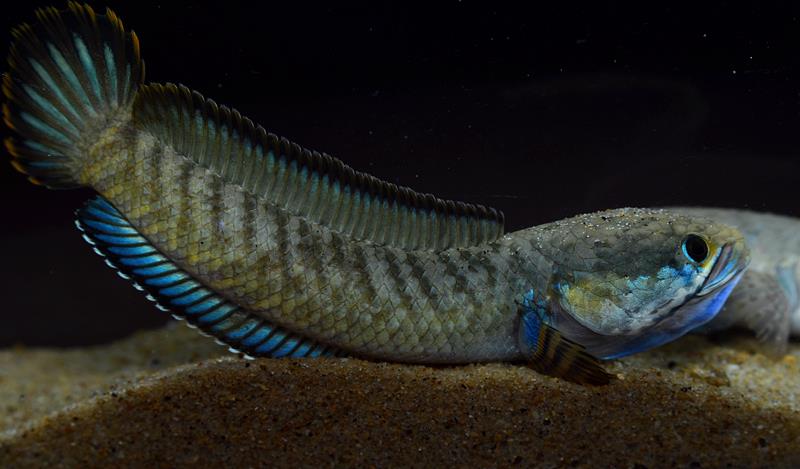
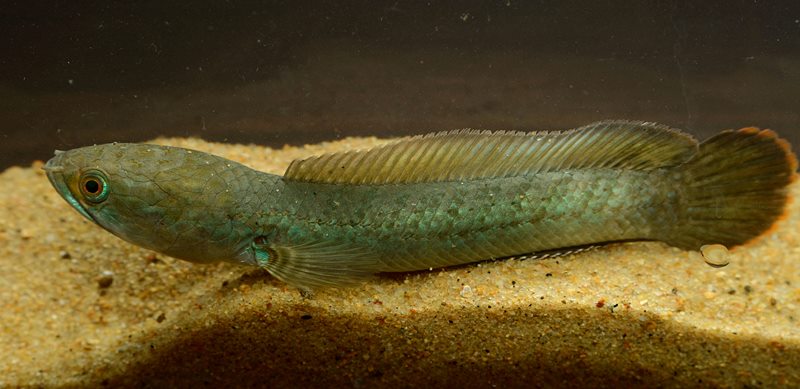
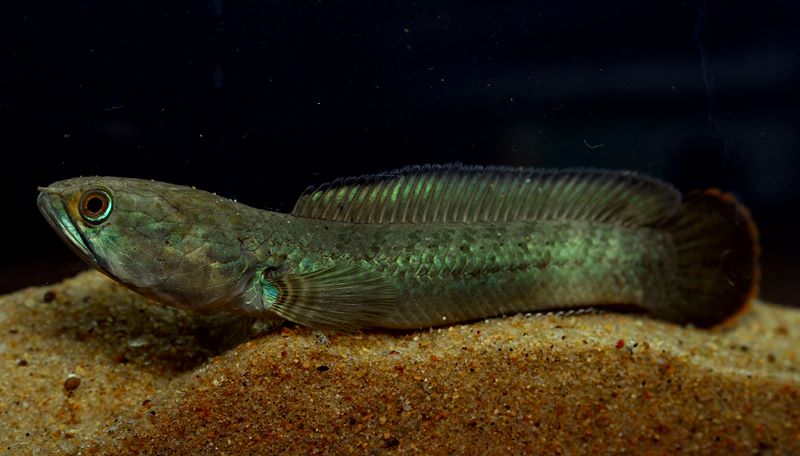
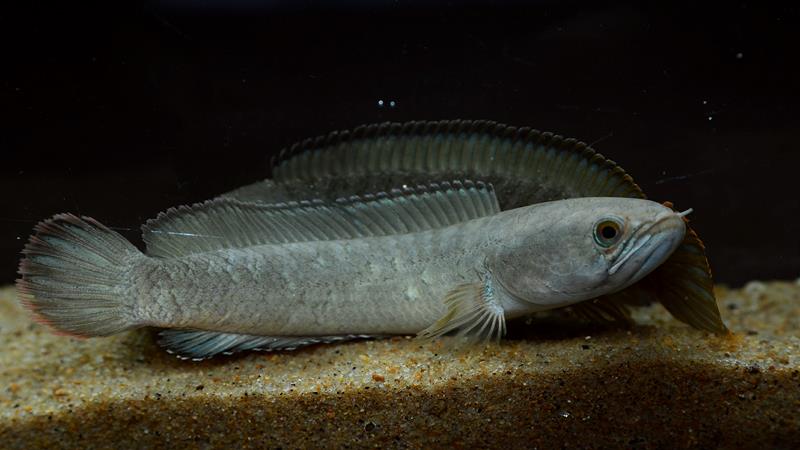
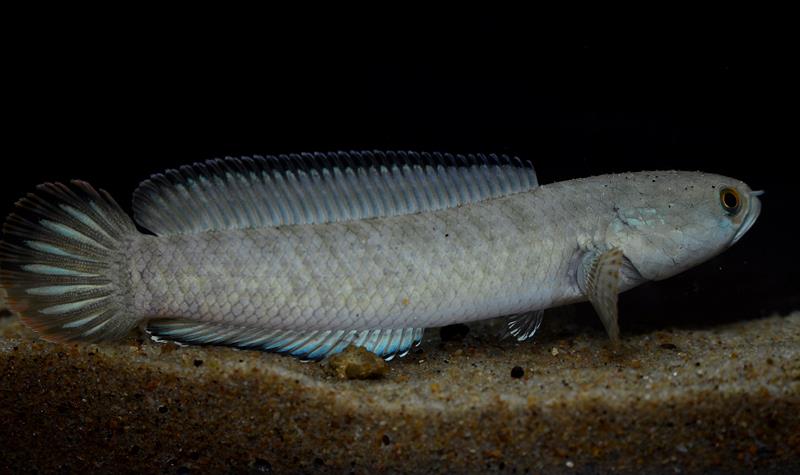
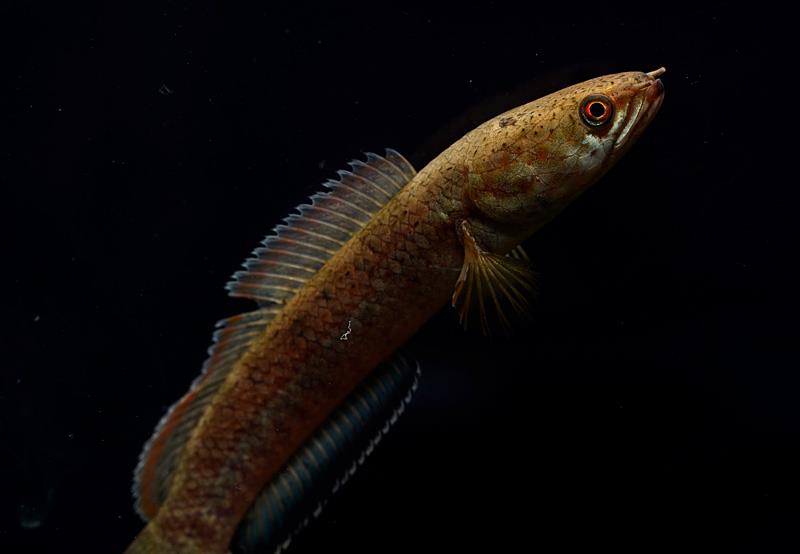
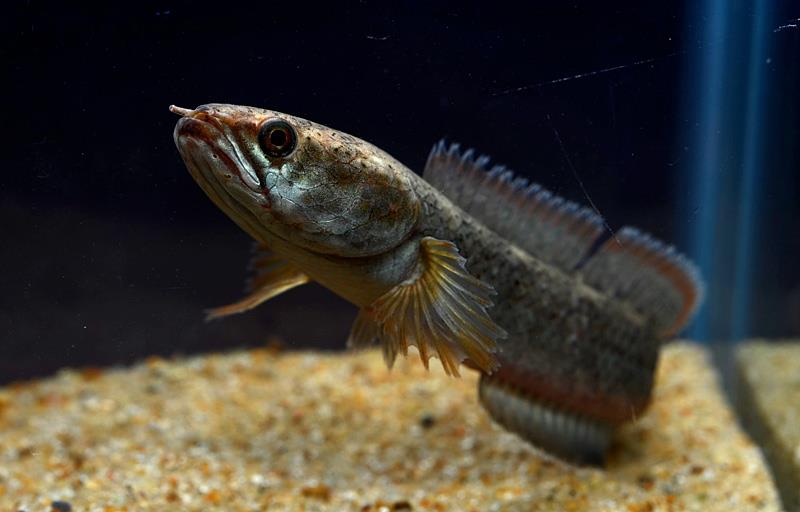
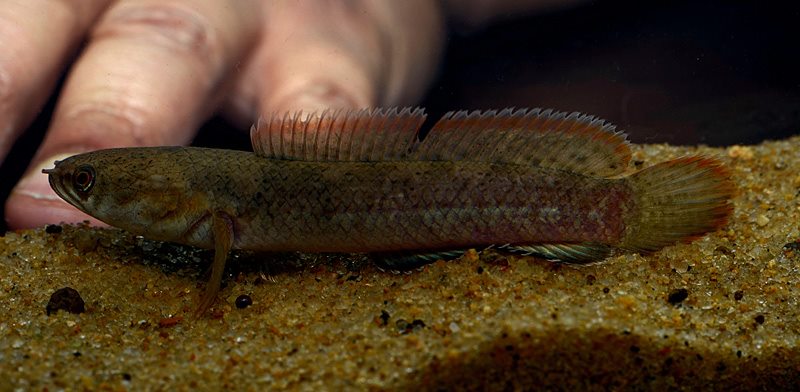
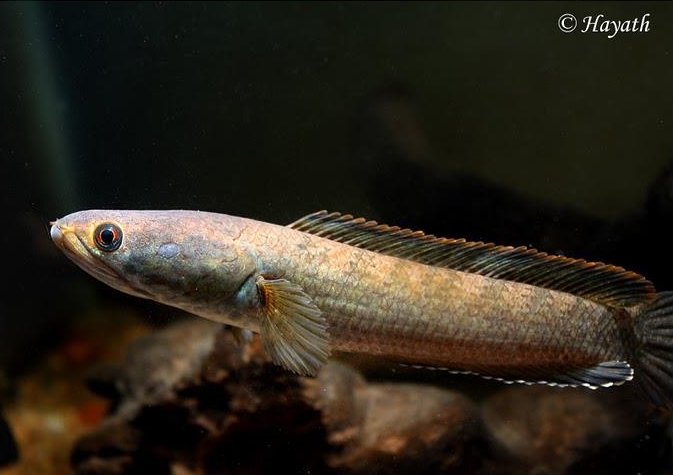
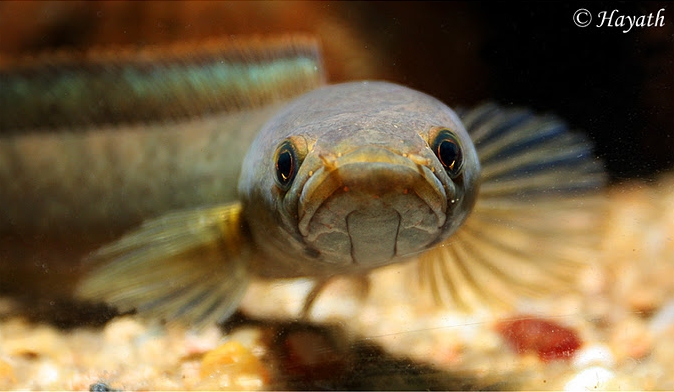
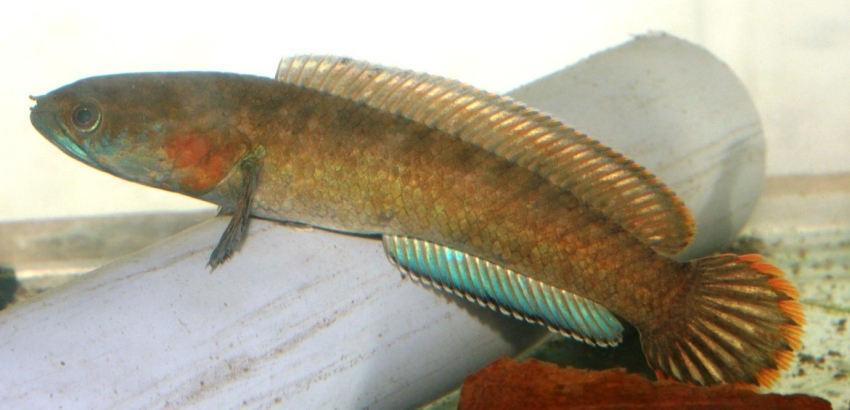
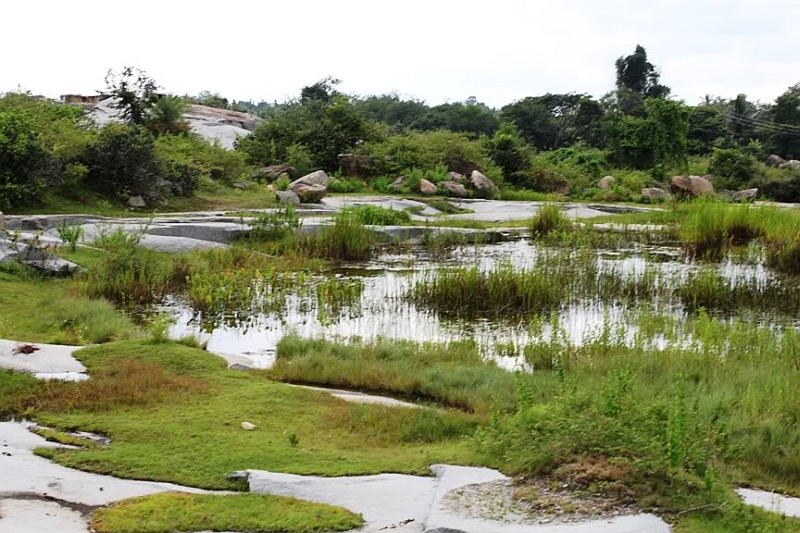
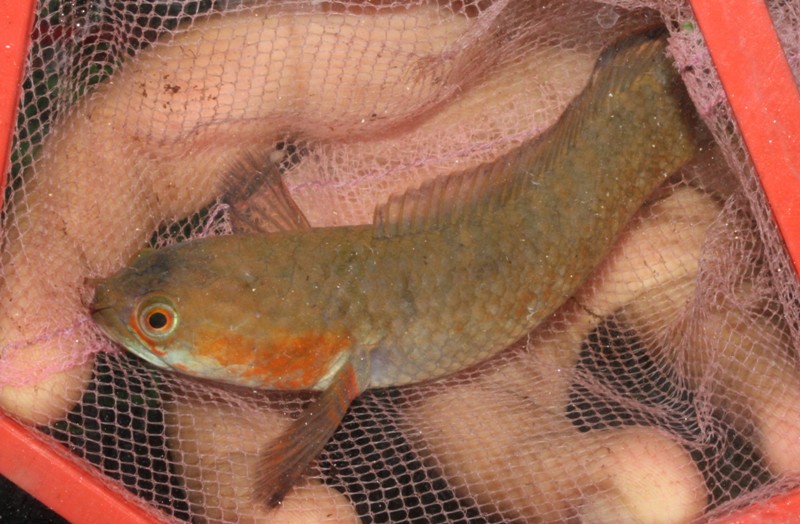
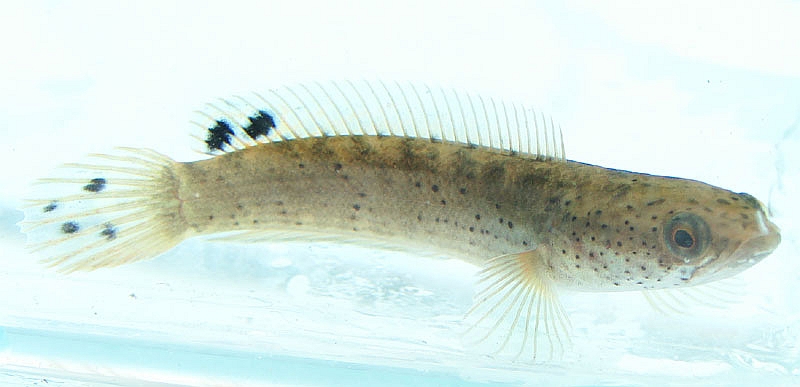
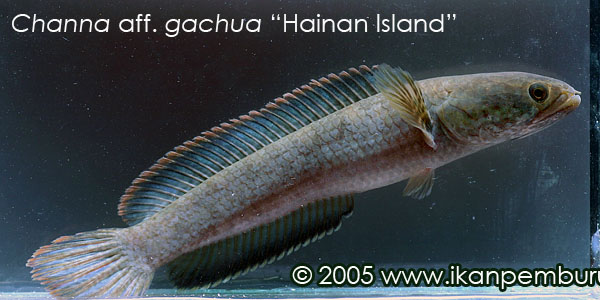
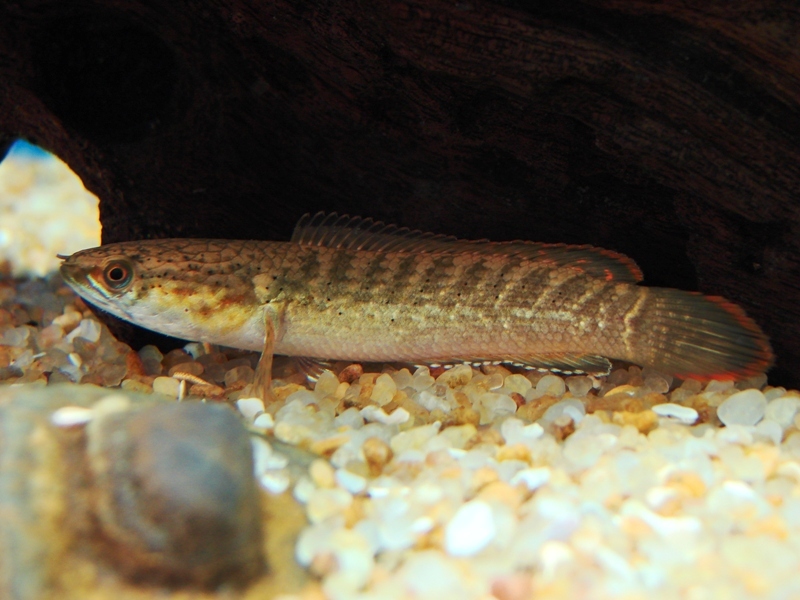
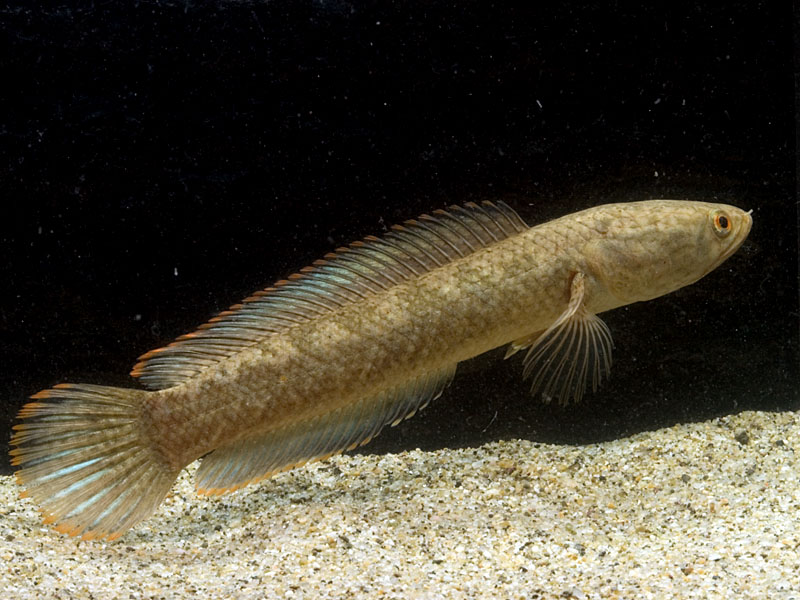
English
Overview
The name Channa gachua covers widely distributed, similar-looking populations whose boundaries remain disputed. Locality information matters for seasonal care, social behavior, and breeding. Treating every fish sold under this name as biologically identical can obscure meaningful differences.
Distribution & habitat
Traditional records extend from Iran eastward to Taiwan and Bali, encompassing much of South and Southeast Asia. This is a pooled range under a broad species concept, not evidence that every population has been resolved taxonomically. The type locality concerns ponds and ditches of Bengal.
A variety of habitats are occupied, generally excluding very rapid flow. Supplementary air breathing enables snakeheads to tolerate poorly oxygenated water.
Aquarium setup
Provide subdued lighting and connected shaded retreats made with plants, wood, and clay shelters. Floating vegetation can encourage greater visibility. Maintain at least 30 cm of water depth and a secure cover, with humid air accessible beneath it.
Establish the fish's origin where possible. Populations from cooler regions such as northern India may need a winter cooling period, while tropical populations are more suited to relatively stable temperatures. One identical annual regime should not be assumed appropriate for every locality.
Diet & feeding
The principal natural prey is small fishes and insects. Most fish accept nonliving animal foods in captivity. Juveniles can take bloodworms, small earthworms, and chopped shrimp; larger individuals accept fish flesh, shrimp, mussels, and larger earthworms. Dry foods may be accepted but should not form the staple.
Feeder fish are unnecessary and create disease risks. Terrestrial meats such as beef heart or chicken are inappropriate routine foods.
Behaviour & compatibility
Dedicated housing is generally easiest to manage. Carefully chosen companions must be peaceful, nonterritorial, and too large to be swallowed. Young fish often coexist, but aggression toward conspecifics commonly appears with maturity and varies among populations. Established partners tend to tolerate one another while excluding other fish of their kind.
Sexual dimorphism
In most populations, males develop longer dorsal and anal fins and sometimes stronger coloration. Females tend to become larger and deeper-bodied, particularly when carrying eggs. Use these tendencies in the context of the population rather than as universal rules.
Breeding
Mouthbrooding occurs and captive reproduction is frequent. Females in some populations produce unfertilized eggs for free-swimming young to eat; this should not be generalized to every population. Keep different geographic stocks separate because some can hybridize.
Notes
Similar markings and fin shapes do not settle the identity of fish from different places. Preserving locality and breeding-line information helps avoid accidental mixing and is more informative than a broad dwarf snakehead sales label.
来源
- https://www.seriouslyfish.com/species/channa-gachua(抓取于 2026-10-10)
channa-gachua · 文件: data/species/channa-gachua.md · 状态: 草稿