Channa burmanica
概要
| 字段 | 值 |
|---|---|
| 类别 | 鱼 |
| 学名 | Channa burmanica |
| 分类 | 攀鲈目 Anabantiformes › 鳢科 Channidae › Channa |
| 水体 | 淡水 |
| 原产地 | 缅甸 |
| 成体体长 | 20 cm |
| 饲养难度 | 中等 |
| 最小水体 | 243 L |
| 最小缸长 | 120 cm |
| 群居方式 | 成对 |
| 特征 | 会跳缸: 是;吃虾: 是 |
| 外部数据 | seriouslyfish channa-burmanica;fishbase 61418 |
| 食性 | 肉食 |
水质参数
| 参数 | 耐受范围 | 最适范围 | 单位 |
|---|---|---|---|
| 水温 | 10–22 | — | °C |
| pH | 6–8 | — | — |
| 总硬度 | 2–20 | — | dGH |
概述
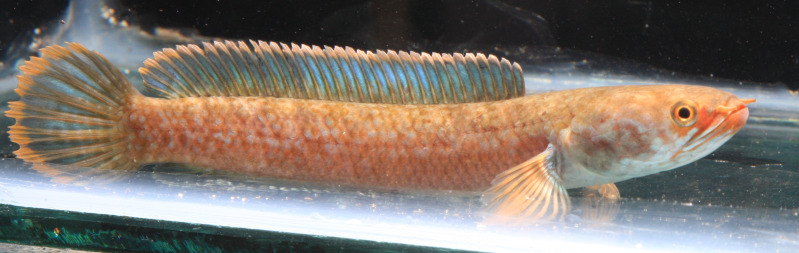
Channa burmanica 是无腹鳍的鳢类,已知来自缅甸北部。它的名字曾被误用于其他雷龙,包括冰火雷龙(Channa sp. 'fire and ice'),购买时需要区分真正的本种与借用其名的贸易鱼。
分布与栖息地
似局限于伊洛瓦底江北部源头,已知记录集中于 Mali Hka 水系,模式地在克钦邦葡萄附近。完整分布范围尚不清楚。
葡萄靠近喜马拉雅山东端,周围有雪山,气候受季风影响,湿季较长、冬夏气温有差别。区域气候只说明季节背景,不能直接当作具体河段水温。
饲养环境
建议底面积至少约 120 × 45 cm,水深不少于 30 cm。采用较暗照明、浮水植物和水下遮蔽物,让鱼能选择隐蔽位置。
缸盖必须贴合防逃,同时在盖子下留出湿润空气层,并确保能上浮换气。能呼吸空气并不代表可以让它自行爬出缸外,防逃与呼吸空间需要一起设计。
食性与喂食
它是专性捕食者,野外可能吃小鱼和昆虫。多数个体可以转食非活体饵料,幼鱼可喂红虫、小蚯蚓及碎虾,成鱼可轮换鱼肉条、整虾、贝肉、活河虾和较大蚯蚓。接受干粮也不表示适合以干粮作主食。
不要使用牛心或鸡肉等禽畜肉。普通活饲料鱼没有必要,可能把寄生虫或病原带进缸里;以多种适口水生动物饵料维持菜单更合适。
补充说明
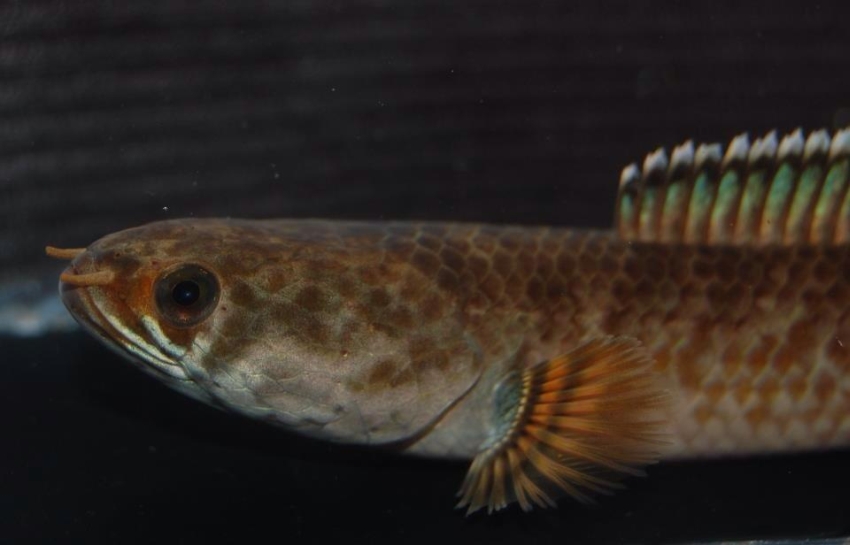
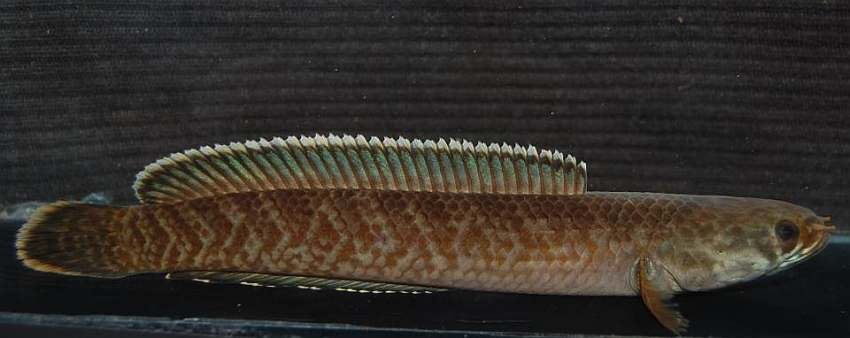
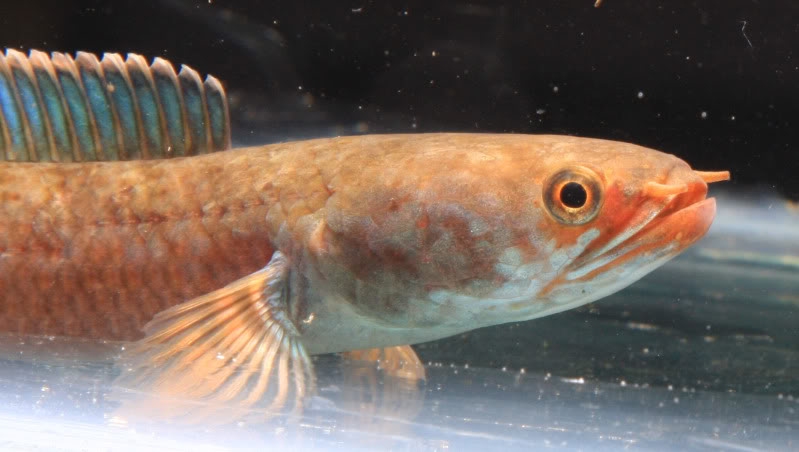
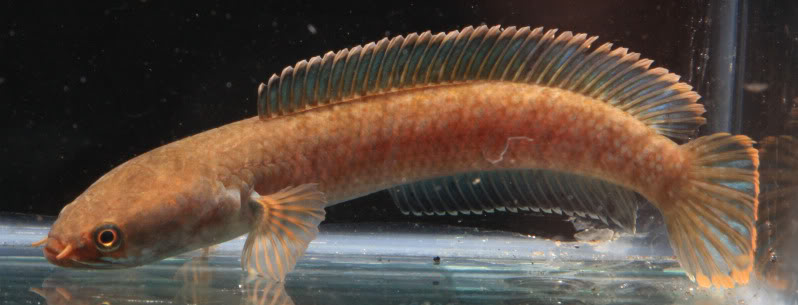
识别线索包括没有腹鳍、胸鳍明暗相间,以及背鳍和臀鳍鳍条末端偏白。缸养个体还显示眼部与上唇间可能有橙褐色斑,这是一项观察线索,并非所有贸易鱼都可仅凭这一点定种。
鳢类在鳃后上方有成对附属呼吸腔,能利用空气;它们与迷鳃鱼的迷鳃结构并不相同。保留产地和来源信息,有助于避免不同未定名雷龙之间的混淆。
图片
图片来自 SeriouslyFish,版权归各摄影者所有。
English
Overview
Channa burmanica is a pelvic-finless snakehead known from northern Myanmar. Its name has been applied to other snakeheads, including Channa sp. 'fire and ice'. Distinguishing the actual species from trade fishes carrying its name is therefore a practical concern.
Distribution & habitat
It appears restricted to northern headwaters of the Ayeyarwady, with known records in the Mali Hka drainage. The type locality is near Putao in Kachin State, and the complete range remains unclear.
Putao lies near the eastern Himalayas, surrounded by snowy mountains. Monsoon influence produces a long wet season and seasonal air-temperature changes. That regional climate describes the setting rather than measured conditions in a particular stream.
Aquarium setup
Allow at least about 120 × 45 cm with water no shallower than 30 cm. Use subdued light, floating vegetation, and submerged refuges so fish can choose cover.
Fit a closely secured lid while leaving humid air beneath it and a clear route to the surface. Air breathing does not make escape acceptable; access to air and prevention of escape must be designed together.
Diet & feeding
This is an obligate predator, probably taking smaller fish and insects in the wild. Most individuals adapt to nonliving foods. Juveniles can receive bloodworms, small earthworms, and chopped shrimp; adults accept fish strips, whole shrimp, mussels, live river shrimp, and larger earthworms. Dry-food acceptance does not make it suitable as the staple.
Avoid beef heart, chicken, and other mammalian or bird meat. Routine feeder fish are unnecessary and may introduce parasites or pathogens. A varied menu of appropriately sized aquatic animal foods is preferable.
Notes
Identification clues include absent pelvic fins, alternating pale and dark pectoral bands, and pale tips on dorsal and anal rays. Aquarium observations also suggest orange-brown patches between the eye and upper lip, but that feature alone cannot authenticate every trade specimen.
Snakeheads use paired supplementary chambers above and behind the gills for air breathing; these are distinct from a labyrinth organ. Preserve locality and provenance information to reduce confusion between unnamed trade forms.
来源
- https://www.seriouslyfish.com/species/channa-burmanica(抓取于 2026-10-10)
channa-burmanica · 文件: data/species/channa-burmanica.md · 状态: 草稿