巴卡雷龙
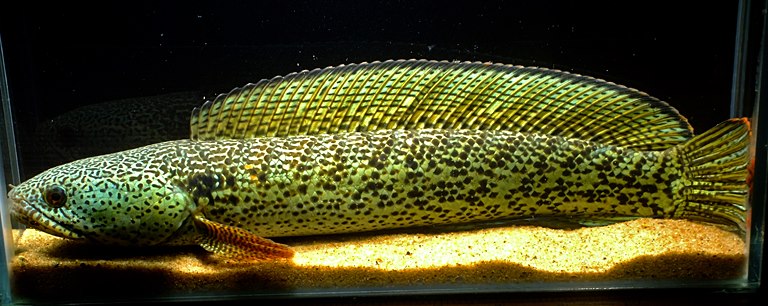
概要
| 字段 | 值 |
|---|---|
| 类别 | 鱼 |
| 学名 | Channa barca |
| 别名 | 巴卡鱧、Ophiocephalus barca、Ophicephalus nigricans、巴卡鳢 |
| 分类 | 攀鲈目 Anabantiformes › 鳢科 Channidae › Channa |
| 水体 | 淡水 |
| 原产地 | 印度 |
| 成体体长 | 90 cm |
| 饲养难度 | 中等 |
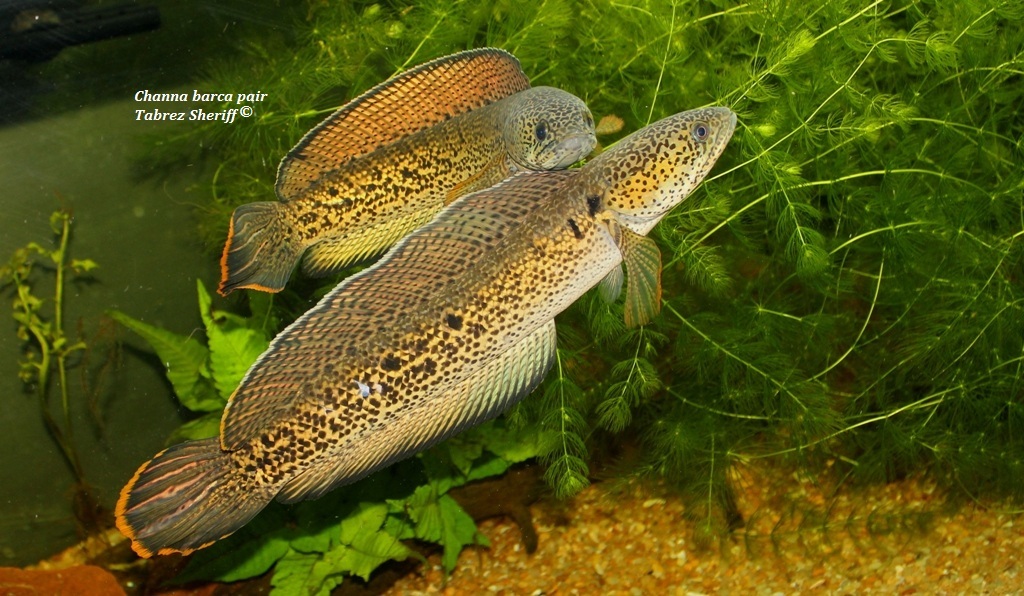
| 群居方式 | 成对 |
| 特征 | 会跳缸: 是 |
| 外部数据 | seriouslyfish channa-barca;fishbase 10133 |
| 食性 | 肉食 |
| 领地性 | 是 |
| 性情 | 攻击性 |
水质参数
| 参数 | 耐受范围 | 最适范围 | 单位 |
|---|---|---|---|
| 水温 | 10–28 | — | °C |
| pH | 6–8 | — | — |
| 总硬度 | 2–20 | — | dGH |
概述
巴卡雷龙(Channa barca)是大型鳢类,来自印度东北部范围有限的湿地。饲养的重点不是贸易中是否稀少,而是长期的大空间、明确的冬夏季节变化,以及同种之间可能突然发生的严重冲突。
分布与栖息地
已知分布集中于印度阿萨姆邦和那加兰邦,涉及布拉马普特拉河流域。尼泊尔及孟加拉国的记录存疑。
它在湿地边缘的竖直洞穴中度过干燥冬季。洞穴常约一米深,通道连接地下水位附近的较大洞室;水域再次被淹后,鱼才出来捕食和繁殖。这种特殊微生境和狭窄分布,使其种群保护值得关注。
饲养环境
适合公共设施或极大型私人水族箱。水面可提供浮水植物、枝条及垂覆植被遮蔽。缸盖要严密,并在盖与水面之间留出湿润空气层,供其上浮呼吸。
不能全年维持单一恒温,应有清楚的冬季低温与夏季较暖阶段。低温期食量下降,水位可随蒸发自然降低;这不等于把鱼缸模拟成完全干涸的洞穴。
食性与喂食
属于专性捕食者,野外猎物可能包括小鱼和昆虫。多数能适应非活体动物性饵料。幼鱼可喂红虫、小蚯蚓和碎虾,成鱼可用鱼肉条、整虾、贻贝和大蚯蚓;即使个体接受干饲料,也不宜用其作唯一主食。
无需依赖活饵鱼,避免引入寄生虫或疾病。牛心、鸡肉等陆生肉类不宜作为常规食物。
习性与混养
优先单种饲养,对同种领地意识强且攻击激烈。即使一对或一群已经相处很久,暴力冲突仍可能突然发生,长期表面稳定并不能作为无风险的保证。
雌雄区分
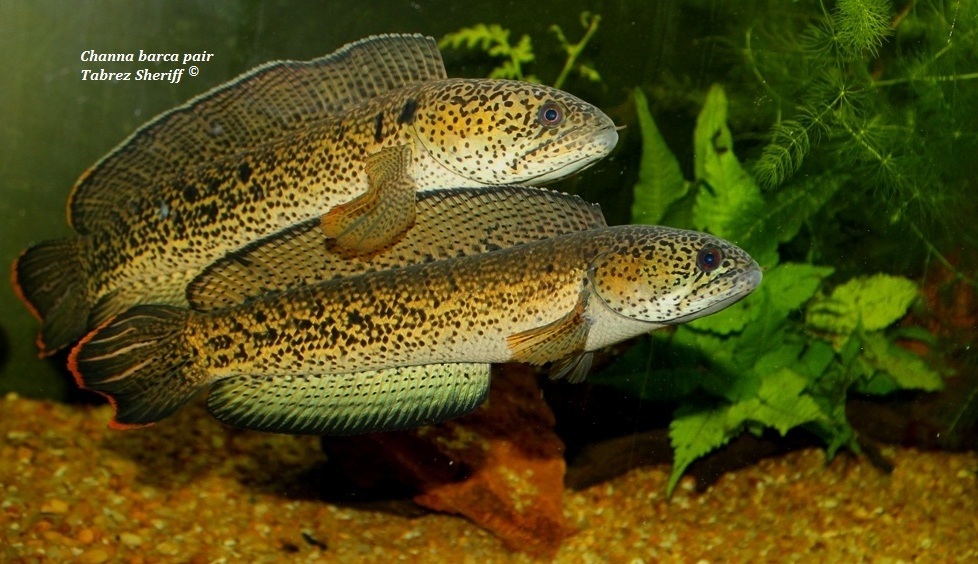
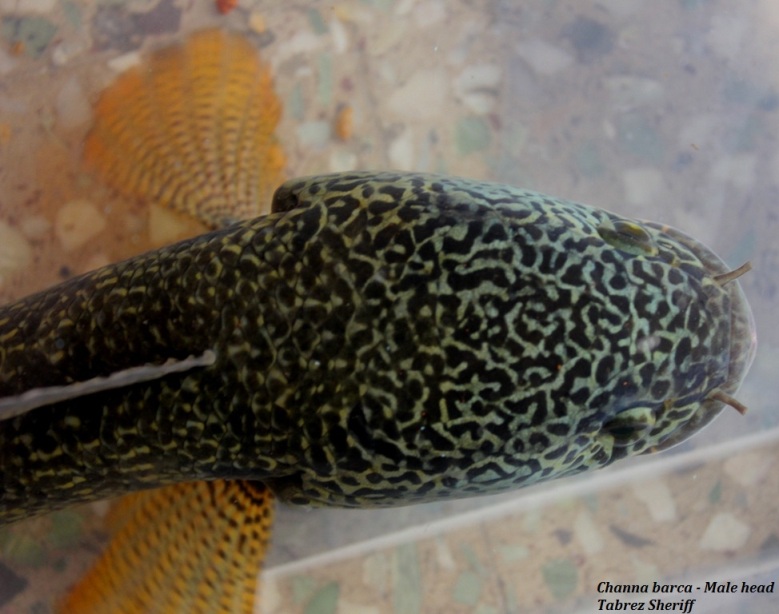
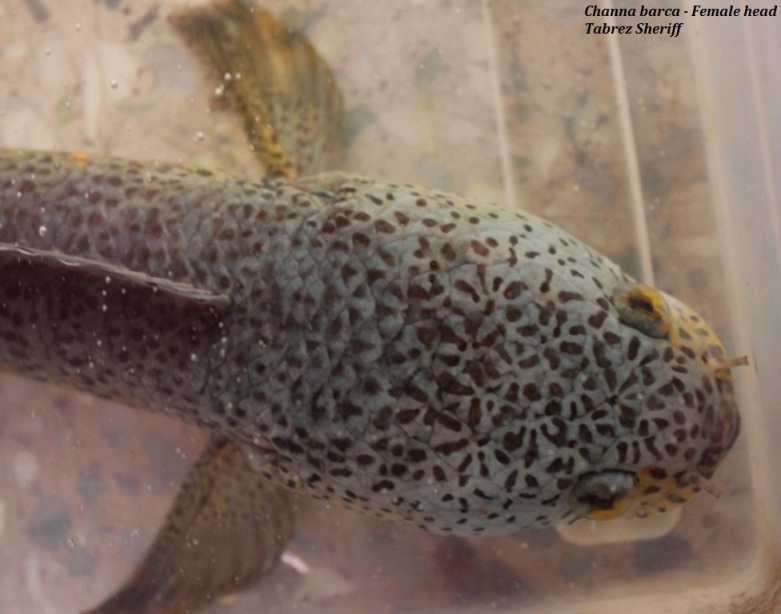
雄鱼长到约 15 cm 后,背鳍开始更延长,花纹也更强烈。从上方看,成年雌鱼通常头部更宽。
补充说明
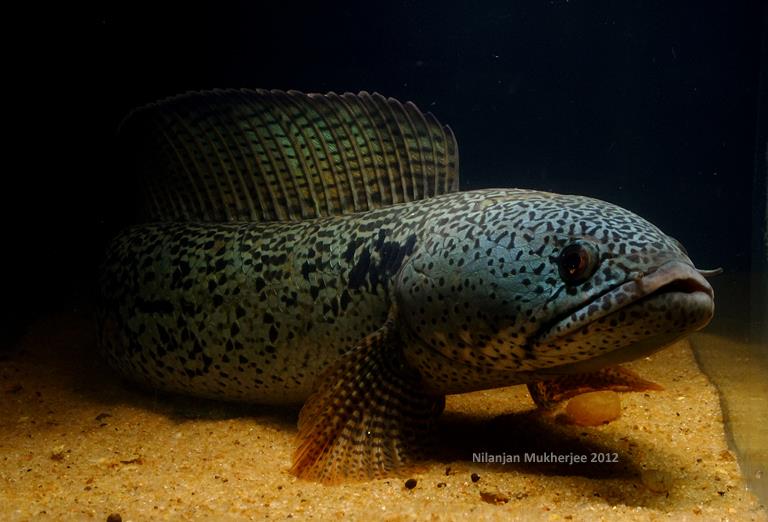
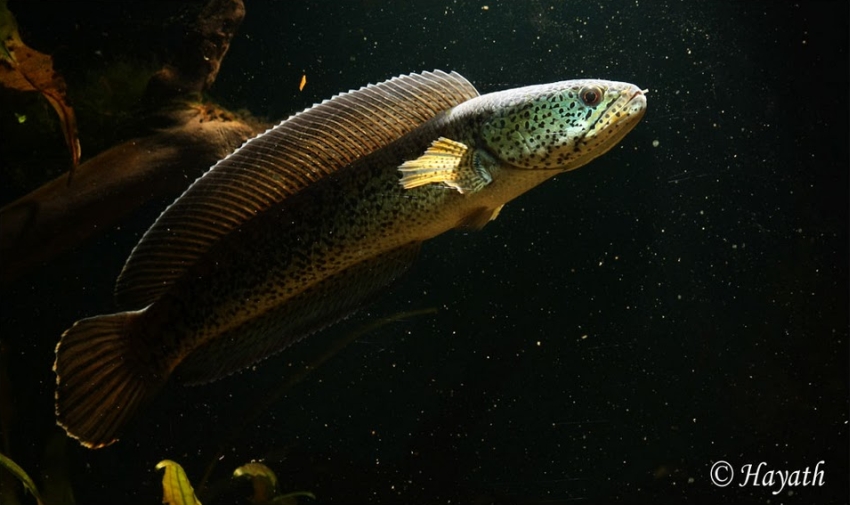
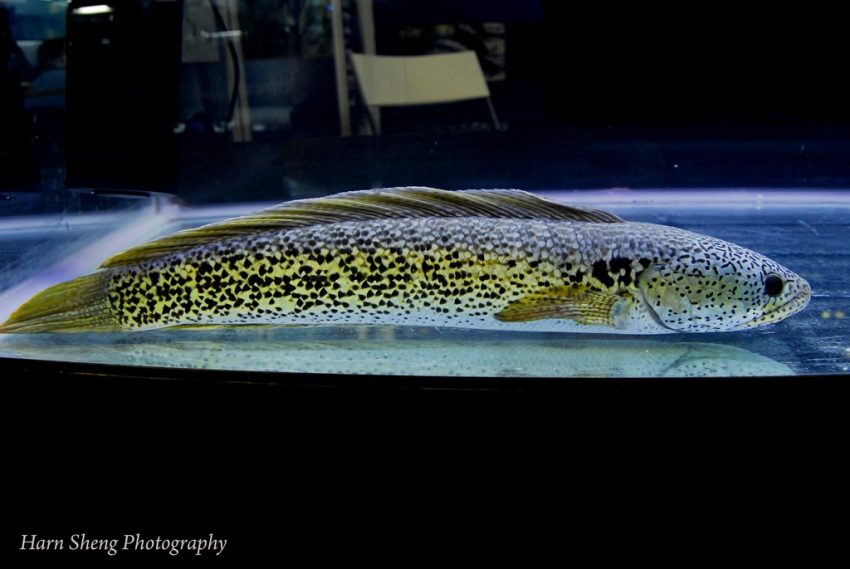
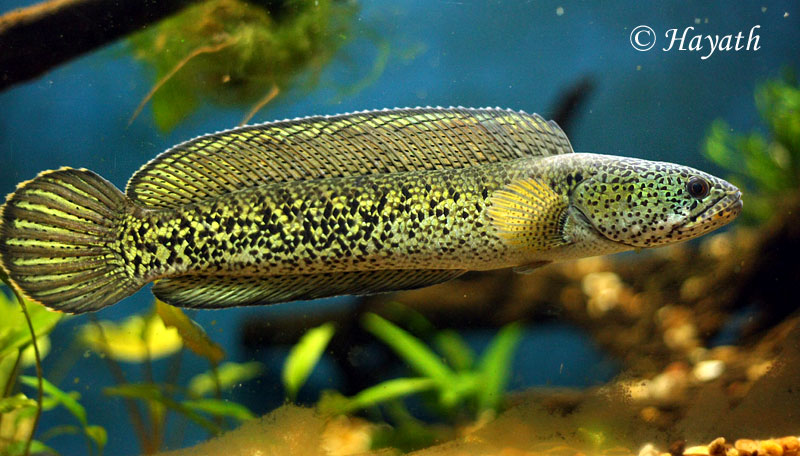
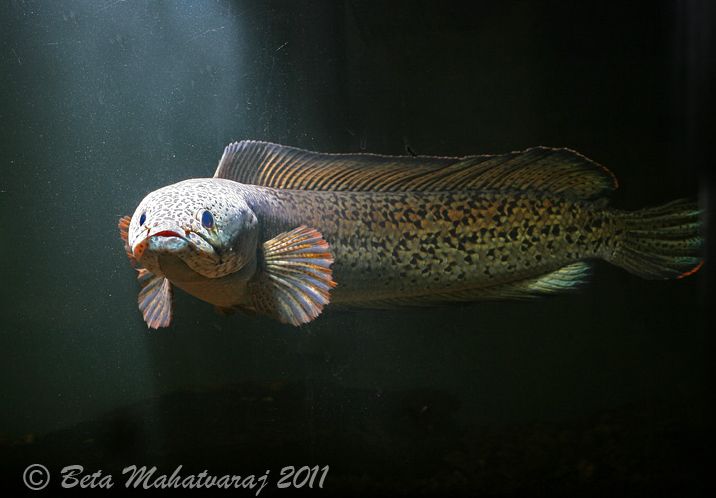
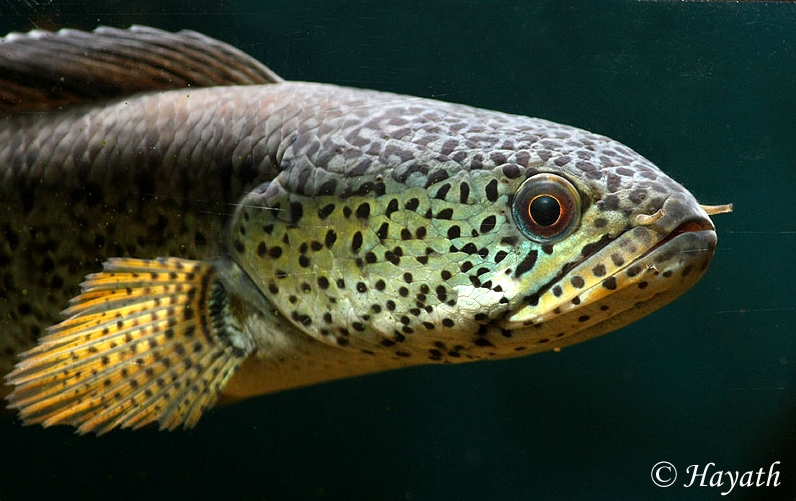
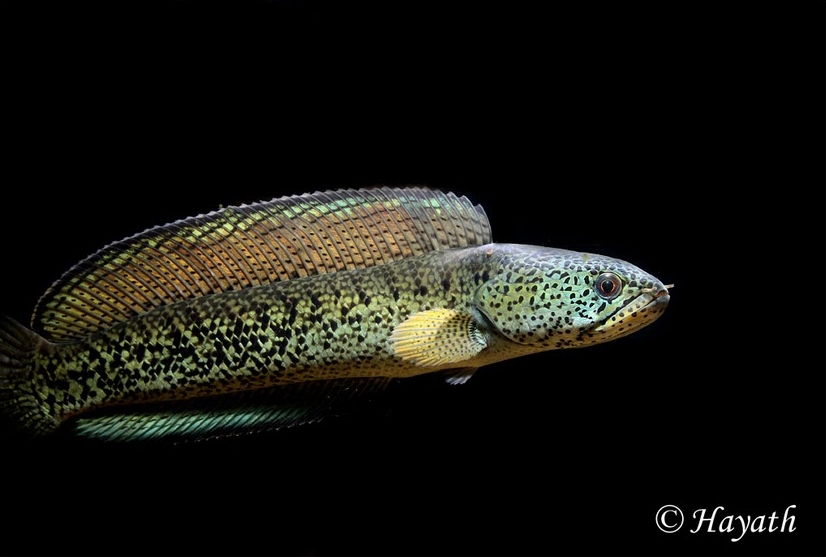
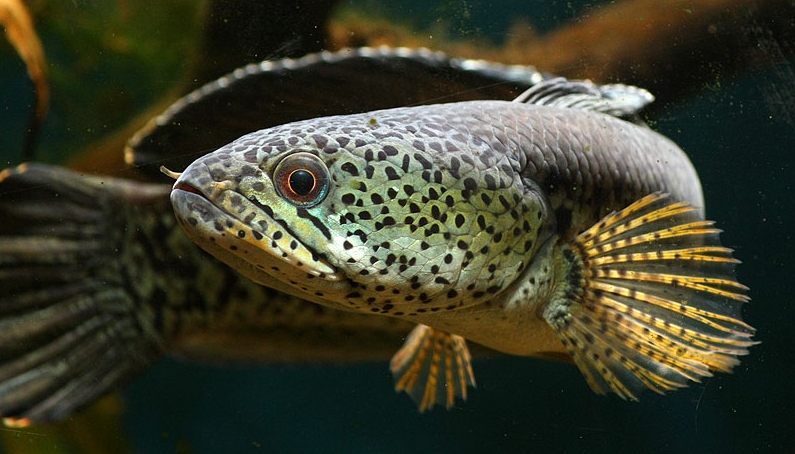
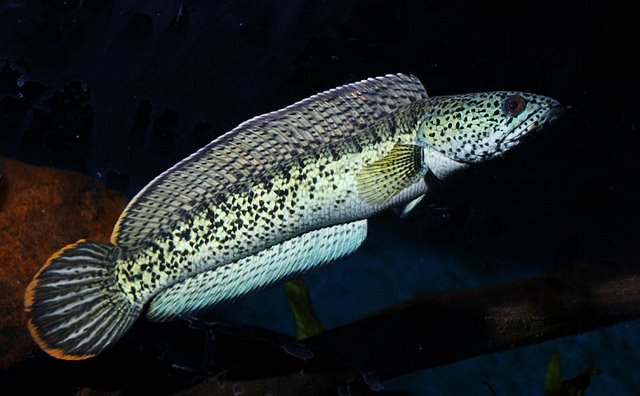
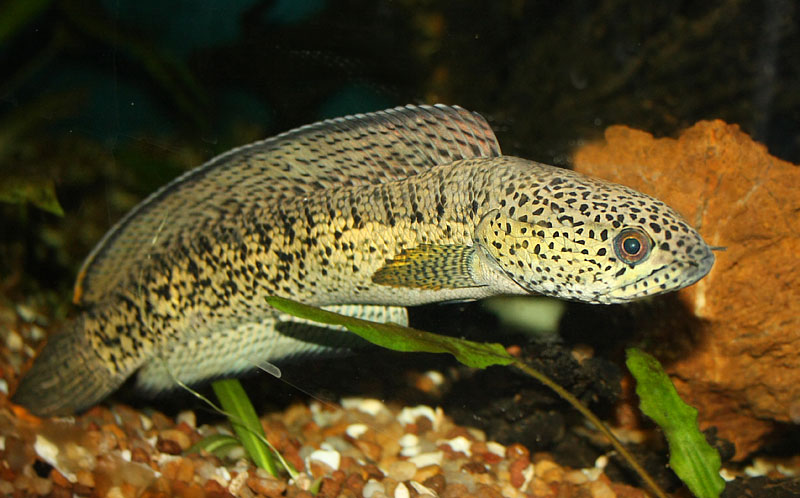
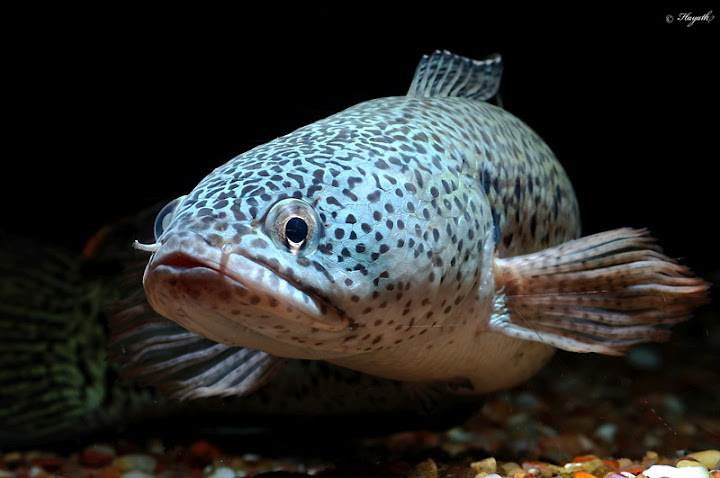
背鳍与体侧密布黑点,偏红的胸鳍有由斑点组成的黑带。繁殖方式被推测为口孵,但并没有可据此采用的确定繁殖记录或操作流程。
图片
图片来自 SeriouslyFish,版权归各摄影者所有。
English
Overview
Channa barca is a large snakehead from a restricted area of northeastern India. Its care depends on substantial adult accommodation, distinct seasonal conditions, and recognition that serious aggression may develop between fish that previously coexisted. Rarity in trade does not lessen any of these requirements.
Distribution & habitat
Known records center on Assam and Nagaland in the Brahmaputra region of India. Reported occurrences in Nepal and Bangladesh are doubtful.
Fish shelter through the dry winter in vertical burrows at wetland margins. These are often about 1 m deep, with entrance passages leading to a chamber near the groundwater level. Hunting and breeding take place after seasonal flooding restores access to the surrounding habitat. Restricted distribution and dependence on this specialized setting have prompted conservation concern.
Aquarium setup
Only public displays or exceptionally large private systems offer appropriate accommodation. Floating plants, branches, or overhanging vegetation provide useful surface shade. Secure the cover while retaining a humid air space that the fish can reach to breathe.
Provide defined cooler winter and warmer summer phases instead of an unchanging temperature throughout the year. Food demand declines during the cool period, when water level may be allowed to fall gradually. This does not call for drying out the aquarium.
Diet & feeding
It is an obligate predator, although the proposed natural prey of small fishes and insects remains uncertain. Most individuals adjust to nonliving animal foods. Juveniles can receive bloodworms, small earthworms, and chopped shrimp; adults accept fish strips, whole shrimp, mussels, and larger earthworms. Dry foods, where accepted, should not be the staple.
Live feeder fish are unnecessary and risk introducing disease or parasites. Avoid making beef heart, chicken, or other terrestrial meats routine foods.
Behaviour & compatibility
A dedicated aquarium is preferable. Conspecific territoriality can be severe, with attacks arising abruptly even within established pairs or groups. Previous peaceful coexistence is not a reliable guarantee of continued tolerance.
Sexual dimorphism
At about 15 cm, males begin developing a longer dorsal fin with stronger markings. Adult females generally show a broader head when viewed from above.
Notes
Numerous black spots cover the flanks and dorsal fin; reddish pectoral fins have dark bands assembled from spots. Mouthbrooding has been proposed but is not confirmed by the breeding account, so it should not be presented as an established method.
来源
- https://www.seriouslyfish.com/species/channa-barca(抓取于 2026-10-10)
channa-barca · 文件: data/species/channa-barca.md · 状态: 草稿