Channa baramensis · Baram Snakehead
概要
| 字段 | 值 |
|---|---|
| 类别 | 鱼 |
| 学名 | Channa baramensis |
| 别名 | Ophiocephalus baramensis |
| 分类 | 攀鲈目 Anabantiformes › 鳢科 Channidae › Channa |
| 水体 | 淡水 |
| 原产地 | 文莱、马来西亚 |
| 成体体长 | 22 cm |
| 饲养难度 | 中等 |
| 最小水体 | 243 L |
| 最小缸长 | 120 cm |
| 群居方式 | 成对 |
| 特征 | 会跳缸: 是;吃小鱼: 是;吃虾: 是 |
| 外部数据 | seriouslyfish channa-baramensis;fishbase 61686 |
| 食性 | 肉食 |
水质参数
| 参数 | 耐受范围 | 最适范围 | 单位 |
|---|---|---|---|
| 水温 | 22–28 | — | °C |
概述
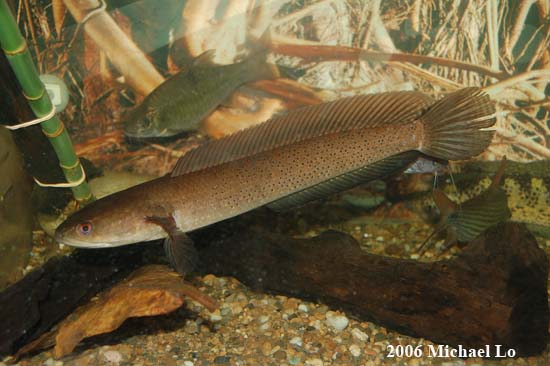
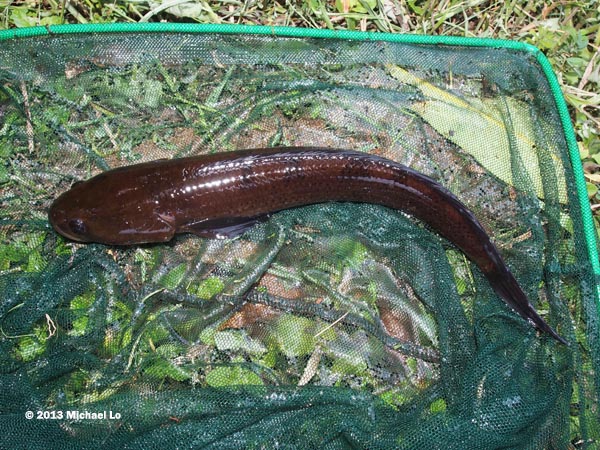
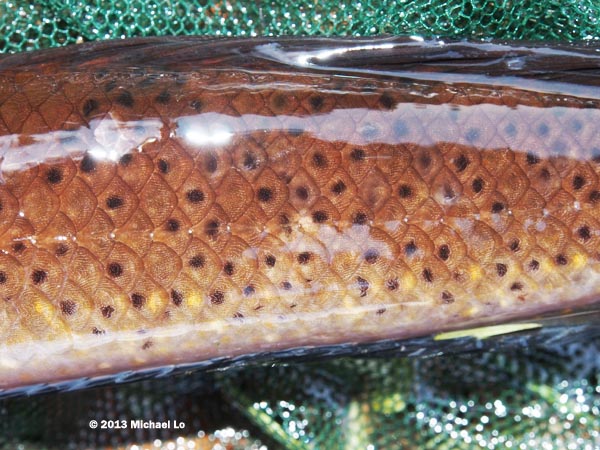
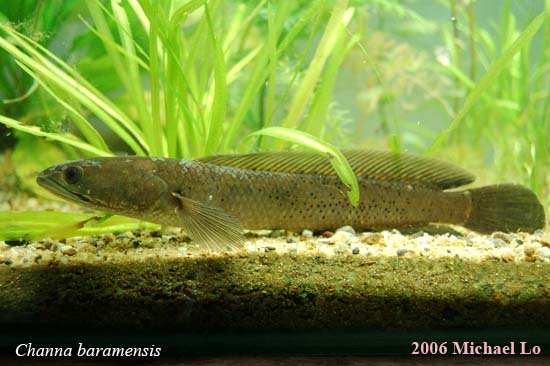
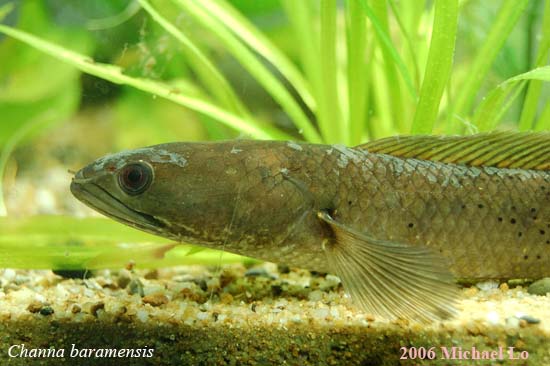
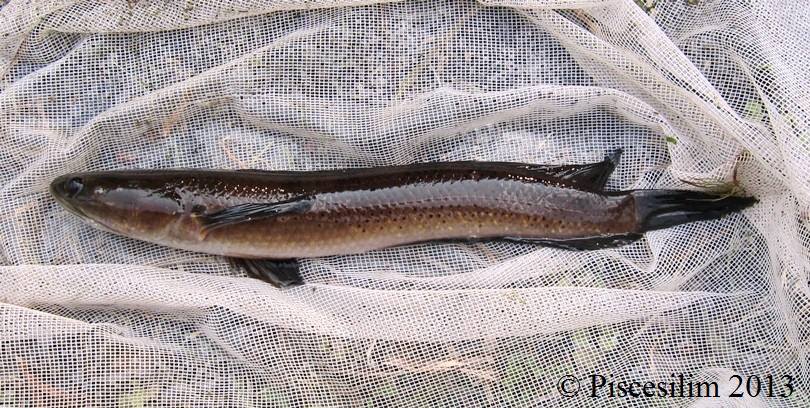
Channa baramensis 是婆罗洲特有的鳢类,许多鳞片中央有黑点,较大的个体尾鳍呈横带。它需要遮蔽充分、能到水面呼吸的环境,捕食小鱼的习性也应在饲养安排中考虑。
分布与栖息地
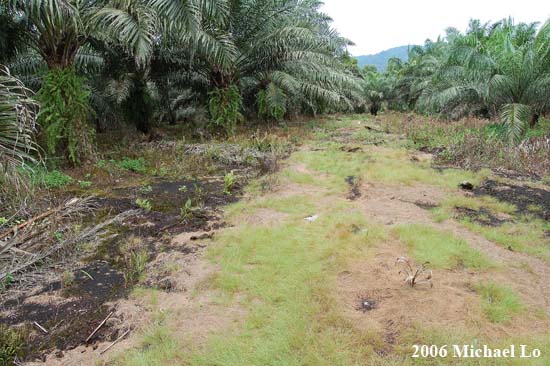
见于马来西亚砂拉越、西部沙巴及文莱,模式地为砂拉越 Baram 河。砂拉越西部 Sadong 水系的一些旧记录可能实际属于 Channa melasoma,不能据这些记录无条件扩展本种范围。
饲养环境
建议底面积至少约 120 × 45 cm,水深不少于 30 cm。弱光下用水草、沉木、陶管和花盆组成连续的藏身空间与阴影。浮水植物能增加安全感,让鱼不必总藏在底部遮蔽物中。
缸盖必须严密防逃,但盖子和水面之间要留出湿润空气层,并让鱼能顺利到达水面。鳢类的附属呼吸结构能吸取空气,这与把缸顶封得完全没有呼吸空间是两回事。
食性与喂食
它是专性捕食者,野外主要吃较小鱼类和昆虫,多数个体能适应非活体饵料。幼鱼可喂红虫、小蚯蚓及切碎虾肉;成鱼可轮换鱼肉条、整虾、贝肉、活河虾和较大蚯蚓。有的个体接受干粮,但不宜把干粮作为主食。
避免牛心、鸡肉等禽畜肉,普通活饲料鱼也并无必要,会增加病原或寄生虫输入风险。小鱼和虾类都可能成为食物,不适合作为可放心长期共养的对象。
补充说明
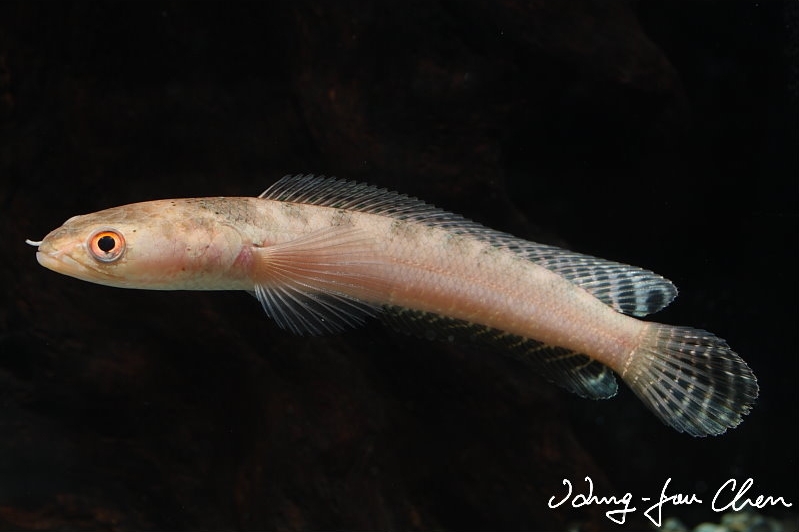
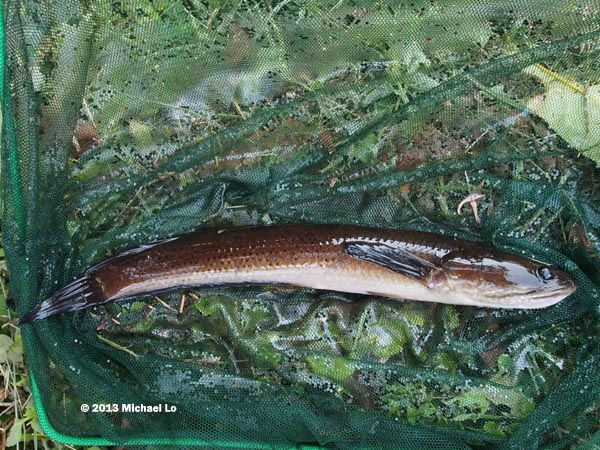
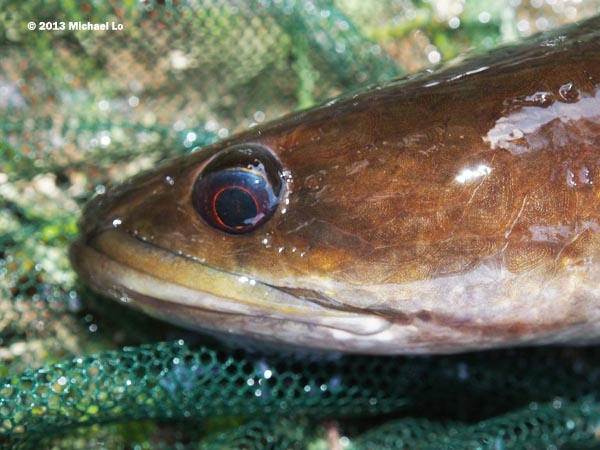
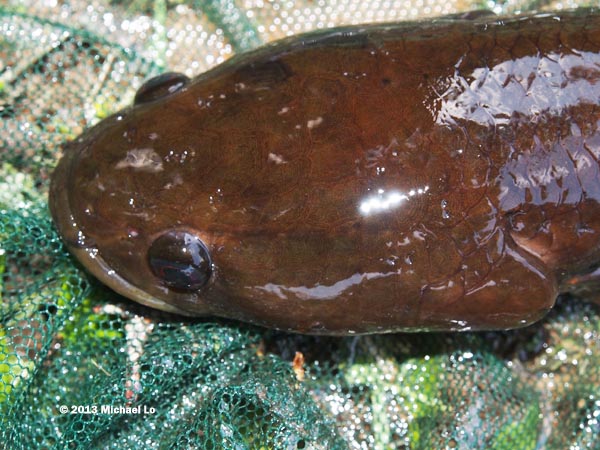
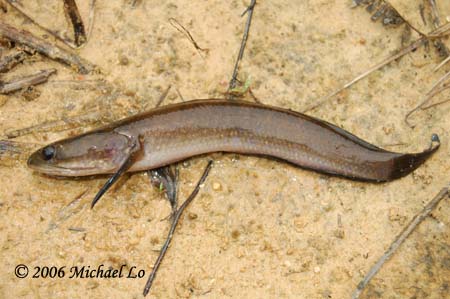
本种曾长期被归入 Channa melasoma,后来重新确认为独立种。许多体鳞中央的黑点,以及超过约 12 cm 标准长个体的尾鳍横带,有助于与 Channa melasoma 和 Channa cyanospilos 区分。幼鱼未出现完整成鱼花纹时,尤其不能只凭一张体色照片定种。
图片
图片来自 SeriouslyFish,版权归各摄影者所有。
English
Overview
Channa baramensis is a Bornean snakehead with dark spots in the centers of many scales and a barred tail in larger fish. It needs extensive shelter and unobstructed access to air, while its habit of eating smaller fishes affects stocking decisions.
Distribution & habitat
The known range includes Sarawak, western Sabah, and Brunei. The type locality is the Baram River in Sarawak. Some old Sadong-basin records from western Sarawak may instead represent Channa melasoma and should not automatically enlarge the range assigned to this species.
Aquarium setup
Provide at least about 120 × 45 cm with water no shallower than 30 cm. Under subdued lighting, arrange plants, wood, terracotta pipes, and pots into shaded connected refuges. Floating vegetation can encourage fish to remain visible rather than continually hiding beneath submerged cover.
A secure lid is essential, but preserve a layer of humid air between the water and cover and clear access to the surface. The supplementary breathing apparatus allows atmospheric air use; the enclosure must still leave room to obtain it.
Diet & feeding
This obligate predator mainly takes smaller fish and insects in nature, usually adapting to nonliving foods in captivity. Juveniles can receive bloodworms, small earthworms, and chopped shrimp. Adults accept varied fish strips, whole shrimp, mussels, live river shrimp, and larger earthworms. Some take dry foods, but these should not become the staple.
Avoid beef heart, chicken, and other mammalian or bird meat. Routine feeder fish are unnecessary and risk introducing parasites or pathogens. Smaller fish and shrimp may become prey and should not be regarded as dependable long-term companions.
Notes
Long treated as part of Channa melasoma, it was subsequently restored as a distinct species. Black scale-center spots and tail bars in fish exceeding about 12 cm standard length help separate it from Channa melasoma and Channa cyanospilos. Juveniles without the complete adult pattern require particular care in identification.
来源
- https://www.seriouslyfish.com/species/channa-baramensis(抓取于 2026-10-10)
channa-baramensis · 文件: data/species/channa-baramensis.md · 状态: 草稿