月鳢 · Chinese Snakehead
概要
| 字段 | 值 |
|---|---|
| 类别 | 鱼 |
| 学名 | Channa asiatica |
| 别名 | 七星鳢、山斑、月鱧、七星鱧(台湾)、Gymnotus asiaticus、Notopterus squamosus、Channa ocellata、Channa fasciata、Channa sinensis、Channa formosana |
| 分类 | 攀鲈目 Anabantiformes › 鳢科 Channidae › Channa |
| 水体 | 淡水 |
| 原产地 | 中国、越南 |
| 成体体长 | 35 cm |
| 饲养难度 | 中等 |
| 最小水体 | 160 L |
| 最小缸长 | 100 cm |
| 群居方式 | 成对 |
| 特征 | 会跳缸: 是;吃小鱼: 是 |
| 外部数据 | seriouslyfish channa-asiatica;fishbase 7756 |
| 食性 | 肉食 |
| 繁殖方式 | 产卵 |
水质参数
| 参数 | 耐受范围 | 最适范围 | 单位 |
|---|---|---|---|
| 水温 | 15–25 | — | °C |
| pH | 6–8 | — | — |
| 总硬度 | 5–25 | — | dGH |
概述
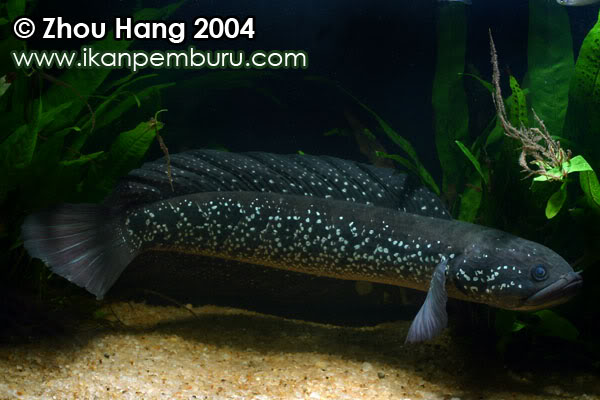
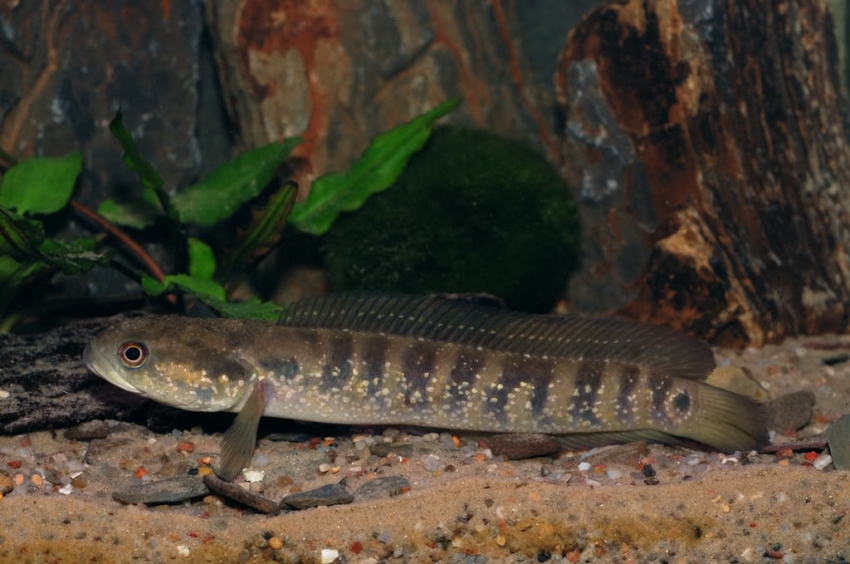
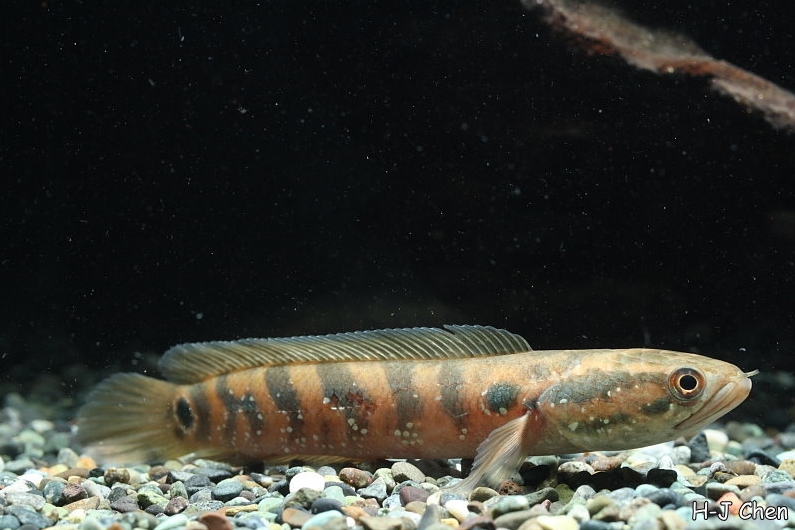
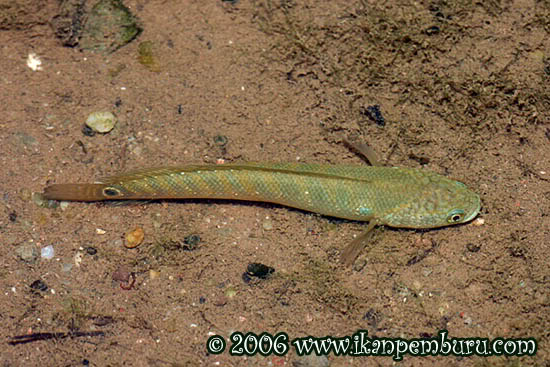
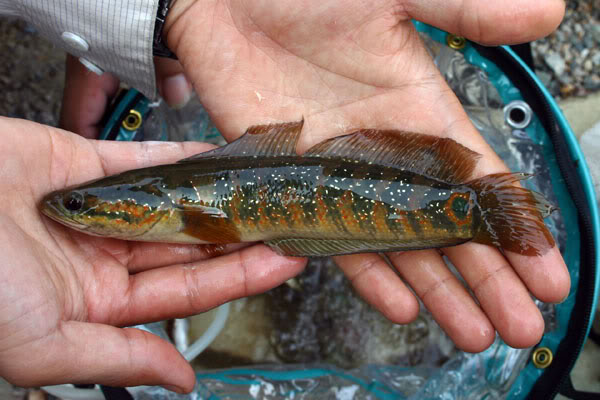
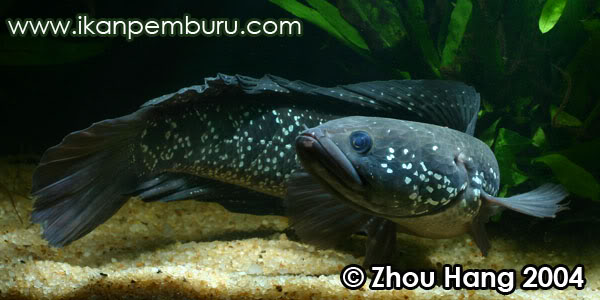
月鳢(Channa asiatica)也叫七星鳢,是缺少腹鳍的鳢类之一,褐色身体带黑色竖带,体侧和鳍上有许多浅色斑点。更适合单养缸;幼鱼短期成群与成年配对后的相处状态不同,不能长期忽略配对产生的攻击风险。
分布与栖息地
原产中国中南部及越南北部,中国范围包括海南和香港,越南记录来自红河水系。台湾和日本琉球群岛石垣岛的种群为引入。
可生活在池塘、湖泊和缓流溪河,常与湿润森林环境相联系,躲在裂隙、树根等遮蔽物间。它能呼吸空气,也有短距离陆地移动的记录,防逃不能只考虑水中跳跃。
饲养环境
采用较暗照明,以水草、沉木、陶管和盆罐构成多处遮蔽。浮水植物可以减少其躲藏倾向。繁殖期间尤其要给雌鱼留下能避开雄鱼视线的地方。
使用严密缸盖,水面上留出湿润空气层供呼吸。水深至少为 30 cm,布置不能妨碍其上浮换气。
食性与喂食
野外主要捕食小鱼和昆虫。可用虾、蚯蚓、大麦虫及冷冻虾、贻贝、鱼块等动物性食物搭配,不应把干饲料当作可靠主食。
不需要用活饵鱼,相关寄生虫和疾病风险反而增加管理负担。牛心、鸡肉等陆生肉类不适合作为日常食物。
习性与混养
优先单种饲养。幼鱼可以暂时群居,但形成优势配对后,其余同种个体会面临危险,应移走其他鱼,或把配对鱼转入独立缸。
雌雄区分
雄鱼背鳍和臀鳍更加延长,身体及鳍上的银白斑点通常多于雌鱼。成年雌鱼腹部较圆。
繁殖
调养良好的配对鱼长到约 18 cm 后,通常每年至少有一次产卵机会。雌雄以缠抱方式产卵,不筑泡巢,数千枚卵漂浮在水面,两亲都会防卫卵和幼鱼。
卵约 24—36 小时孵化,再过约一天开始自由游动,此时鱼苗像 6—7 mm 长的黑色小蝌蚪。持续供应足量小型活饵,如丰年虾无节幼体、剑水蚤和水蚤;一至两周后也能摄食蚊幼虫。每周按体形分开饲养,避免大鱼苗吞食小鱼苗。
补充说明
它的辅助呼吸结构与定期上浮吞气,是鳢属鱼类的共同特点。识别时可结合缺少腹鳍、黑色竖带及密集浅色斑点,不要只看单一体色特征。
图片
图片来自 SeriouslyFish,版权归各摄影者所有。
English
Overview
Lacking pelvic fins, Channa asiatica has dark vertical bars on a brownish body and numerous pale spots on the body and fins. A dedicated aquarium is preferable. Juvenile tolerance changes when a dominant breeding pair forms, so group housing requires a plan for separating fish.
Distribution & habitat
Native populations occupy central and southern China and northern Vietnam. The Chinese range includes Hainan and Hong Kong; Vietnamese records concern the Red River system. Taiwan and Japan's Ishigaki Island hold introduced populations.
Ponds, lakes, and slow streams or rivers provide habitat, often in humid forested surroundings. Roots and crevices serve as retreats. Air breathing and recorded short overland movements make secure containment especially important.
Aquarium setup
Use subdued lighting and a network of shaded spaces made with plants, wood, clay pipes, and pots. Surface vegetation can encourage fish to remain visible. During breeding, cover is particularly important so that the female can withdraw from the male's view.
Fit a close cover while preserving a humid air space above the water. Water should be at least 30 cm deep, and fish must be able to reach the surface to breathe.
Diet & feeding
Small fishes and insects are the main wild prey. Offer varied animal foods such as shrimp, earthworms, superworms, mussels, and pieces of fish, including suitable frozen alternatives. Do not depend on dry food acceptance.
Live feeder fish are unnecessary and introduce avoidable disease risks. Beef heart, chicken, and other terrestrial meats are unsuitable as routine fare.
Behaviour & compatibility
A species aquarium is the most appropriate arrangement. Juveniles can share space, but once a pair becomes dominant, the remaining fish are in danger. Remove the surplus individuals or transfer the pair to separate housing.
Sexual dimorphism
Males have longer dorsal and anal fins and substantially more silver spotting. Mature females develop a rounder abdomen.
Breeding
Well-conditioned pairs may reproduce at least annually once they reach about 18 cm. Spawning involves an embrace, with several thousand buoyant eggs released without a bubble nest. Both parents guard the eggs and young.
Hatching takes approximately twenty-four to thirty-six hours, followed by about another day before free swimming. The larvae resemble tiny black tadpoles around 6–7 mm long. Supply plentiful small live foods, including newly hatched brine shrimp, cyclops, and Daphnia. Mosquito larvae can be taken at one to two weeks. Sort the growing fry by size each week because larger siblings prey on smaller ones.
Notes
Supplementary air breathing and trips to the surface are characteristic of snakeheads. Identification can combine absent pelvic fins with vertical dark bars and abundant pale spotting rather than relying on overall color alone.
来源
- https://www.seriouslyfish.com/species/channa-asiatica(抓取于 2026-10-10)
channa-asiatica · 文件: data/species/channa-asiatica.md · 状态: 草稿