乌鳢 · Northern Snakehead
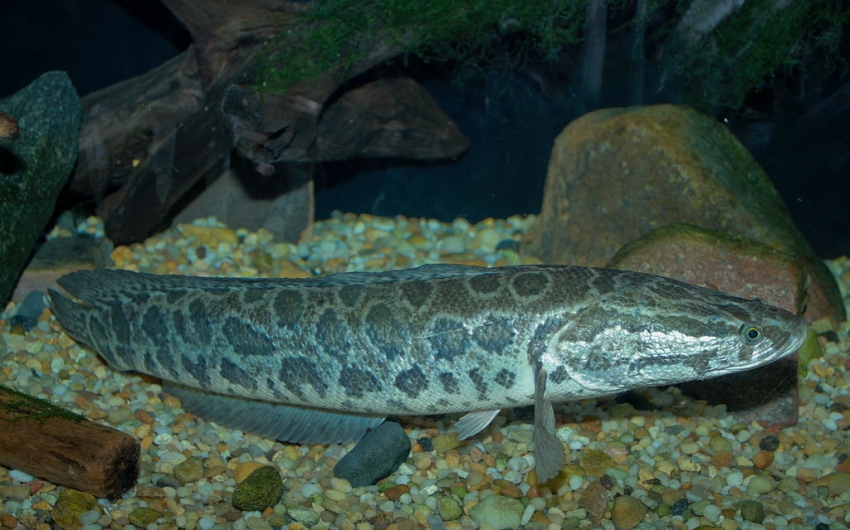
概要
| 字段 | 值 |
|---|---|
| 类别 | 鱼 |
| 学名 | Channa argus |
| 别名 | 沃氏鳢、沃氏鱧、烏鱧、Ophicephalus argus、Ophiocephalus argus、Ophicephalus pekinensis、Ophiocephalus warpachowskii、Channa argus kimurai |
| 分类 | 攀鲈目 Anabantiformes › 鳢科 Channidae › Channa |
| 水体 | 淡水 |
| 原产地 | 中国、朝鲜、俄罗斯、韩国 |
| 成体体长 | 85 cm |
| 饲养难度 | 中等 |
| 群居方式 | 独居 |
| 特征 | 会跳缸: 是;吃小鱼: 是 |
| 外部数据 | seriouslyfish channa-argus;fishbase 4799 |
| 食性 | 肉食 |
水质参数
| 参数 | 耐受范围 | 最适范围 | 单位 |
|---|---|---|---|
| 水温 | 0–30 | — | °C |
| pH | 6–8 | — | — |
| 总硬度 | 5–25 | — | dGH |
概述
乌鳢(Channa argus)是一种体形很大的捕食性鱼类,日常能见到幼鱼,并不意味着普通家用鱼缸能承担其终生饲养。它更适合公共展示设施或极大型私人水族箱,选择之前应先落实成鱼空间。
分布与栖息地
原产中国东部黄河、长江下游水系,黑龙江流域的中国与俄罗斯东南部地区,以及朝鲜半岛多条河流。日本、美国、中亚和东欧部分地区的种群来自引入,不能当作原生范围。
它能利用多种水域,但通常避开流速很快的环境。鳢属具有辅助呼吸结构,能够利用空气,因此可以耐受水中溶氧偏低的条件。
饲养环境
长期饲养需要极大的设施。水面可用浮水植物、伸展枝条或垂覆植物提供遮蔽。缸盖必须贴合牢固,并在水面与盖之间留出可呼吸的湿润空气层,不能把缸装满后完全封死。
食性与喂食
野外捕食较小鱼类、两栖动物、甲壳类和其他无脊椎动物,多数个体能够适应非活体饵料。幼鱼可喂红虫、小蚯蚓和切碎虾肉,成鱼可用鱼肉条、整虾、贻贝和大蚯蚓等搭配。
不必依靠活饵鱼,尤其要避免由此引入寄生虫或疾病。牛心、鸡肉等陆生动物肉类也不宜作为日常饲料。
繁殖
中国有大规模室外养殖繁育,但这不等于普通鱼缸内已有成熟繁殖方法。野外产卵季节在春末至初夏。
补充说明
乌鳢可以游到水面吞咽空气,鳢属辅助呼吸器官位于鳃的后上方。能够呼吸空气并不减少对足够空间和防逃设施的需求。
图片
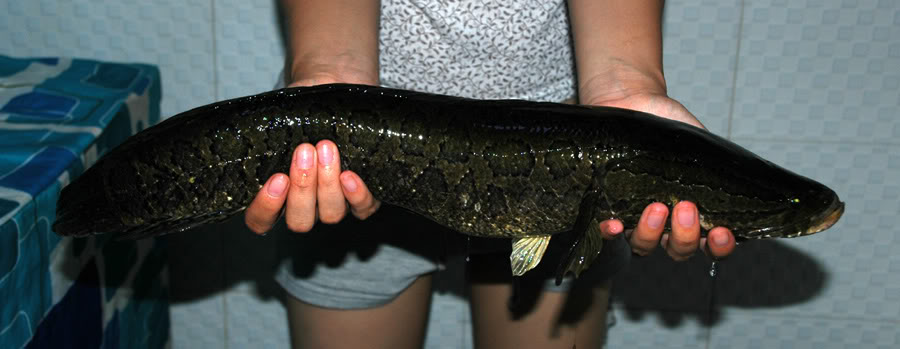
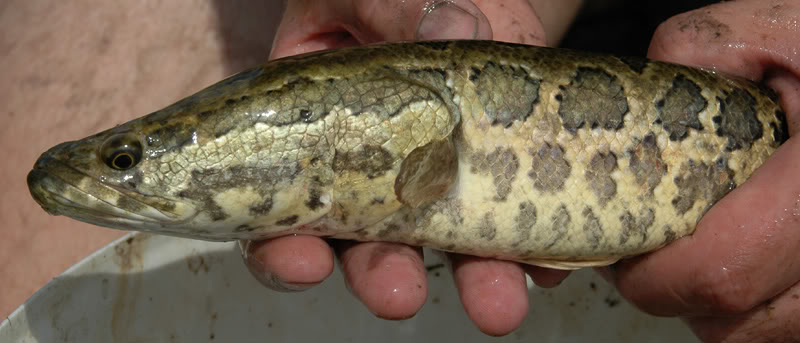
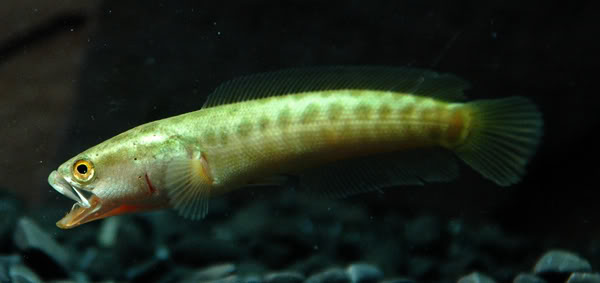
图片来自 SeriouslyFish,版权归各摄影者所有。
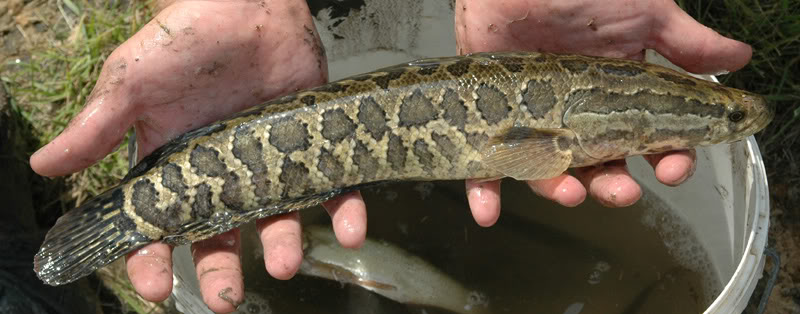
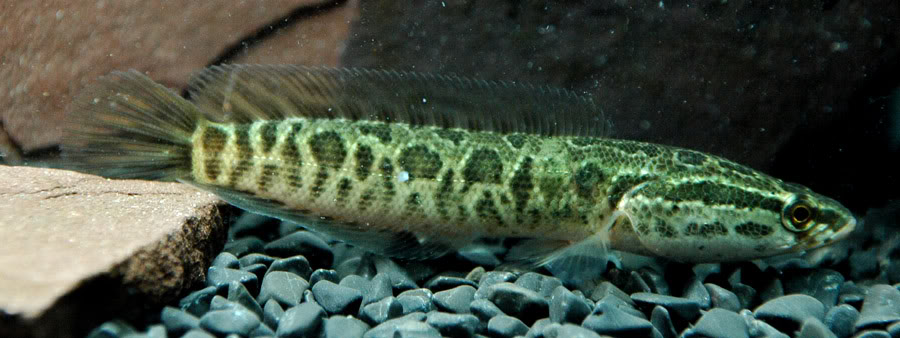
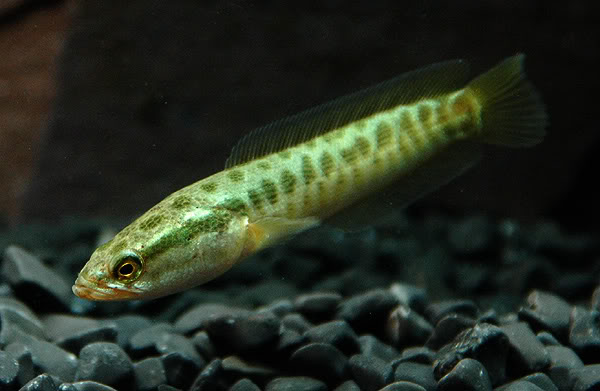
English
Overview
Adult size makes Channa argus a poor choice for conventional home aquariums. This substantial predator belongs in public displays or exceptionally large private facilities. The ready availability of small fish should not substitute for a realistic plan for adult accommodation.
Distribution & habitat
Its native range covers the lower Yellow and Yangtze drainages in eastern China, the Amur basin in China and southeastern Russia, and rivers of the Korean peninsula. Populations in Japan, the United States, central Asia, and parts of eastern Europe originated from introductions rather than natural distribution.
It occupies diverse waters but generally avoids very rapid flow. Air-breathing structures shared by snakeheads permit survival in oxygen-poor environments.
Aquarium setup
Long-term housing requires unusually large facilities. Floating plants, overhanging vegetation, or branches provide appreciated surface shade. Fit a secure cover, while leaving space above the water for access to humid air. Filling the aquarium to the lid would remove this essential breathing space.
Diet & feeding
Wild prey includes smaller fishes, amphibians, crustaceans, and other invertebrates. Most individuals can be transferred to nonliving foods. Bloodworms, small earthworms, and chopped shrimp suit juveniles; larger fish can receive fish strips, whole shrimp, mussels, and larger earthworms.
Live feeder fish are unnecessary and can introduce parasites or disease. Terrestrial meats such as beef heart and chicken should not be regular foods.
Breeding
Large outdoor aquaculture operations in China produce this species. That achievement should not be confused with an established home aquarium method. Natural spawning takes place from late spring into early summer.
Notes
Snakeheads use supplementary breathing chambers above and behind the gills and often rise to gulp air. This ability does not reduce the need for suitable space or effective escape prevention.
来源
- https://www.seriouslyfish.com/species/channa-argus(抓取于 2026-10-10)
channa-argus · 文件: data/species/channa-argus.md · 状态: 草稿