蓝宝石雷龙 · Lal Cheng
概要
| 字段 | 值 |
|---|---|
| 类别 | 鱼 |
| 学名 | Channa andrao |
| 分类 | 攀鲈目 Anabantiformes › 鳢科 Channidae › Channa |
| 水体 | 淡水 |
| 原产地 | 印度 |
| 成体体长 | 11 cm |
| 饲养难度 | 入门 |
| 最小水体 | 72 L |
| 最小缸长 | 80 cm |
| 群居方式 | 成对 |
| 性情 | 温和 |
| 特征 | 会跳缸: 是;吃虾: 是 |
| 外部数据 | seriouslyfish channa-andrao;fishbase 67146 |
| 食性 | 肉食 |
| 繁殖方式 | 口孵 |
| 别名 | Channa andrao |
水质参数
| 参数 | 耐受范围 | 最适范围 | 单位 |
|---|---|---|---|
| 水温 | 14–28 | — | °C |
| pH | 6–8 | — | — |
| 总硬度 | 2–20 | — | dGH |
概述
蓝宝石雷龙(Channa andrao)体形较小,却有鲜明色彩、配对互动和护幼行为。它是需要明确冷暖季变化的鳢类,不能全年保持同一个高温;能呼吸空气,也不代表可以忽略防逃和水面上方的湿润空气层。
分布与栖息地
原生于印度东北部布拉马普特拉河流域,正式记录集中在西孟加拉邦 Barobisha 附近的 Lefraguri 沼泽;贸易采集似乎还涉及其他种群。当地雨旱季明显,夏季季风带来淹水。
模式地曾记录为浅水、淤泥底、浑浊且水下植被丰富的森林沼泽。旱季和冬季会利用仍存水的洞穴避难,淹水时才出来觅食和繁殖。
饲养环境
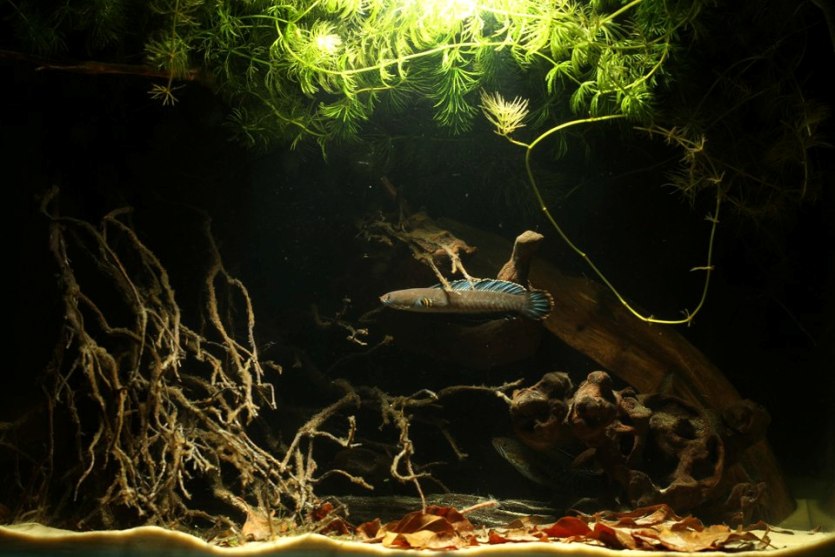
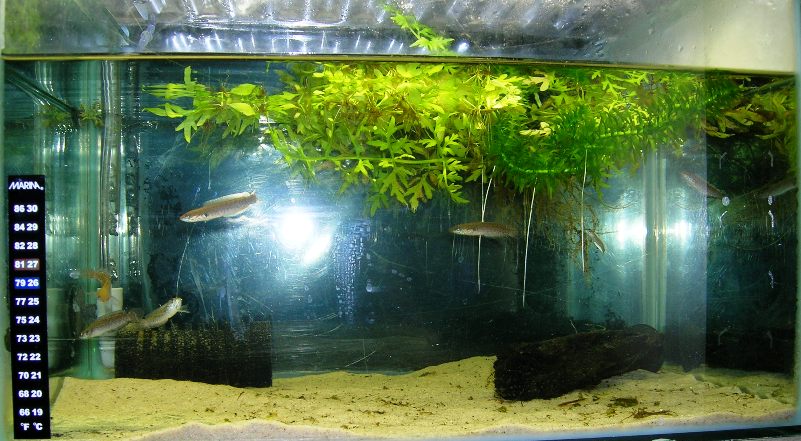
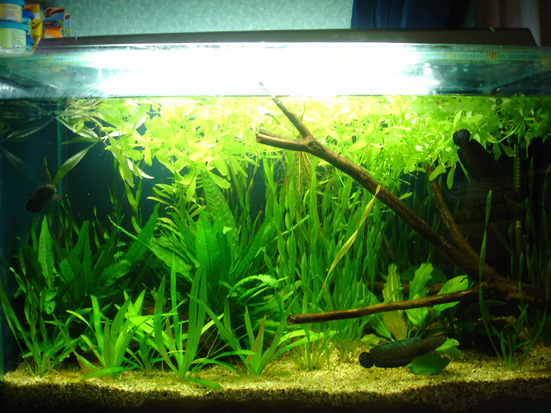
一对建议至少约 80 × 30 cm 底面积,群养需要更大空间,水深宜超过 30 cm。照明偏暗,浮水植物、水下遮蔽和落叶可增加安全感。缸盖须严密,盖子与水面间保留可呼吸的湿润空气层。
必须安排明确冬季和夏季,避免全年恒温。较冷阶段食量明显减少,水位可自然回落,不必持续补到暖季高度。
食性与喂食
它是专性捕食者,野外可能以昆虫及其他无脊椎动物为主。幼鱼可吃红虫、小蚯蚓和碎虾肉,成鱼可轮换鱼肉条、整虾、贝肉、活河虾及较大蚯蚓。蟋蟀或果蝇也可使用,投喂前先用鱼粮或植物性食物喂好昆虫。
有些鱼接受干粮,但不宜以此为主食。成鱼即使暖季也不必天天喂,脂肪较高的食物每周不宜超过一次。不喂牛心、鸡肉等禽畜肉;普通饲料鱼也没有必要,会增加寄生虫或病原引入风险。
习性与混养
以专养更稳妥,也可在谨慎选择下与平和、非领域性伙伴合养。幼鱼能成群,性成熟后同种冲突通常增加,雌鱼往往更强势。形成的一对一般彼此平和,却会排斥其他同种,不能据幼鱼相处融洽就长期群养。
雌雄区分
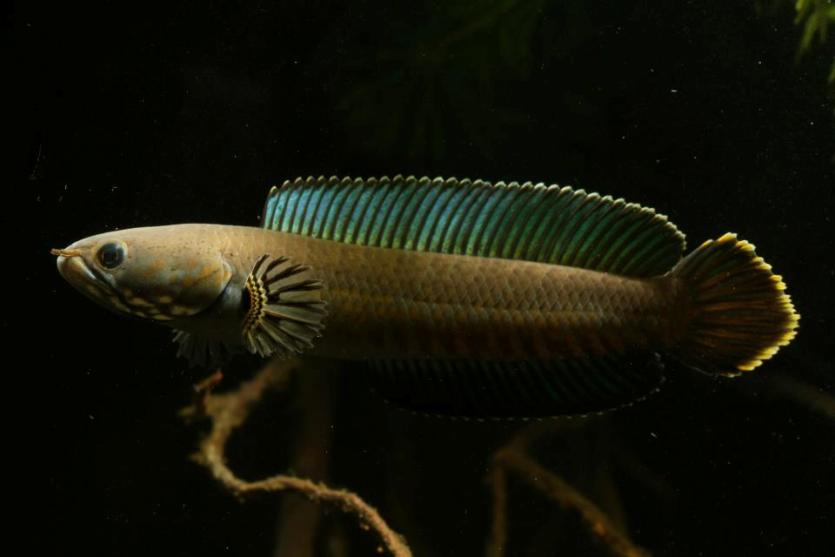
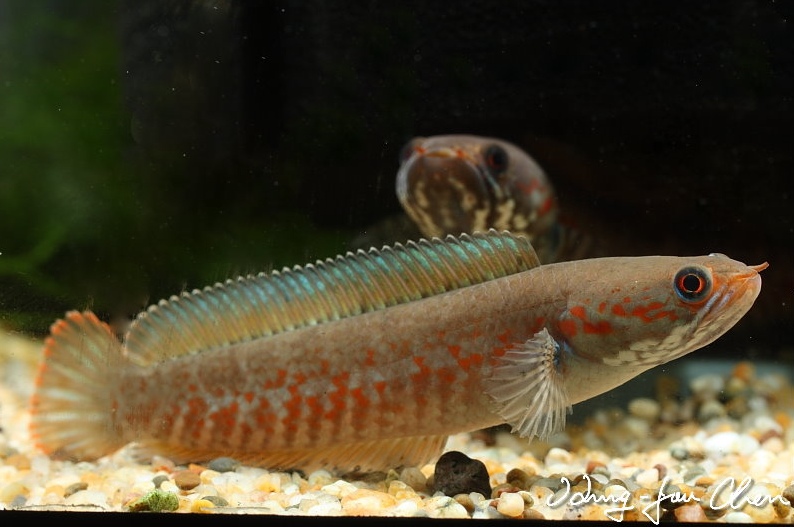
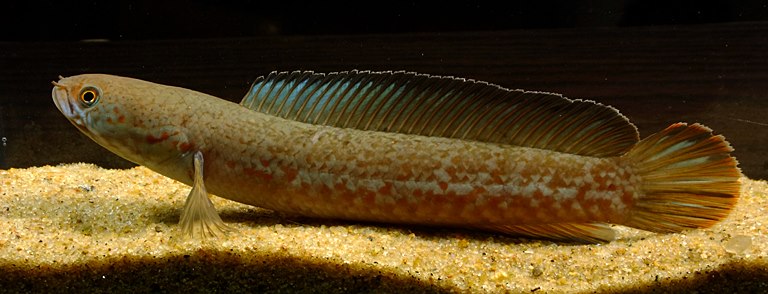
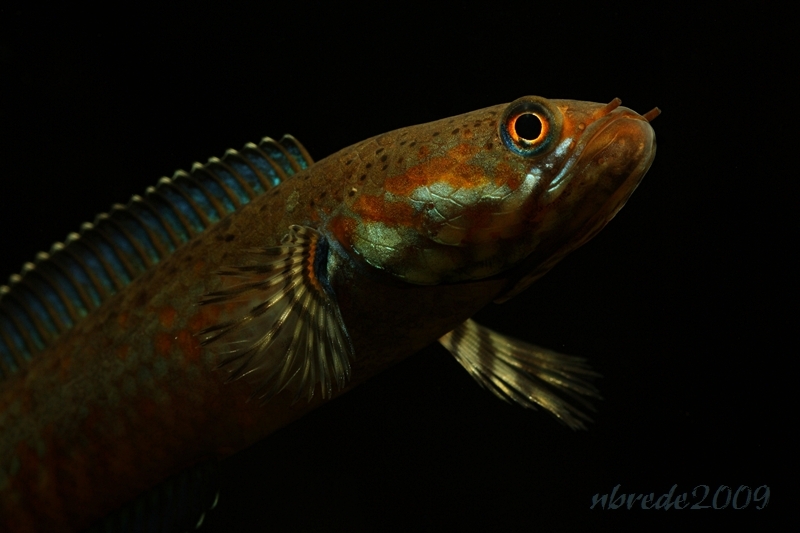
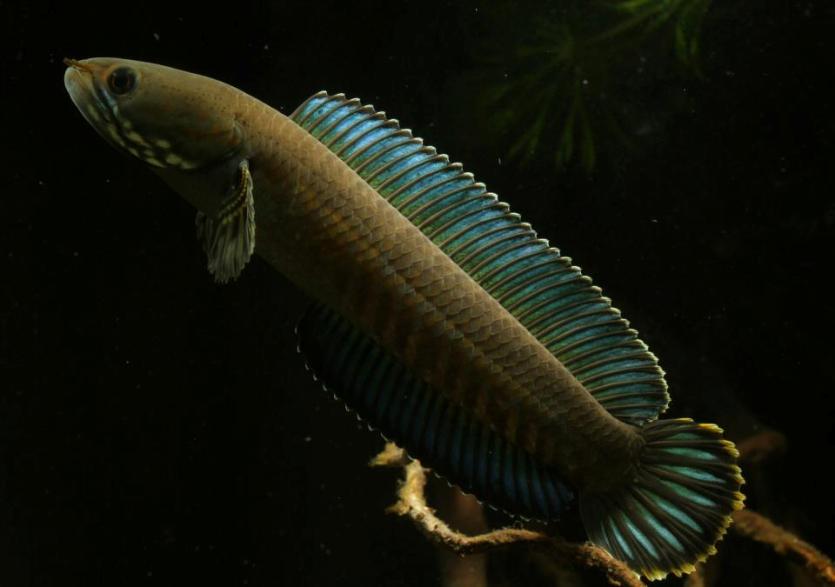
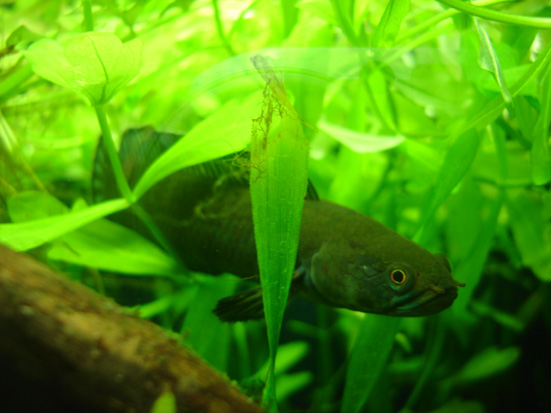
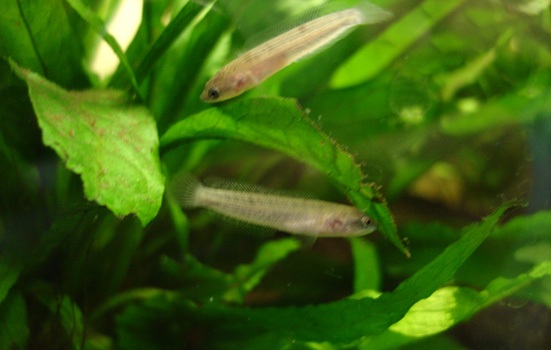
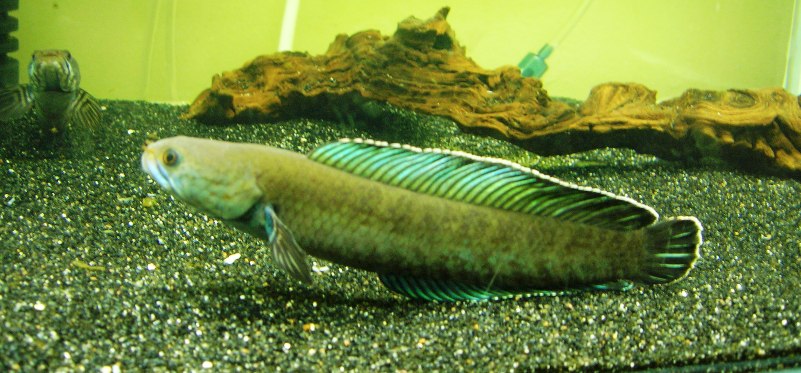
雌鱼通常更大、厚实,身上红色比例较多;雄鱼背鳍、臀鳍略延长,不成对鳍的蓝色虹彩更广。俯视时雄鱼头部通常较宽。
繁殖
雄鱼口孵,人工环境已有多次成功记录。没有成熟配对时,可从六至八尾幼鱼开始让其自行选伴,成对后移走其他鱼。有在持续暖季条件、暂缓换水及整理下诱发繁殖的做法,但全年仍需冷暖季变化。
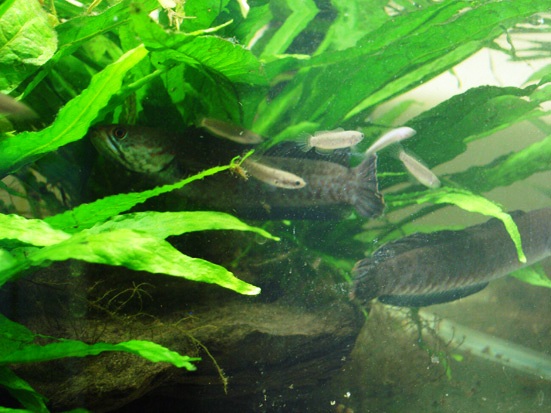
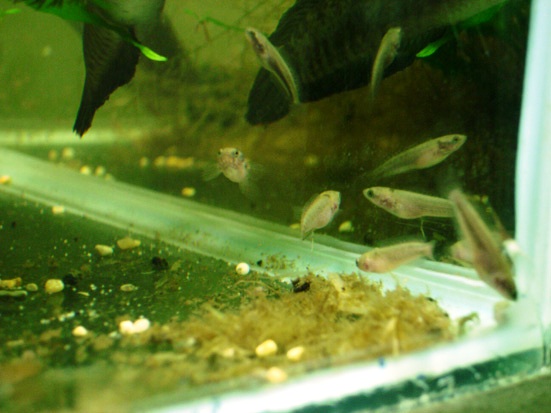
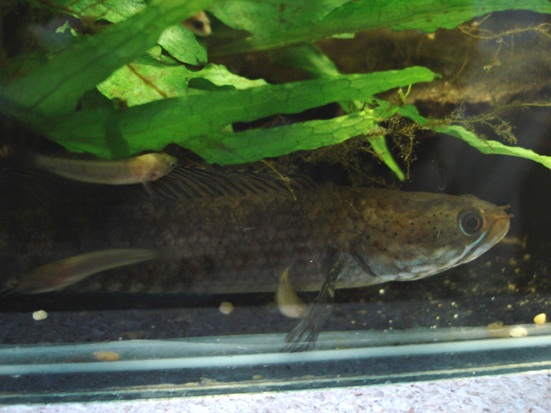
求偶结束时雌雄相抱,雄鱼收集受精卵入口。通常孵育三至五天,年轻或缺乏经验的雄鱼可能更久。仔鱼自由游动后,雌鱼会产营养卵供它们取食,亲鱼照顾通常持续数周。
补充说明
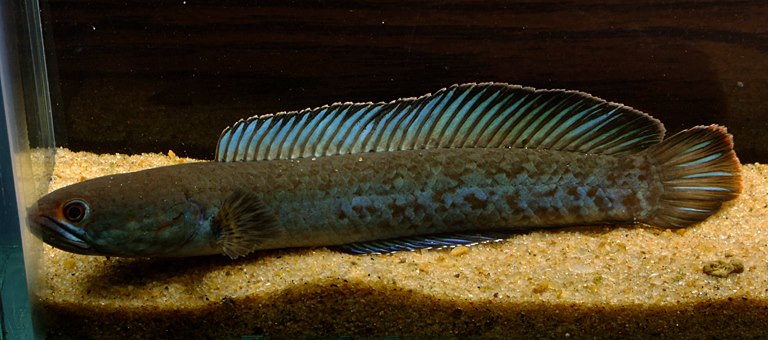
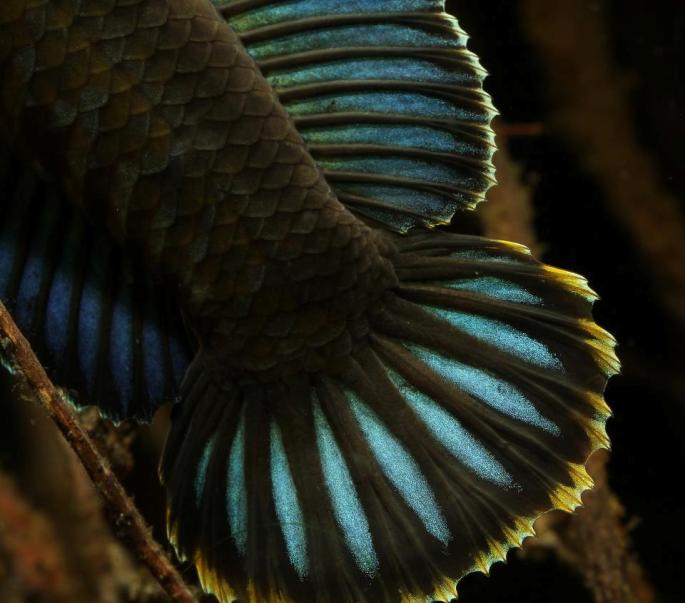
本种无腹鳍,常与彩虹雷龙(Channa bleheri)混淆;它的尾鳍没有后者的橙色斑块,胸鳍暗带较少,繁殖方式也不同。Lal Cheng、Assam 等旧贸易名不能单独保证身份。
图片
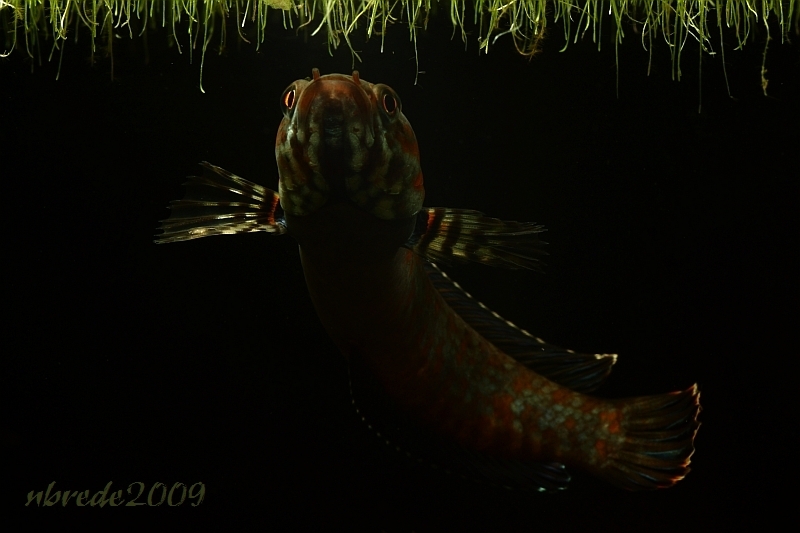
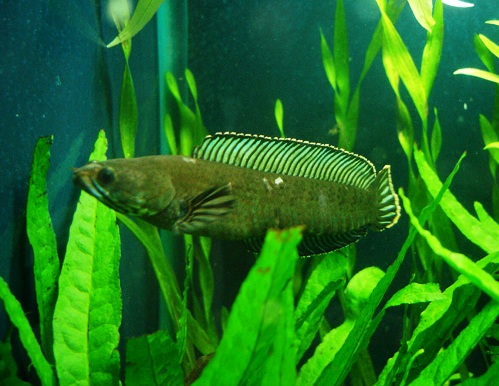
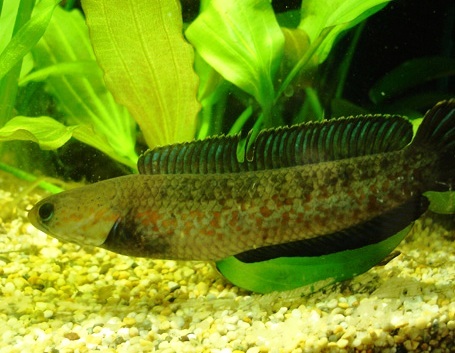
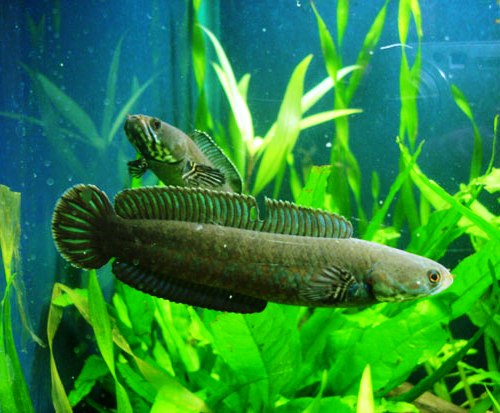
图片来自 SeriouslyFish,版权归各摄影者所有。
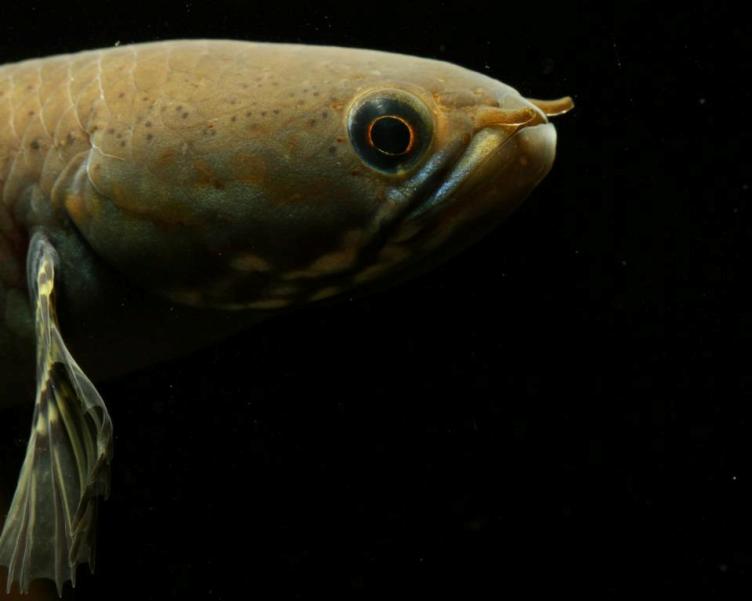
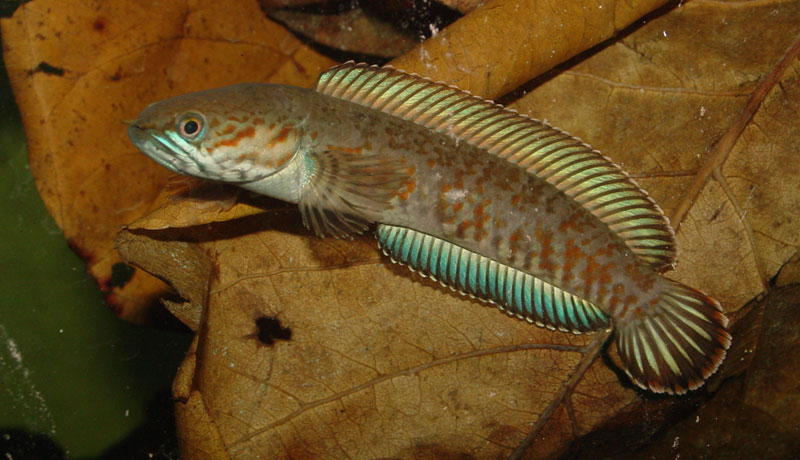
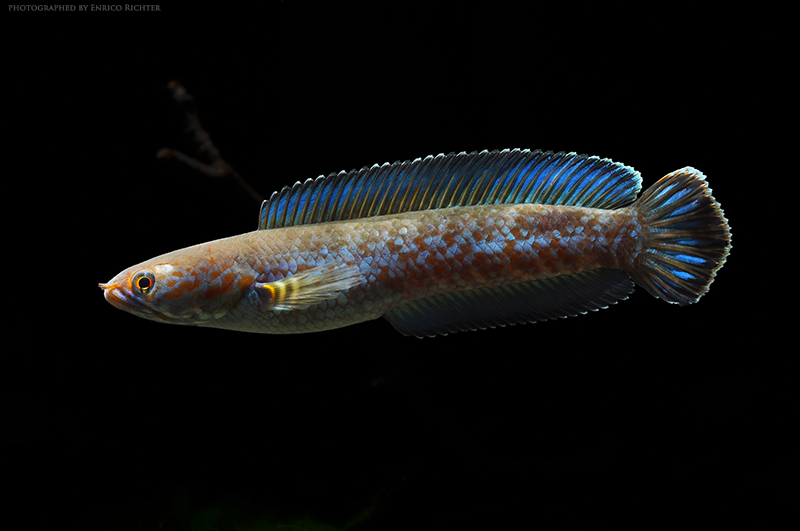
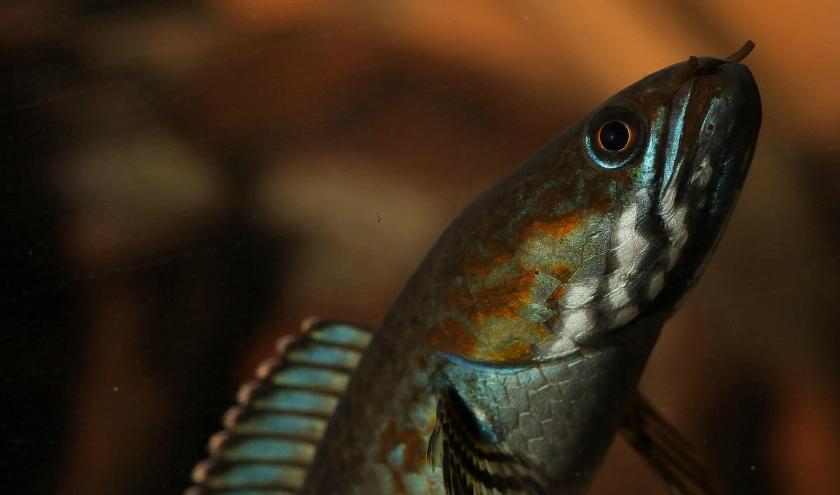
English
Overview
Channa andrao combines a relatively small adult size with vivid color, pair interaction, and brood care. Defined cool and warm seasons are essential; constant high temperature is inappropriate. Air breathing also makes a secure lid and access to humid air above the water practical necessities.
Distribution & habitat
It is native to the Brahmaputra basin of northeastern India. Confirmed records center on Lefraguri swamp near Barobisha in West Bengal, while trade collections suggest additional populations. Monsoon flooding alternates with drier conditions.
The type locality has been observed as a shallow, silty forest swamp with turbid water and abundant submerged vegetation. Fish retreat into water-containing burrows during dry and winter periods, emerging to feed and breed when flooding returns.
Aquarium setup
Allow at least about 80 × 30 cm for a pair and more for a group, with water deeper than 30 cm. Dim light, floating plants, submerged cover, and leaves provide security. Close the lid tightly but leave a humid air space between it and the water.
Provide distinct winter and summer periods rather than a constant temperature. Feed much less during the cool phase; the water level can decline naturally instead of continually being topped back to its warm-season level.
Diet & feeding
This obligate predator probably takes insects and other invertebrates in nature. Juveniles can receive bloodworms, small earthworms, and chopped shrimp. Adults accept varied fish strips, whole shrimp, mussels, live river shrimp, and larger earthworms. Crickets or fruit flies are also suitable when fed nutritious fish food or vegetable matter beforehand.
Some individuals accept dry foods, but these should not form the staple. Adults need not eat daily even in warm conditions, and fatty foods should be limited to once weekly. Avoid beef heart, chicken, and other mammalian or bird meat. Routine feeder fish are unnecessary and introduce parasite or disease risks.
Behaviour & compatibility
A dedicated aquarium is preferable, although carefully chosen peaceful, nonterritorial companions can work. Juveniles coexist more readily than mature fish. Aggression usually increases with maturity, with females often more forceful. A formed pair is generally peaceful together but hostile to other conspecifics, so juvenile compatibility does not justify permanent group housing.
Sexual dimorphism
Females tend to be larger, heavier, and redder. Males have slightly extended dorsal and anal fins and more extensive blue iridescence on unpaired fins. Viewed from above, male heads are usually broader.
Breeding
The male mouthbroods, and captive reproduction is well established. Without a proven pair, begin with six to eight juveniles and let partners form, then remove the others. Prolonged warm-season conditions with temporarily reduced water changing and disturbance have been used to encourage spawning, within an annual seasonal cycle.
After the spawning embrace, the male collects fertilized eggs. Incubation usually takes three to five days but can last longer with inexperienced males. Once fry swim freely, females provide unfertilized feeding eggs. Parental care generally continues for several weeks.
Notes
Pelvic fins are absent. Compared with Channa bleheri, the tail lacks orange blotches, the pectorals have fewer dark bands, and reproduction involves mouthbrooding. Historical labels such as Lal Cheng and Assam do not by themselves establish identity.
来源
- https://www.seriouslyfish.com/species/channa-andrao(抓取于 2026-10-10)
channa-andrao · 文件: data/species/channa-andrao.md · 状态: 草稿