大鳞脂鲤 · Pink-tailed Chalceus
概要
| 字段 | 值 |
|---|---|
| 类别 | 鱼 |
| 学名 | Chalceus macrolepidotus |
| 别名 | 大鱗脂鯉 |
| 分类 | 脂鲤目 Characiformes › 脂鲤科 Characidae › Chalceus |
| 水体 | 淡水 |
| 原产地 | 哥伦比亚、法属圭亚那、圭亚那、苏里南、委内瑞拉 |
| 成体体长 | 25 cm |
| 饲养难度 | 入门 |
| 最小水体 | 243 L |
| 最小缸长 | 120 cm |
| 领地性 | 是 |
| 特征 | 会跳缸: 是;吃小鱼: 是;吃虾: 是 |
| 外部数据 | seriouslyfish chalceus-macrolepidotus;fishbase 10622 |
| 食性 | 肉食 |
| 游动层 | 上层 |
| 繁殖方式 | 散卵 |
水质参数
| 参数 | 耐受范围 | 最适范围 | 单位 |
|---|---|---|---|
| 水温 | 23–28 | — | °C |
| pH | 6–7.5 | — | — |
| 总硬度 | 5–18 | — | dGH |
概述
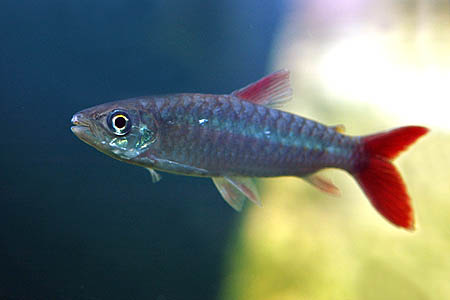
大鳞脂鲤(Chalceus macrolepidotus)尾鳍粉红,身体覆盖明显的大鳞,主要在水面附近活动。它会突然冲刺和跳跃,进口初期又可能因运输掉鳞而较脆弱,选鱼、适应和防撞防跳都值得重视。
分布与栖息地
分布于南美洲北部,记录包括哥伦比亚、委内瑞拉、圭亚那、苏里南、法属圭亚那和秘鲁。通常占据溶氧丰富河流的表层。
饲养环境
给足开放游动空间,底砂配少量枝木即可。浮水植物有助于减轻它的紧张,缸内也应有一定水流。缸盖必须紧密,狭小空间中突然加速容易受伤,因此不要把装饰挤满整个活动区。
食性与喂食
野外主要捕食昆虫和水生甲壳动物。一般能接受干饲料,但仍应经常供应虾、贝肉、红虫和切碎蚯蚓等动物性食物,体型明显小的鱼也会被吃掉。
习性与混养
适合单条或六条以上的大群体,小群体容易互相争斗。可与体型接近的大型脂鲤、异型、合适鲶鱼和食土慈鲷搭配。成年后会有一定领地行为,除非缸很大,尽量避免再放入其他表层鱼;小鱼不能作为安全同伴。
繁殖
已有水族繁殖记录,但方法细节有限,需要很大的缸。卵散布在植被间,一次可达约两千粒。幼鱼据称较大,耗尽卵黄后即可吃丰年虾无节幼体。
补充说明
运输时大鳞容易脱落,新进口鱼可能暂时虚弱;适应后通常较健壮。良好饲养下有超过十五年的寿命记录,但这不代表每条鱼都会达到同样年限。
图片
图片来自 SeriouslyFish,版权归各摄影者所有。
English
Overview
Chalceus macrolepidotus is a pink-tailed, large-scaled characid associated with the upper water layers. It can accelerate sharply and jump. Newly imported fish sometimes arrive in delicate condition because their prominent scales are easily lost during transport.
Distribution & habitat
Its northern South American range includes Colombia, Venezuela, Guyana, Suriname, French Guiana, and Peru. It is usually found near the surface of well-oxygenated rivers.
Aquarium setup
Leave a broad, unobstructed swimming area. Sand and a few branches provide sufficient structure, while floating vegetation helps reduce skittishness. Some circulation is beneficial. Fit the cover tightly and avoid cramped layouts where sudden bursts of speed could cause injury.
Diet & feeding
Insects and aquatic crustaceans dominate the natural diet. Dry foods are generally accepted, but frequent animal-based meals remain appropriate: shrimp, mussel flesh, bloodworms, and chopped earthworms are examples. Much smaller fishes are also prey.
Behaviour & compatibility
Maintain a single specimen or more than six together. Intermediate group sizes tend to produce persistent disputes. Comparable characids, large loricariids, suitable catfishes, and eartheater cichlids are potential companions. Mature fish can defend space, so avoid other surface residents unless the aquarium is exceptionally roomy. Tiny fishes are unsafe.
Breeding
Aquarium spawning has occurred, though few practical details are available. A very large aquarium is required. Up to roughly two thousand eggs may be scattered through vegetation. The young are reportedly large enough to take newly hatched brine shrimp once their yolk is absorbed.
Notes
Careful acclimation is important for freshly transported fish with scale loss. Settled individuals generally become hardy. Lifespans beyond fifteen years have been reported in well-maintained aquariums, but should not be treated as a guarantee.
来源
- https://www.seriouslyfish.com/species/chalceus-macrolepidotus(抓取于 2026-10-10)
chalceus-macrolepidotus · 文件: data/species/chalceus-macrolepidotus.md · 状态: 草稿