危瓜多尔特鲶 · Oil Catfish
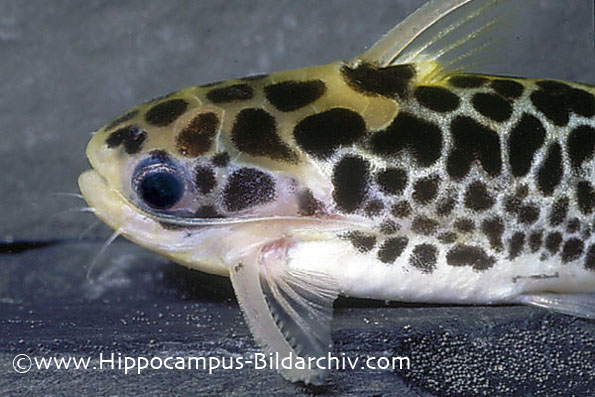
概要
| 字段 | 值 |
|---|---|
| 类别 | 鱼 |
| 学名 | Centromochlus perugiae |
| 别名 | 危瓜多爾特鯰 |
| 分类 | 鲶形目 Siluriformes › 项鳍鲶科 Auchenipteridae › Centromochlus |
| 水体 | 淡水 |
| 原产地 | 厄瓜多尔、秘鲁 |
| 成体体长 | 6 cm |
| 饲养难度 | 中等 |
| 最小水体 | 41 L |
| 最小缸长 | 45 cm |
| 水流偏好 | 高 |
| 外部数据 | seriouslyfish centromochlus-perugiae;fishbase 47713 |
| 食性 | 肉食 |
| 特征 | 夜行性: 是 |
| 性情 | 温和 |
| 繁殖方式 | 附着产卵 |
水质参数
| 参数 | 耐受范围 | 最适范围 | 单位 |
|---|---|---|---|
| 水温 | 24–30 | — | °C |
| pH | 4.9–8 | — | — |
| 总硬度 | 1–25 | — | dGH |
概述
危瓜多尔特鲶(Centromochlus perugiae)是小型夜行鲶鱼,白天爱挤进贴身缝隙,入夜后在水流中接近水面觅食。它不能只靠白天给其他鱼的那一餐维持,夜间投喂和充足藏身处尤其重要。
分布与栖息地
分布于秘鲁和厄瓜多尔,生活在流速较快河段的岸边。栖地通常为砂底,缺少水生植物。
饲养环境
底面积至少约 45 × 30 cm,以砂底较适合,可用交错沉木或管道提供大量小型躲藏处。日常饲养喜有明显水流;自然捕获水质跨度很大,但缸内以接近中性的条件作为安排方向更稳妥,不必追求参数极端。
食性与喂食
自然界主要吃昆虫,缸内喜吃红虫、蚯蚓等活饵和冷冻饵,也接受沉底干饲料。熄灯后投喂,确认它得到食物,同时注意控制份量,它很贪食。
习性与混养
性情温和,除极小鱼苗外通常可与合适的小型温和鱼相处。对同种没有攻击性,可以单养,也可以在躲藏空间充足时群养。
虽然夜间会到水面附近进食,白天则藏在缝隙,不能把它简单当作始终活动于上层的鱼。
雌雄区分
雄鱼臀鳍延长,参与交接;抱卵雌鱼腹部明显更圆。
繁殖
条件合适时可繁殖,但需要中等至较强水流及许多供产卵的小缝隙,短管也可使用。采用不会吸入卵苗的气动海绵过滤。雄鱼经改造的臀鳍结构完成体内受精,雌鱼在隐蔽处产卵并守护至孵化。
孵化后宜分开成鱼与鱼苗,降低被吃风险。鱼苗约六至七天耗尽卵黄,此后可吃微虫或丰年虾无节幼体,也只在黑暗中进食。它们喜欢离开底床、靠近水面藏身,可在缸上部提供细叶浮水植物等庇护。
补充说明
安排观察和投喂时间时应顺应夜行习惯。白天不见鱼并不等于没有正常活动,但仍须确认熄灯后摄食。
图片
图片来自 SeriouslyFish,版权归各摄影者所有。
English
Overview
Centromochlus perugiae spends daylight hours wedged into close-fitting shelters, then emerges after dark to feed near the surface in moving water. Dedicated nighttime feeding and plentiful hiding places are more useful than relying on food offered to daytime tankmates.
Distribution & habitat
It occurs in Peru and Ecuador along the margins of swiftly flowing river sections. Natural sites generally have sandy bottoms and lack aquatic vegetation.
Aquarium setup
A base around 45 × 30 cm is the starting footprint. Sand with tangled wood or small pipes provides suitable daytime retreats. It favors appreciable current during routine care. Although wild records span widely differing water chemistry, conditions near neutral offer a more practical aquarium target than pursuing the extremes.
Diet & feeding
Its natural diet is insect-based. In captivity it enjoys live and frozen foods such as bloodworms and earthworms, alongside sinking dry foods. Feed after lights go out and check that it receives a share. Its greedy feeding response makes portion control necessary.
Behaviour & compatibility
It is peaceful and generally compatible with suitable small, quiet fishes, except for very tiny fry that may be eaten. It shows no aggression toward conspecifics and can be kept singly or socially when sufficient shelters are available.
Surface feeding after dark should not be confused with permanent residence in the upper water; daytime sheltering is an equally important part of its behavior.
Sexual dimorphism
The male has an elongated anal fin involved in mating. Females become much rounder when carrying eggs.
Breeding
Reproduction is possible under suitable conditions, but requires moderate to strong current and numerous small spawning crevices. Short pipes can serve this purpose. Air-driven sponge filtration helps prevent eggs and fry from being drawn into equipment. Fertilization is internal, and the female guards the deposited eggs until hatching.
Separate adults and offspring afterward to reduce predation. Fry exhaust their yolk reserves in about six or seven days, then accept microworms or brine-shrimp nauplii. They feed only in darkness and favor retreats above the bottom, near the surface. Fine floating vegetation provides useful elevated cover.
Notes
Observation and feeding should follow its nocturnal schedule. Remaining hidden by day is normal, but actual nighttime food intake still needs checking.
来源
- https://www.seriouslyfish.com/species/centromochlus-perugiae(抓取于 2026-10-10)
centromochlus-perugiae · 文件: data/species/centromochlus-perugiae.md · 状态: 草稿