蠕锥颌象鼻鱼 · Worm-Jawed Mormyrid
概要
| 字段 | 值 |
|---|---|
| 类别 | 鱼 |
| 学名 | Campylomormyrus tamandua |
| 别名 | 弯颌象鼻鱼、蠕錐頜象鼻魚、彎頜象鼻魚 |
| 分类 | 骨舌鱼目 Osteoglossiformes › 象鼻鱼科 Mormyridae › Campylomormyrus |
| 水体 | 淡水 |
| 原产地 | 布基纳法索、喀麦隆、乍得、刚果民主共和国、加纳、马里、尼日利亚 |
| 成体体长 | 40 cm |
| 饲养难度 | 中等 |
| 最小水体 | 648 L |
| 最小缸长 | 180 cm |
| 特征 | 会跳缸: 是;夜行性: 是 |
| 外部数据 | seriouslyfish campylomormyrus-tamandua;fishbase 5076 |
| 游动层 | 底层 |
水质参数
| 参数 | 耐受范围 | 最适范围 | 单位 |
|---|---|---|---|
| 水温 | 23–28 | — | °C |
| pH | 5–7 | — | — |
| 总硬度 | 0–10 | — | dGH |
概述
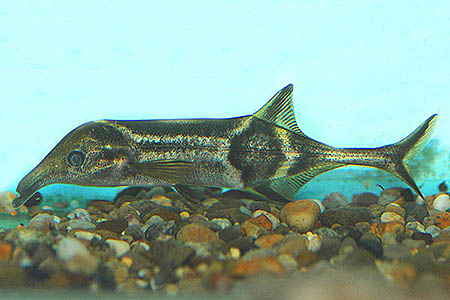
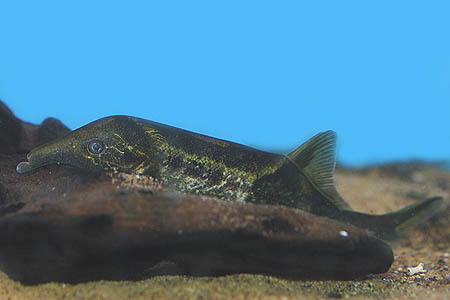
蠕锥颌象鼻鱼(Campylomormyrus tamandua)是一种夜间活动的底栖鱼,上下颌都向前延伸,口部呈喙状。它需要宽敞、遮光充分且水质洁净的环境,通常不接受常规干粮,不能仅因幼鱼看起来特别就忽略成年饲养条件。
分布与栖息地
分布记录涵盖西非及中非的喀麦隆、尼日利亚、刚果民主共和国、加纳、乍得、贝宁、马里、布基纳法索和尼日尔。主要生活在河流中昏暗、泥底、植被浓密的区域,常驻底层。
饲养环境
成鱼需要大缸,幼鱼可暂时在较小缸中养成,但必须预先安排升级。弱光、浮水植物、石块、沉木和水草共同提供遮蔽。强光下容易紧张,可能跳出水面,因此需留意防跳。
底床必须使用沙质材料,供其用吻部探找食物。可营造一定水流,泥炭过滤有助于形成类似天然软酸水环境,但洁净、稳定的水质更重要。
食性与喂食
可提供活饵及冷冻红虫、丰年虾、蚯蚓、水丝蚓等。干粮极少被接受,甚至完全拒食,因此应在购入前准备可靠的适口饵料,不能指望仅靠颗粒粮长期维持。
习性与混养
与其他象鼻鱼科成员、包括同种通常相处不好,综合缸中宜只养一条。体型接近、有自保能力但不凶猛的鱼较合适,可考虑较大的倒游鲶属鱼或温和慈鲷。
避免游动很快、抢食强的混养对象,否则即使没有追咬,也可能长期吃不到足够食物。
繁殖
水族箱繁殖尚无可靠的成功记录可供参考。
补充说明
偶尔会混在彼氏锥颌象鼻鱼(Gnathonemus petersii)的进口批次中出现;两颌都明显延长是辨认时的重要线索。它对多种水族药物敏感,不宜忽视用药后的反应。
象鼻鱼科鱼类利用尾部附近的特化肌肉产生微弱电场,并通过电感受器感知周围变化。这使它们能在暗处定位、寻找食物、避开危险,也参与同类沟通和寻找配偶。
图片
图片来自 SeriouslyFish,版权归各摄影者所有。
English
Overview
An extended upper and lower jaw gives Campylomormyrus tamandua its distinctive beak. This nocturnal bottom dweller needs substantial adult accommodation, shaded surroundings, and consistently clean water. Its frequent refusal of ordinary prepared food is an additional commitment to consider before purchase.
Distribution & habitat
Records span western and central Africa, including Cameroon, Nigeria, the Democratic Republic of Congo, Ghana, Chad, Benin, Mali, Burkina Faso, and Niger. It occupies dim, muddy river areas with dense vegetation and lives mainly near the bottom.
Aquarium setup
Plan adult accommodation from the start, even if juveniles initially occupy a smaller aquarium. Use subdued lighting, floating vegetation, stones, roots, and plants to create sheltered areas. Bright illumination makes fish nervous and can provoke jumping, so escape prevention matters.
Sand is essential for natural probing with the snout. Some water movement and peat filtration can help approximate its habitat, but neither replaces stable, pristine soft acidic water.
Diet & feeding
Live and frozen items such as bloodworms, Artemia, earthworms, and tubifex are accepted. Dry preparations are seldom eaten, if at all. Arrange a dependable supply of suitable food before acquiring the fish instead of relying on eventual pellet acceptance.
Behaviour & compatibility
Other mormyrids, including members of its own species, are poor companions. A single specimen is the better choice for a mixed aquarium. Comparable-sized fish capable of holding their own, such as larger Synodontis or peaceful cichlids, are possibilities.
Avoid fast-moving competitors. Food deprivation can become a problem even when tankmates never attack it directly.
Breeding
There is no dependable record of successful aquarium breeding to guide a practical method.
Notes
It occasionally appears among shipments of the elephantnose fish, Gnathonemus petersii. Extension of both jaws helps distinguish it. Sensitivity to many aquarium medications also requires care when treatment is considered.
Mormyrids generate a weak field through specialized muscle near the tail. Receptors detect disturbances around the fish, supporting orientation, feeding, and predator avoidance in darkness. Electrical signaling also contributes to communication and finding mates.
来源
- https://www.seriouslyfish.com/species/campylomormyrus-tamandua(抓取于 2026-10-10)
campylomormyrus-tamandua · 文件: data/species/campylomormyrus-tamandua.md · 状态: 草稿