横口非洲盲刺鳅
概要
| 字段 | 值 |
|---|---|
| 类别 | 鱼 |
| 学名 | Caecomastacembelus plagiostomus |
| 别名 | 橫口非洲盲刺鰍 |
| 分类 | 合鳃鱼目 Synbranchiformes › 刺鳅科 Mastacembelidae › Caecomastacembelus |
| 水体 | 淡水 |
| 成体体长 | 30 cm |
| 饲养难度 | 中等 |
| 最小水体 | 243 L |
| 最小缸长 | 120 cm |
| 特征 | 吃小鱼: 是;翻底砂: 是 |
| 外部数据 | seriouslyfish caecomastacembelus-plagiostomus;fishbase 10065 |
| 原产地 | 坦噶尼喀湖 |
| 食性 | 肉食 |
| 游动层 | 底层 |
| 领地性 | 是 |
水质参数
| 参数 | 耐受范围 | 最适范围 | 单位 |
|---|---|---|---|
| 水温 | 23–27 | — | °C |
| pH | 8–9.5 | — | — |
| 总硬度 | 8–25 | — | dGH |
概述
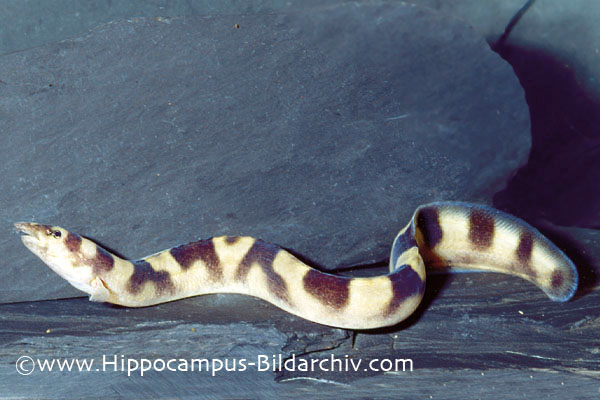
横口非洲盲刺鳅(Caecomastacembelus plagiostomus)来自坦噶尼喀湖浅岸岩区,常埋入底砂休息。它需要宽阔底部空间和硬碱水环境,对吞不下的同伴通常平和,但不能与小鱼随意混养。
分布与栖息地
仅原产坦噶尼喀湖,多见于沿岸较浅的岩石区域。
饲养环境
可采用约 120 × 45 × 45 cm 的缸,底部宽度比高度更重要。石堆供躲藏,铺沙供钻入;砾石尖边可能损伤皮肤,应避免使用。水流不要过强。
食性与喂食
野外捕食小鱼,人工环境中通常能接受非活体食物,可用虾、蛤蜊、贻贝、蚯蚓和红虫轮换。
习性与混养
适合与水质需求一致、体型大到不可能被吞食的坦湖鱼相处。对同种略有领地意识,多条同养需大缸与充分藏身处,不能只增加缸高来代替底部空间。
繁殖
有过人工繁殖,但细节较少,尝试时以同种专缸较合适。据称卵具黏性,产在底床或石块下方,这些具体方式仍有不确定性。
亲鱼不照护后代,产后宜分开。幼鱼很小,初期需草履虫等微小食物,外形起初像普通鱼苗,长大后才逐渐拉长成刺鳅形态。
补充说明
贸易中很少见。背部坚硬鳍条可能造成刺伤,移动时需小心。本科缺少鳔的特点与底栖生活相关,但不应因此忽略躲藏空间和柔软底砂。
图片
图片来自 SeriouslyFish,版权归各摄影者所有。
English
Overview
The Tanganyikan Caecomastacembelus plagiostomus spends substantial time buried in sand. A broad footprint and hard alkaline water are central requirements. It generally tolerates fishes too large to swallow, without being safe alongside small companions.
Distribution & habitat
It is endemic to Lake Tanganyika, typically using shallow rocky shoreline habitat.
Aquarium setup
An aquarium around 120 × 45 × 45 cm is suitable, with width more valuable than extra height. Provide rock shelters and sand for burrowing. Sharp gravel can damage the skin. Keep currents from becoming excessive.
Diet & feeding
Wild individuals prey on smaller fishes, while aquarium fish readily take nonliving alternatives. Rotate shrimp, clams, mussels, earthworms, and bloodworms.
Behaviour & compatibility
Choose Tanganyikan companions with matching chemistry and sufficient size to avoid predation. Conspecific territoriality requires a larger tank and ample hiding places if several are maintained. Greater height cannot replace adequate floor area.
Breeding
Captive reproduction has occurred, but details are limited. A dedicated aquarium is preferable for an attempt. Adhesive eggs are reportedly deposited in the substrate or beneath rocks; those placement details remain tentative.
Adults provide no care, so separation after spawning is advisable. Tiny larvae require infusoria-sized food. They initially resemble conventional fish fry, developing the elongated eel shape as they grow.
Notes
Rarely traded, it needs careful handling because hardened dorsal rays can injure fish or handlers. Lack of a swim bladder is a family characteristic associated with bottom living, not a substitute for providing shelters and soft sand.
来源
ID:caecomastacembelus-plagiostomus · 文件: data/species/caecomastacembelus-plagiostomus.md · 状态: 草稿