双色丘头鲶 · Banjo Catfish
概要
| 字段 | 值 |
|---|---|
| 类别 | 鱼 |
| 学名 | Bunocephalus coracoideus |
| 别名 | 雙色丘頭鯰 |
| 分类 | 鲶形目 Siluriformes › 粗皮鲶科 Aspredinidae › Bunocephalus |
| 水体 | 淡水 |
| 原产地 | 玻利维亚、巴西、秘鲁 |
| 成体体长 | 15 cm |
| 饲养难度 | 入门 |
| 最小水体 | 68 L |
| 最小缸长 | 60 cm |
| 外部数据 | seriouslyfish bunocephalus-coracoideus;fishbase 12152 |
| 特征 | 吃小鱼: 否;夜行性: 是 |
| 繁殖方式 | 附着产卵 |
水质参数
| 参数 | 耐受范围 | 最适范围 | 单位 |
|---|---|---|---|
| 水温 | 20–27 | — | °C |
| pH | 5.8–7.8 | — | — |
| 总硬度 | 2–20 | — | dGH |
概述
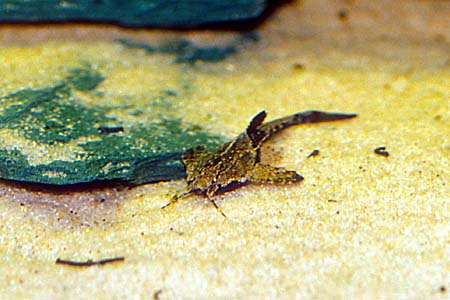
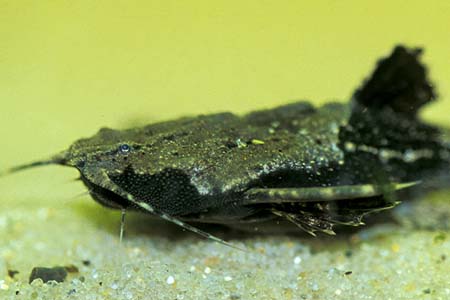
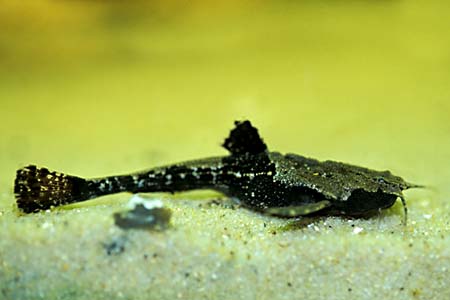
双色丘头鲶(Bunocephalus coracoideus)以近似枯叶的外形伪装,白天隐蔽少动,入夜才活跃。它不捕食小鱼,却也未必适合所有普通混养缸:真正的难点常是确保这个安静的夜间进食者吃到足够食物。
分布与栖息地
分布在玻利维亚、秘鲁和巴西,生活在落叶、倒枝及碎屑丰富的森林溪流、湖泊和池塘中。
饲养环境
空间可参考 60 × 38 × 30 厘米,但要有很多躲藏处和柔和光线。细砂、石木缝隙都可提供遮蔽,底部散放干燥橡叶或山毛榉叶能让它更自然地融入背景,避免为了展示而把环境清成无处可藏。
食性与喂食
不太挑食,却可能因不主动追逐食物而吃不够。可喂红虫、蚯蚓等活饵或冷冻饵,也接受沉底干饲料。应在熄灯后投喂,确认饵料能到达它附近,不能只看其他鱼吃得积极就认为全缸都已喂到。
习性与混养
不会捕食小鱼,可与小型脂鲤、温和短鲷或其他温和鲶类搭配。对同种没有攻击性,单养或群养都可以;混养安排仍要顾及它夜间出动、平时隐蔽的习惯。
雌雄区分
不容易辨别雌雄,成年雌鱼往往较大,腹部更圆。
繁殖
人工繁殖虽少见,但可以实现。尝试时可用至少六尾成熟个体,夜间直接在底床上产卵。成鱼会吃卵,宜提前准备装有相同水质的孵化缸,发现卵后转移。约三天孵化,仔鱼吸收卵黄后可用微虫或丰年虾无节幼体开口。
补充说明
平时可能几乎不游动,受惊也不一定迅速逃走,不能凭静止姿态就判断生病。近亲有周期性蜕去表皮的现象,具体原因尚不清楚。
图片
图片来自 SeriouslyFish,版权归各摄影者所有。
English
Overview
With camouflage resembling a fallen leaf, Bunocephalus coracoideus stays concealed and inactive by day, emerging after dark. It does not prey on small fish, yet is not automatically an easy community catfish: ensuring that it receives food is often the main challenge.
Distribution & habitat
It occurs in Bolivia, Peru, and Brazil, inhabiting forest streams, lakes, and ponds with abundant leaves, fallen branches, and similar debris.
Aquarium setup
A 60 by 38 by 30 cm aquarium is suggested. Prioritize numerous retreats and dim lighting, using sand and crevices among stones or wood. Scattered dried oak or beech leaves provide a natural camouflage background.
Diet & feeding
It accepts live or frozen worms and sinking dry foods, but its sedentary habits can make feeding less straightforward than acceptance suggests. Add food after lights out and make sure it reaches the fish rather than being intercepted by companions.
Behaviour & compatibility
Small fish are not targeted. Peaceful characins, dwarf cichlids, and suitably placid catfish can be companions. It is nonaggressive toward conspecifics and can live singly or in groups, provided feeding access is maintained.
Sexual dimorphism
Sexing is difficult, although mature females tend to be larger and fuller through the abdomen.
Breeding
Captive breeding is uncommon but achievable. A group of at least six mature fish can be used. Eggs are laid on the substrate at night and may be eaten by adults, so prepare a separate aquarium with matching water for transfer. Hatching takes around three days; after yolk absorption, offer microworms or Artemia nauplii.
Notes
A still posture or failure to dash away is not by itself evidence of illness. Periodic skin shedding is described across the family, although its exact purpose is unclear.
来源
- https://www.seriouslyfish.com/species/bunocephalus-coracoideus(抓取于 2026-10-10)
bunocephalus-coracoideus · 文件: data/species/bunocephalus-coracoideus.md · 状态: 草稿