哈氏兵鲶 · Mosaic Cory
概要
| 字段 | 值 |
|---|---|
| 类别 | 鱼 |
| 学名 | Brochis haraldschultzi |
| 别名 | 哈氏兵鯰、Corydoras haraldschultzi |
| 分类 | 鲶形目 Siluriformes › 美鲶科 Callichthyidae › Brochis |
| 水体 | 淡水 |
| 原产地 | 玻利维亚、巴西 |
| 成体体长 | 8.5 cm |
| 饲养难度 | 入门 |
| 最小水体 | 108 L |
| 最小缸长 | 120 cm |
| 群居方式 | 群游 |
| 性情 | 温和 |
| 外部数据 | seriouslyfish brochis-haraldschultzi;fishbase 12177 |
| 食性 | 杂食 |
| 繁殖方式 | 附着产卵 |
水质参数
| 参数 | 耐受范围 | 最适范围 | 单位 |
|---|---|---|---|
| 水温 | 24–28 | — | °C |
| pH | 5.5–7.5 | — | — |
| 总硬度 | 2–10 | — | dGH |
概述
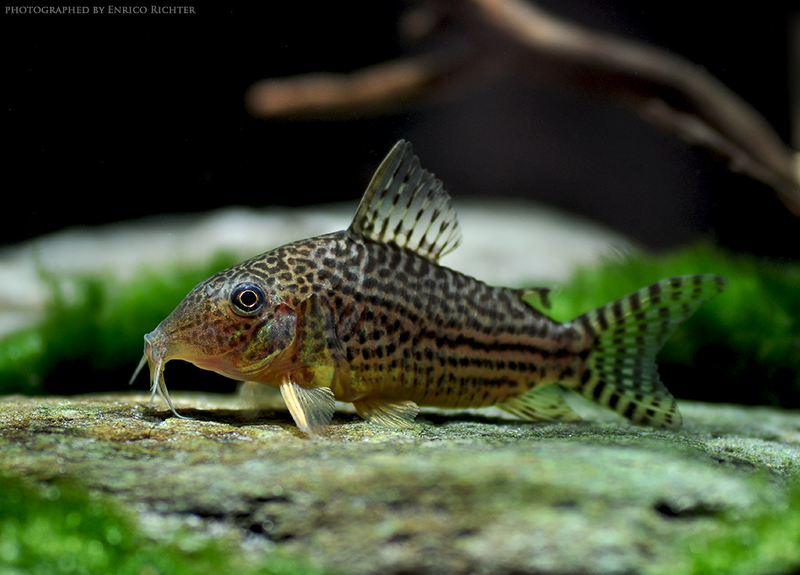
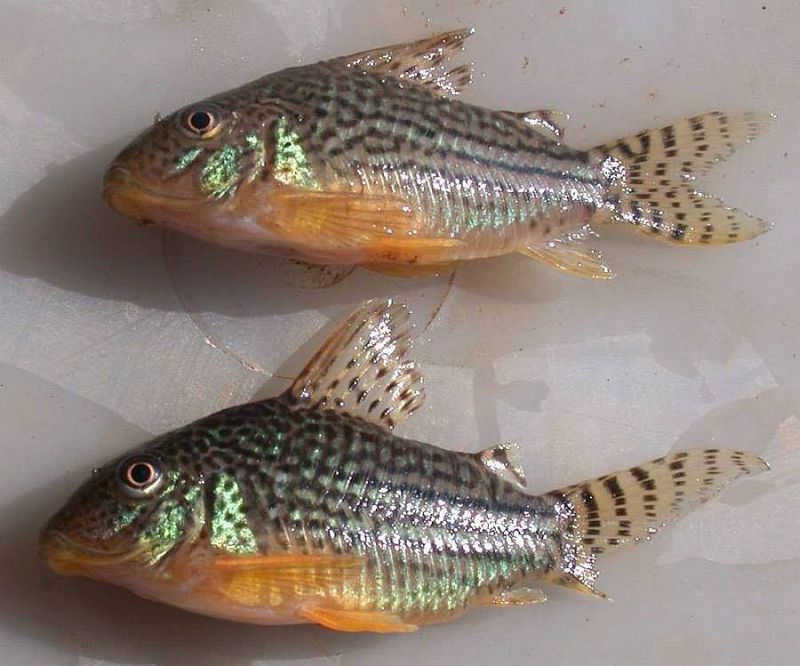
哈氏兵鲶(Brochis haraldschultzi)有较长吻和浅底深色头纹,成体可约 8.5 厘米。它与常见的近似花纹鼠鱼容易混淆,头部斑纹的明暗关系及体型是重要区别。
分布与栖息地
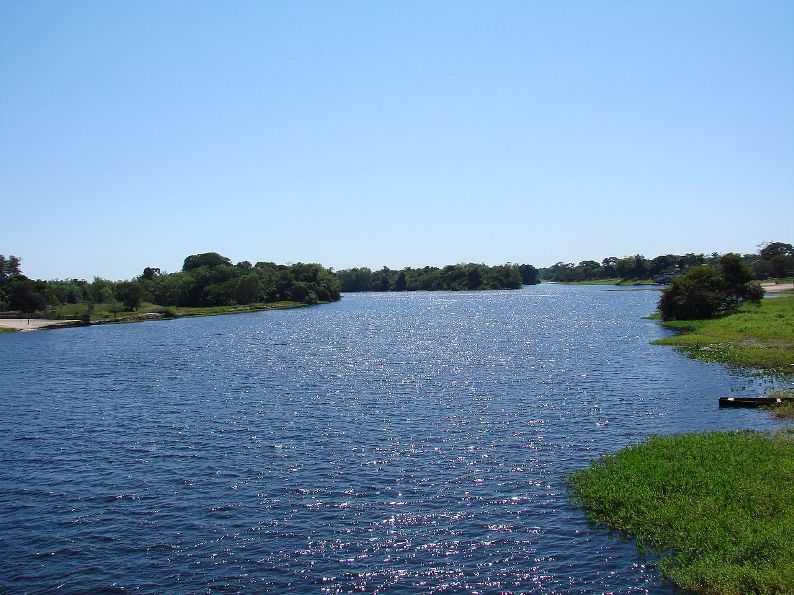
原生于玻利维亚东北部与巴西西部的瓜波雷河,即玻利维亚称伊特内斯河的同一水系,属马代拉河上游。河水温暖清澈、偏酸并受单宁染色。历史模式产地曾改记远处托坎廷斯河,但瓜波雷原始地点似更可信。
饲养环境
底面积至少约 120 × 30 厘米,优先细沙,或用保持清洁的圆滑砾石。提供遮蔽使群体能安心活动。
食性与喂食
杂食,主动投喂下沉干粮及小型活冷冻饵,保持食谱变化。不要只靠其他鱼残饵。
习性与混养
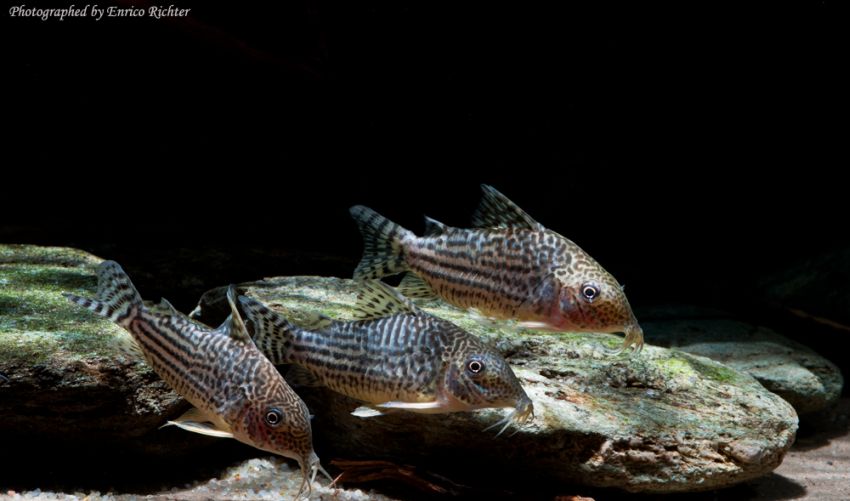
温和合群,至少四至六尾共同饲养。
雌雄区分
成熟雌鱼往往更大,身体更宽、体高更高。
繁殖
可按鼠鱼常用方式繁殖,一雌配两雄或更多雄鱼,雌鱼明显抱卵后用偏凉水换约 50%~70%,并增加充氧和水流。卵可附在玻璃、细叶植物或沉底拖把上,产后移开亲鱼或卵。孵化用原缸水并充氧,注意霉卵;通常约三至四天孵化,卵黄吸收后可喂微虫或丰年虾无节幼体。幼鱼需要很好水质,薄沙底似比裸底更少出问题。
补充说明
与 斯特巴氏兵鲶(Hoplisoma sterbai) 相比,本种吻更长、成鱼更大,头及背鳍前部是浅底上的深色蠕纹或斑点,而非深底浅点。它可偶尔上浮吞气;胸鳍棘会刺伤,基部腺体分泌物可能有轻微毒性。
图片
图片来自 SeriouslyFish,版权归各摄影者所有。
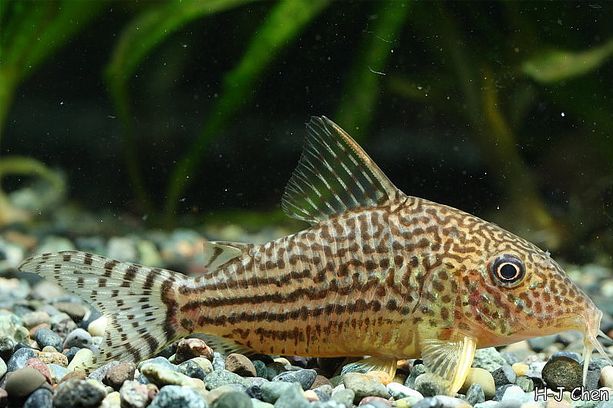
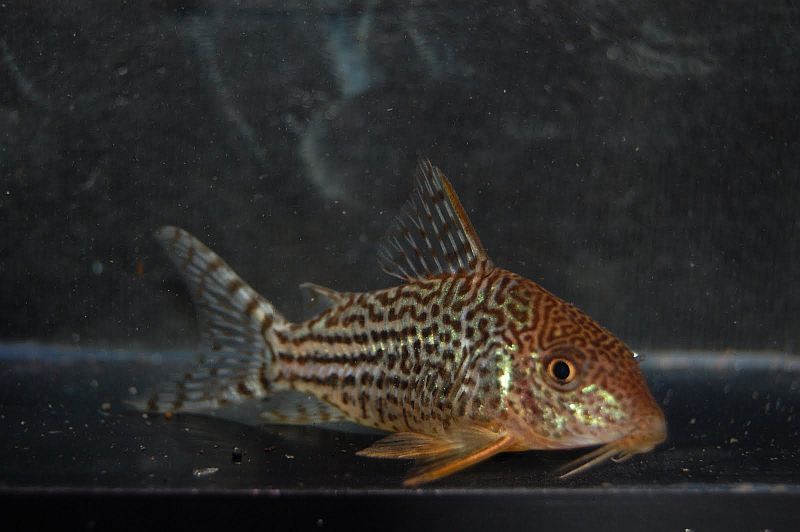
English
Overview
A longer snout and dark head markings on a pale ground characterize Brochis haraldschultzi, which reaches about 8.5 cm. These features and adult size help distinguish it from superficially similar cory catfishes.
Distribution & habitat
It is endemic to the Guaporé, known as the Iténez in Bolivia, within the upper Madeira system of northeastern Bolivia and western Brazil. Warm, clear, acidic water carries a tannin tint. A later attribution of the type locality to the distant Tocantins conflicts with the original Guaporé locality, which appears more likely correct.
Aquarium setup
Use a footprint of at least about 120 by 30 cm. Fine sand or clean rounded gravel and suitable cover provide a practical setup.
Diet & feeding
Provide varied sinking foods and small live or frozen supplements. This omnivore needs direct feeding rather than a diet of community leftovers.
Behaviour & compatibility
Maintain a peaceful group of at least four to six.
Sexual dimorphism
Mature females tend to be larger, broader, and deeper-bodied than males.
Breeding
Use two or more males per female. When females are visibly gravid, a 50–70% cooler-water change and increased aeration can encourage spawning. Adhesive eggs may be placed on glass, fine plants, or submerged mops. Separate eggs or adults afterward and incubate in well-oxygenated water from the breeding tank. Watch for fungal eggs. Hatching usually takes three to four days, with small live foods offered after yolk absorption. Excellent water quality is essential; a thin sand bed appears beneficial compared with a bare setup.
Notes
Unlike Hoplisoma sterbai, this fish has a longer snout, a larger adult size, and dark spots or vermiculations over a light head and predorsal background. Occasional air gulps supplement respiration. Handle carefully around the pectoral spines; associated gland secretions may be mildly toxic.
来源
- https://www.seriouslyfish.com/species/brochis-haraldschultzi(抓取于 2026-10-10)
brochis-haraldschultzi · 文件: data/species/brochis-haraldschultzi.md · 状态: 草稿