Brochis condiscipulus
概要
| 字段 | 值 |
|---|---|
| 类别 | 鱼 |
| 学名 | Brochis condiscipulus |
| 别名 | Corydoras condiscipulus |
| 分类 | 鲶形目 Siluriformes › 美鲶科 Callichthyidae › Brochis |
| 水体 | 淡水 |
| 原产地 | 巴西、法属圭亚那 |
| 成体体长 | 6.5 cm |
| 饲养难度 | 入门 |
| 最小水体 | 81 L |
| 最小缸长 | 90 cm |
| 群居方式 | 群游 |
| 性情 | 温和 |
| 外部数据 | seriouslyfish brochis-condiscipulus;fishbase 46055 |
水质参数
| 参数 | 耐受范围 | 最适范围 | 单位 |
|---|---|---|---|
| 水温 | 20–26 | — | °C |
| pH | 6–7.5 | — | — |
| 总硬度 | 2–12 | — | dGH |
概述
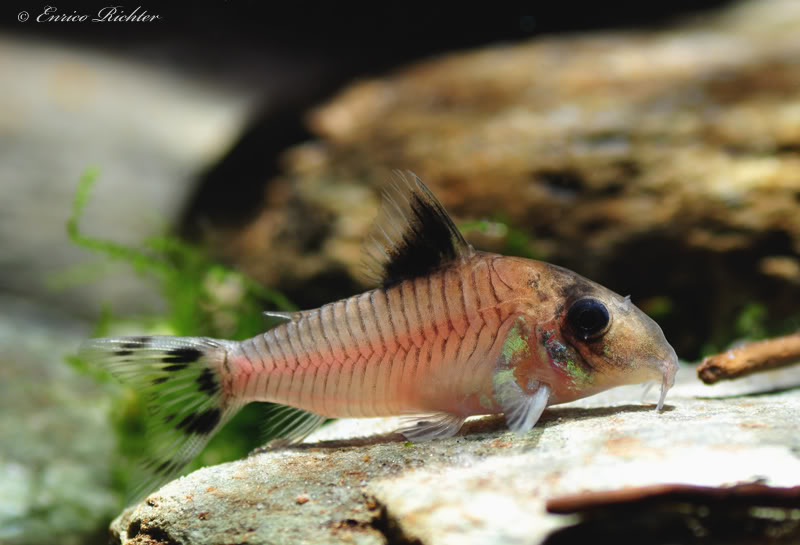
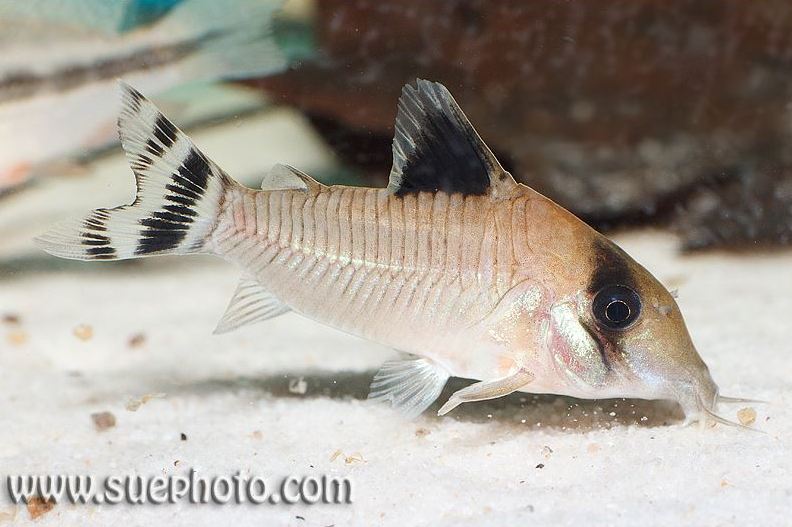
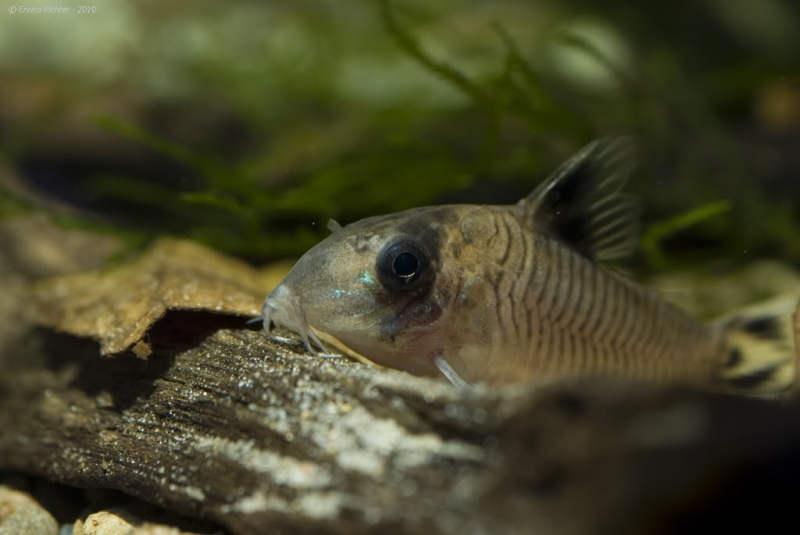
Brochis condiscipulus 是奥亚波克河流域的温和群居甲鲶,旧名为 Corydoras condiscipulus。它常与外观相似的近缘鱼共域出现,辨认时应综合体形和吻部比例,不能只比较花纹。
分布与栖息地
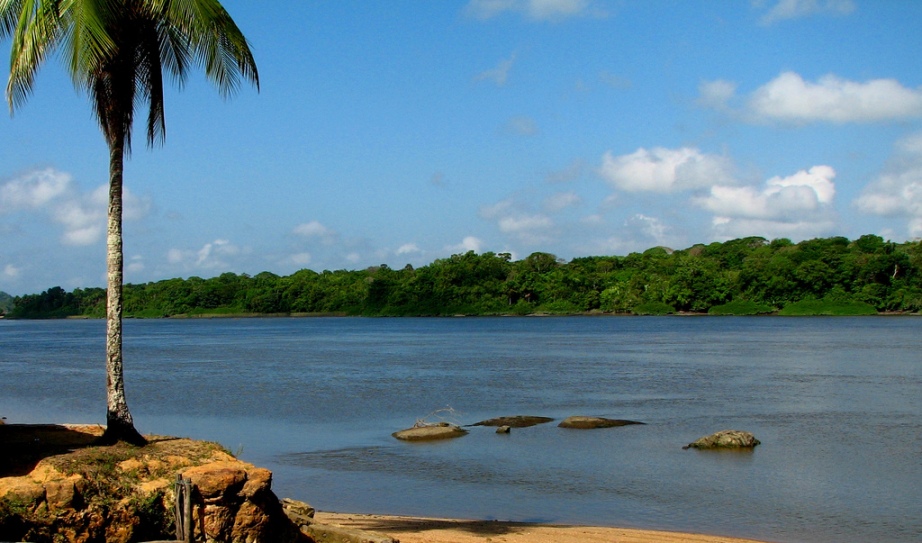
原产法属圭亚那与巴西阿马帕州交界的奥亚波克河水系,在该水系许多河段都有记录。模式产地是主河道左岸的 Cumuri 溪。
饲养环境
细沙最合适,圆滑砾石也可使用,前提是保持清洁。布景可灵活选择,但要有适当遮蔽,让鱼群有藏身处。
食性与喂食
旧称鼠鱼的相关类群多为搜食型杂食鱼,饲养时常以沉底干粮、红虫、水蚯蚓等小型活饵或冷冻饵料搭配。多样、规律的专门投喂比让它捡残饵更可靠,不要把它当作无需喂食的清缸鱼。
习性与混养
性情温和、喜欢同种陪伴,至少四至六条成群饲养较合适。
雌雄区分
雌鱼通常长得更大,性成熟后体形更宽、更圆,抱卵时尤其明显。
补充说明
与共域的 Hoplisoma oiapoquense 相比,本种成年体形较大但躯干较窄,胸鳍硬棘较短,吻更长。原属 Corydoras,在 2024 年的属级拆分中转入 Brochis,因此新旧属名可能并存于标签中。
甲鲶科鱼的体表骨板构成护甲。相关类群可以借助特化肠道摄取空气,缸中偶尔冲到水面吞气不一定是异常动作。捞取时要避开坚硬胸鳍棘,刺伤可能很痛;棘基腺体分泌物可能有轻微毒性,这仍带有不确定性。
图片
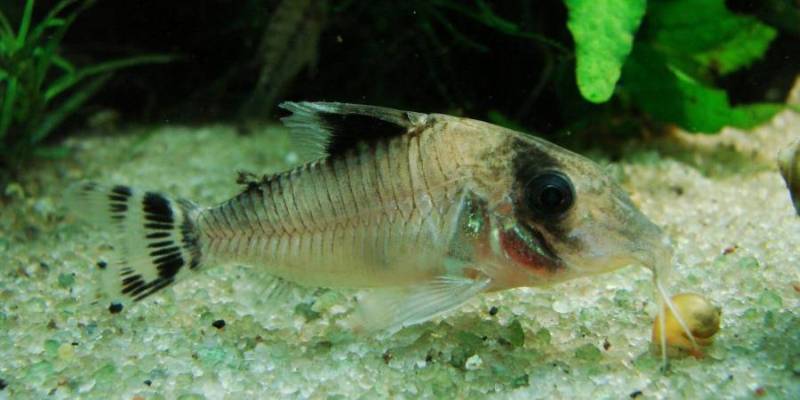
图片来自 SeriouslyFish,版权归各摄影者所有。
English
Overview
The peaceful, social Brochis condiscipulus comes from the Oyapock drainage and was formerly known as Corydoras condiscipulus. A similar-looking relative shares its range, making body proportions and snout shape useful alongside pattern when identifying specimens.
Distribution & habitat
It occurs through much of the Oyapock system on the border between French Guiana and Brazil's Amapá State. Cumuri Creek, on the river's left bank, is the type locality.
Aquarium setup
Fine sand is a good substrate choice. Rounded gravel can also be used if cleanliness is maintained. Decoration is otherwise a matter of preference, with sheltered areas providing security for the group.
Diet & feeding
The catfishes traditionally grouped under Corydoras are generally foraging omnivores. Captive feeding commonly combines sinking prepared foods with small live or frozen bloodworms and aquatic worms.
Deliver a varied ration for the catfish themselves. Depending on scraps from other inhabitants leaves their needs unmet, and they should not be purchased as self-feeding aquarium cleaners.
Behaviour & compatibility
A group of at least four to six suits its peaceful, gregarious nature.
Sexual dimorphism
Females typically attain a larger size and have a broader, rounder outline once mature, most noticeably when carrying eggs.
Notes
Compared with the sympatric Hoplisoma oiapoquense, this species grows larger while retaining a narrower body, shorter pectoral spine, and longer snout. Its transfer from Corydoras to Brochis followed the 2024 division of the former genus, so both combinations appear in older and newer labels.
Armored catfishes possess protective body plates. These fishes can supplement aquatic respiration by taking air into a specialized intestine, explaining occasional trips to the surface. Handle carefully around the rigid pectoral spines, which can puncture skin painfully. Secretions near the spine bases are suspected of being mildly toxic, rather than conclusively established as such here.
来源
- https://www.seriouslyfish.com/species/brochis-condiscipulus(抓取于 2026-10-10)
brochis-condiscipulus · 文件: data/species/brochis-condiscipulus.md · 状态: 草稿