帕拉短平口鲶 · Dourada
概要
| 字段 | 值 |
|---|---|
| 类别 | 鱼 |
| 学名 | Brachyplatystoma rousseauxii |
| 别名 | 帕拉短平口鯰 |
| 分类 | 鲶形目 Siluriformes › 长须鲶科 Pimelodidae › Brachyplatystoma |
| 水体 | 淡水 |
| 原产地 | 巴西、哥伦比亚、法属圭亚那、圭亚那、秘鲁、苏里南、委内瑞拉 |
| 成体体长 | 190 cm |
| 饲养难度 | 中等 |
| 群居方式 | 独居 |
| 外部数据 | seriouslyfish brachyplatystoma-rousseauxii;fishbase 58421 |
| 食性 | 肉食 |
| 特征 | 吃小鱼: 是 |
水质参数
| 参数 | 耐受范围 | 最适范围 | 单位 |
|---|---|---|---|
| 水温 | 22–28 | — | °C |
| pH | 6–8 | — | — |
| 总硬度 | 1–20 | — | dGH |
概述
帕拉短平口鲶(Brachyplatystoma rousseauxii)是银白色的大型洄游鲶,生活史跨越亚马孙上游和三角洲。它需要极大型设施,普通家庭缸无法完整承接成体需求;人工环境也难以复制其复杂的繁殖迁移过程。
分布与栖息地
广布亚马孙、奥里诺科、圭亚那及巴西东北部的一些大河,主要在深而有流速的河道,移动多与营养丰富的白水水系有关。雨季淡水推动河口盐水外退,幼鱼可进入三角洲觅食;盐水返回时向上游移动,此阶段更可能是取食和扩散。
鱼苗从上游漂向三角洲估计需 13–20 天,幼鱼在河口区域停留约三年后,继续在中下游生长。成熟鱼再成群回到上游,不同群体可能回到出生支流。成熟个体记录集中于亚马孙西部,一些群体从三角洲上溯可达约 5500 千米。
饲养环境
布置宜简单,砂底、大型沉木或裸缸均比精细种植景观更现实。灯光不宜过亮,水质需要巨大且可靠的过滤系统和严格维护支撑。没有适合一般家庭照搬的最小缸方案,应先确认成体长期设施。
食性与喂食
天然几乎以鱼为食,甲鲶及其他底栖鱼也在猎物中。多数能接受虾、贝肉、鱿鱼和鱼肉条等非活饵;成鱼每周最多一餐。
习性与混养
只能考虑大到不会被吞食的伙伴,外表温和不能排除捕食行为。
补充说明
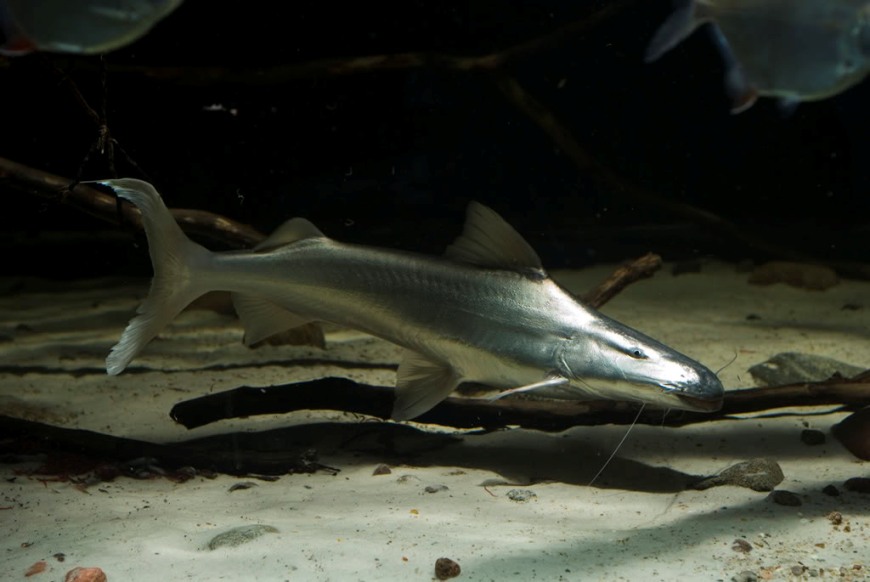
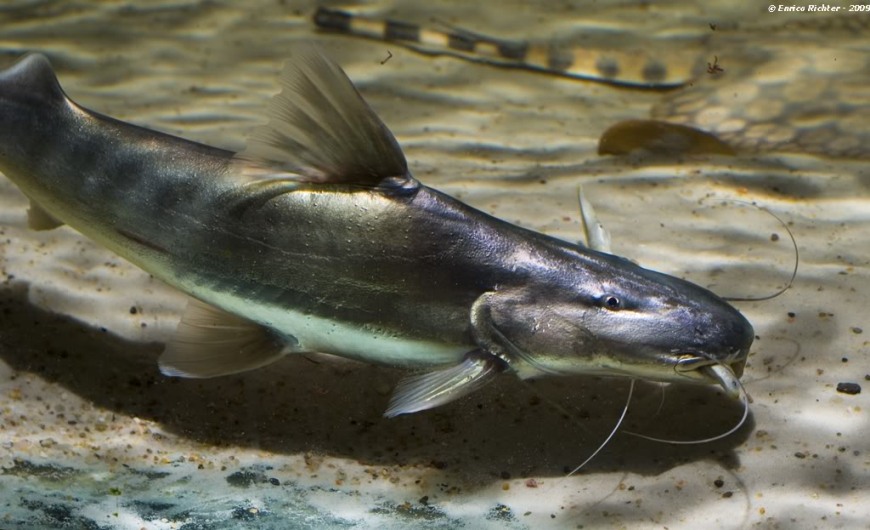
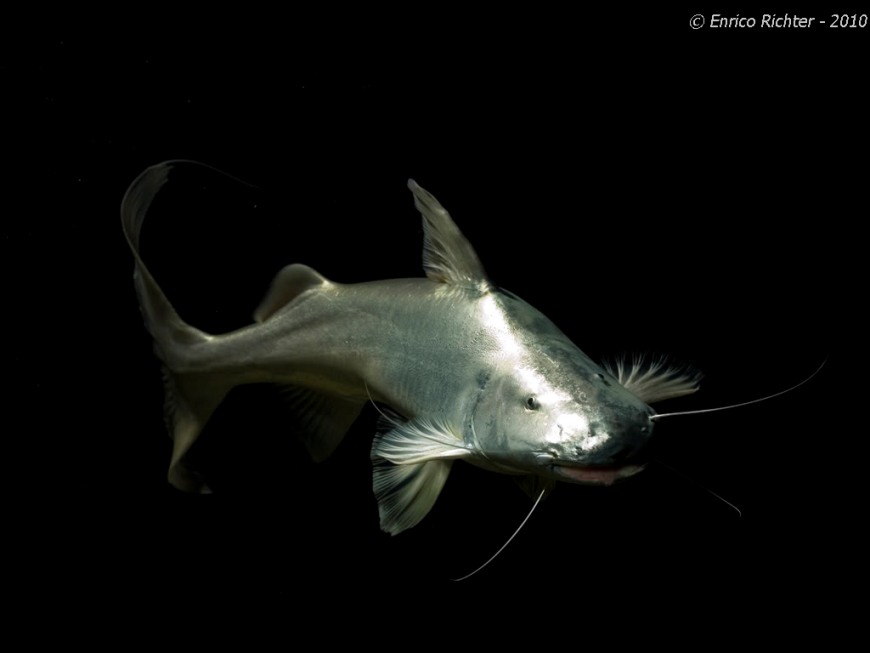
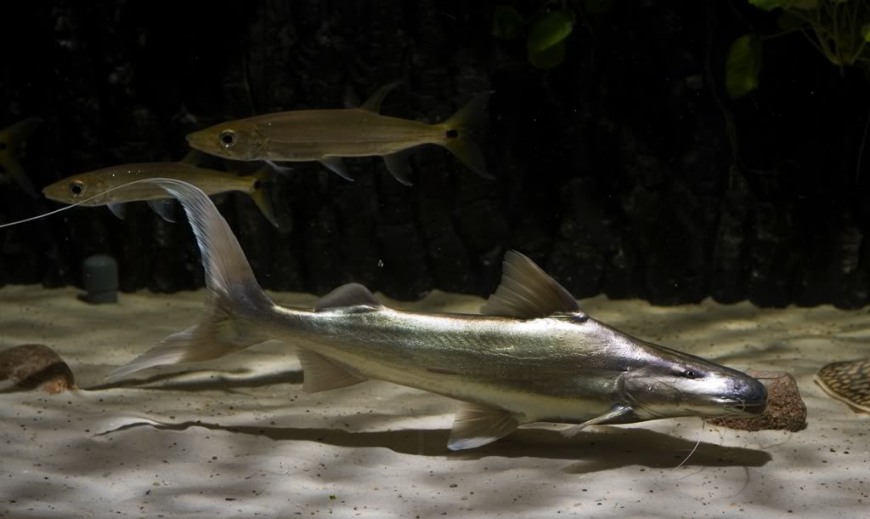
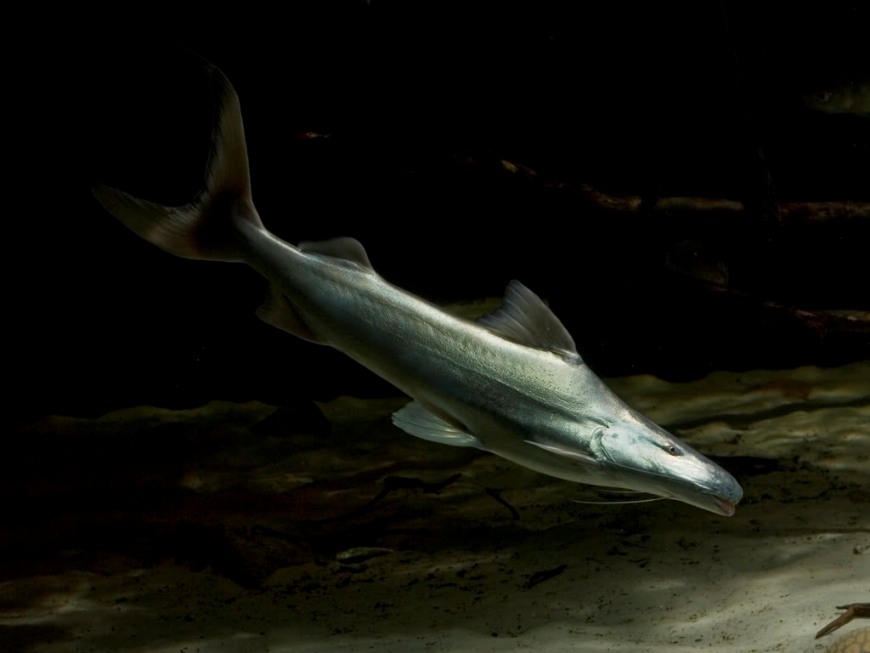
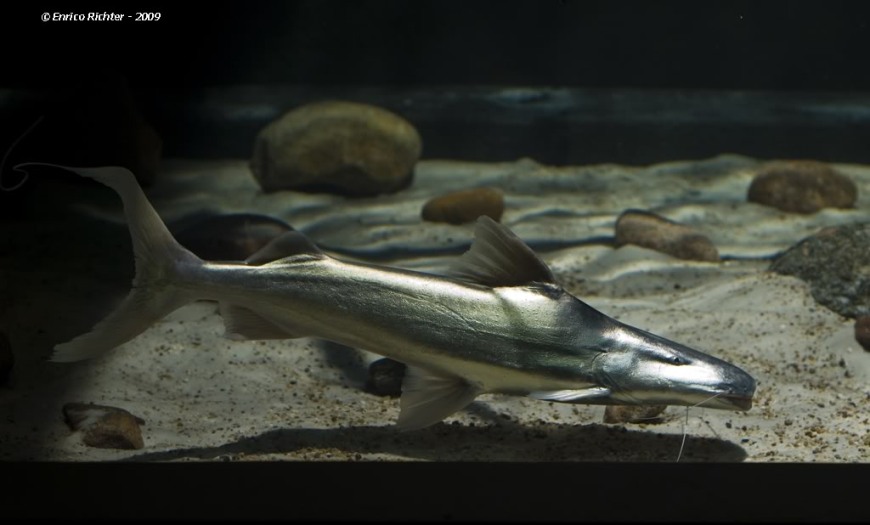
幼鱼和成鱼整体银白,成年上颌须较短,尾鳍深叉。幼年尾鳍丝状延长部分随成年缩短或消失,可与成年仍保留长尾丝的近似种区分。
图片
图片来自 SeriouslyFish,版权归各摄影者所有。
English
Overview
A silvery migratory giant, Brachyplatystoma rousseauxii connects distant upper-river and delta habitats during its life. Its adult requirements suit public aquariums or exceptional private facilities, while the complex natural reproductive cycle is difficult to reproduce in confinement.
Distribution & habitat
Its range includes the Amazon, Orinoco, Guianas, and northeastern Brazilian rivers. Deep flowing channels, especially productive whitewater systems, support seasonal movements. As freshwater expands through the delta in the wet season, young fish gain access to food, later moving upstream when saline water returns. That immature migration appears related mainly to feeding and dispersal.
Downstream drift of newly hatched fish is estimated at 13–20 days. Juveniles spend roughly three years around the estuary before further growth in lower and middle reaches. Mature groups return toward headwaters, possibly to their natal tributaries. Mature fish records are concentrated in the western Amazon, and some populations travel about 5,500 km upstream from the delta.
Aquarium setup
A practical sparse arrangement, sand with substantial wood, or a bare aquarium is more realistic than delicate planting. Restrained lighting and excellent water quality are priorities. Very large, reliable filtration and disciplined maintenance are essential; there is no useful ordinary-home minimum to copy.
Diet & feeding
Most wild food consists of fish, including bottom-dwelling catfish. Suitable nonliving shrimp, shellfish, squid, and fish pieces are usually accepted. Adult meals should be limited to at most once per week.
Behaviour & compatibility
Potential companions must be too large to swallow. A calm appearance does not remove predation risk.
Notes
Both juveniles and adults are broadly silvery-white. Adults have relatively short maxillary barbels and a deeply forked tail. The juvenile tail filaments shorten or disappear, helping distinguish it from relatives retaining long adult extensions.
来源
ID:brachyplatystoma-rousseauxii · 文件: data/species/brachyplatystoma-rousseauxii.md · 状态: 草稿