黄黑短鰕虎鱼
概要
| 字段 | 值 |
|---|---|
| 类别 | 鱼 |
| 学名 | Brachygobius xanthomelas |
| 别名 | 黃黑短鰕虎魚 |
| 分类 | 虾虎鱼目 Gobiiformes › 虾虎鱼科 Gobiidae › Brachygobius |
| 水体 | 淡水 |
| 原产地 | 马来半岛、泰国南部及印度尼西亚邦加岛;其他争议记录不列为确定分布 |
| 成体体长 | 2 cm |
| 饲养难度 | 中等 |
| 最小水体 | 41 L |
| 最小缸长 | 45 cm |
| 群居方式 | 群游 |
| 水流偏好 | 低 |
| 外部数据 | seriouslyfish brachygobius-xanthomelas;fishbase 25069 |
| 领地性 | 是 |
水质参数
| 参数 | 耐受范围 | 最适范围 | 单位 |
|---|---|---|---|
| 水温 | 22–28 | — | °C |
| pH | 7–8.5 | — | — |
| 总硬度 | 8–20 | — | dGH |
概述
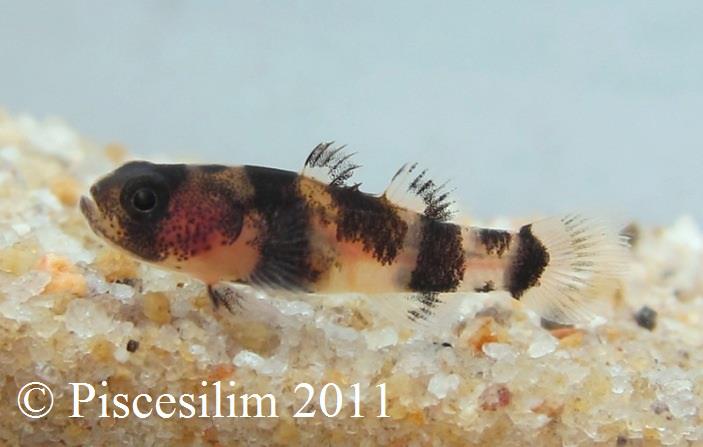
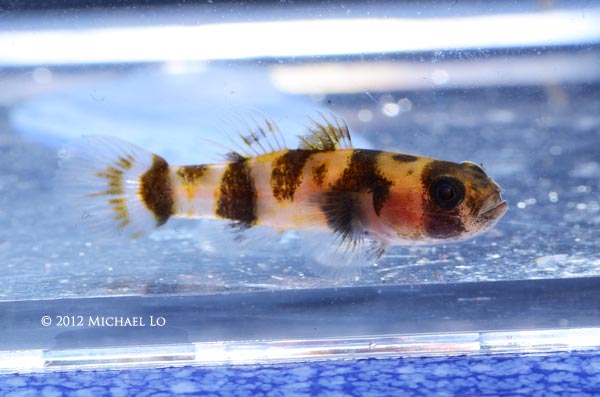
黄黑短鰕虎鱼(Brachygobius xanthomelas)是淡水环境中的小型“蜜蜂鱼”类虾虎鱼,第一背鳍前部基底无黑色。名称经常被误用于另一种未确认身份的近似鱼,因此不能根据商品标签就套用统一的半咸水饲养法。
分布与栖息地
记录遍及马来半岛多处和泰国南部,印度尼西亚邦加岛也有分布。苏门答腊是否存在尚未确认,其他一些地区记录可能误认。
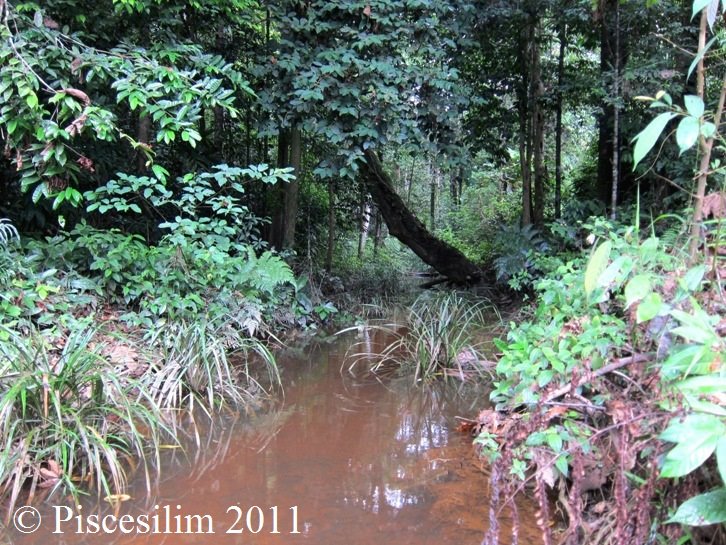
自然栖息地是低地淡水沼泽、溪流、小支流和森林泥炭沼泽,岸边植物密集,部分地点有水草与落叶层。泥炭水体往往茶色很深、矿物含量极低且偏强酸;本种似乎不生活在潮汐或其他半咸水环境。
饲养环境
底面积从约 45 × 30 cm 起步,提供大量洞缝、遮蔽和视线屏障,让弱势个体能避开持续追逐。过滤宜轻柔,海绵过滤适合。应按淡水种及具体来源理解其环境需求,不要只凭“蜜蜂鱼”名称就例行加盐。
食性与喂食
需要准备适口小型活饵,例如丰年虾和水蚤。部分个体会接受冷冻替代品,干粮通常被忽略,不能把普通薄片或颗粒当作唯一食物。
习性与混养
单种饲养比一般混养更合适。雄鱼之间有领域性,建议至少六条分散追逐压力,配合丰富遮蔽,更容易表现出大胆而自然的行为。
雌雄区分
成熟雌鱼往往更圆,抱卵时腹部尤其饱满。
补充说明
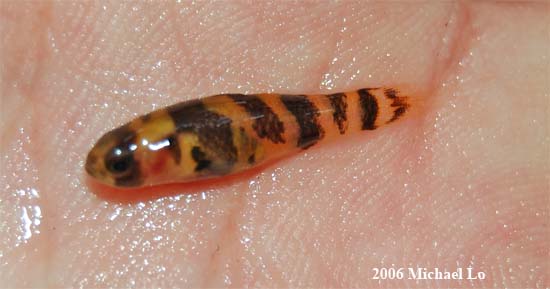
第一条黑色躯干带止于背鳍起点,第一背鳍前部基底无黑色,背鳍前方和鳃盖没有鳞片。相似商品鱼若在第一背鳍前部基底有明显暗斑,可能并非本种,需结合更多特征核对。
图片
图片来自 SeriouslyFish,版权归各摄影者所有。
English
Overview
Brachygobius xanthomelas is a small freshwater bumblebee goby with no dark pigment at the front of the first dorsal fin base. Its name is often applied to an unidentified lookalike, so a label should not be used to justify a standard brackish-water setup.
Distribution & habitat
Records span much of Peninsular Malaysia and southern Thailand, with additional occurrence on Bangka Island, Indonesia. Presence on Sumatra remains unconfirmed, and some other regional records may involve mistakes.
It inhabits lowland freshwater swamps, streams, tributaries, and forest peat swamps. Dense bankside growth, patches of aquatic plants, and submerged leaves provide cover. Peat habitats can be deeply stained, extremely soft, and strongly acidic. The species appears absent from tidal or other brackish environments.
Aquarium setup
Provide a footprint of at least about 45 × 30 cm. Abundant retreats and visual barriers allow weaker individuals to escape persistent attention. Use gentle filtration, with a sponge filter an appropriate choice. Treat it as a freshwater species and consider its origin rather than adding salt routinely because it is called a bumblebee goby.
Diet & feeding
Have a dependable supply of suitably small live foods, such as brine shrimp and water fleas. Some specimens accept frozen alternatives, but dried foods are generally ignored. Ordinary flakes or pellets should not be the only planned food source.
Behaviour & compatibility
A dedicated aquarium is preferable to a general community. Males show territorial behavior toward one another. Keep at least six to spread attention, with plentiful shelter encouraging confidence and natural activity.
Sexual dimorphism
Mature females are usually rounder, particularly when carrying eggs.
Notes
The first dark trunk band ends at the dorsal fin origin, the front of that fin's base lacks black pigment, and there are no scales before the dorsal fin or on the operculum. A similar fish with a dark anterior dorsal-base spot may represent another species and needs further identification.
来源
- https://www.seriouslyfish.com/species/brachygobius-xanthomelas(抓取于 2026-10-10)
brachygobius-xanthomelas · 文件: data/species/brachygobius-xanthomelas.md · 状态: 草稿