马来短鰕虎鱼 · Sabanus Bumblebee Goby
概要
| 字段 | 值 |
|---|---|
| 类别 | 鱼 |
| 学名 | Brachygobius sabanus |
| 别名 | 馬來短鰕虎魚 |
| 分类 | 虾虎鱼目 Gobiiformes › 虾虎鱼科 Gobiidae › Brachygobius |
| 水体 | 淡水 |
| 原产地 | 马来西亚沙巴;其他近似种记录范围未定,新加坡种群可能为引入 |
| 成体体长 | 2.7 cm |
| 饲养难度 | 中等 |
| 最小水体 | 41 L |
| 最小缸长 | 45 cm |
| 群居方式 | 群游 |
| 水流偏好 | 低 |
| 外部数据 | seriouslyfish brachygobius-sabanus;fishbase 25068 |
| 领地性 | 是 |
| 繁殖方式 | 附着产卵 |
水质参数
| 参数 | 耐受范围 | 最适范围 | 单位 |
|---|---|---|---|
| 水温 | 22–28 | — | °C |
| pH | 7–8.5 | — | — |
| 总硬度 | 8–20 | — | dGH |
概述
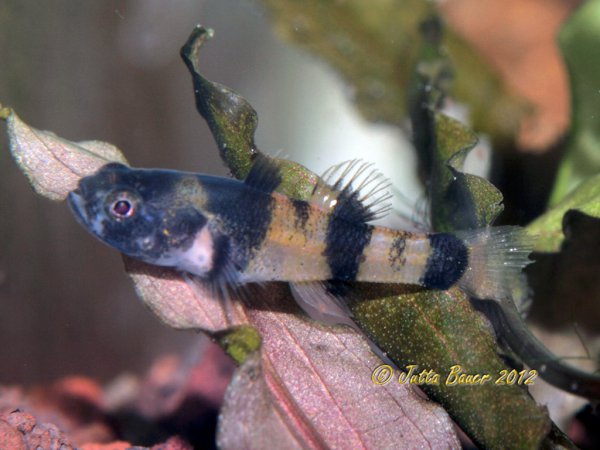
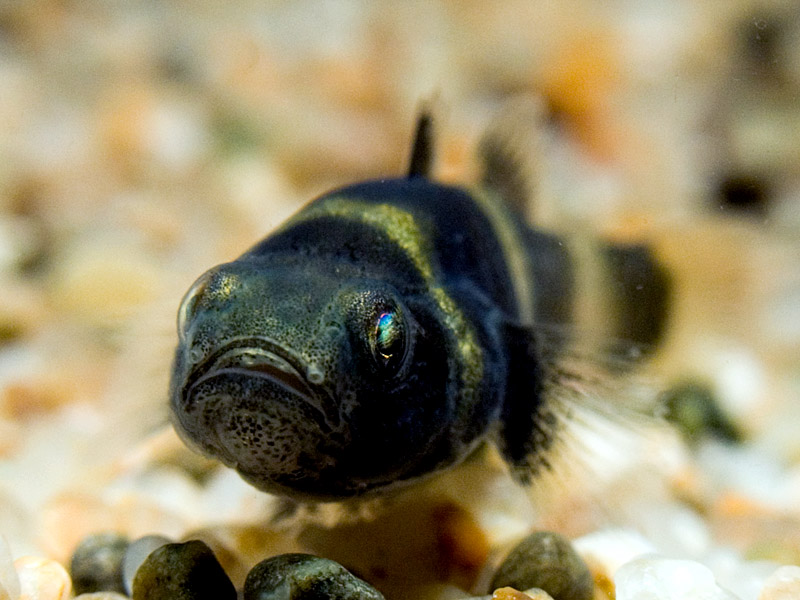
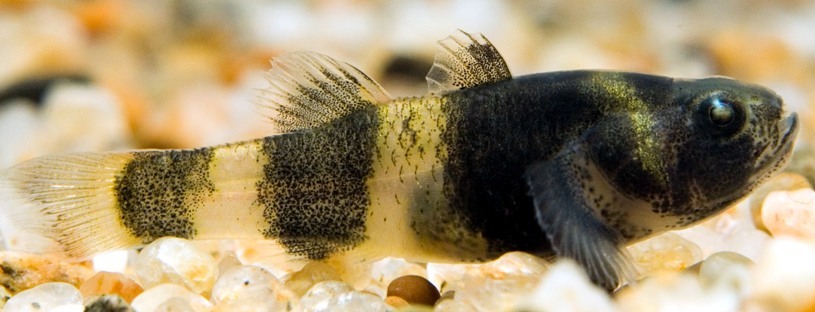
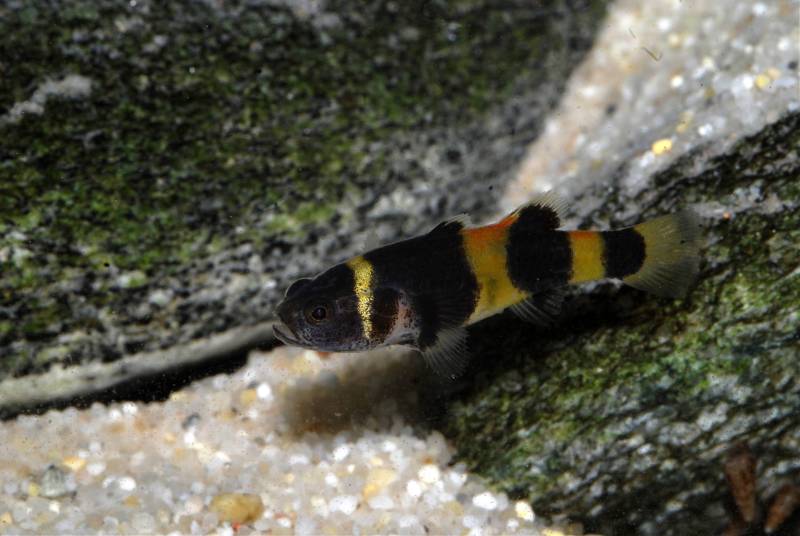
马来短鰕虎鱼(Brachygobius sabanus)是常见于“蜜蜂鱼”贸易中的小型虾虎鱼之一,第一背鳍后方一两条鳍条无色,胸鳍黑色部分不到一半。它容易与近似种混淆,宜用单种缸,并准备细小活饵。
分布与栖息地
模式产地在马来西亚沙巴京那巴当岸地区。其他地区虽有近似鱼记录,真实分布仍未厘清;新加坡种群一般被认为来自引入或养殖逸出,而非自然分布。
自然环境包含沿海低地的淡水与半咸水,常见泥砂底、落叶、树根和沉木。新加坡的观察包括淡水池塘岸边草丛、浅水泥底和浸水硬表面,不能据“蜜蜂鱼”统称就认定必须住半咸水。
饲养环境
底面积至少约 45 × 30 cm,多做洞穴、遮蔽与视线屏障,让弱势鱼躲开强势个体。过滤宜轻柔,海绵过滤合适。需要缓冲时可用珊瑚砂,半咸水布置可用海盐,但应考虑来源及已适应的水体条件。
食性与喂食
适口小型活饵应作为基本准备,例如丰年虾、水蚤。部分个体接受冷冻饵,干饲料通常被忽略,因此不能只依赖常规颗粒或薄片。
习性与混养
以单种缸更合适,尤其雄鱼之间会守域。至少六条能分散攻击,配合大量藏身处,通常更大胆,也更容易看到自然互动。
雌雄区分
成熟雌鱼较圆,抱卵时腹部尤其饱满。繁殖状态的雄鱼可能整体泛红、黑带变浅;雌鱼第一条黄色体带更亮。
繁殖
在小洞内产卵,可用陶管、小花盆或贝壳。雄鱼先占巢展示,雌鱼入巢产下约一百至二百粒卵后离开,由雄鱼留守照料。
可移走其他鱼,或把雄鱼、带卵洞穴一同转入水质相同的繁殖缸,减少幼鱼被吃的风险。卵约七至九天孵化;幼鱼自由游动后先吃草履虫、轮虫等微型饵,长大再转丰年虾无节幼体。最初数周会在水中漂游,之后逐渐转为底栖。
补充说明
三条主要体带之间常有较小暗鞍斑,但中间型个体存在,鳍色和条纹只能作为组合鉴别线索,商品名不能代替确认身份。
图片
图片来自 SeriouslyFish,版权归各摄影者所有。
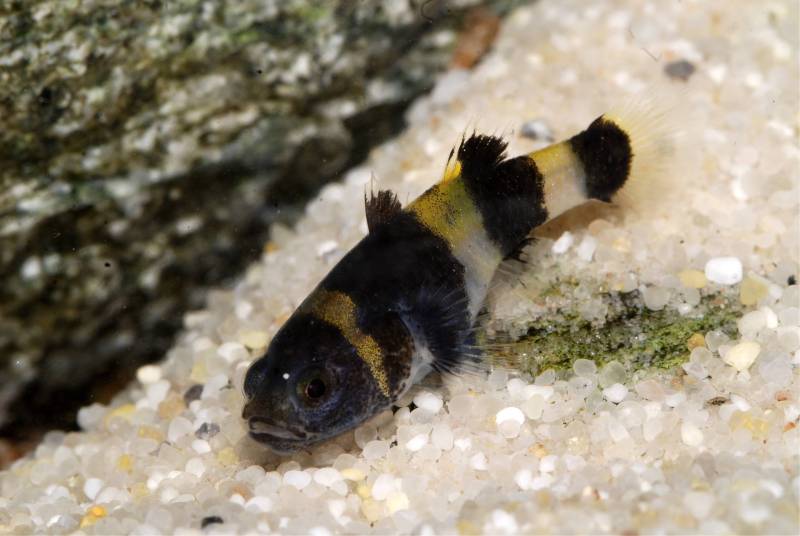
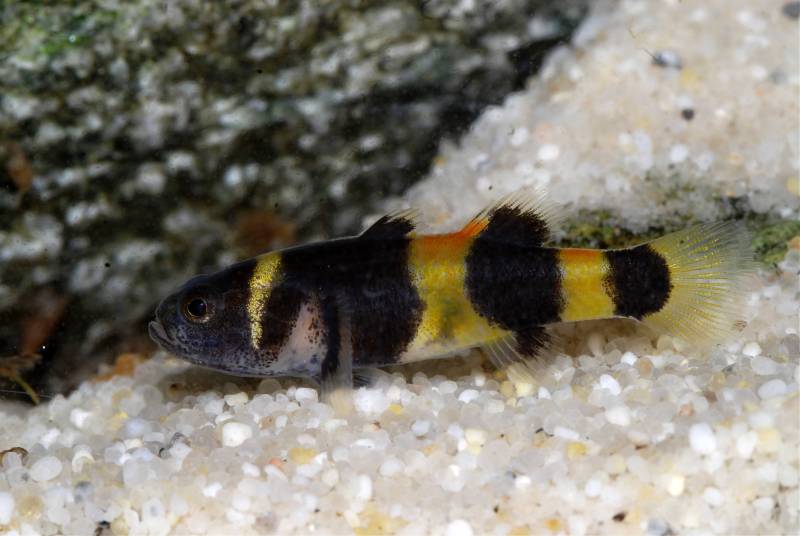
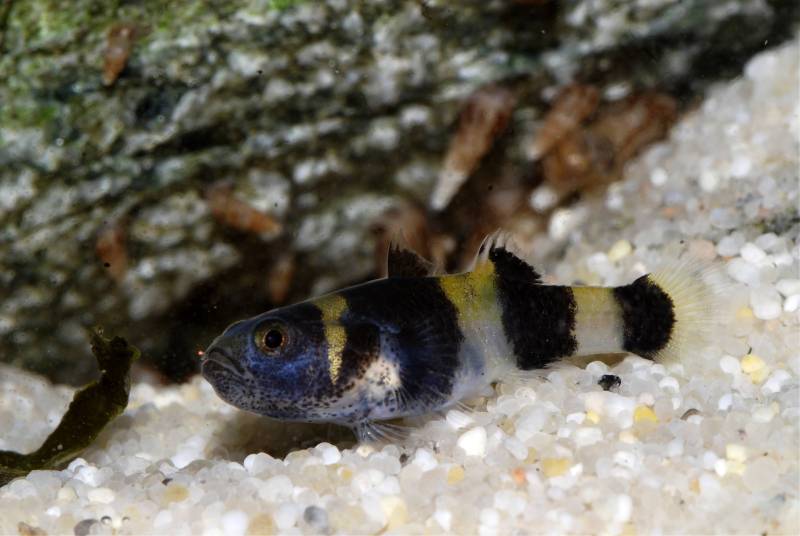
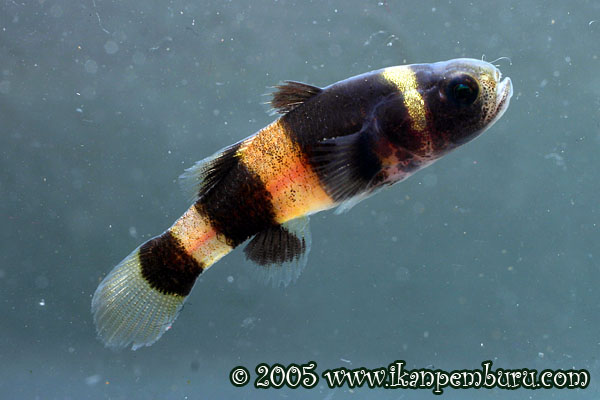
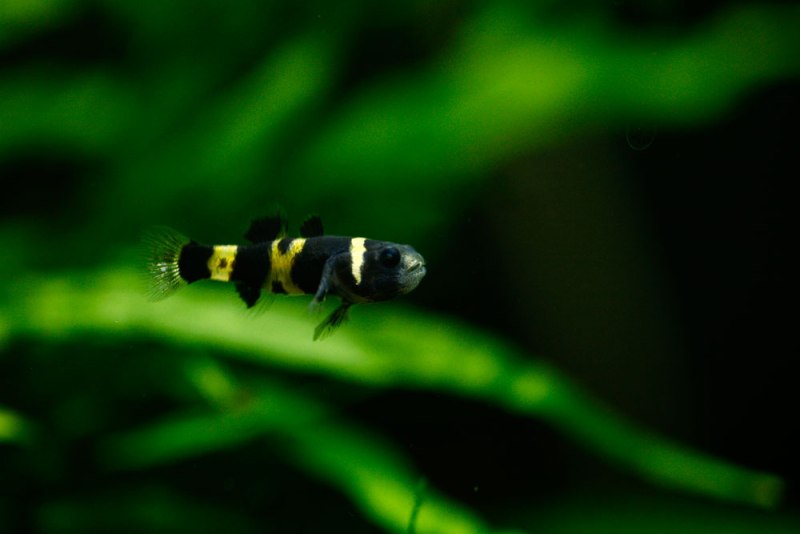
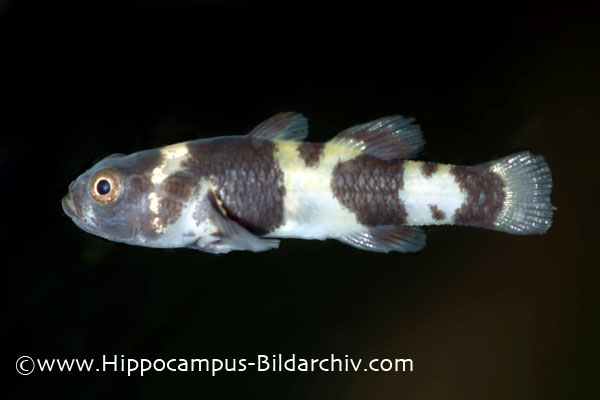
English
Overview
Brachygobius sabanus is one of the bumblebee gobies regularly encountered in the trade. The last one or two rays of its first dorsal fin are clear, and black covers less than half of the pectoral fin. Identification can be difficult; a dedicated aquarium and tiny live foods are advisable.
Distribution & habitat
The type locality is in the Kinabatangan area of Sabah, Malaysia. Similar fish are reported elsewhere, but the true range is unresolved. Singapore populations are generally regarded as introduced or escaped from breeding facilities.
Coastal lowland habitats include both fresh and brackish water, often over mud or sand with leaves, roots, and wood. Singapore observations include freshwater pond grasses, shallow muddy margins, and submerged hard surfaces. A bumblebee label therefore does not establish a need for brackish water.
Aquarium setup
Provide at least about 45 × 30 cm of floor space with caves, cover, and visual barriers that let weaker individuals avoid dominant fish. Gentle sponge filtration is suitable. Coral material can provide buffering where needed, and marine salt may be used in a brackish arrangement, taking origin and previous conditions into account.
Diet & feeding
Be prepared to provide suitably small live foods, including brine shrimp and water fleas. Some fish accept frozen alternatives, but dried foods are commonly ignored. Pellets or flakes alone should not be assumed sufficient.
Behaviour & compatibility
A species-only setup is preferable. Males defend areas against one another; at least six fish help spread aggression. Numerous shelters encourage confidence and natural interactions.
Sexual dimorphism
Mature females are rounder, especially when carrying eggs. Breeding males may develop a reddish cast as dark bars fade, while the first yellow band becomes brighter in females.
Breeding
Eggs are laid inside small cavities such as ceramic tubes, pots, or shells. A male occupies a site and displays until a receptive female joins him. She deposits roughly one hundred to two hundred eggs, then leaves the male to guard them.
Remove other fishes or transfer the guarding male and occupied cave to identical water in a separate tank to reduce fry predation. Eggs hatch after about seven to nine days. Free-swimming young need infusoria or rotifers before they can take brine shrimp nauplii. They spend their first weeks in the water column before settling toward the bottom.
Notes
Smaller dark saddles often occur between the three main body bands. Intermediate forms exist, so fin pigmentation and markings should be assessed together rather than relying on a trade name.
来源
- https://www.seriouslyfish.com/species/brachygobius-sabanus(抓取于 2026-10-10)
brachygobius-sabanus · 文件: data/species/brachygobius-sabanus.md · 状态: 草稿