小鳞丽鱼 · Emperor Cichlid
概要
| 字段 | 值 |
|---|---|
| 类别 | 鱼 |
| 学名 | Boulengerochromis microlepis |
| 别名 | 小鱗麗魚 |
| 分类 | 慈鲷目 Cichliformes › 慈鲷科 Cichlidae › Boulengerochromis |
| 水体 | 淡水 |
| 原产地 | 布隆迪、刚果民主共和国、坦桑尼亚、赞比亚 |
| 成体体长 | 55 cm |
| 饲养难度 | 中等 |
| 群居方式 | 成对 |
| 外部数据 | seriouslyfish boulengerochromis-microlepis;fishbase 6008 |
| 食性 | 肉食 |
| 繁殖方式 | 附着产卵 |
| 领地性 | 是 |
| 特征 | 吃小鱼: 是;翻底砂: 是 |
水质参数
| 参数 | 耐受范围 | 最适范围 | 单位 |
|---|---|---|---|
| 水温 | 24–28 | — | °C |
| pH | 7.5–9 | — | — |
| 总硬度 | 10–25 | — | dGH |
概述
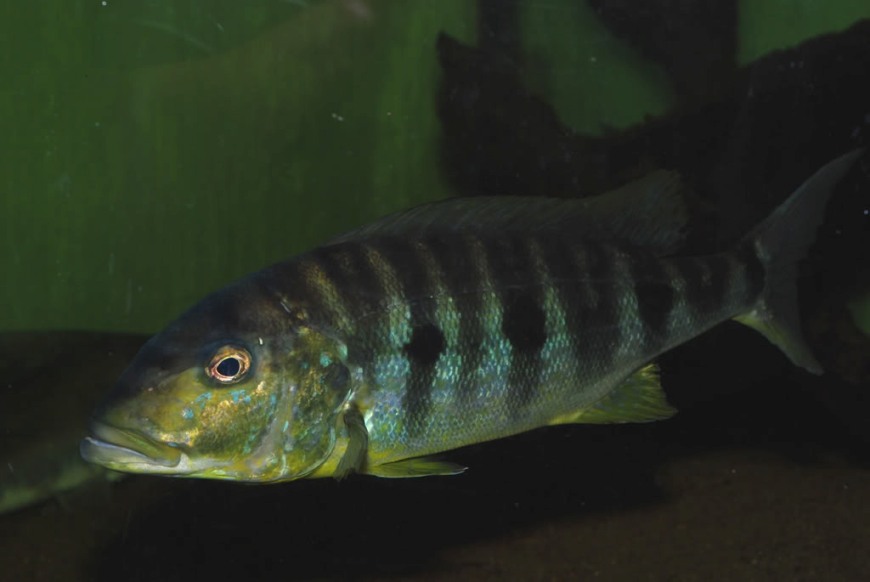
小鳞丽鱼(Boulengerochromis microlepis)是大型坦噶尼喀湖慈鲷,成鱼可达约 55 厘米,主要捕食鱼类。幼鱼能买到并不意味着适合普通家用缸,长期饲养通常需要公共展缸或极大型私人设施。
分布与栖息地
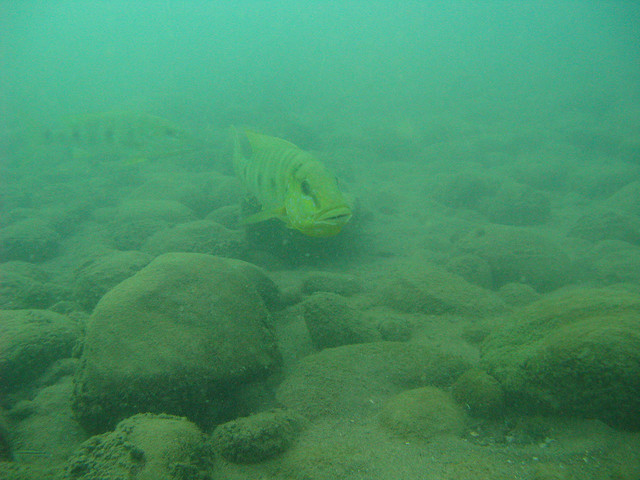
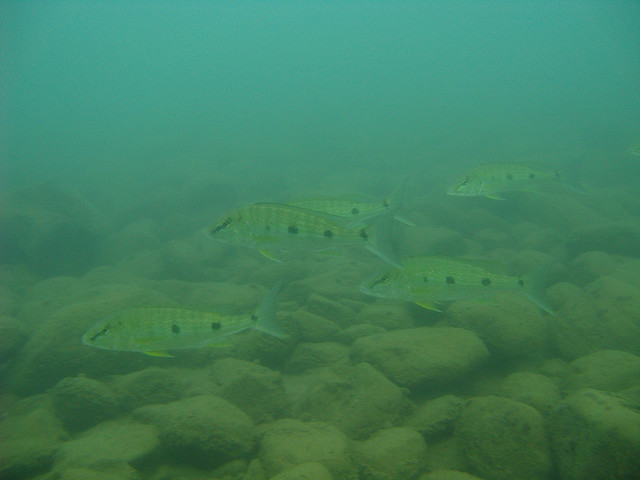
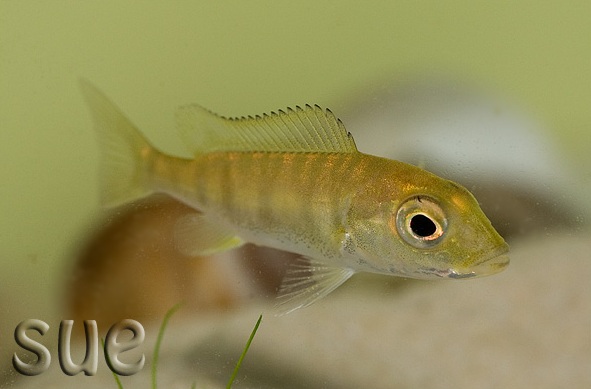
坦噶尼喀湖特有,湖内广泛记录。沿岸和次沿岸栖地有碎岩与开放沙地,非繁殖成鱼多在开放水域结小群觅食,幼鱼则在有岩石掩护的浅沙地成长;成鱼夜间或清晨可能靠岸觅食。
饲养环境
成鱼配对在野外可占至少 5 平方米领地,不能按普通大鱼缸估算空间。布置宜简单:沙底加少量大型岩石分隔,岩石先直接放稳于缸底再加砂,避免掘底后倒塌。水质要求高,每周可需换水约一半。
食性与喂食
幼鱼杂食,随着长大越来越偏鱼食,成鱼几乎完全捕食鱼类。缸内可接受干粮,也应提供适口红虫、丰年虾、切碎虾肉、小蚯蚓等活饵或冷冻饵料。无需依赖饵料鱼,它们可能携带病原,营养价值也不稳定。
习性与混养
对吞不下的鱼不算特别好斗,但成鱼尺寸令可混养对象很有限。幼鱼彼此较温和,成熟后同种攻击增加,狭窄环境可能只剩一尾;配对后通常不容忍领地内其他鱼。
雌雄区分
雄鱼更大,颜色更明显。
繁殖
基面产卵,约超过两岁、体长约 40 厘米达到性成熟。雌鱼似乎发起求偶,可在沙坑或岩面分批产多达一万粒卵,雄鱼逐批受精。双亲护卵约 72 小时至孵化,再把幼体移入另一预挖坑,等待数天吸收卵黄。繁殖对空间与后续育苗资源要求极高。
图片
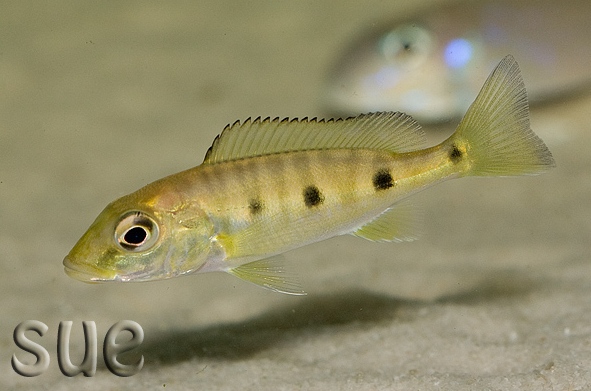
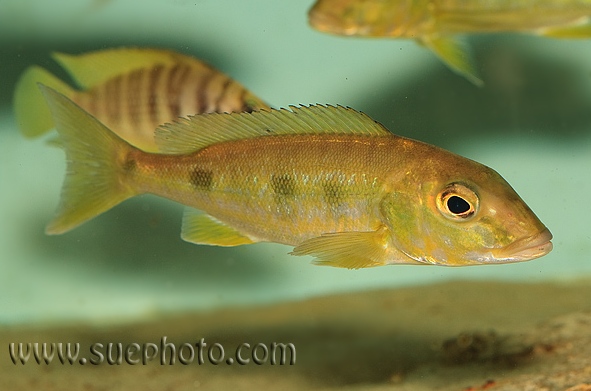
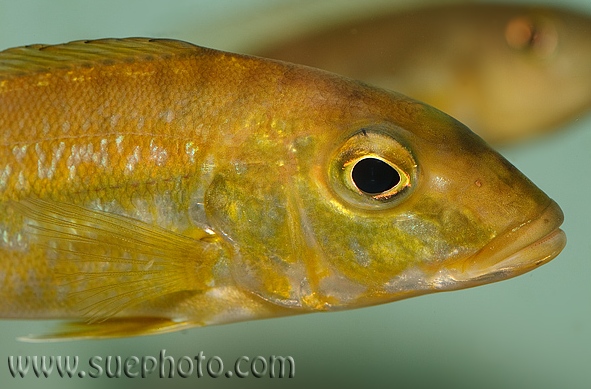
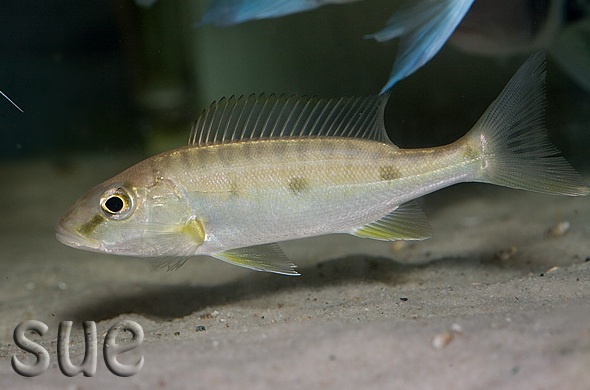
图片来自 SeriouslyFish,版权归各摄影者所有。
English
Overview
Adult Boulengerochromis microlepis are substantial fish predators reaching about fifty-five centimeters. Juvenile availability should not obscure the eventual requirements: public installations or exceptionally large private aquaria are the realistic long-term settings.
Distribution & habitat
It is endemic to Lake Tanganyika. Rocky rubble and open sand characterize many occupied zones. Nonbreeding adults often forage in open water, while juveniles use shallower sandy nursery areas with cover. Inshore feeding movements at night or early morning have been suggested.
Aquarium setup
A wild pair may defend at least five square meters, illustrating the scale required. Use a simple sand-bottomed enclosure with large stable rocks separating space. Place rocks securely on the tank base before adding sand because digging can undermine them. Excellent water quality and substantial weekly water renewal are essential.
Diet & feeding
Feeding changes with age: juveniles are omnivorous, whereas adults become predominantly piscivorous. Suitable prepared food can accompany live or frozen animal foods matched to size. Feeder fish are unnecessary and bring disease and nutritional risks.
Behaviour & compatibility
Fish too large to swallow are not necessarily attacked, but adult size sharply limits companion options. Juveniles may coexist peacefully before aggression increases with maturity. A formed pair generally excludes other fish from its territory.
Sexual dimorphism
Males are larger and more colorful.
Breeding
Maturity is reached at roughly forty centimeters and more than two years old. Spawning occurs on rock or in a depression, with the male fertilizing successive batches. Up to ten thousand eggs may be laid. Both adults guard the eggs through roughly seventy-two hours of incubation, then move larvae to another prepared pit until yolk absorption. Breeding demands exceptional space and rearing resources.
来源
ID:boulengerochromis-microlepis · 文件: data/species/boulengerochromis-microlepis.md · 状态: 草稿