花斑鲍氏脂鲤
概要
| 字段 | 值 |
|---|---|
| 类别 | 鱼 |
| 学名 | Boulengerella maculata |
| 别名 | 花斑鮑氏脂鯉、Xiphostoma maculatum、Xiphostoma taedo |
| 分类 | 脂鲤目 Characiformes › 梭子脂鲤科 Ctenoluciidae › Boulengerella |
| 水体 | 淡水 |
| 原产地 | 巴西、哥伦比亚、厄瓜多尔、秘鲁、委内瑞拉 |
| 成体体长 | 32.9 cm |
| 饲养难度 | 中等 |
| 最小水体 | 1944 L |
| 最小缸长 | 240 cm |
| 群居方式 | 群游 |
| 特征 | 吃小鱼: 是;会跳缸: 是 |
| 外部数据 | seriouslyfish boulengerella-maculata;fishbase 12405 |
| 食性 | 肉食 |
水质参数
| 参数 | 耐受范围 | 最适范围 | 单位 |
|---|---|---|---|
| 水温 | 22–28 | — | °C |
| pH | 5–7.5 | — | — |
| 总硬度 | 1–12 | — | dGH |
概述
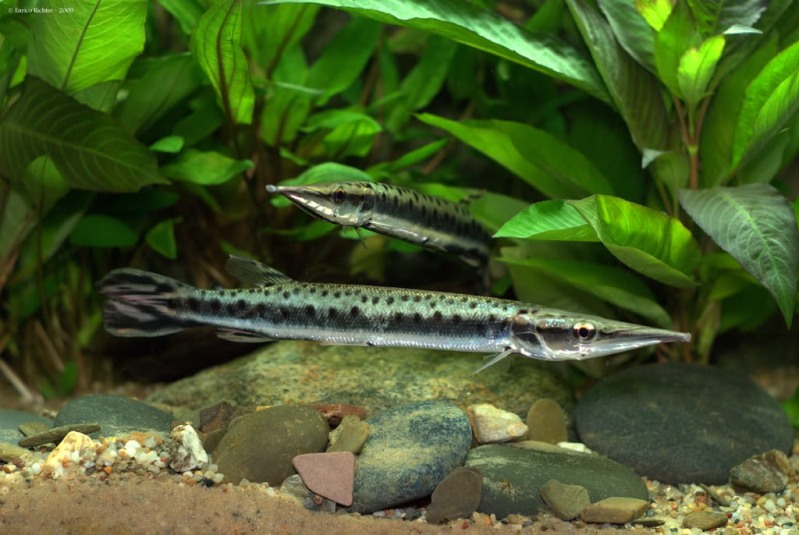
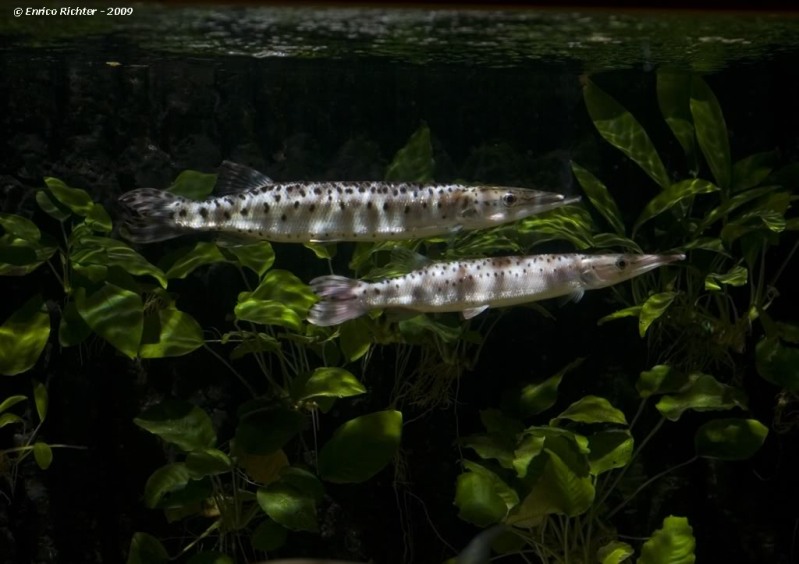
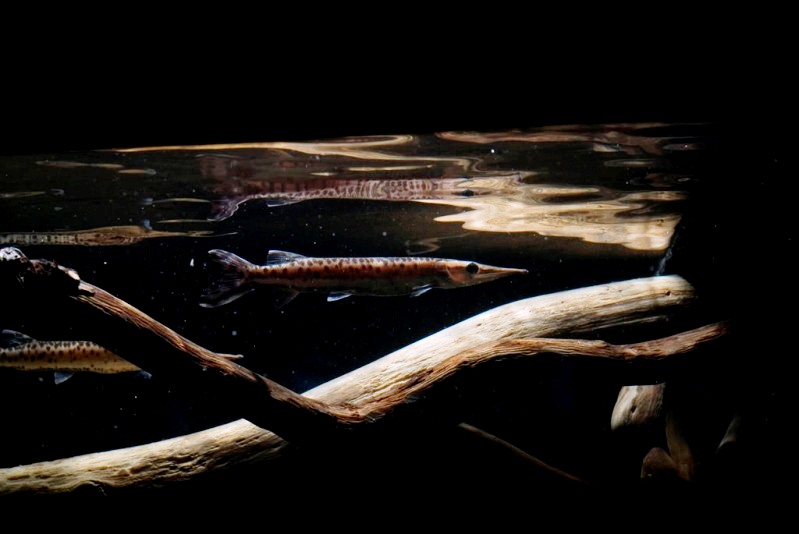
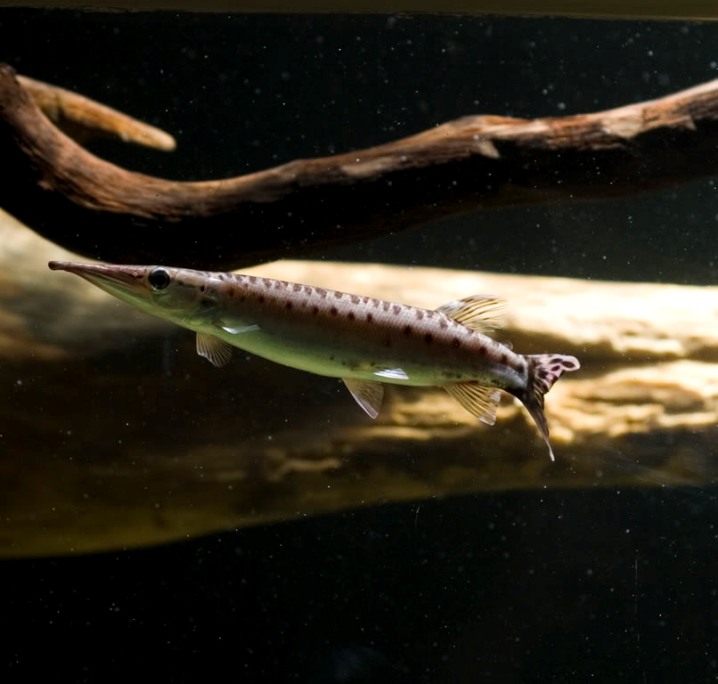
花斑鲍氏脂鲤(Boulengerella maculata)是需要宽阔游动空间的南美捕食鱼。身体上部散布暗斑,颜色有深有浅,体侧宽暗带也可能较淡;这种变化不能简单归为不同产地或不同种。
分布与栖息地
分布于亚马孙、奥里诺科和托坎廷斯等水系,记录包括厄瓜多尔、哥伦比亚、秘鲁、巴西和委内瑞拉。成年鱼在开阔水域活动,常见于白水和黑水河流主槽、较大支流的流水段及洪泛平原湖泊。
饲养环境
底面至少参考 240 × 90 厘米,水面可有浮水植物、悬垂枝叶与枝条遮蔽。保持高溶氧与中等流动,成熟过滤和每周 30%–50% 换水有助维持稳定水质,不能投入尚未成熟的新缸。
严密加盖防跳,必要时遮挡背面、侧面,降低受惊撞玻璃风险,尤其不应让空间过窄。
食性与喂食
主要捕食小鱼及昆虫,多数可适应非活饵。幼鱼给红虫、小蚯蚓和碎虾肉,成鱼可用适口鱼肉条、整虾、贝肉及较大蚯蚓。可用喂饱鱼粮或蔬菜的蟋蟀等昆虫作变化。
牛心、禽肉中的部分脂肪不适合鱼类;普通活饵鱼则可能带入疾病和寄生虫,均不宜作为常规喂养基础。
习性与混养
对吞不下的大鱼通常平和,选择相近体型且不强势抢食的温和伙伴。幼鱼同种结群明显,成鱼比较独立却仍会聚集,建议至少四尾,不宜将同种群游需求简化成单尾大型肉食鱼养法。
补充说明
与侧带鲍氏脂鲤(Boulengerella lateristriga)相比,本种细暗线若出现也只在眼后头部,尾鳍没有清晰深色横纹,身体上部反而有散布暗斑。颜色变化可能与水体类型有关,但尚不能当作确定因果。
图片
图片来自 SeriouslyFish,版权归各摄影者所有。
English
Overview
A South American predator needing generous swimming room, Boulengerella maculata carries scattered dark marks over the upper body. Overall color and the broad lateral band vary in intensity. Pale and dark individuals should not automatically be assigned to different localities or species.
Distribution & habitat
Records span Ecuador, Colombia, Peru, Brazil, and Venezuela across much of the Amazon, Orinoco, and Tocantins systems. Adults use open water in flowing main channels and major tributaries, as well as floodplain lakes, in white- and black-water habitat.
Aquarium setup
Use a footprint of at least 240 by 90 cm, with floating or overhanging vegetation and branches for surface cover. High oxygen, moderate circulation, mature filtration, and weekly 30–50% changes support stable water conditions. Do not introduce it to an immature system.
Fit a tight lid and consider covering the back and sides to reduce startled collisions. Avoid confining the fish in narrow surroundings.
Diet & feeding
Natural feeding centers on small fish and insects, with dead food usually accepted after acclimation. Scale worms and shrimp pieces for juveniles up to suitable fish strips, whole shrimp, mussels, and larger worms for adults. Insects can add variety when well fed beforehand.
Mammalian and avian meats contain unsuitable fats, while routine feeder fish can introduce disease and parasites.
Behaviour & compatibility
It is generally peaceful toward fish beyond swallowing size. Choose similarly sized, placid companions without aggressive competition. Juveniles school readily; adults become more independent but still gather. At least four are suggested where adequate space is available.
Notes
Unlike Boulengerella lateristriga, a narrow dark line, when present, is confined to the head behind the eye. Distinct tail crossbars are absent, while scattered upper-body spots are present. Color variation may relate to water type, but that association is not established.
来源
- https://www.seriouslyfish.com/species/boulengerella-maculata(抓取于 2026-10-10)
boulengerella-maculata · 文件: data/species/boulengerella-maculata.md · 状态: 草稿