巴西鲍氏脂鲤
概要
| 字段 | 值 |
|---|---|
| 类别 | 鱼 |
| 学名 | Boulengerella lucius |
| 别名 | 巴西鮑氏脂鯉、Hydrocynus lucius |
| 分类 | 脂鲤目 Characiformes › 梭子脂鲤科 Ctenoluciidae › Boulengerella |
| 水体 | 淡水 |
| 原产地 | 巴西、委内瑞拉 |
| 成体体长 | 42 cm |
| 饲养难度 | 中等 |
| 群居方式 | 群游 |
| 特征 | 吃小鱼: 是;会跳缸: 是 |
| 外部数据 | seriouslyfish boulengerella-lucius;fishbase 12406 |
| 食性 | 肉食 |
水质参数
| 参数 | 耐受范围 | 最适范围 | 单位 |
|---|---|---|---|
| 水温 | 22–28 | — | °C |
| pH | 4–7 | — | — |
| 总硬度 | 1–10 | — | dGH |
概述
巴西鲍氏脂鲤(Boulengerella lucius)是大型开阔水域捕食鱼,通常不适合家庭缸,长期需要公共展示级或极大型私人设施。幼鱼和亚成鱼有时被误认成体型较小的近亲出售,确认身份是准备成年空间的前提。
分布与栖息地
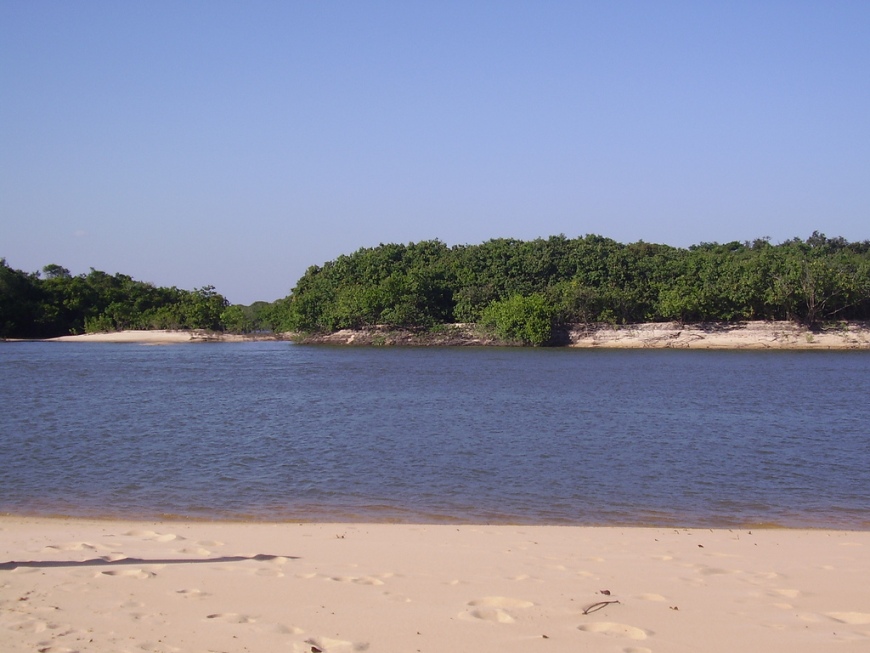
已知范围在巴西亚马孙中部和委内瑞拉奥里诺科河。某些更广泛的旧记录涉及误认,不宜将所有南美记录合并为本种分布。成年鱼常在白水、黑水大河主槽、较大支流及洪泛湖泊活动。
饲养环境
水面可用浮水植物、悬垂枝叶提供遮蔽,维持高溶氧和中等水流。过滤必须成熟,水质稳定,每周换水 30%–50%,不适合刚开缸的环境。
缸盖严密防跳,背侧玻璃可适当遮挡,减少受惊撞击风险。其成年空间不能用小型幼鱼的临时容器推算,也不应为装饰挤占游动区域。
食性与喂食
天然主要吃小鱼与昆虫,人工环境多数能接受非活饵。小鱼可喂红虫、小蚯蚓和碎虾肉,成鱼使用适口鱼肉条、整虾、贝肉及较大蚯蚓。昆虫先用鱼粮或植物性食物喂饱再投喂,可增加营养。
不要喂牛心、禽肉,也不必依赖活饵鱼,后者可能带入病原和寄生虫,未经调理的营养价值也未必合适。
习性与混养
对大到吞不下的伙伴通常平和,应挑相似体型且不强领地、不激烈抢食的鱼。其他水面活动鱼最好避开;零星混养成功不代表普遍适配。同种幼鱼群游明显,成年后较独立但仍会聚集,建议至少四尾,整群设施需求随之很高。
补充说明
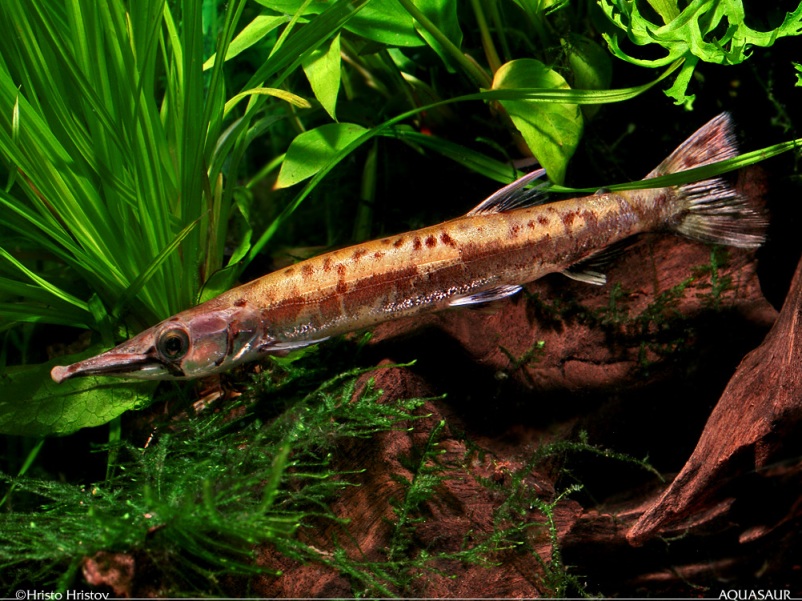
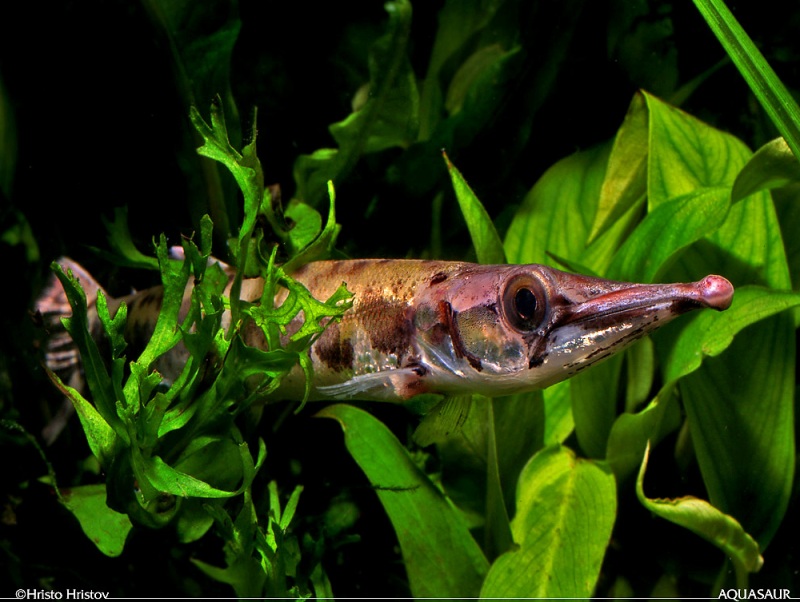
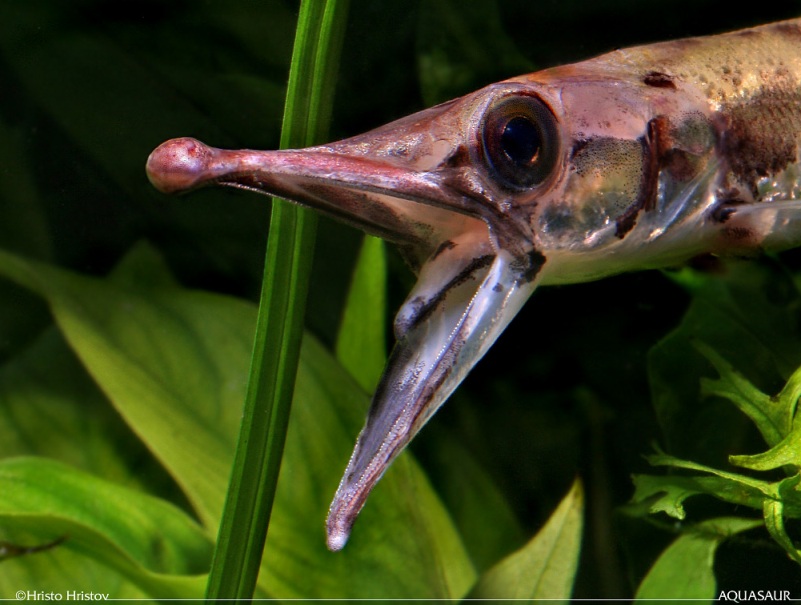
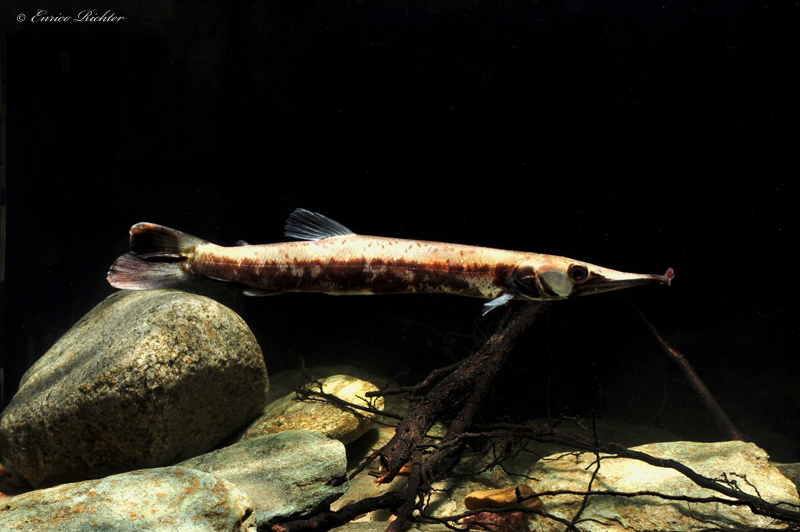
常见误认对象是花斑鲍氏脂鲤(Boulengerella maculata)。本种背鳍基部整体在臀鳍起点之前,尾鳍中央鳍条之间基部有一系列暗斑,体侧下部有不规则深色斑点,可辅助辨认。
图片
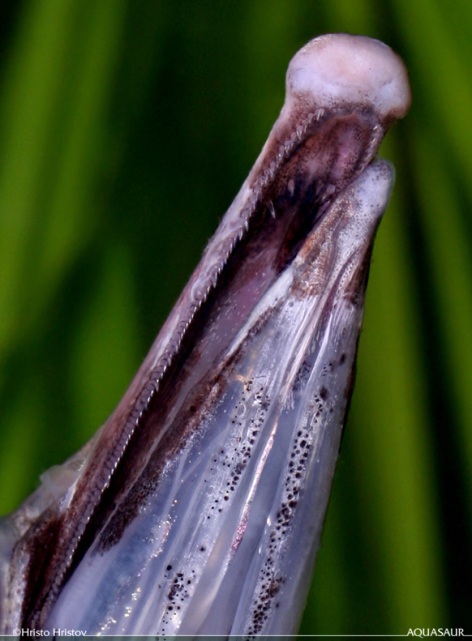
图片来自 SeriouslyFish,版权归各摄影者所有。
English
Overview
A large open-water predator, Boulengerella lucius generally requires public-display facilities or exceptionally large private housing. Juveniles and subadults sometimes enter the trade under the name of a smaller relative, making identification an essential part of planning adult care.
Distribution & habitat
Current records place it in the central Brazilian Amazon and the Venezuelan Orinoco. Some older records from elsewhere represent misidentifications. Adults occupy open water in large channels, major tributaries, and floodplain lakes, in both white- and black-water systems.
Aquarium setup
Provide floating or overhanging cover, high oxygen levels, and moderate circulation. A mature biological system and stable chemistry are essential, supported by weekly changes of 30–50%. Newly established aquaria are unsuitable.
Fit a secure lid and consider screening the sides and rear to reduce collisions. Adult space requirements should not be inferred from temporary juvenile housing or compromised by excessive decor.
Diet & feeding
Small fish and insects dominate natural feeding, while dead foods are usually accepted in captivity. Juveniles can take small worms and chopped shrimp; adults receive suitable fish strips, whole shrimp, mussels, and larger worms. Feed insect prey appropriately before offering it.
Avoid mammalian or avian meat and routine feeder fish because of unsuitable fats, pathogens, and unreliable nutrition.
Behaviour & compatibility
Companions should be similarly sized and too large to swallow, without strong territorial or competitive behavior. Other surface-dwellers are best avoided despite occasional successful combinations. Juveniles school closely and adults still assemble intermittently; four or more are suggested, making the total space commitment considerable.
Notes
A frequent mistaken identity is Boulengerella maculata. In this species the dorsal-fin base lies entirely ahead of the anal-fin origin, dark basal patches occur between the central tail rays, and irregular spots appear on the lower flanks.
来源
- https://www.seriouslyfish.com/species/boulengerella-lucius(抓取于 2026-10-10)
boulengerella-lucius · 文件: data/species/boulengerella-lucius.md · 状态: 草稿