条纹沙鳅 · Zebra Loach
概要
| 字段 | 值 |
|---|---|
| 类别 | 鱼 |
| 学名 | Botia striata |
| 别名 | 條紋沙鰍、Botia striata kolhapurensis |
| 分类 | 鲤形目 Cypriniformes › 沙鳅科 Botiidae › Botia |
| 水体 | 淡水 |
| 原产地 | 印度 |
| 成体体长 | 9 cm |
| 饲养难度 | 中等 |
| 最小水体 | 108 L |
| 最小缸长 | 120 cm |
| 群居方式 | 群游 |
| 性情 | 温和 |
| 特征 | 会跳缸: 是 |
| 外部数据 | seriouslyfish botia-striata;fishbase 12255 |
水质参数
| 参数 | 耐受范围 | 最适范围 | 单位 |
|---|---|---|---|
| 水温 | 21–26 | — | °C |
| pH | 6–7.5 | — | — |
| 总硬度 | 1–10 | — | dGH |
概述
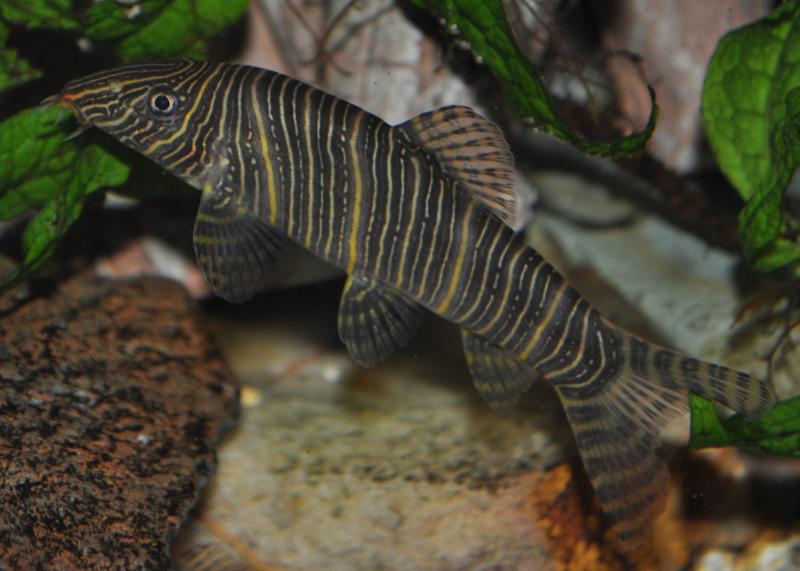
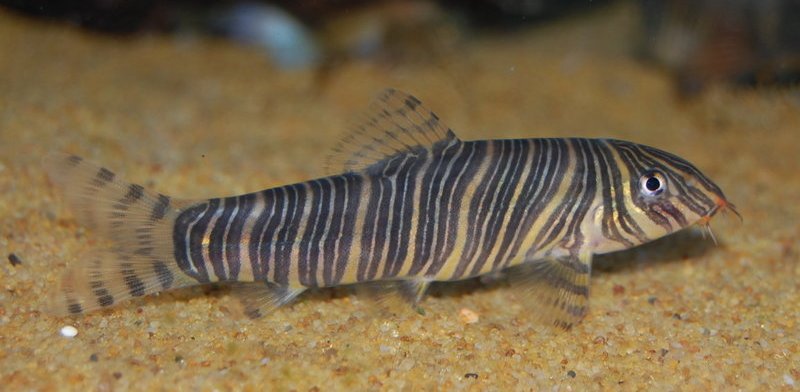
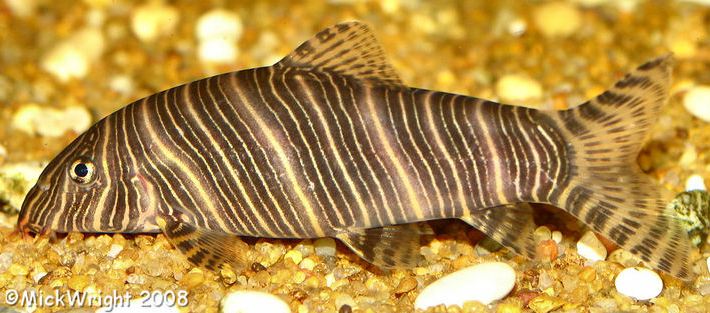
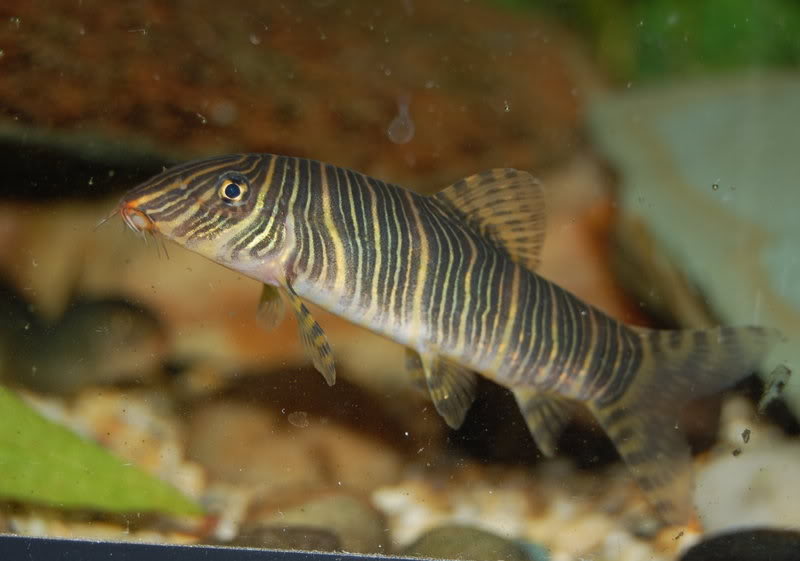
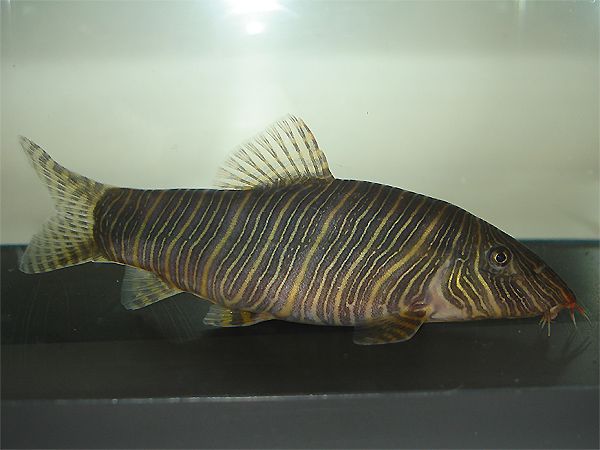
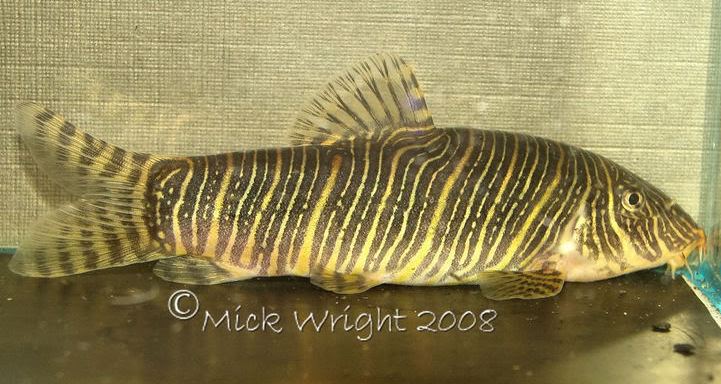
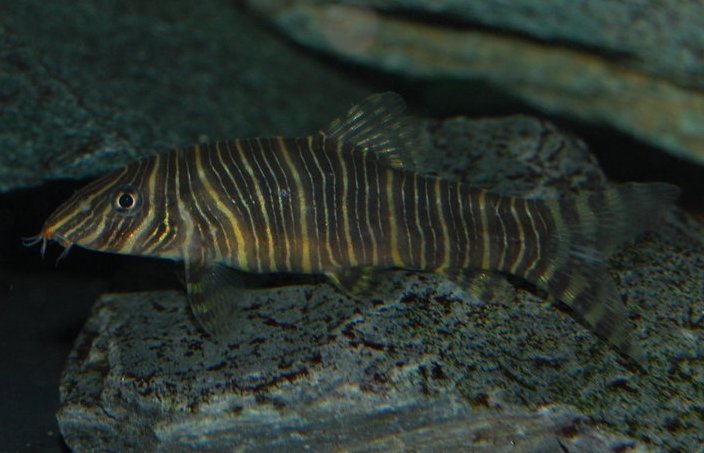
条纹沙鳅(Botia striata)以黄至金色底色、多条深色条纹和常见的红色口部容易辨认。它体型相对适中、性情温和,是较适合混养缸的沙鳅之一,但仍需群养和足够长的鱼缸。
分布与栖息地
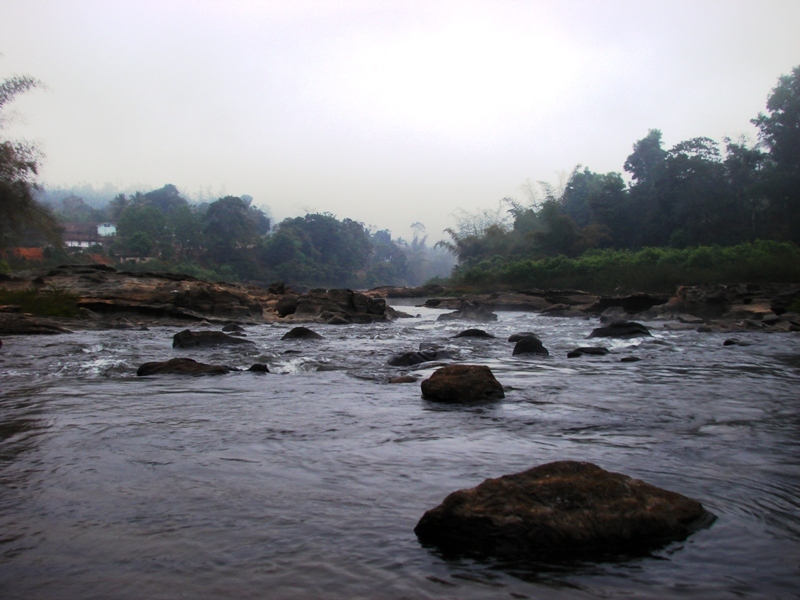
原生于印度南部克里希纳河水系,包括卡纳塔克邦的通加河,以及马哈拉施特拉邦的科伊纳河和潘奇甘加河等。
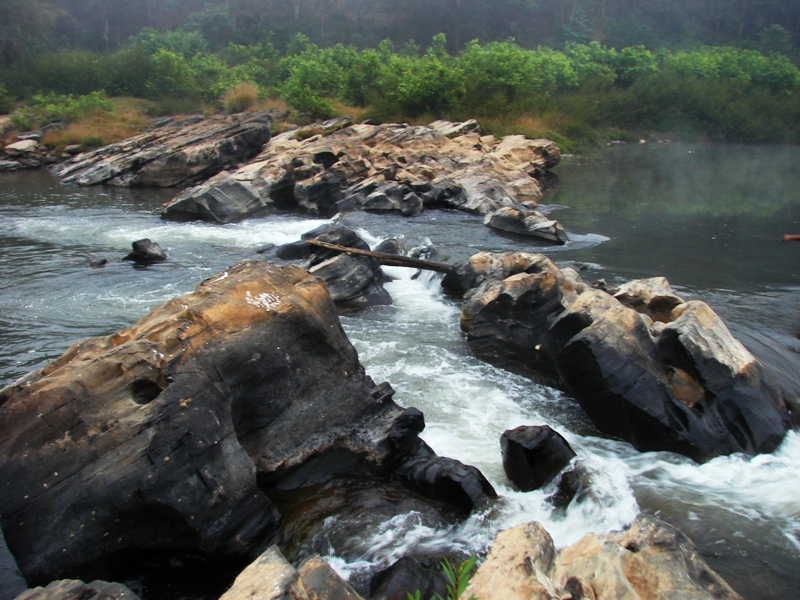
巴德拉河的一项调查仅在六个站点中的一个发现它,位置在水坝下游。当地有一定林木遮蔽,河床以基岩、大石和卵石为主,也有砾石、沙与落叶,最深约 1.5 m。旱季记录为约 21 °C、pH 7.0、硬度约 2.5 °,这些是特定地点的观察,不能当作全部产地的固定条件。
饲养环境
提供至少约 120 × 30 cm 的底面积,使用沙或细砾、圆滑石块、沉木根枝营造多处隐蔽所。弱光和耐阴植物能增加阴影,木石之间留出探索空间,但避免锐边及会卡鱼的小孔。缸盖应严密。
水质需成熟稳定、清洁且含氧充分,适度水流即可。避免有机废物积累,每周换水约 30%~50%,不要在生物过滤尚未成熟时引入。
食性与喂食
沙鳅属鱼摄入水生软体动物、昆虫、蠕虫等,也会吃植物物质和柔软叶片。应提供多样食谱,以优质干粮配合红虫、水蚯蚓、丰年虾等活饵或冷冻饵,再搭配黄瓜、瓜果及烫软菠菜等。混合凝胶饲料可增加食物种类,切碎蚯蚓只宜少量。
吃螺不等于专食螺类,不应仅为除螺购买。适应后进食活跃,投喂时可能游向中层。
习性与混养
虽然温和,体型和活动程度仍可能使很小的鱼紧张。避开慢游、拖长鳍的同伴,以免鳍被啃咬。体型相称、温和且活动于开阔水域的鱼较适合,其他沙鳅、鳅类或鲶鱼也须先核对需求与空间。
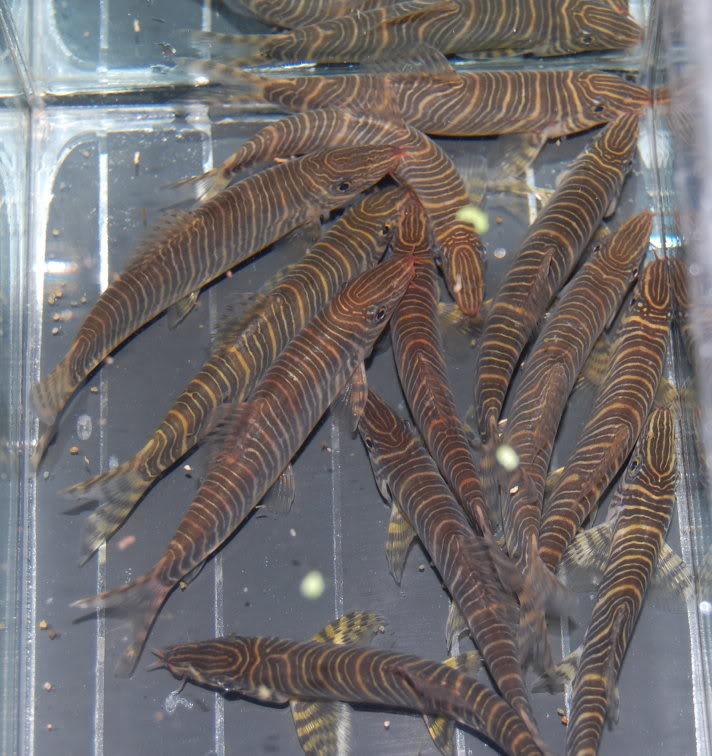
同属鱼有复杂社会等级,至少养 5~6 条,最好 10 条以上。孤养可能退缩或攻击外形相似的鱼;两三条的小群有时会因强势个体持续压制而出现弱鱼停食。
雌雄区分
成熟雌鱼通常较丰满,腹部有时明显充卵。
繁殖
商业繁殖可使用激素诱导本种产卵,但家庭缸内的自然繁殖尚无确认记录。商业生产成功不能直接转换为家庭缸操作方法。
补充说明
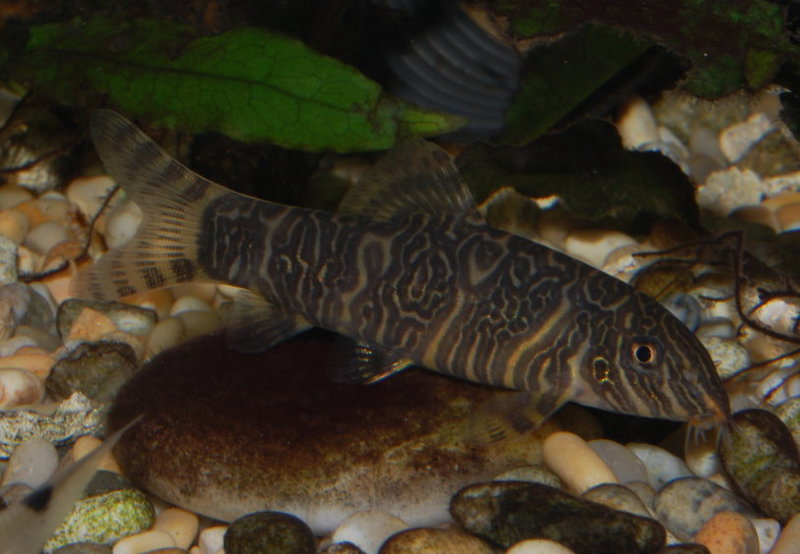
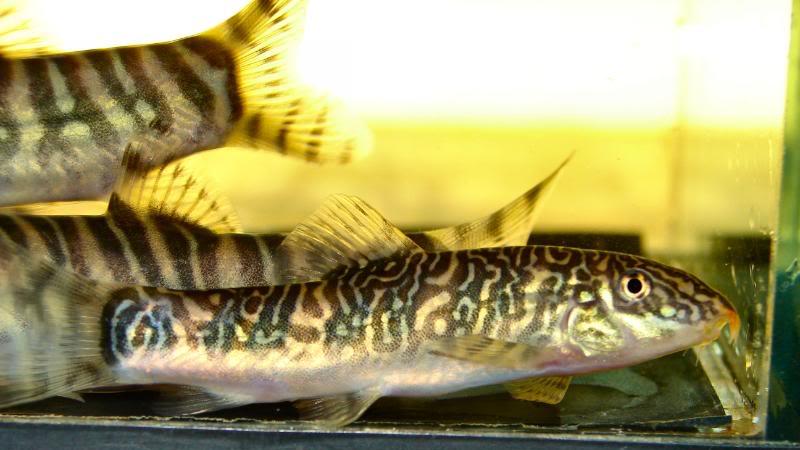
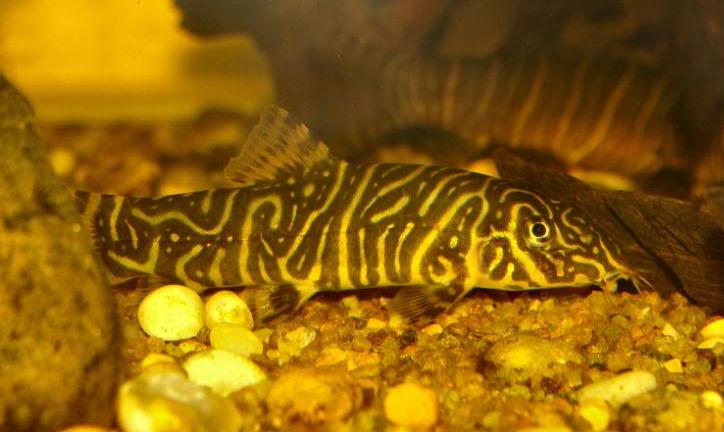
个体间花纹有差异,条纹随成长可能分裂、连接,少数个体甚至几乎完全破碎。典型口部红色和整体斑纹组合比某一条条纹更有辨识价值。
沙鳅类在等级争斗时可短暂褪色,幼鱼可能贴着大鱼同步游动,也能发出咔哒声或全群绕缸游动;这些行为的具体作用尚未明确。侧卧、竖夹在装饰间可能只是休息。持续消瘦则应关注,不能仅凭外观判断病原。捕捞时注意眼下棘可能竖起、缠网或刺伤。
图片
图片来自 SeriouslyFish,版权归各摄影者所有。
English
Overview
A yellow-to-gold background, numerous dark stripes, and often reddish mouthparts make Botia striata distinctive. Its relatively modest size and peaceful disposition make it a useful community candidate, provided it has a proper group and a long enough aquarium.
Distribution & habitat
This southern Indian species belongs to the Krishna drainage. Records include the Tunga in Karnataka and the Koyna and Panchganga rivers in Maharashtra.
A Bhadra River survey found it at just one of six sampling sites, downstream of a dam. That site had some forest cover and a mainly rocky bed, with gravel, sand, and leaves also present. Maximum depth was approximately 1.5 m. Dry-season measurements included about 21 °C, pH 7.0, and hardness around 2.5 °; these describe a particular observation rather than uniform conditions throughout its range.
Aquarium setup
Allow a footprint of at least about 120 × 30 cm. Sand or fine gravel, smooth rocks, and woody roots or branches provide shelter and exploration routes. Subdued lighting and shade-tolerant plants add cover. Remove sharp surfaces and close holes that could trap fish, while securing the lid against escapes.
Use a mature, stable system with clean, oxygen-rich water and moderate circulation. Avoid organic waste accumulation and change approximately 30–50% of the water each week. Newly established tanks are unsuitable.
Diet & feeding
Foods described for Botia include mollusks, insects, worms, and other aquatic invertebrates, alongside plant matter and soft leaves. Combine quality prepared foods with live or frozen bloodworms, Tubifex, Artemia, and plant foods such as cucumber, melon, or blanched spinach. Mixed gel foods offer another option, while chopped earthworms should be limited.
Snail consumption does not justify acquiring these fish solely for pest control. Once settled, they often feed boldly and may leave the bottom during meals.
Behaviour & compatibility
Despite its peaceful nature, very small companions may be intimidated by its size and activity. Avoid slow fishes and those with trailing fins, which can be nipped. Peaceful, appropriately sized open-water species are better candidates. Check the requirements of other loaches or catfishes before adding them.
Members of the genus have complex social hierarchies. Keep at least five or six, preferably ten or more. Solitary individuals may withdraw or become aggressive toward similar-looking fishes. With only two or three, persistent domination can cause weaker fish to stop eating.
Sexual dimorphism
Mature females are generally fuller-bodied and may show an obviously egg-filled abdomen.
Breeding
Commercial breeders have used hormonal induction with this species. Natural breeding in home aquaria has not been confirmed, and commercial success does not supply a proven home procedure.
Notes
Markings vary among individuals. Stripes may split and reconnect with growth, occasionally breaking up almost completely. The overall pattern and often-red mouth region are more useful than any single stripe.
Botiid observations include fading during social disputes, juveniles shadowing larger fish, clicking, and group circuits, although their functions remain uncertain. Sideways resting or wedging vertically between decorations can be normal. Persistent wasting warrants attention without assuming a pathogen from appearance alone. Raised spines beneath the eyes can become caught in nets or injure hands during handling.
来源
- https://www.seriouslyfish.com/species/botia-striata(抓取于 2026-10-10)
botia-striata · 文件: data/species/botia-striata.md · 状态: 草稿