Botia kubotai · Polka-Dot Loach
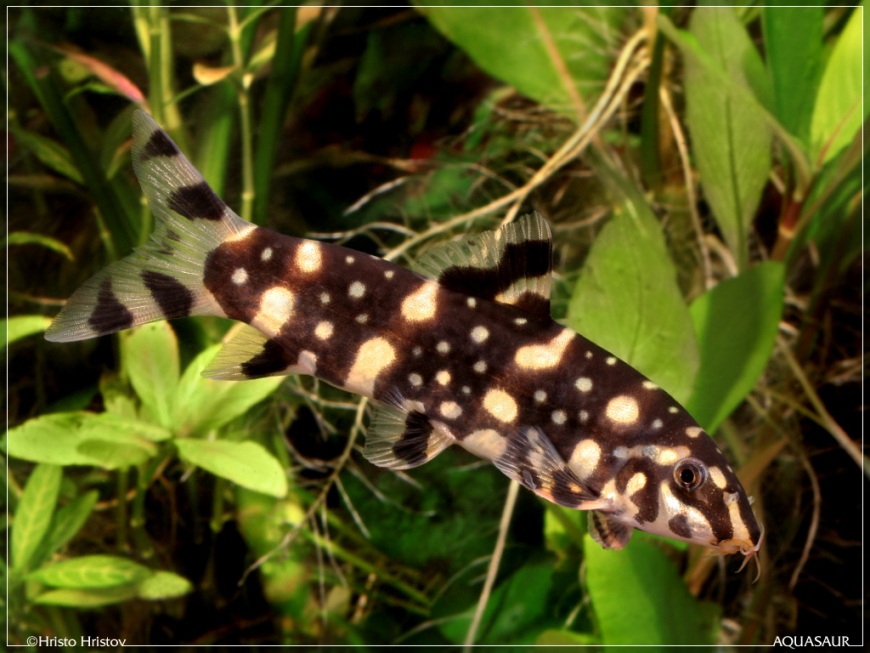
概要
| 字段 | 值 |
|---|---|
| 类别 | 鱼 |
| 学名 | Botia kubotai |
| 分类 | 鲤形目 Cypriniformes › 沙鳅科 Botiidae › Botia |
| 水体 | 淡水 |
| 原产地 | 缅甸、泰国 |
| 成体体长 | 15 cm |
| 饲养难度 | 中等 |
| 最小水体 | 243 L |
| 最小缸长 | 120 cm |
| 群居方式 | 群游 |
| 特征 | 会跳缸: 是 |
| 外部数据 | seriouslyfish botia-kubotai;fishbase 61508 |
水质参数
| 参数 | 耐受范围 | 最适范围 | 单位 |
|---|---|---|---|
| 水温 | 22–28 | — | °C |
| pH | 6–7.5 | — | — |
| 总硬度 | 2–10 | — | dGH |
概述
Botia kubotai 是活跃、善于探索的群居鳅,幼鱼花纹会随着成长不断分裂和变化。漂亮的斑纹不代表它适合小缸或单养;同伴数量、足够藏身处和干净成熟的水体,都是长期饲养的重点。
分布与栖息地
似局限于缅甸、泰国边界附近的萨尔温江上游水系。已知地点包括缅甸克伦邦 Ataran 上游的 Megathat 溪,以及泰国达府 Hanthayaw 河。
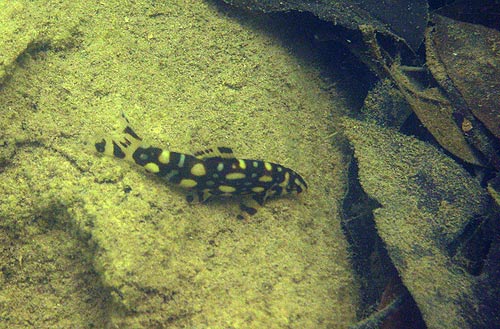
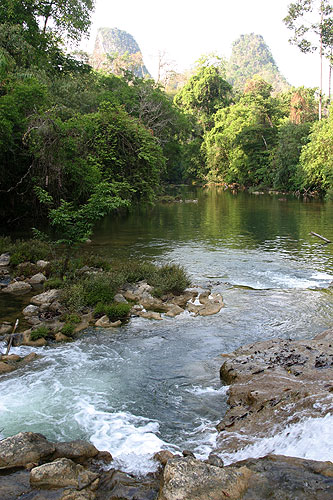
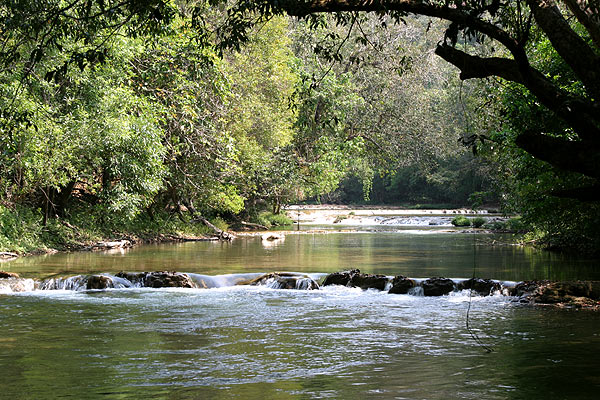
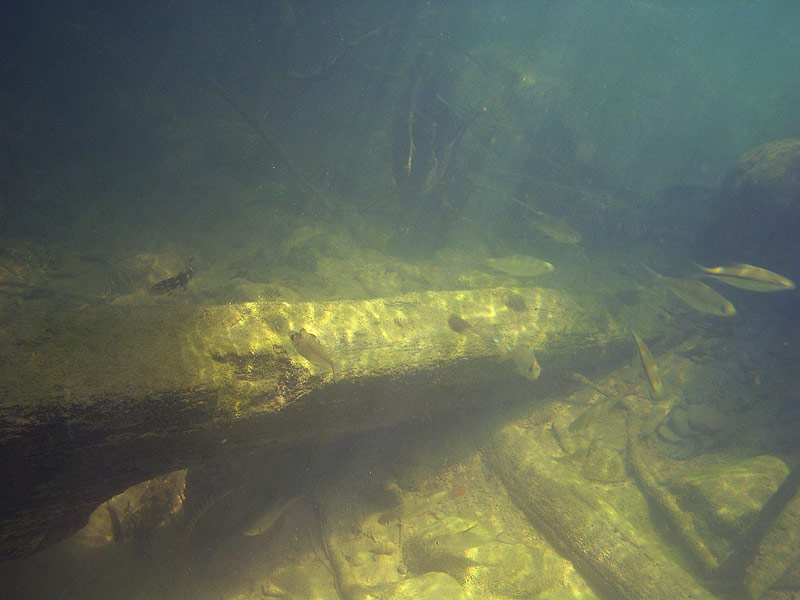
这些地点的影像显示,鱼可能生活在森林遮阴、相对缓流而供氧良好的清澈上游河段,底部混合砂和岩石,有沉木与落叶。具体生境描述仍带推测性,不宜把它当作激流专养鱼。
饲养环境
建议底面积至少约 120 × 45 cm。砂或细砾搭配平滑石块、沉木和根枝,形成多个藏身点与探索通道。灯光可偏暗,铁皇冠、莫丝或水榕类植物固定在造景上能增加阴影。
它喜欢挤缝,须去掉尖锐边缘,封住可能卡鱼的孔洞,并盖紧缸顶。水体应成熟、稳定、溶氧充足,有一定水流但不必湍急。不能依靠强过滤抵消污物堆积,每周约换水 30–50%,不宜放入尚未建立生物过滤的新缸。
食性与喂食
同属鱼主要取食软体动物、昆虫和蠕虫等,也会摄入植物,甚至啃软叶水草。缸内提供优质干粮,轮换红虫、水丝蚓、丰年虾等活饵或冻饵,并搭配黄瓜、西葫芦或烫软菠菜。可用多种天然原料制成凝胶饲料,切碎蚯蚓少量补充即可。
近亲会吃水螺,却并非专食螺,不能只把它当作除螺工具。适应后可能主动游到中层抢食。
习性与混养
至少五至六条,空间足够时十条以上更理想。同属鱼有复杂等级,单养可能退缩或攻击相似鱼;仅两三条时,弱势个体可能长期被压制到停食。
它并非特别凶猛,但体形和活跃程度会惊扰小鱼,也可能咬慢游长鳍鱼。伙伴宜为体形适当的平和开阔水域鱼,其他底部鱼须能承受其活动程度。群内争位时颜色暂时变淡、小鱼贴着大鱼模仿游动、集体沿缸壁游动及发出咔哒声,在同属鱼中都有记录,确切功能并未完全明确。侧躺或卡在造景间休息也可能是正常表现。
雌雄区分
成熟雌鱼较厚实,吻部偏圆;雄鱼吻部较长,嘴唇更厚。
繁殖
2008 年曾在养有数条成鱼及其他鱼的混养缸中发现一尾幼鱼,但没有完整产卵过程。另有商业激素催产记录,两者都不能直接当作可复现的家庭繁殖流程。贸易中也出现过近亲杂交鱼,选购时应核对种源。
补充说明
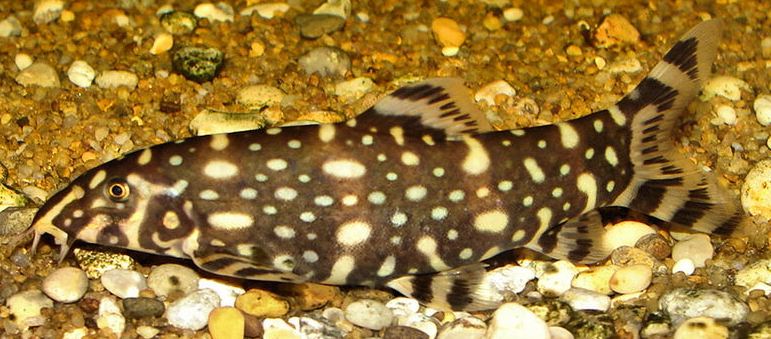
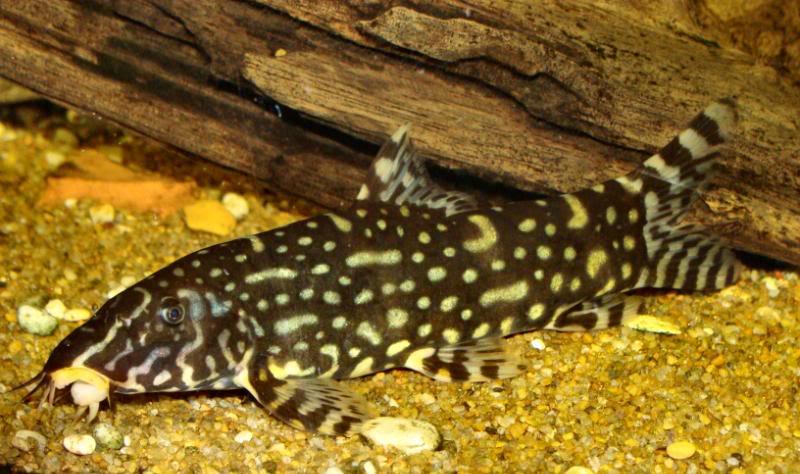
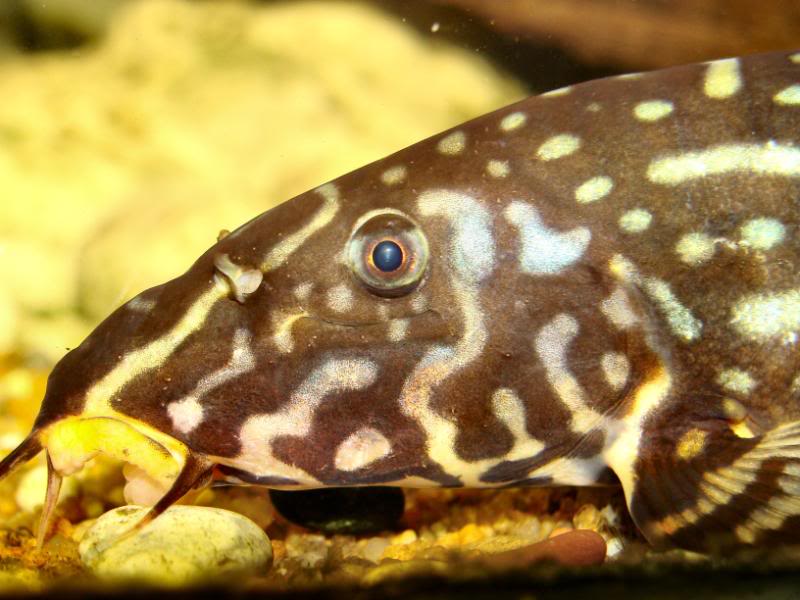
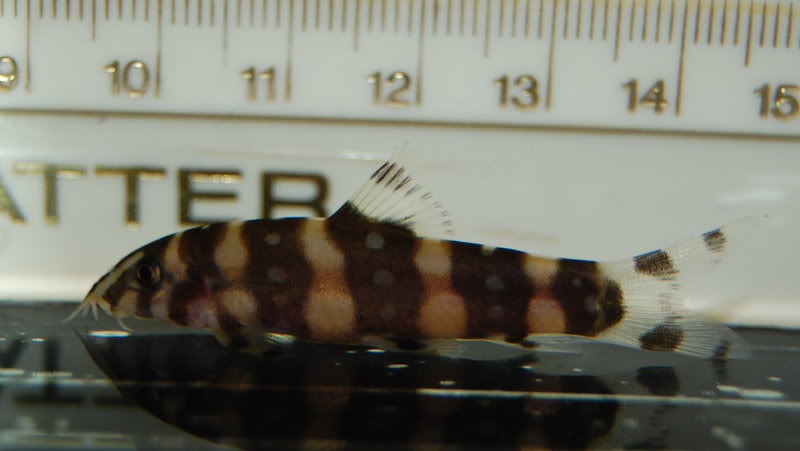
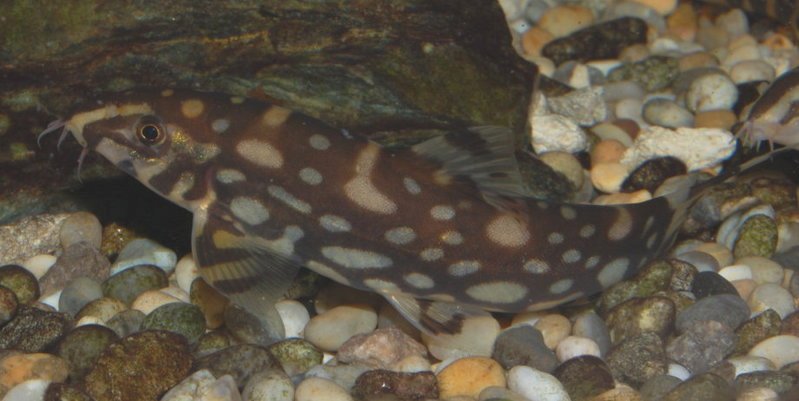
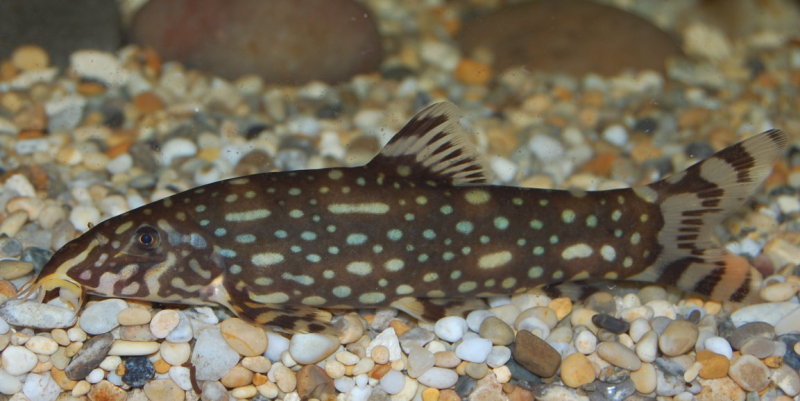
本种幼鱼易与 Botia histrionica 混淆,但深色条带通常较早分裂或形成横向突起,成鱼斑点大小和深浅也有差别。搬运时注意可竖起的眼下棘,既可能挂网也可能伤手。新鱼若持续消瘦,不应只当作体色或性别差异。
图片
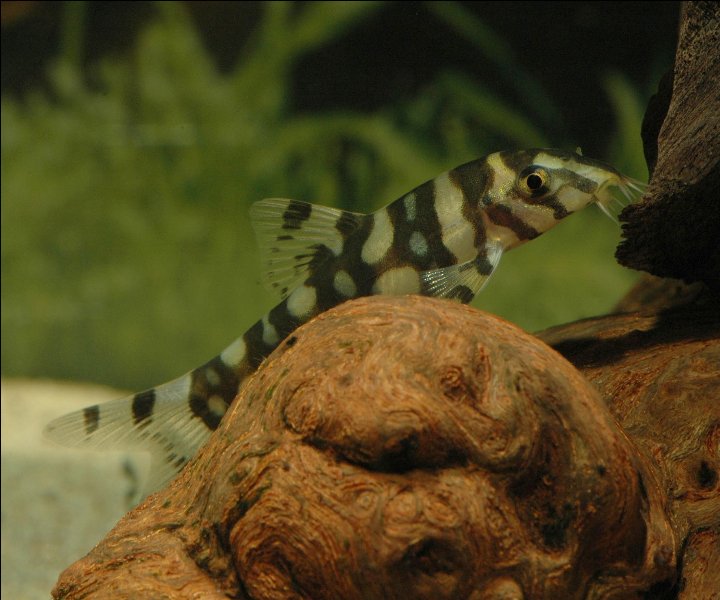
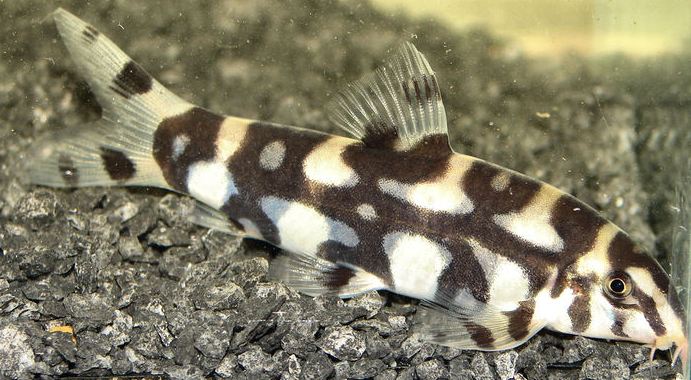
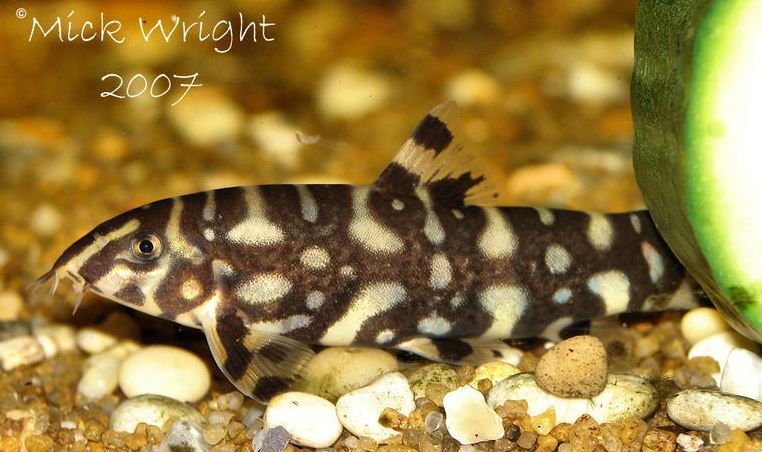
图片来自 SeriouslyFish,版权归各摄影者所有。
English
Overview
Botia kubotai is an active, inquisitive social loach whose juvenile markings change substantially with growth. Attractive patterning does not make it suitable for solitary life or a small aquarium. Companions, numerous refuges, and clean mature water are central to long-term care.
Distribution & habitat
It appears restricted to upper Salween tributaries around the Myanmar–Thailand border. Records include Megathat stream in the upper Ataran of Myanmar's Kayin State and the Hanthayaw in Thailand's Tak Province.
Images suggest shaded forest headwaters with relatively gentle flow, clear oxygenated water, mixed sand and rock, submerged wood, and leaves. This habitat interpretation remains provisional and does not imply a requirement for torrent conditions.
Aquarium setup
Provide at least about 120 × 45 cm of floor space. Combine sand or fine gravel with smooth stones, wood, and roots to create several retreats and routes to explore. Subdued light and attached Java fern, mosses, or anubias add shade.
Remove sharp edges and seal holes that could trap a fish squeezing inside. Fit a tight cover. Use stable, biologically mature water with ample oxygen and some circulation, without excessive turbulence. Change about 30–50% weekly and prevent organic-waste buildup; powerful filtration cannot replace maintenance or a mature biological filter.
Diet & feeding
Related Botia eat mollusks, insects, worms, and plant material, sometimes damaging soft aquatic leaves. Offer quality dry foods with rotating live or frozen bloodworms, Tubifex, and brine shrimp, plus cucumber, zucchini, or blanched spinach. Mixed-ingredient gel foods provide another option; use chopped earthworms sparingly.
Relatives eat snails but are not specialist snail feeders, so do not buy them solely to clear an infestation. Settled fish may actively rise into midwater at feeding time.
Behaviour & compatibility
Keep at least five or six, preferably ten or more where space permits. The genus develops social hierarchies. A solitary fish may withdraw or attack similar-looking companions, while pairs or trios risk prolonged suppression of weaker fish until they stop feeding.
Although not especially aggressive, this species can intimidate small fish through size and activity and may nip slow, long-finned companions. Choose appropriately sized peaceful open-water fishes and bottom dwellers able to tolerate its activity. Temporary paling during rank contests, youngsters following adults closely, group circuits around the glass, and audible clicks have been observed in the genus; their functions remain incompletely understood. Sideways or wedged resting positions can also be normal.
Sexual dimorphism
Mature females are fuller-bodied with a rounded snout. Males have a longer snout and fleshier lips.
Breeding
A juvenile was discovered in a mixed aquarium containing several adults in 2008, without a documented spawning sequence. Commercial hormone-assisted production has also occurred. Neither record establishes a repeatable home-breeding method. Related hybrid loaches have entered trade, making provenance relevant.
Notes
Juveniles resemble Botia histrionica, but their dark bands usually divide or develop lateral projections earlier. Adult spot size and overall darkness also vary. Erectable eye spines may catch in nets or injure hands. Persistent wasting in new fish should not be dismissed as normal shape variation.
来源
- https://www.seriouslyfish.com/species/botia-kubotai(抓取于 2026-10-10)
botia-kubotai · 文件: data/species/botia-kubotai.md · 状态: 草稿