伊洛瓦底沙鳅
概要
| 字段 | 值 |
|---|---|
| 类别 | 鱼 |
| 学名 | Botia histrionica |
| 别名 | 伊洛瓦底沙鰍 |
| 分类 | 鲤形目 Cypriniformes › 沙鳅科 Botiidae › Botia |
| 水体 | 淡水 |
| 原产地 | 中国、印度、缅甸 |
| 成体体长 | 13 cm |
| 饲养难度 | 中等 |
| 最小水体 | 243 L |
| 最小缸长 | 120 cm |
| 群居方式 | 群游 |
| 特征 | 会跳缸: 是 |
| 外部数据 | seriouslyfish botia-histrionica;fishbase 24691 |
水质参数
| 参数 | 耐受范围 | 最适范围 | 单位 |
|---|---|---|---|
| 水温 | 22–28 | — | °C |
| pH | 6–7.5 | — | — |
| 总硬度 | 2–10 | — | dGH |
概述
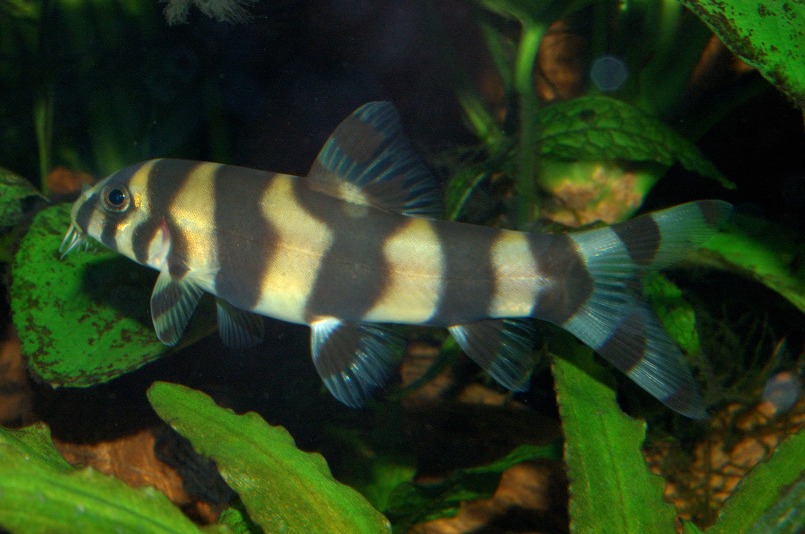
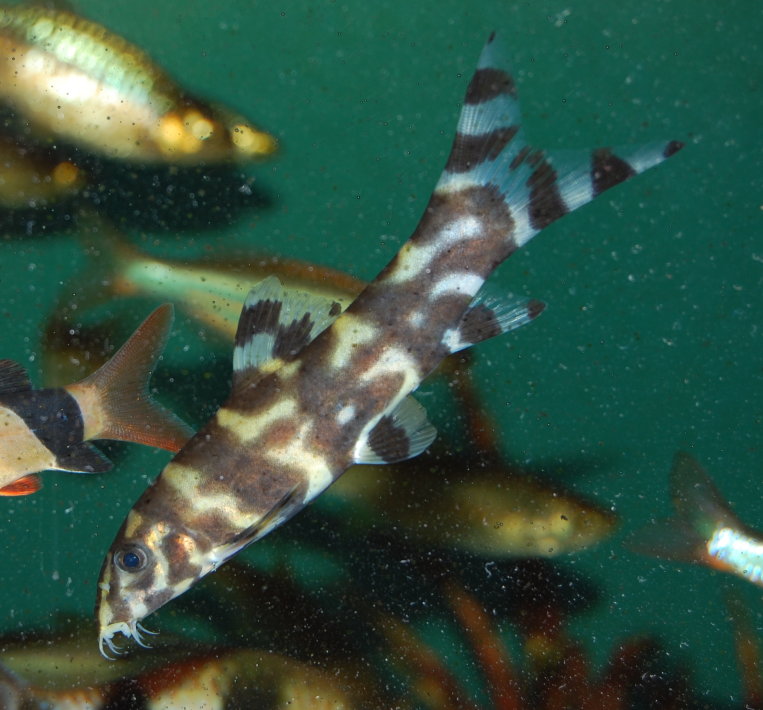
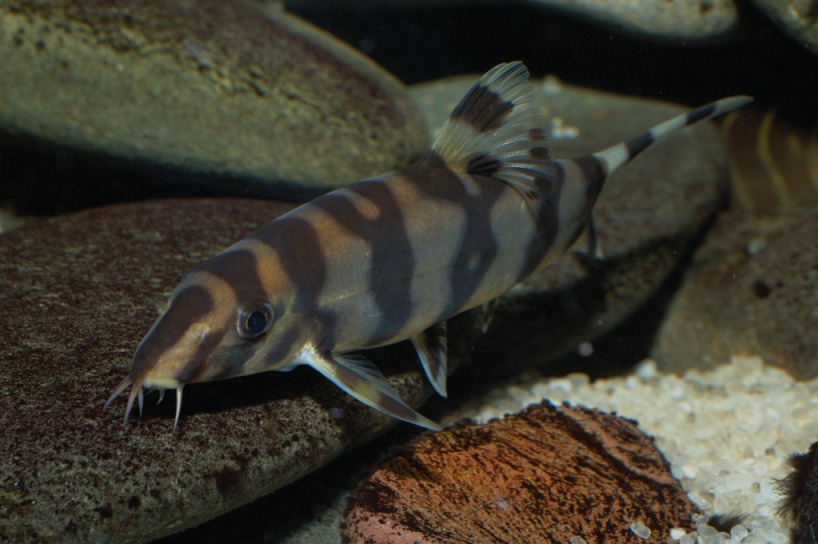
伊洛瓦底沙鳅(Botia histrionica)幼鱼具有五条深色横带,成年后的花纹随产地而变化。它需要成群生活和充足活动空间,适合能提供稳定水质、多处隐蔽所的成熟鱼缸。
分布与栖息地
分布包括印度曼尼普尔邦、中国云南的伊洛瓦底江上游,以及缅甸伊洛瓦底江、锡唐河、萨尔温江和阿塔兰河等水系。不同流域的外形差异明显,部分群体的分类归属仍有讨论。
阿塔兰河中它与 Botia kubotai 共存;该近缘种曾在林荫覆盖、流速较缓的清水上游环境被记录,但不能把这些照片中的环境视为本种所有产地的共同特征。
饲养环境
缸底面积宜至少约 120 × 45 cm。沙或细砾搭配圆滑石块、沉木根和枝条,形成多个隐蔽所及探索路线;弱光和耐阴植物可增加安全感。去掉锐边,封住容易卡住鱼身的洞隙,并盖紧缸盖。
保持水质清洁、含氧充分,有适度水流即可。生物过滤需充分成熟,不宜放进刚建立的鱼缸。避免有机废物堆积,每周换水约 30%~50%。
食性与喂食
沙鳅属鱼的天然食物包括水生软体动物、昆虫、蠕虫等,也会摄入植物物质及柔软叶片。缸内应交替提供优质干粮、红虫、水蚯蚓、丰年虾等活饵或冷冻饵,以及黄瓜、瓜果、烫软菠菜等植物性食物。可用混合凝胶饲料,切碎蚯蚓只宜少量添加。
吃螺不代表专食螺类,不能把它当作处理螺害的消耗品。适应后摄食通常较大胆,有时会在投喂时游到中层。
习性与混养
通常不算特别好斗,但其体型和活跃程度可能使小鱼紧张。慢游或长鳍同伴有被咬鳍的风险;混养宜考虑温和、体型相当且使用开阔水域的鱼,其他底层鱼需逐种判断。
沙鳅属鱼会建立复杂等级,至少养 5~6 条,最好 10 条以上。单养可能退缩或转而攻击外形相近的鱼;只有两三条时,强势鱼可能持续压迫弱势个体,甚至使其停食。多处躲藏点与足够群体数量同样重要。
雌雄区分
成熟雌鱼通常较丰满,吻部相对圆;雄鱼吻部较长,嘴唇较厚实。
繁殖
本种有商业激素诱导繁殖记录,但家庭缸内的自然繁殖尚未得到确认。市场也有身份存在疑问的杂交沙鳅,不能将商品鱼的生产方式当成家庭繁殖流程。
补充说明
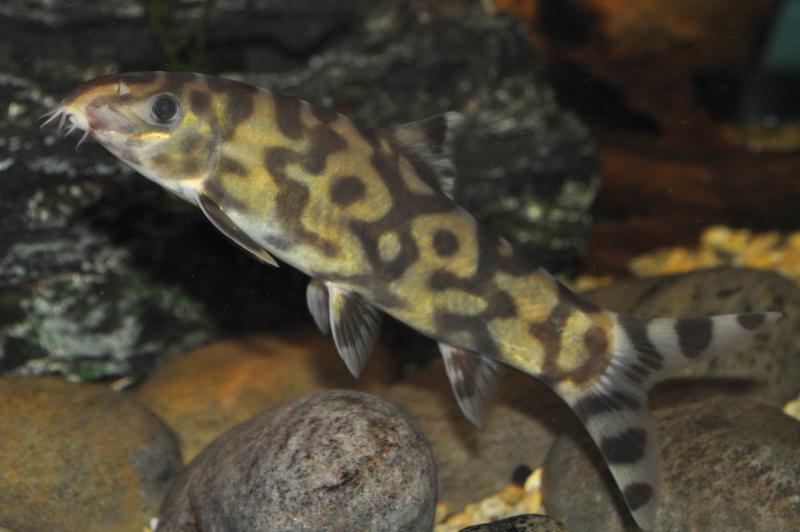
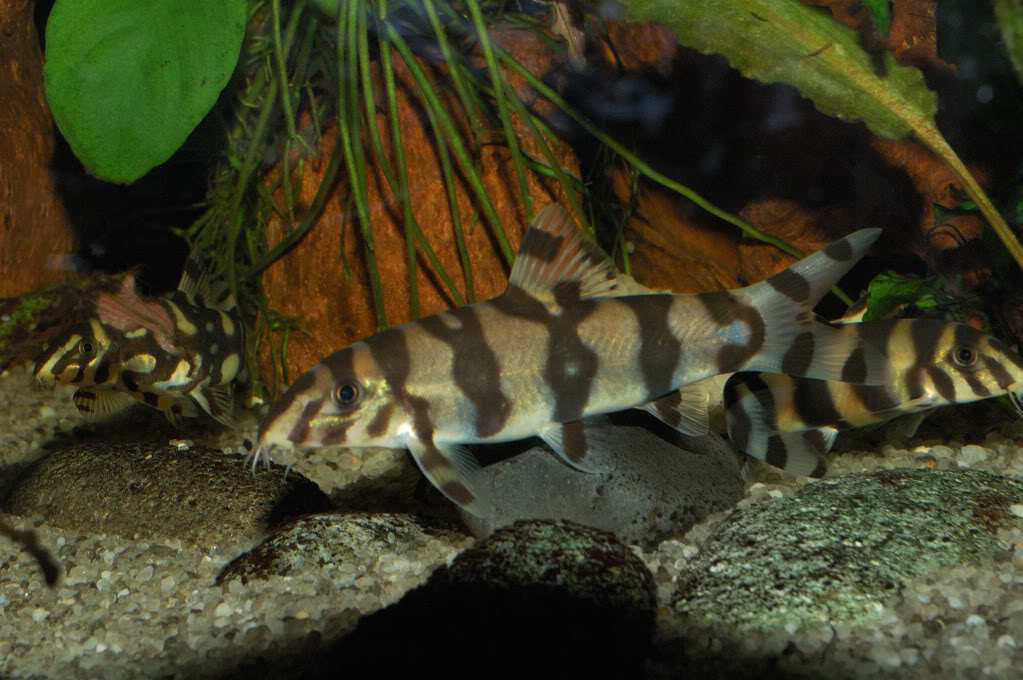
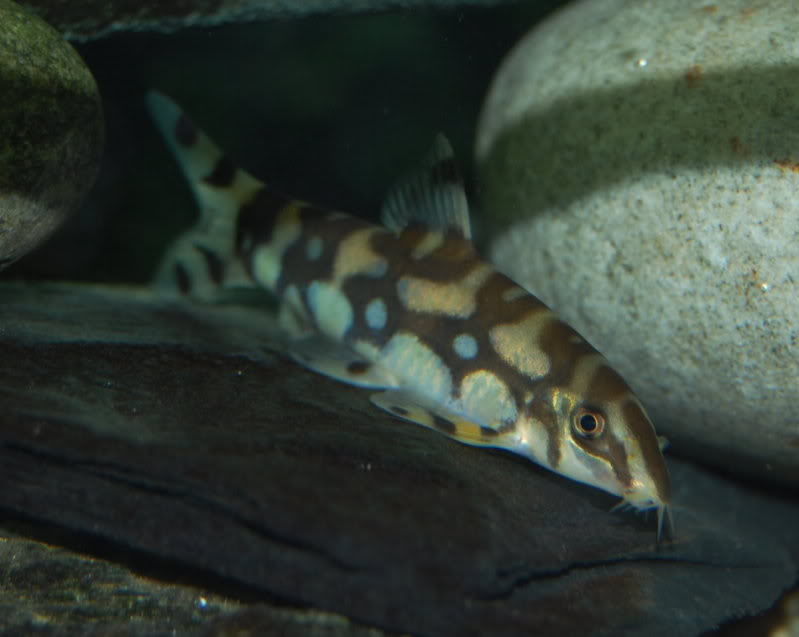
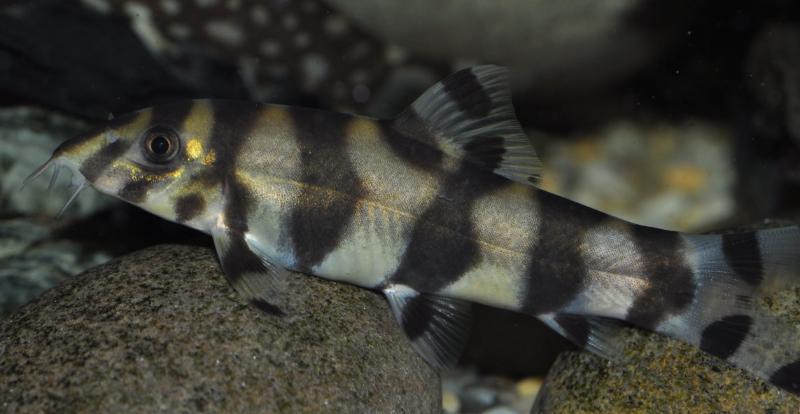
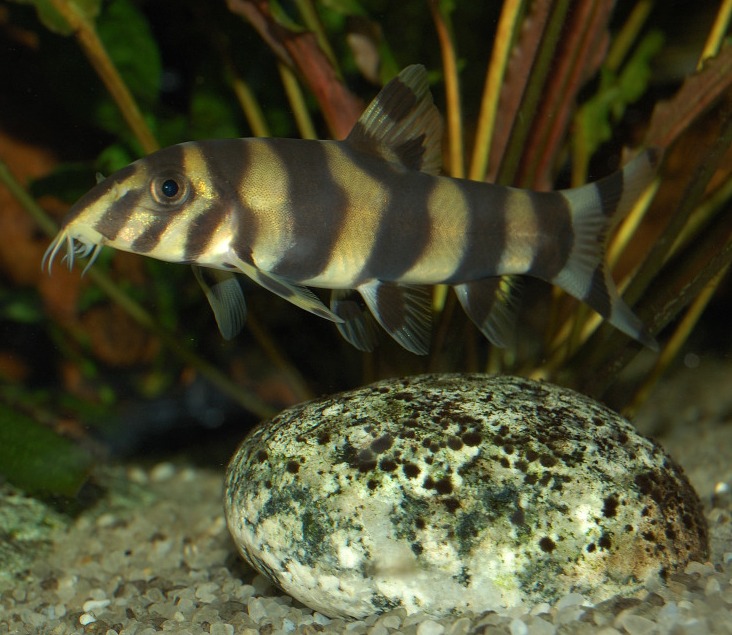
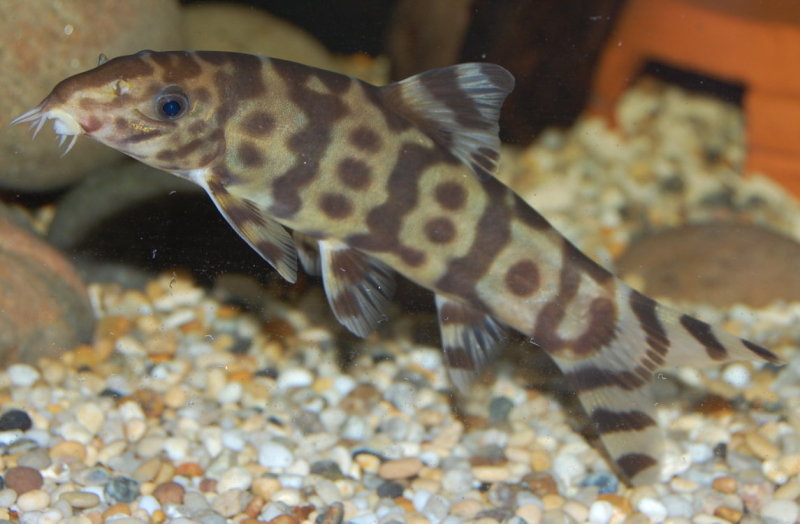
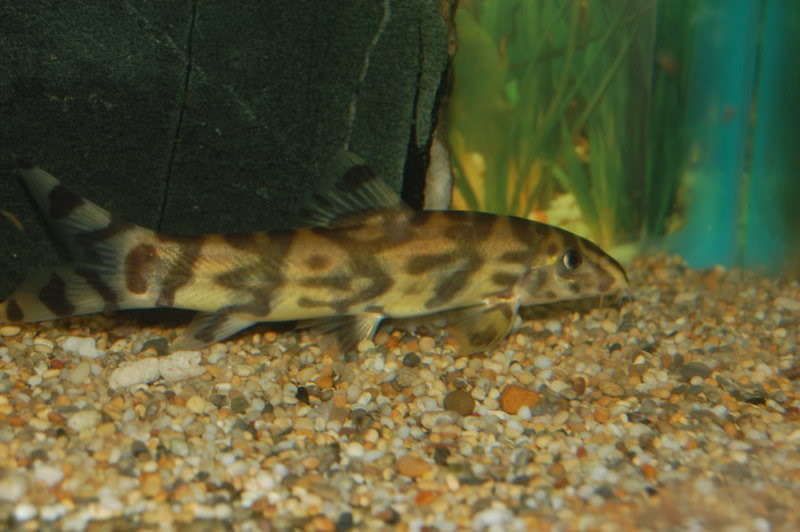
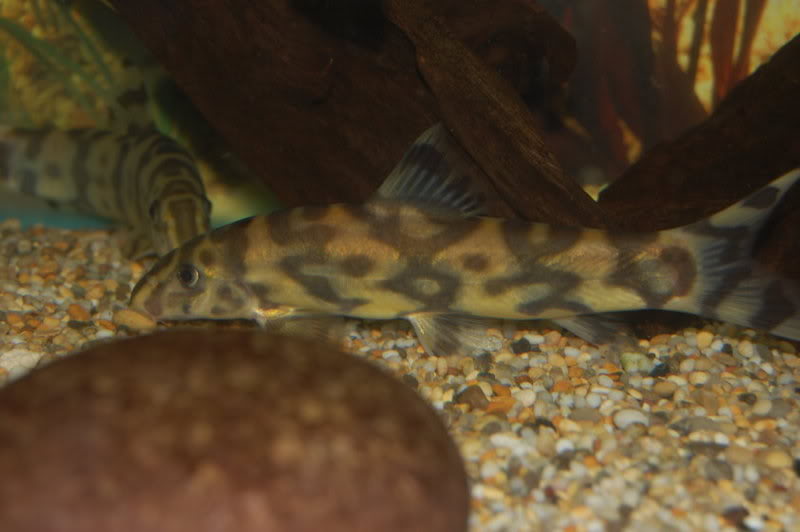
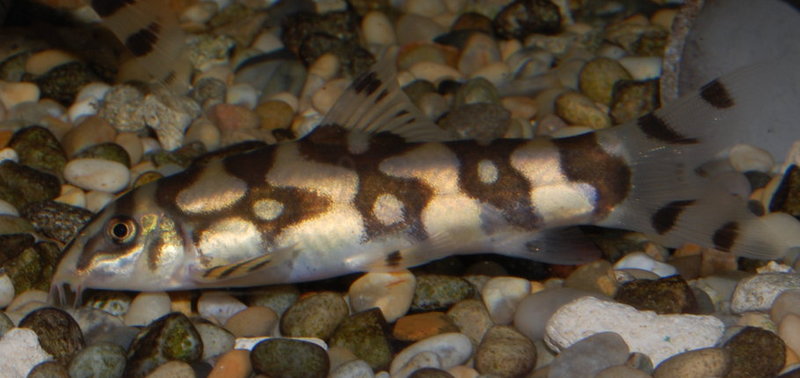
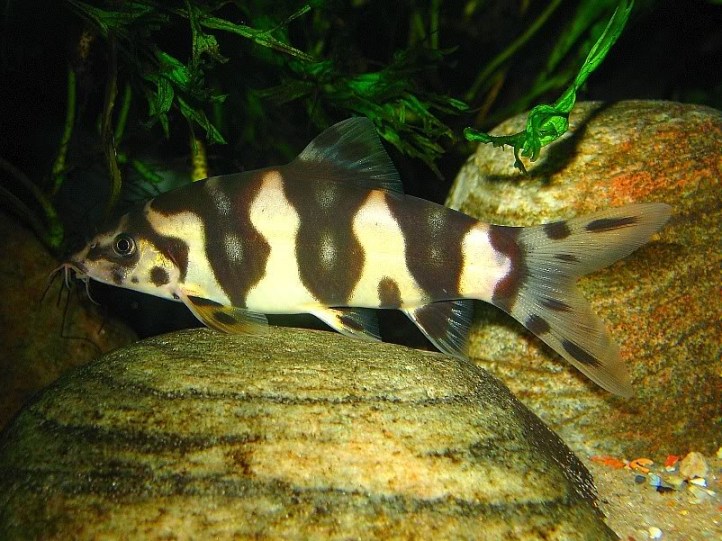
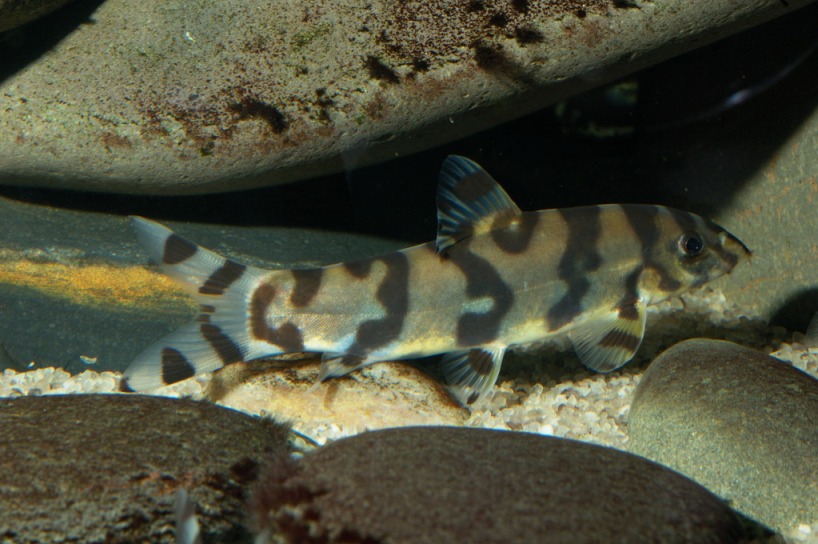
幼鱼容易与 Botia kubotai 混淆,后者的横带通常更早分裂并形成连接。本种的条带往往保留较久,中央逐渐出现浅色缺口,可呈近似 Y 形。伊洛瓦底江群体多为黄色底色、完整条带或竖列斑点,萨尔温江群体较苍白、条带破碎较多;曼尼普尔和阿塔兰群体又有不同组合,不能仅凭一张成年鱼照片判断身份。
沙鳅类可在等级冲突时暂时褪色,也有幼鱼贴随大鱼、发出咔哒声及全群连续绕缸游动等行为。侧卧或竖夹休息并不一定异常。持续消瘦需关注,但不宜只凭体型就认定病原。转移时注意眼下可竖起的棘,避免缠网或刺伤。
图片
图片来自 SeriouslyFish,版权归各摄影者所有。
English
Overview
The juvenile pattern of Botia histrionica includes five dark body bands, while adult markings vary considerably among river systems. A stable, mature aquarium with a substantial social group and several retreats suits it better than solitary housing.
Distribution & habitat
Records span Manipur in India, the upper Ayeyarwady drainage in China's Yunnan Province, and much of Myanmar, including the Ayeyarwady, Sittaung, Salween, and Ataran systems. Regional differences in appearance have raised questions about the identity of some populations.
It shares the Ataran system with Botia kubotai. Photographs of that relative show shaded, relatively slow headwaters with clear water, but those observations should not be treated as a complete habitat description for B. histrionica.
Aquarium setup
Plan for a footprint around 120 × 45 cm or larger. Use sand or fine gravel, smooth stones, and woody roots or branches to provide numerous retreats and routes to explore. Subdued lighting and shade-tolerant plants can help. Remove sharp surfaces, block openings that might trap a fish, and secure the lid.
Clean water and a good oxygen supply are essential; moderate circulation is sufficient. Establish biological filtration fully before introduction and prevent organic waste from accumulating. Weekly water changes of roughly 30–50% are appropriate routine maintenance.
Diet & feeding
Foods described for Botia in nature include mollusks, insects, worms, and other aquatic invertebrates, as well as some plant material and soft leaves. Offer a varied combination of prepared foods, live or frozen bloodworms, Tubifex, Artemia, and plant foods such as cucumber, melon, or blanched spinach. Mixed gel foods are another option, with chopped earthworms used sparingly.
Eating snails does not make these fishes specialist mollusk feeders or disposable pest-control animals. Settled fish often feed boldly and may rise into midwater during meals.
Behaviour & compatibility
Although not particularly aggressive, its size and activity can intimidate smaller companions. Slow-moving or trailing-finned fishes risk fin damage. Peaceful fishes of suitable size occupying open water are better candidates, while other bottom dwellers should be assessed individually.
Social hierarchies are important in the genus. Maintain at least five or six, ideally ten or more. Isolated individuals may hide or attack similar-looking tankmates. In pairs and trios, dominant fish can suppress the others so severely that feeding stops. Provide multiple shelters as well as adequate group size.
Sexual dimorphism
Mature females tend to have fuller bodies and rounder snouts. Males usually have a more extended snout and fleshier lips.
Breeding
Commercial production has used hormonal induction in this species. Natural reproduction in home aquaria remains unconfirmed. Questionable hybrid identities also occur in the trade, and commercial production should not be confused with an established home-breeding method.
Notes
Juveniles can resemble Botia kubotai, which typically develops divided and connected markings earlier. Bands persist longer in B. histrionica, sometimes becoming Y-shaped as pale areas develop within them. Ayeyarwady fish often retain yellow backgrounds and bars or vertical rows of spots; Salween fish tend to be paler with more fragmented bands. Manipur and Ataran forms show other combinations, making identification from a single adult photograph unreliable.
Botiid social observations include fading during rank disputes, juveniles shadowing larger fish, clicking, and sustained group circuits. Sideways or vertically wedged resting may be normal. Persistent wasting deserves attention without assuming a particular pathogen from appearance alone. Spines below the eyes can catch in nets or puncture skin during handling.
来源
- https://www.seriouslyfish.com/species/botia-histrionica(抓取于 2026-10-10)
botia-histrionica · 文件: data/species/botia-histrionica.md · 状态: 草稿