盖生丽鱼
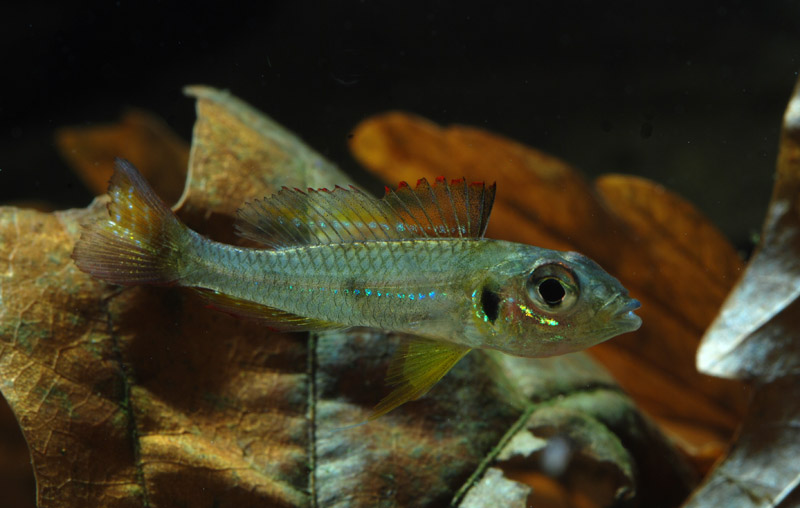
概要
| 字段 | 值 |
|---|---|
| 类别 | 鱼 |
| 学名 | Biotoecus opercularis |
| 别名 | 蓋生麗魚 |
| 分类 | 慈鲷目 Cichliformes › 慈鲷科 Cichlidae › Biotoecus |
| 水体 | 淡水 |
| 原产地 | 巴西 |
| 成体体长 | 4 cm |
| 饲养难度 | 中等 |
| 最小水体 | 81 L |
| 最小缸长 | 90 cm |
| 群居方式 | 成对 |
| 水流偏好 | 低 |
| 外部数据 | seriouslyfish biotoecus-opercularis;fishbase 46719 |
| 食性 | 肉食 |
| 领地性 | 是 |
| 繁殖方式 | 附着产卵 |
水质参数
| 参数 | 耐受范围 | 最适范围 | 单位 |
|---|---|---|---|
| 水温 | 25–30 | — | °C |
| pH | 4–6.5 | — | — |
| 总硬度 | 0–5 | — | dGH |
概述
盖生丽鱼(Biotoecus opercularis)虽小,却需要按领地和繁殖空间规划缸底。不同产地名在贸易中很多,宜分别保留来源、避免混配;它对水质下降敏感,成熟而安静的软水缸更合适。
分布与栖息地
来自巴西亚马孙中部,包括马德拉河、塔帕若斯河、特龙贝塔斯河及尼格罗河中下游。偏爱沙底浅水,落叶和沉木形成遮蔽,水流缓慢,常因腐叶成茶色。
饲养环境
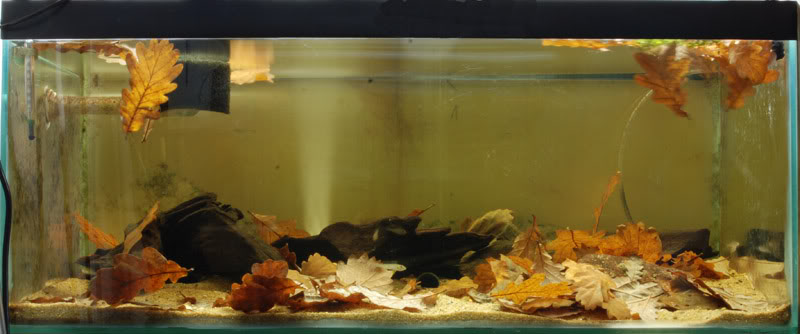
建议按至少 90 × 30 厘米底面安排雌雄群体。细沙、根木、枝条、洞穴和干落叶提供领地边界及产卵面,陶罐等人工藏身处也可用。弱光配耐阴植物或浮水遮荫,轻缓过滤;避免新缸。在低密度条件下每周约 10%~15% 小量换水,保持稳定而非任由水质变差。
食性与喂食
胃内容物以小型无脊椎动物为主,包括摇蚊幼虫和介形虫。提供适口红虫、丰年虾等活饵或冷冻饵料;细颗粒饲料已有接受经验,但新进口野生鱼可能起初拒食。
习性与混养
宜单种或只搭配小型温和伴游鱼,不混其他生丽鱼种或不同种群。空间足够时可群养,雄鱼围绕产卵处占小领地,非繁殖雌鱼可松散聚集。
雌雄区分
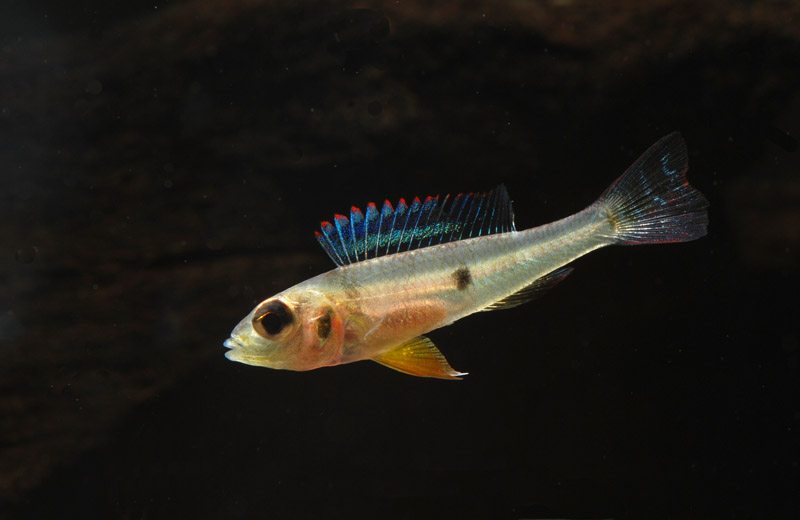
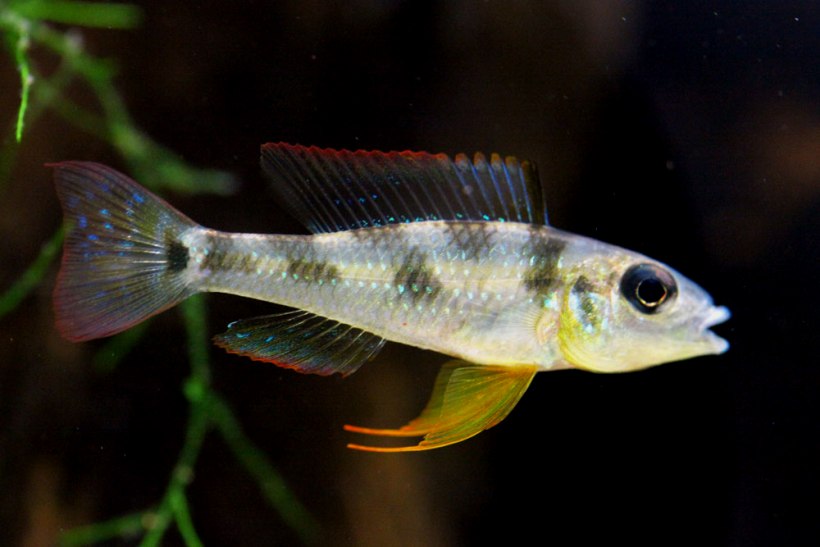
雄鱼反而较小,但鳍更艳丽且延长较多,不能把较大个体一概当雄鱼。
繁殖
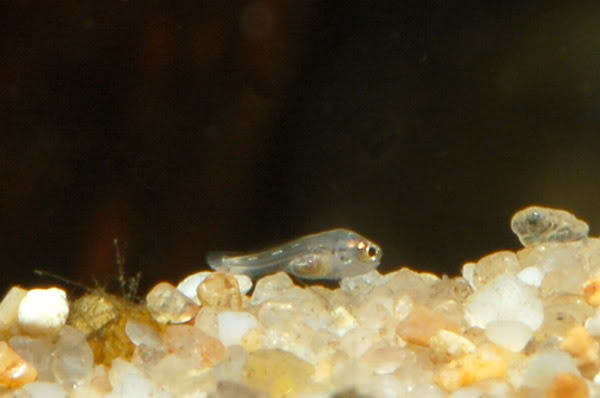
双亲护幼、基面产卵,常选沉叶下表面或小洞穴。成熟雌鱼腹部泛粉红、腹鳍偏蓝,领地雄鱼发起求偶。卵通常 3~5 天孵化,幼体留在产卵面或被移入浅坑吸收卵黄;平游后继续护幼约 3~4 周,雄鱼参与可能较少。相邻窝鱼苗混合时,据观察亲鱼可能连别窝幼鱼一起保护。
补充说明
地域型有轻微体高、鳍长和色彩差异,但不能因此直接认定多个物种。
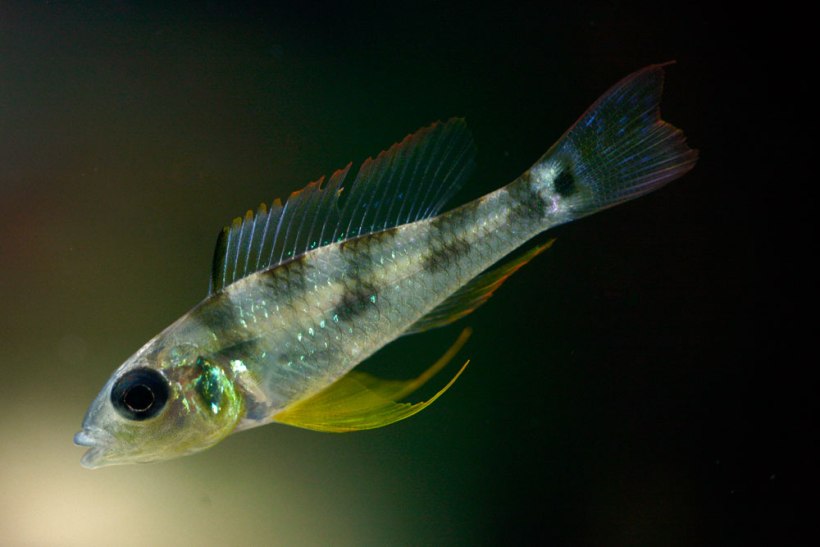
图片
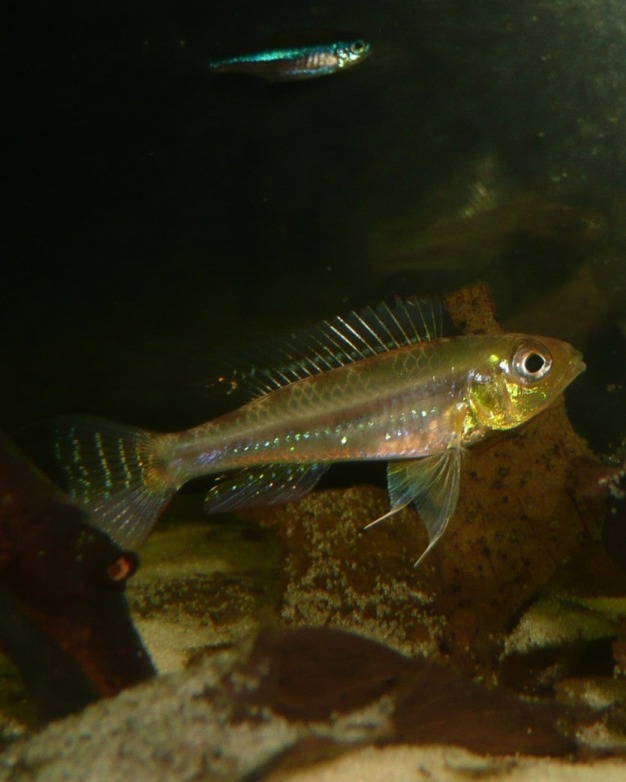
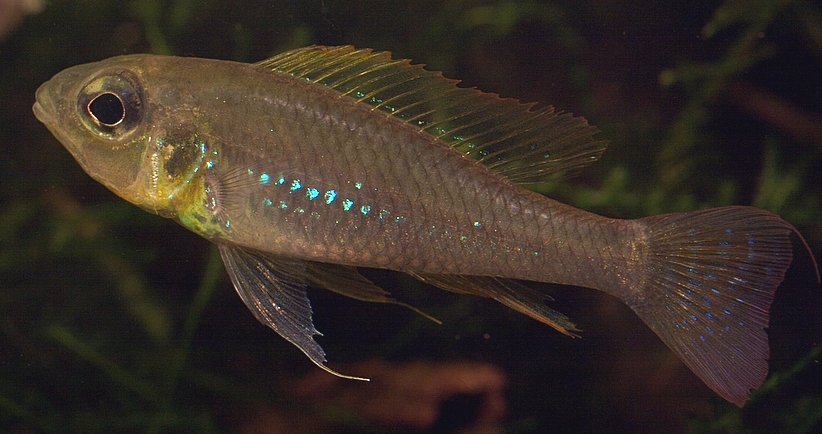
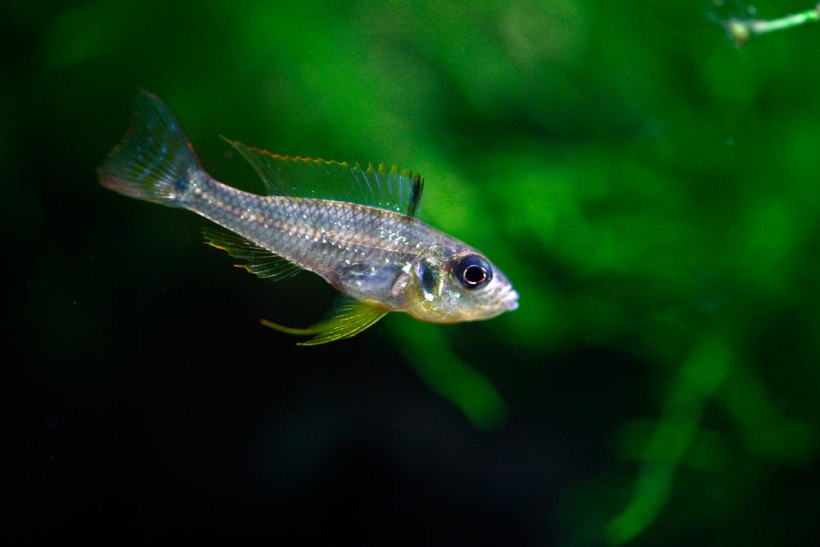
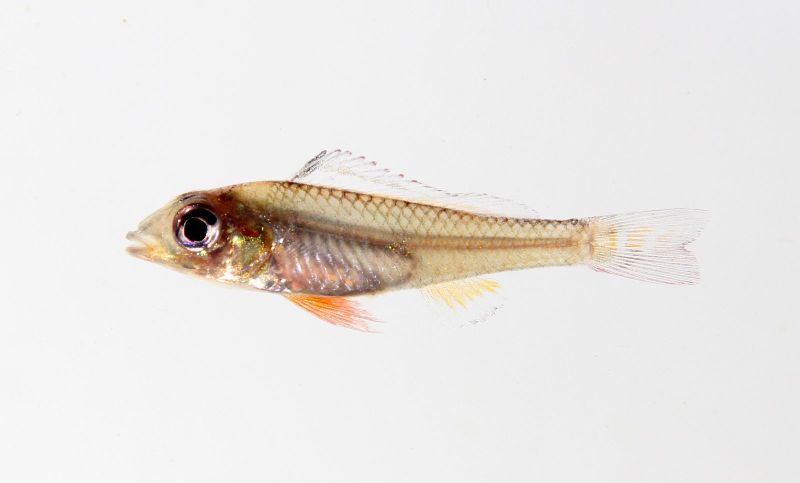
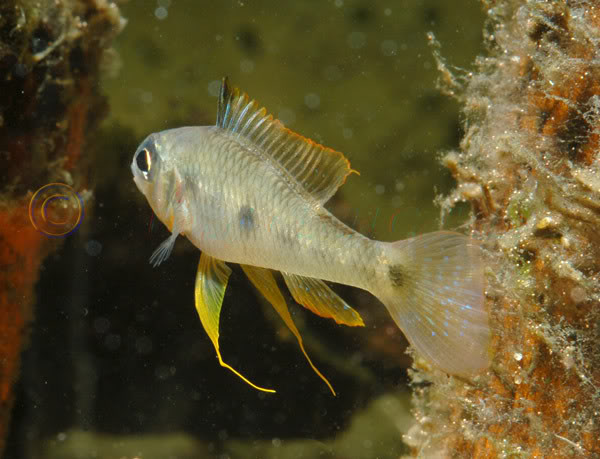
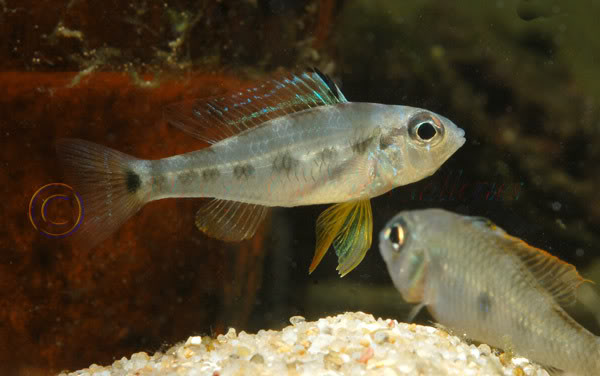
图片来自 SeriouslyFish,版权归各摄影者所有。
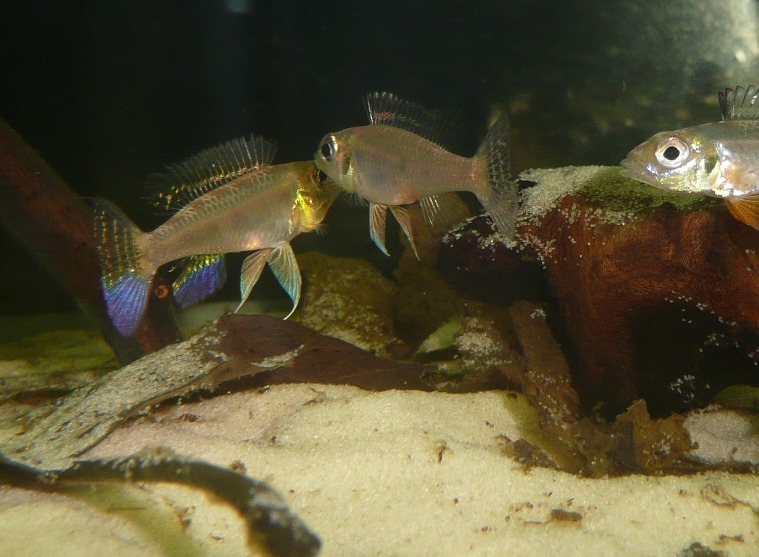
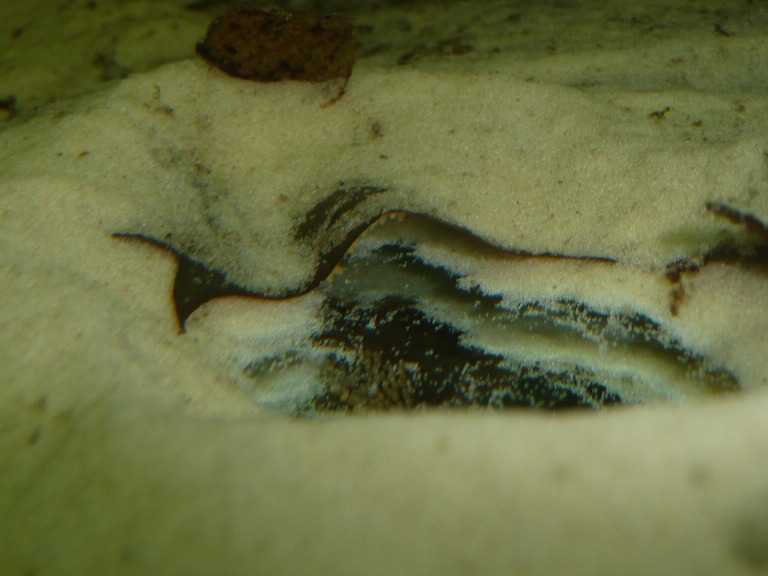
English
Overview
Small size does not eliminate the territorial space needs of Biotoecus opercularis. Several locality forms occur in trade, so keep origin labels and avoid mixing populations. An established, gently filtered aquarium is important for this water-quality-sensitive cichlid.
Distribution & habitat
Native records cover the middle Brazilian Amazon and several major tributaries. Shallow sandy areas with leaf patches and submerged wood are favored, usually in slow water tinted by decomposing material.
Aquarium setup
Plan at least a 90 by 30 cm footprint for a mixed-sex group. Sand, branches, caves and leaves provide territorial cover and spawning surfaces. Use subdued light and modest circulation. Introduce fish only after the system has matured. Small weekly changes around ten to fifteen percent are suggested for light stocking, alongside careful maintenance of stable water quality.
Diet & feeding
Wild stomach contents are dominated by tiny invertebrates. Small live or frozen foods suit the mouth size. Fine prepared foods may be accepted, but newly imported wild fish can refuse them initially.
Behaviour & compatibility
Keep a dedicated group or add only small reassuring companion fishes. Do not mix species or populations of the genus. Given sufficient space, males occupy small spawning-centered territories while nonbreeding females form loose groups.
Sexual dimorphism
Males are the smaller sex but develop more colorful, extended fins.
Breeding
Both parents participate in sheltered substrate spawning, often beneath leaves or inside small caves. Ripe females show pink abdominal color and bluish pelvic fins, while territorial males initiate courtship. Hatching usually takes three to five days. Larvae remain attached or are moved to a shallow pit until yolk absorption. Care continues for several weeks after swimming, sometimes with only limited male involvement. Mixed neighboring broods may receive shared protection.
Notes
Minor differences among traded populations do not by themselves demonstrate separate species.
来源
- https://www.seriouslyfish.com/species/biotoecus-opercularis(抓取于 2026-10-10)
biotoecus-opercularis · 文件: data/species/biotoecus-opercularis.md · 状态: 草稿