婆罗洲搏鱼
概要
| 字段 | 值 |
|---|---|
| 类别 | 鱼 |
| 学名 | Betta taeniata |
| 别名 | 婆羅洲搏魚 |
| 分类 | 攀鲈目 Anabantiformes › 丝足鲈科 Osphronemidae › Betta |
| 水体 | 淡水 |
| 原产地 | 印度尼西亚、马来西亚 |
| 成体体长 | 5.5 cm |
| 饲养难度 | 中等 |
| 最小水体 | 54 L |
| 最小缸长 | 60 cm |
| 群居方式 | 成对 |
| 水流偏好 | 低 |
| 外部数据 | seriouslyfish betta-taeniata;fishbase 12048 |
| 特征 | 会跳缸: 是 |
| 繁殖方式 | 口孵 |
水质参数
| 参数 | 耐受范围 | 最适范围 | 单位 |
|---|---|---|---|
| 水温 | 22–27 | — | °C |
| pH | 5–7 | — | — |
| 总硬度 | 0–5 | — | dGH |
概述
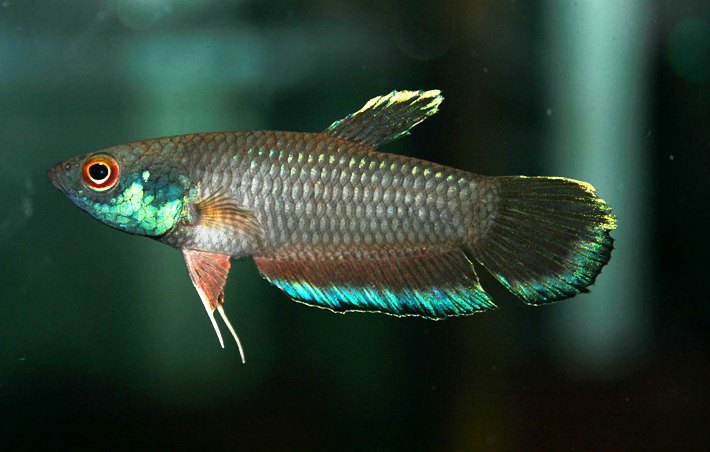
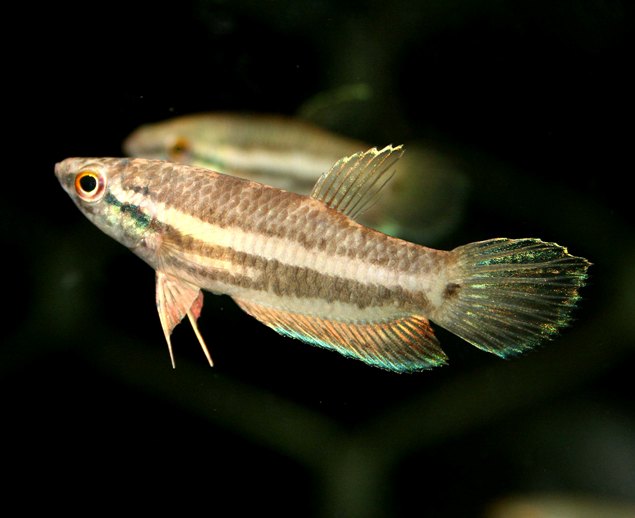
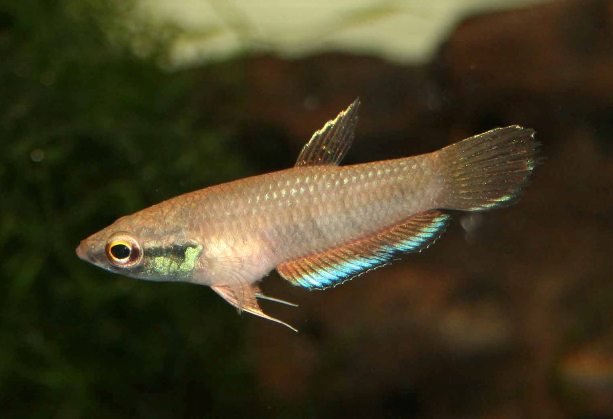
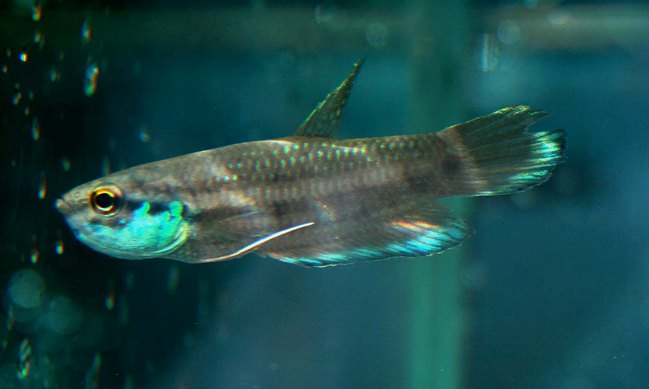
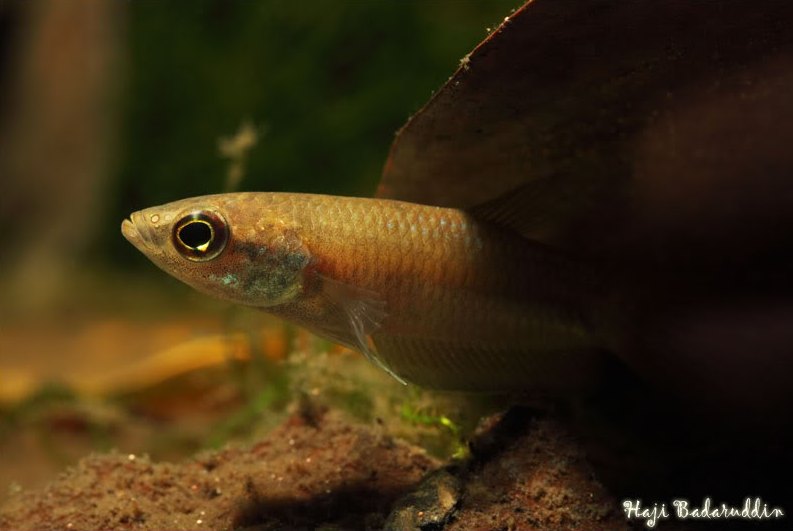
婆罗洲搏鱼(Betta taeniata)是雄鱼口孵的小型斗鱼,身体和鳍偏黄,头部较暗,雄鱼上半身可带蓝色虹彩。各产地种群常保留独立标签,饲养和繁殖时宜一并保存这些信息。
分布与栖息地
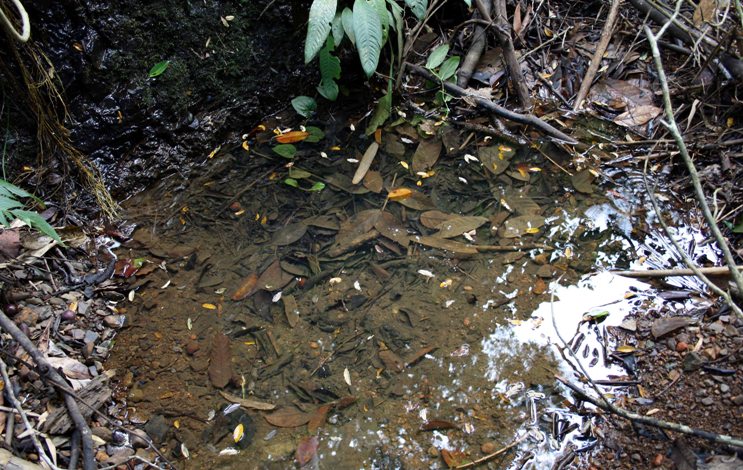
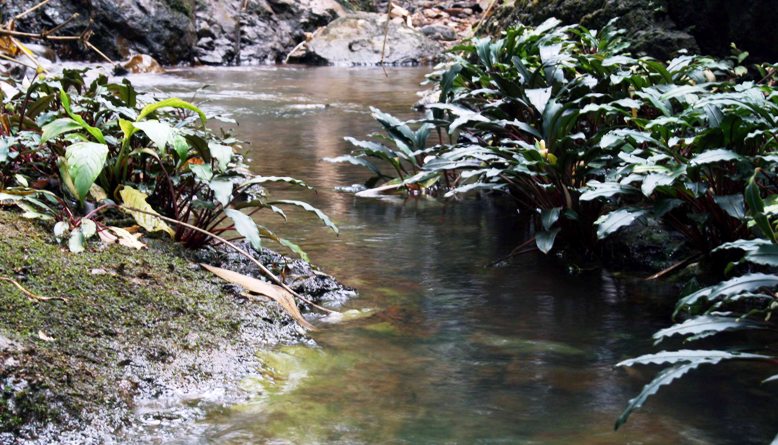
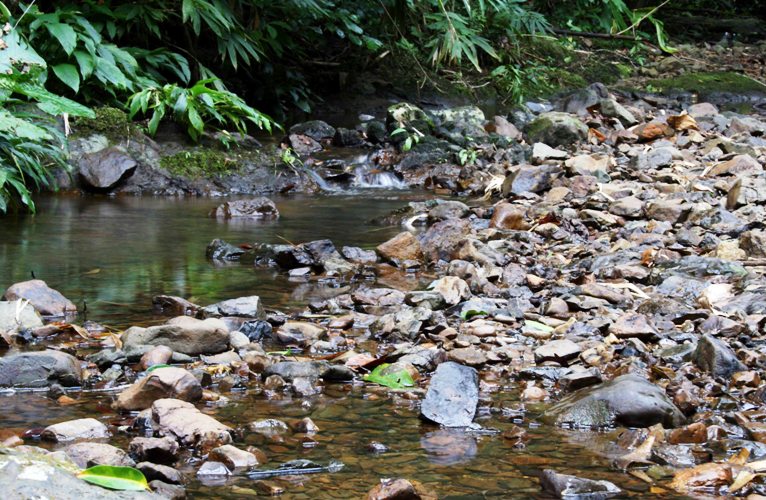
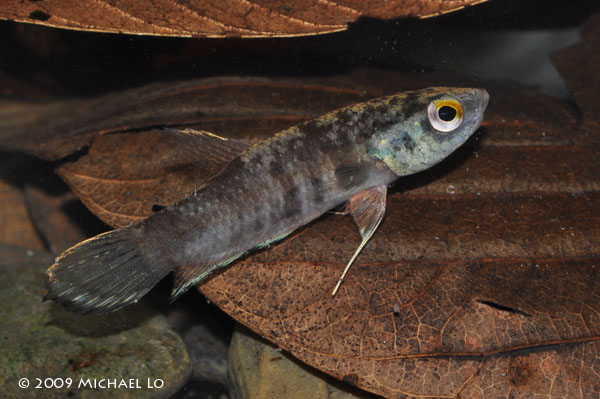
婆罗洲特有,记录来自马来西亚砂拉越南部及印度尼西亚西加里曼丹北部。通常出现在清澈山溪的安静岸边和静水潭,底部混有落叶、砾石及岩石;部分地点水略褐,砂拉越也有浑浊缓流溪的记录。
Serian 附近一个地点为石英砾石与大小岩石构成的清水急流,鱼仍选择较慢的岸边区域,藏在树根、落叶和悬垂植物间,而非一直停留在最强水流中。
饲养环境
一对或小群至少约 60 × 30 cm 底面积。用沉木、根枝、花盆和管道形成阴影及退避点,落叶能培养供鱼苗补充取食的微生物。光线偏暗,可配耐阴水草和浮水植物。
过滤保持轻缓,气动海绵过滤适用。加盖防跳,水面上方留湿润空气层供呼吸。
食性与喂食
自然食物可能是昆虫、小型无脊椎动物和浮游动物。人工通常可适应干粮,仍应常配水蚤、丰年虾、红虫等小型活饵或冻饵。注意防止过量导致肥胖。
习性与混养
单养通常优于常规混养。较大或过于活跃的同伴会造成紧张、竞争食物,混养应仅选择温和且需求相容的鱼。可成对或群体饲养。
雌雄区分
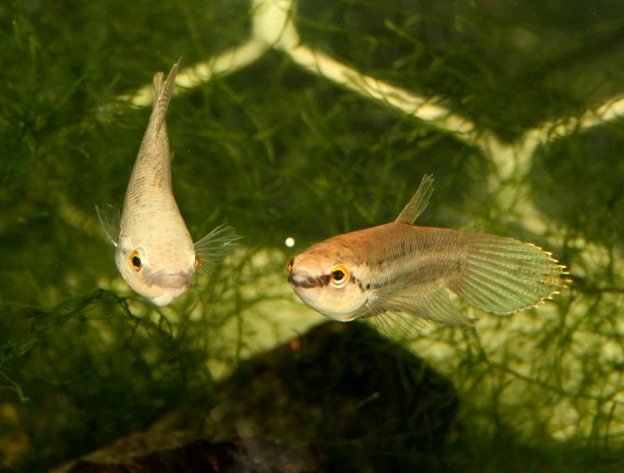
雄鱼较大、头部更宽,头部虹彩范围更大,鳍也更延长。
繁殖
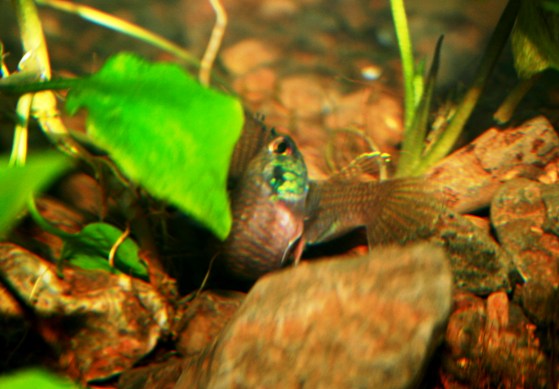
宜设独立繁殖缸,并用贴合缸盖保留温暖湿润空气,让鱼苗迷鳃器官发育。长时间求偶后双方环抱,可能先经历几次无卵动作。受精卵先由雄鱼臀鳍接住,雌鱼拾取再吐出,雄鱼从水中收入口内,反复完成产卵和交接。
含卵雄鱼受惊或经验不足时可能吞卵或提前吐卵,通常不急着移出雌鱼或原有同伴。口孵约 9~12 天后释放自由游动鱼苗,可另养或随亲鱼生活,有观察认为后者生长更快。
鱼苗可吃微虫和丰年虾无节幼体,每天约 2~3 次少量多样投喂,避免大量单一喂丰年虾。少量、规律换水有助维持稳定。
补充说明
Sri Aman、Serian、Kapuas 等标签对应不同采集种群,保留标签有助于防止混淆血系。迷鳃器官让本种能辅助呼吸空气。
图片
图片来自 SeriouslyFish,版权归各摄影者所有。
English
Overview
Yellowish body and fins, a darker head, and blue upper-body iridescence in males characterize Betta taeniata. This small paternal mouthbrooder is often maintained with locality labels, which should remain attached to breeding records.
Distribution & habitat
Endemic to Borneo, it occurs in southern Sarawak, Malaysia, and northern West Kalimantan, Indonesia. It usually uses quiet margins and pools in clear hill streams over leaves, gravel, and rocks. Some sites are lightly brown, and occasional records come from slower, turbid Sarawak streams.
At one Serian locality, the main stream flowed rapidly over quartz gravel and rocks, but fish occupied calmer areas among roots, leaf accumulations, and overhanging vegetation.
Aquarium setup
A minimum footprint around 60 × 30 cm suits a pair or small group. Roots, branches, pots, and tubes provide shaded retreats. Leaves support microorganisms useful as supplementary fry food. Use subdued lighting with shade-tolerant plants and floating cover.
Gentle sponge filtration is appropriate. Fit a secure lid against jumping and leave humid air above the surface for breathing.
Diet & feeding
Insects, small invertebrates, and zooplankton are likely wild prey. Captive fish generally recognize dry foods after acclimation, with frequent live or frozen Daphnia, Artemia, and bloodworms providing variety. Avoid excessive intake.
Behaviour & compatibility
Dedicated keeping is preferable to an ordinary community. Larger or more active companions can cause intimidation and feeding competition. Any tankmates should be mild and environmentally compatible. Pairs and groups can be maintained.
Sexual dimorphism
Males become larger, broader-headed, and more extensively iridescent around the head, with greater fin extension.
Breeding
Use a separate aquarium where possible, with a close-fitting lid retaining warm, moist air for labyrinth development. Prolonged courtship may include several unsuccessful embraces. Fertilized eggs are supported by the male's anal fin, taken by the female, and spat into the water for him to gather. Repetition transfers the whole clutch to his mouth.
A disturbed or inexperienced male can swallow the brood or release it early, so leaving existing companions and the female undisturbed is generally preferable. After approximately 9–12 days, free-swimming young emerge. They may be raised separately or with the adults, and some accounts describe faster growth alongside parents.
Feed small, varied portions of microworms and Artemia nauplii two or three times a day. Avoid excessive dependence on Artemia and maintain regular small water changes.
Notes
Labels such as Sri Aman, Serian, and Kapuas identify collection populations and help preserve separate lines. The labyrinth organ provides supplementary access to atmospheric oxygen.
来源
- https://www.seriouslyfish.com/species/betta-taeniata(抓取于 2026-10-10)
betta-taeniata · 文件: data/species/betta-taeniata.md · 状态: 草稿