Betta stigmosa
概要
| 字段 | 值 |
|---|---|
| 类别 | 鱼 |
| 学名 | Betta stigmosa |
| 分类 | 攀鲈目 Anabantiformes › 丝足鲈科 Osphronemidae › Betta |
| 水体 | 淡水 |
| 原产地 | 马来西亚 |
| 成体体长 | 5 cm |
| 饲养难度 | 中等 |
| 最小水体 | 54 L |
| 最小缸长 | 60 cm |
| 群居方式 | 成对 |
| 水流偏好 | 低 |
| 外部数据 | seriouslyfish betta-stigmosa;fishbase 62600 |
| 繁殖方式 | 口孵 |
| 特征 | 会跳缸: 是 |
水质参数
| 参数 | 耐受范围 | 最适范围 | 单位 |
|---|---|---|---|
| 水温 | 22–28 | — | °C |
| pH | 5–7 | — | — |
| 总硬度 | 0–5 | — | dGH |
概述
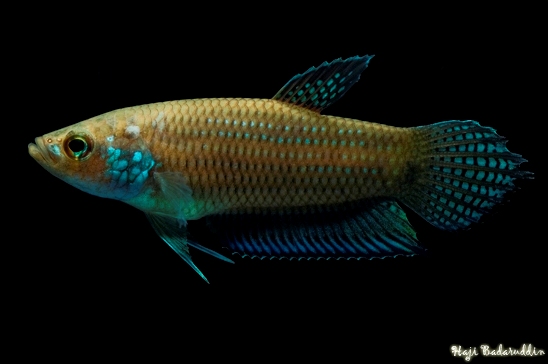
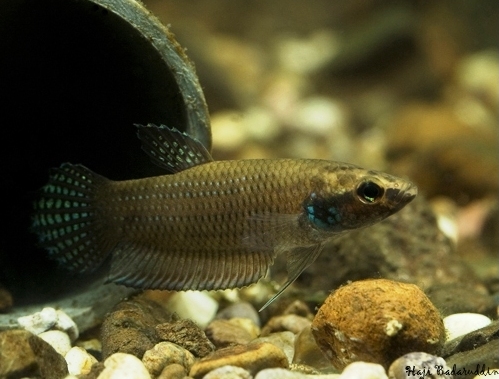
Betta stigmosa 是马来半岛登嘉楼森林溪流中的口孵斗鱼。两性的背鳍、臀鳍和尾鳍都有横带,是识别重点。它需要安静、遮蔽丰富的环境,育幼由雄鱼口孵完成。
分布与栖息地
模式标本采自瓜拉伯浪附近、流向 Sekayu 瀑布的山溪。最初记录集中在当地森林,后来也在约 150 km 以南发现,因此不宜把它视作只分布于单个瀑布的小范围鱼。
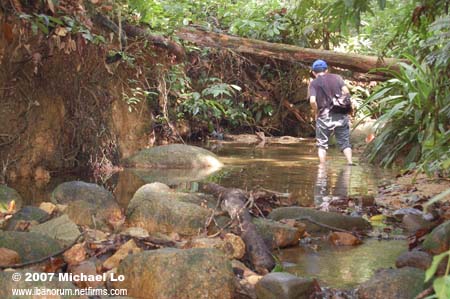
栖地为清澈流动的森林丘陵溪流,岸边植被浓密,底质有岩石、砾石、落叶、枝条及树根。它可能像近亲一样偏好较平缓岸缘,但这是对使用微栖地的推测,不等于要求缸内强流。
饲养环境
一对或小群至少约 60 × 30 cm 底面积。用沉木、根枝、陶罐或短管设置多个阴影与藏身处;繁殖缸可采用易清理的裸底。干叶增加掩护,分解时附生的微生物也可补充仔鱼食物。
弱光、耐阴水草及浮水遮蔽较适合。轻柔海绵过滤即可,盖板要严密,水不要加到顶,以保留温暖湿润空气供呼吸并防跳。
食性与喂食
野外可能捕食昆虫和其他小型无脊椎动物。人工饲养通常可逐渐接受干粮,仍应定期提供水蚤、丰年虾、红虫等小型活饵或冻饵。小昆虫投喂前可先喂鱼粮或植物性食物。注意份量,避免肥胖。
习性与混养
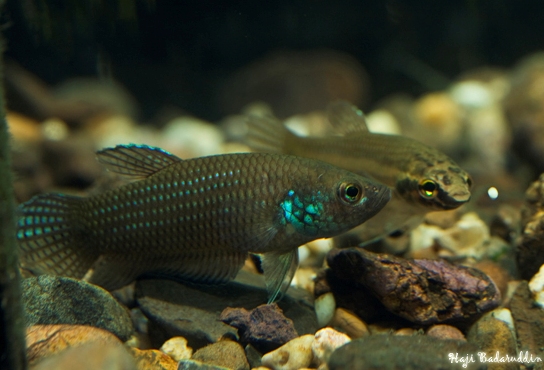
更适合单种或非常安静的混养,较大或争食强的伙伴可能使它受压。成对和群养都可行,群养时要有足够遮蔽和退避空间。
雌雄区分
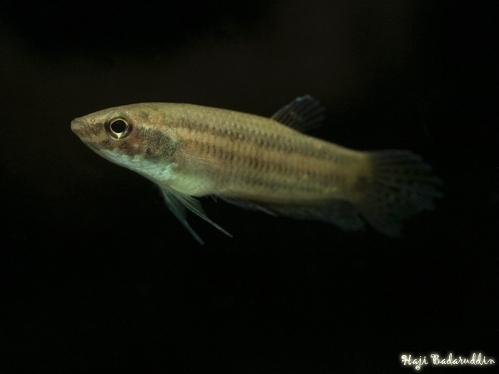
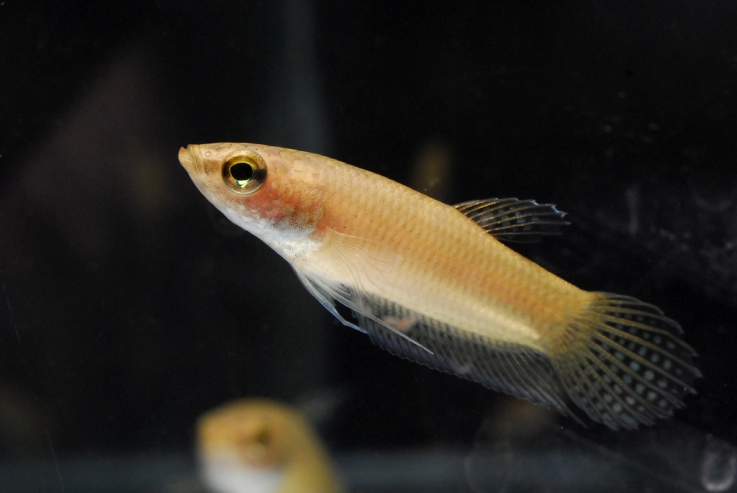
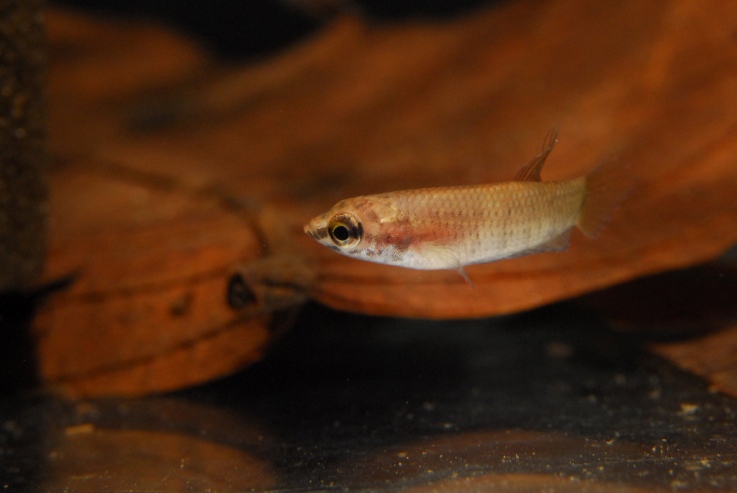
雄鱼较大、头更宽,头部虹彩鳞较多,鳍条也更延长。
繁殖
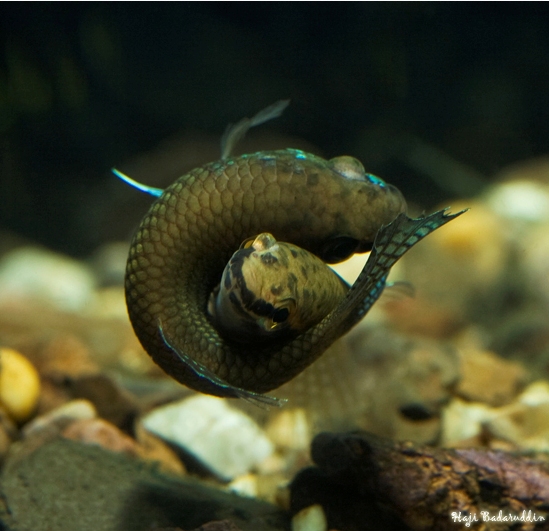
雄性口孵,繁殖环境应安静且严密加盖,为仔鱼维持温暖湿润的空气层。求偶后亲鱼拥抱产卵,可能先有数次不排卵的拥抱。雌鱼拾起受精卵,再吐给雄鱼接入口中,反复至一窝完成。
雄鱼受惊或经验不足时可能吞卵或提前吐仔,因此不宜突然捞走原来同缸的雌鱼或其他鱼。含养约 9–16 天后释放自由游动幼鱼,可转移育成,也可留亲鱼身边,但后一方式可能损失部分后代。
幼鱼可立即吃微虫或丰年虾无节幼体,每日 2–3 次少量多样投喂,避免过量依赖丰年虾。换水以规律少量为宜,不要间隔很久后一次大幅更换。
补充说明
背鳍、尾鳍的横带由偏蓝与偏黑交替组成,臀鳍横带为黑色且有深色外缘;鳃盖上还有中断的第二条眼后纹。它通常被置于 pugnax 近缘组,但不同研究对组内范围的划分并非完全一致。
图片
图片来自 SeriouslyFish,版权归各摄影者所有。
English
Overview
Betta stigmosa is a mouthbrooding fish of forest streams in Terengganu, Peninsular Malaysia. Bars across the dorsal, anal, and tail fins occur in both sexes and aid identification. Quiet surroundings and ample cover support its maintenance and male-led brood care.
Distribution & habitat
Type specimens came from a stream feeding the Sekayu waterfalls near Kuala Berang. Later records about 150 km farther south show that its range is not confined to one waterfall locality.
Clear flowing hill streams are shaded by dense vegetation and contain rock, gravel, leaves, branches, and roots. Use of quieter margins is plausible by comparison with relatives, rather than a confirmed preference at every site. Flowing habitat does not require forceful aquarium currents.
Aquarium setup
Allow a footprint around 60 × 30 cm for a pair or small group. Wood, roots, pots, and pipes provide shaded retreats. Bare-bottom breeding arrangements are possible for easier cleaning. Dried leaves add shelter and microorganisms useful as supplementary fry food.
Use subdued lighting, shade-tolerant plants, and floating cover. Gentle sponge filtration is adequate. Keep the lid secure and leave a humid air layer above the water for breathing while preventing escape.
Diet & feeding
Small insects and other invertebrates are probable natural foods. Captive fish usually learn to accept dry preparations, supplemented regularly with small live or frozen Daphnia, brine shrimp, and bloodworms. Feed insects appropriately before offering them and control portions to avoid obesity.
Behaviour & compatibility
A species aquarium or very quiet community is preferable. Larger or vigorous competitors can intimidate it. Pairs and groups are possible, with adequate cover and retreat space.
Sexual dimorphism
Males grow larger and broader-headed, carry more iridescent head scales, and develop longer fins.
Breeding
Males mouthbrood. A quiet breeding aquarium with a close-fitting cover maintains the warm humid air required by developing fry. Courtship leads to embraces, sometimes initially without eggs. The female gathers fertilized eggs and spits them toward the male for collection, repeating until the brood is complete.
Disturbance or inexperience can cause egg consumption or early release. Avoid abruptly removing the female or established companions during incubation. After about nine to sixteen days, the male releases swimming young. Separate rearing is possible; leaving them with parents may result in some losses.
Fry immediately take microworms or brine shrimp nauplii. Offer varied small meals two or three times daily without excessive reliance on brine shrimp. Frequent modest water changes are preferable to delayed large changes.
Notes
Blue and dark bars alternate across the dorsal and tail fins, while the anal fin has dark bars and edging. An interrupted second stripe behind the eye crosses the gill cover. It is generally placed in the pugnax group, though the boundaries of that grouping differ between studies.
来源
- https://www.seriouslyfish.com/species/betta-stigmosa(抓取于 2026-10-10)
betta-stigmosa · 文件: data/species/betta-stigmosa.md · 状态: 草稿