泰国斗鱼 · Siamese Fighting Fish
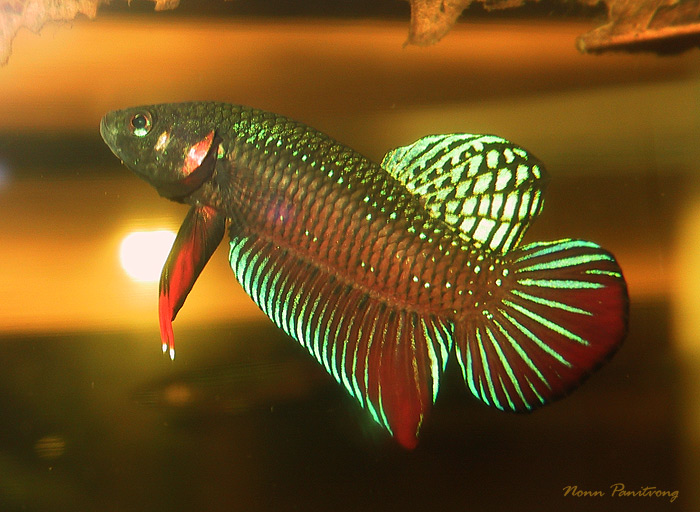
概要
| 字段 | 值 |
|---|---|
| 类别 | 鱼 |
| 学名 | Betta splendens |
| 别名 | 五彩搏鱼、五彩搏魚、Micracanthus marchei、Betta splendens var. abbreviata、暹罗斗鱼 |
| 分类 | 攀鲈目 Anabantiformes › 丝足鲈科 Osphronemidae › Betta |
| 水体 | 淡水 |
| 原产地 | 泰国 |
| 成体体长 | 7 cm |
| 饲养难度 | 中等 |
| 最小水体 | 41 L |
| 最小缸长 | 45 cm |
| 群居方式 | 成对 |
| 水流偏好 | 低 |
| 外部数据 | seriouslyfish betta-splendens;fishbase 4768 |
| 性情 | 攻击性 |
| 繁殖方式 | 吐泡筑巢 |
| 特征 | 会跳缸: 是 |
水质参数
| 参数 | 耐受范围 | 最适范围 | 单位 |
|---|---|---|---|
| 水温 | 22–30 | — | °C |
| pH | 6–8 | — | — |
| 总硬度 | 1–15 | — | dGH |
概述
泰国斗鱼(Betta splendens)具有辅助呼吸的迷鳃器官,能够利用水面空气。常见商品鱼多为人工选育品系,鳍形、颜色和质量差异很大;通常以单养更合适,不宜默认它能适应普通混养缸。
分布与栖息地
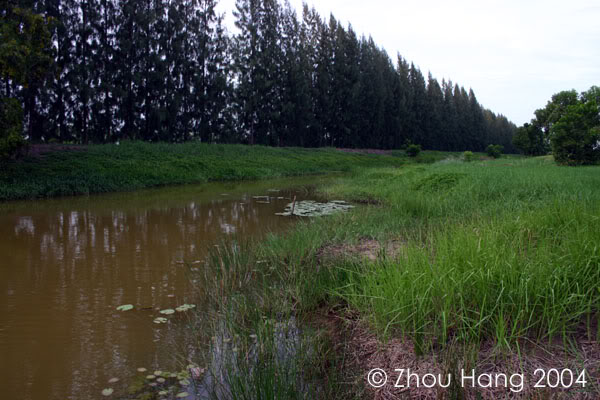
自然分布在泰国,从北部到马来半岛北端一带有记录,其他一些地区的记录涉及近似种或引入种群。原生环境包括稻田、沼泽、水沟和池塘等静水或缓流地带,往往有浓密植被,也可能溶氧偏低。
饲养环境
用水草、沉木、浮水植物及躲藏处形成阴暗、有遮蔽的空间。过滤水流应轻柔,气动海绵过滤即可发挥作用。鱼缸要加盖,但水面与盖之间应保留空气层,让鱼能接触温暖湿润的空气;它也很善于跳跃。不要用极小的罐子作为常规饲养空间。
食性与喂食
野外可能捕食水生和陆生小型无脊椎动物。适应后通常能接受人工饲料,宜经常搭配水蚤、丰年虾、红虫等小型活饵或冷冻饵料。避免过量投喂,这类鱼容易出现肥胖问题。
习性与混养
观赏品系攻击性较强,多数情况下每缸只养一条,雌雄平时也应分开,繁殖时再配对。少数个体能容忍其他鱼,不代表混养普遍可行。体形相似或带飘逸长鳍的缸友可能被雄鱼视作对手。
雌雄区分
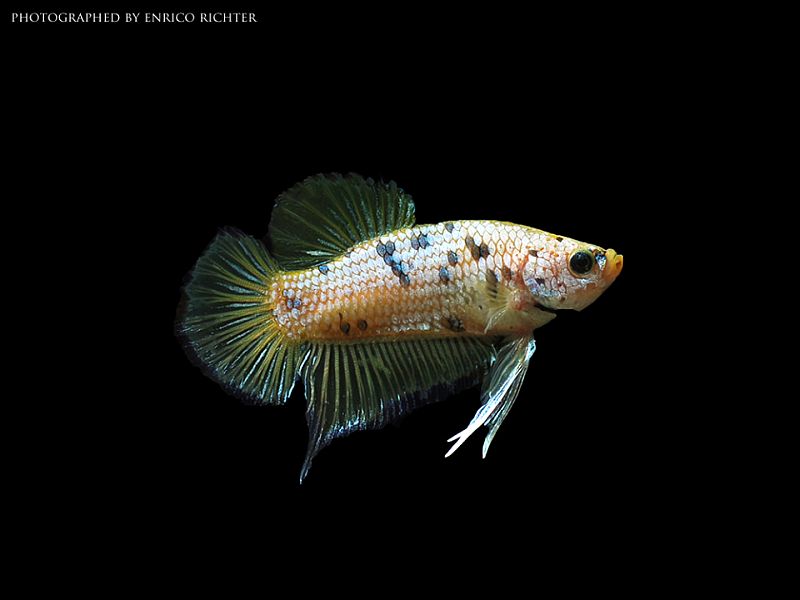
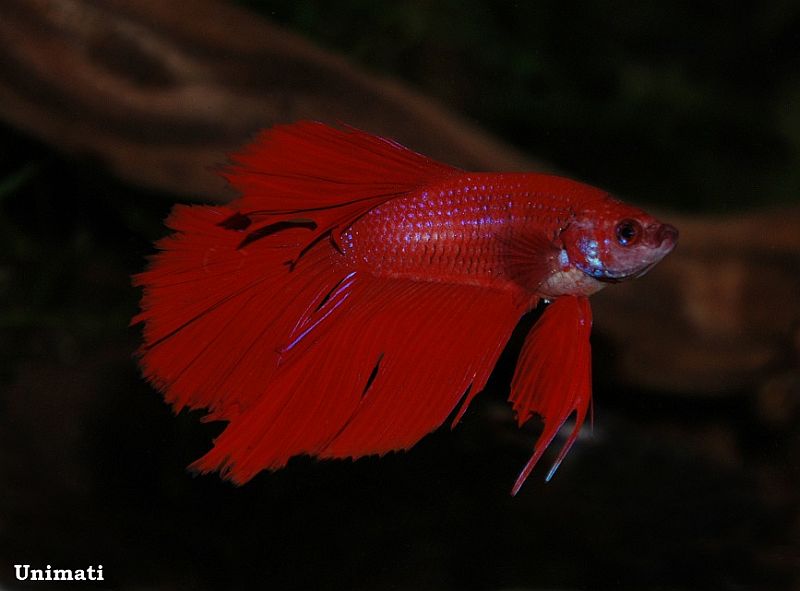
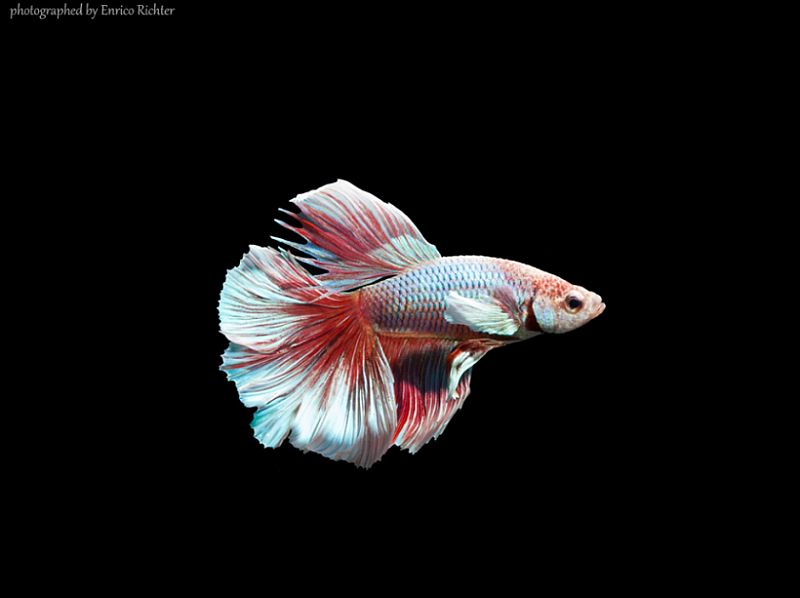
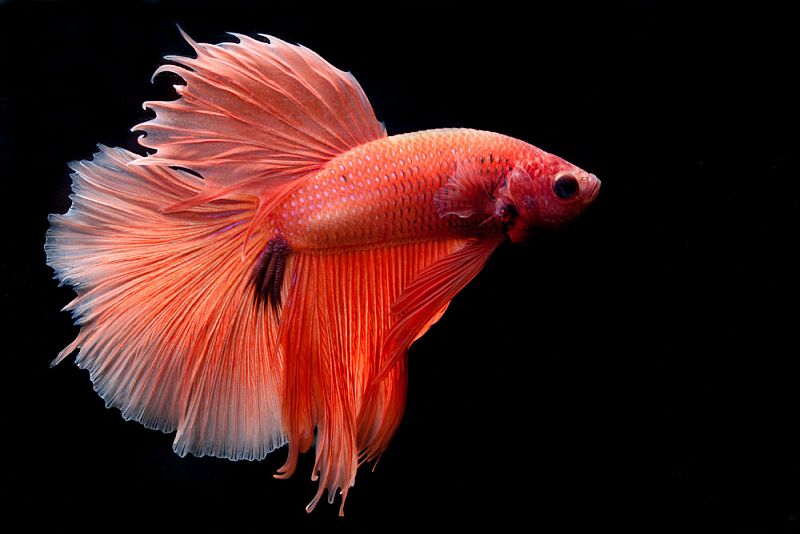
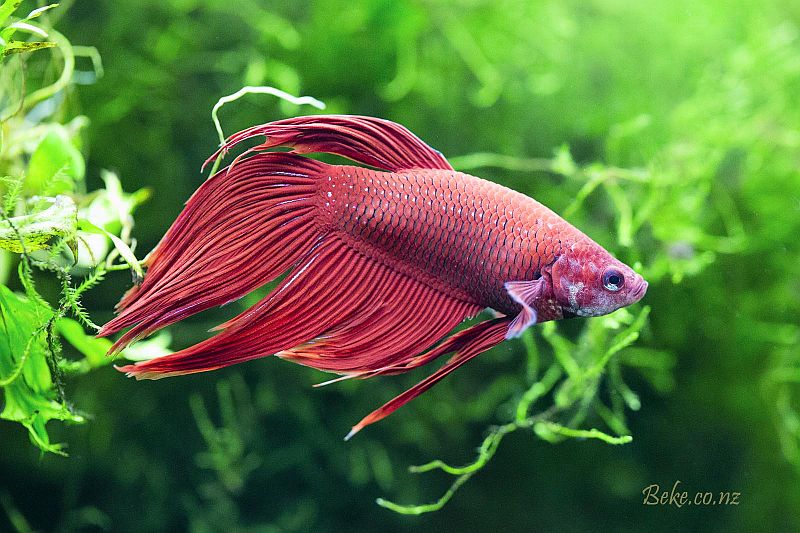
雄鱼通常颜色更鲜明、鳍更长,但短鳍观赏品系也有雄鱼,不能只凭鳍短就认作雌鱼。
繁殖
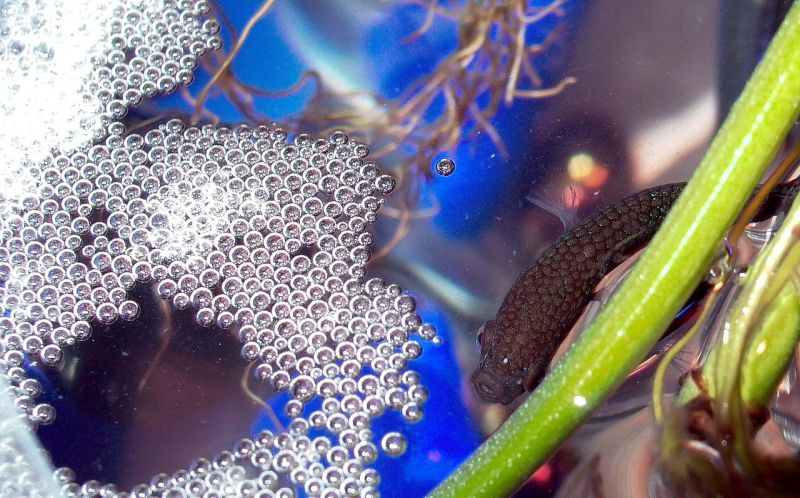
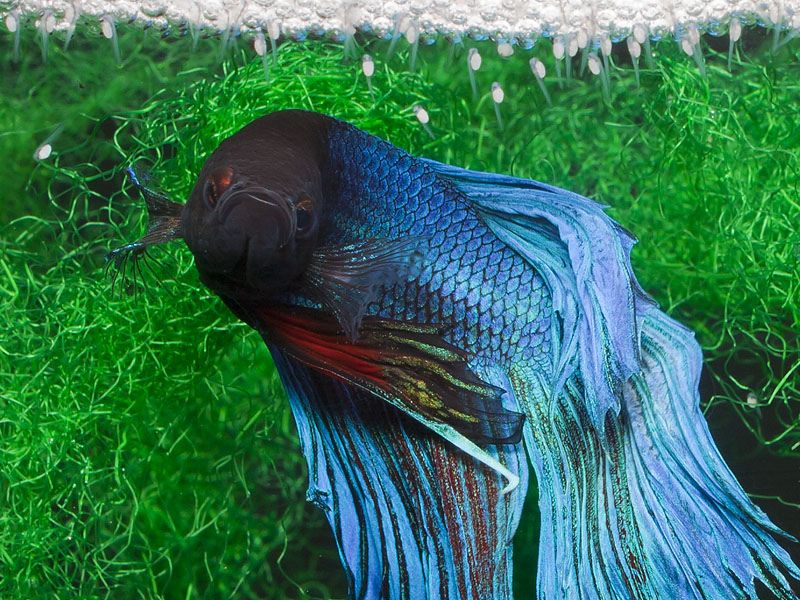
雄鱼筑泡巢,巢可能依托浮水植物、宽叶或人工遮蔽物。繁殖缸要为雌鱼留足躲藏空间,并保持水面上方空气温暖湿润,这对鱼苗迷鳃器官的发育尤其重要。
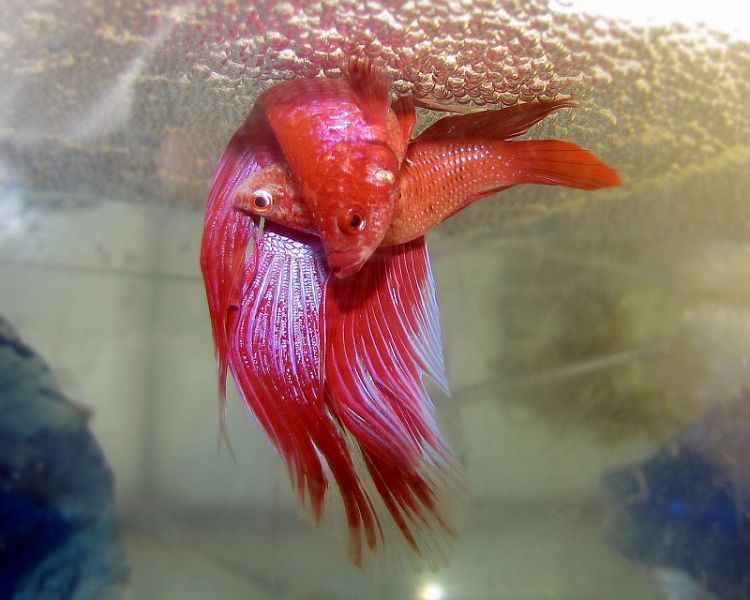
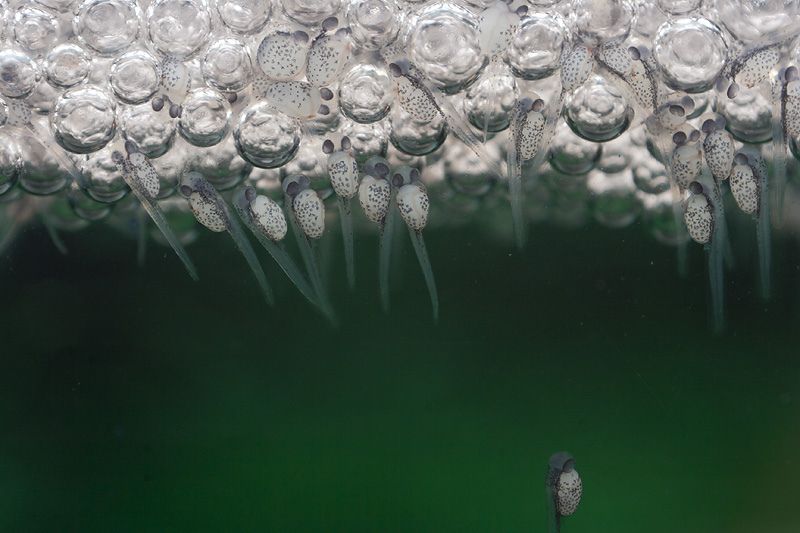
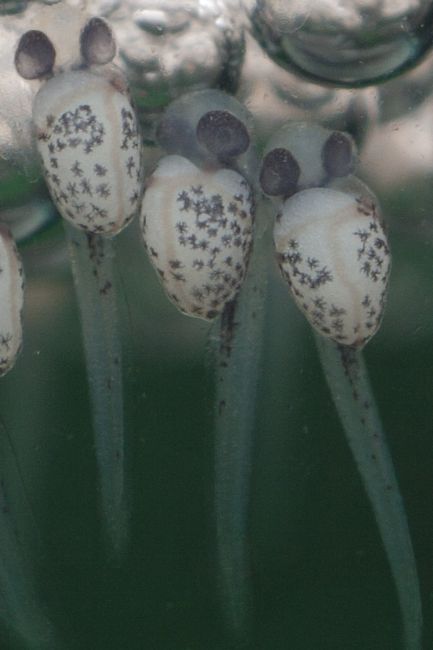
配对鱼在巢下抱对产卵,雄鱼把卵送回泡巢并承担主要照护。卵约经 24~48 小时孵化,仔鱼再停留 3~4 天,吸收卵黄后开始自由游动,此后雄鱼通常不再照料。
鱼苗初期需要纤毛虫级别的微小食物,之后可接微虫及丰年虾无节幼体。有报告称幼鱼大量摄食后者可能出现健康问题,因此不宜只依赖一种食物。换水宜少量、规律进行。
补充说明
野生型在观赏鱼市场并不常见。不同人工品系存在杂交背景,部分批量生产个体可能有遗传缺陷或其他健康问题,挑选可靠繁殖者的健康鱼,比单纯追求颜色或鳍形更有意义。
图片
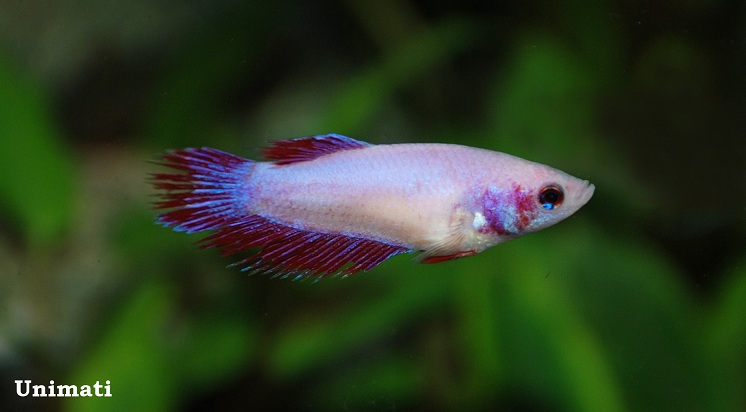
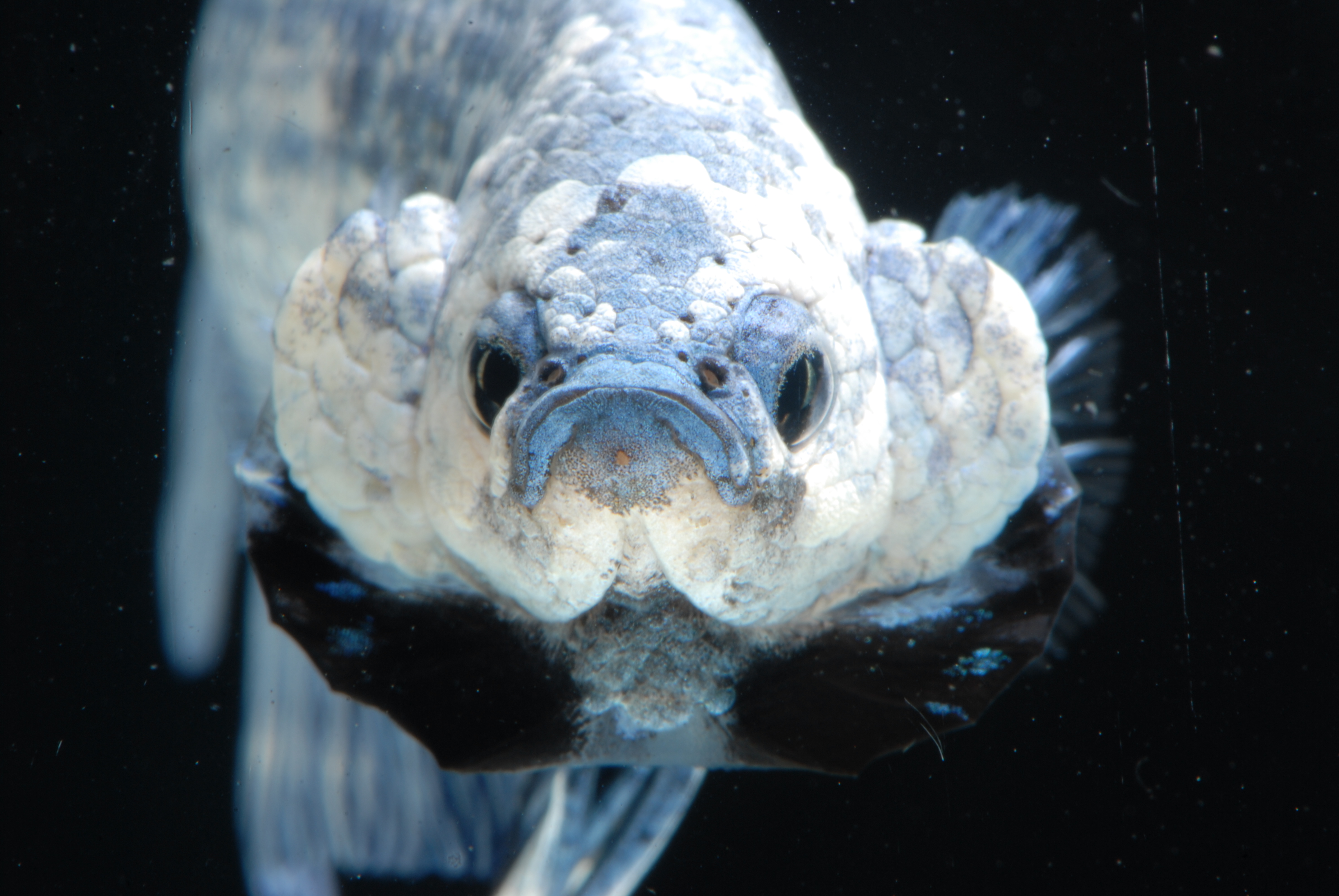
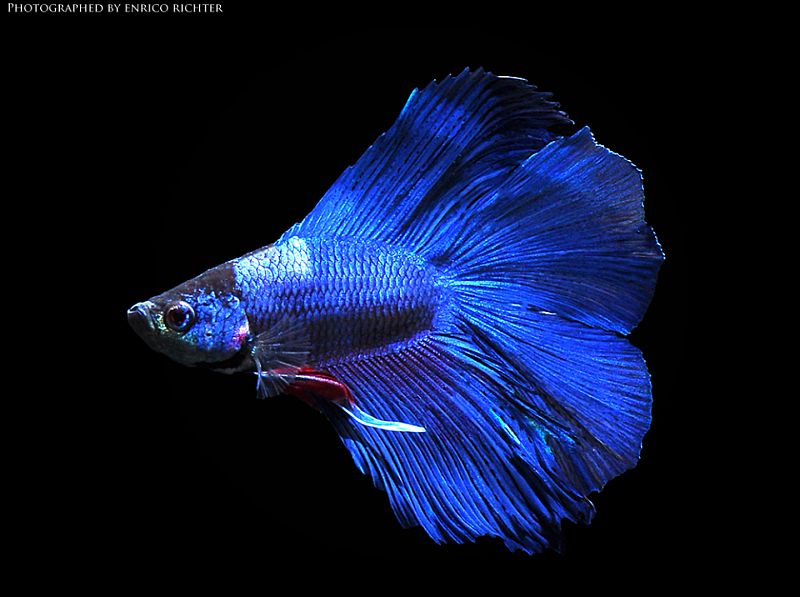
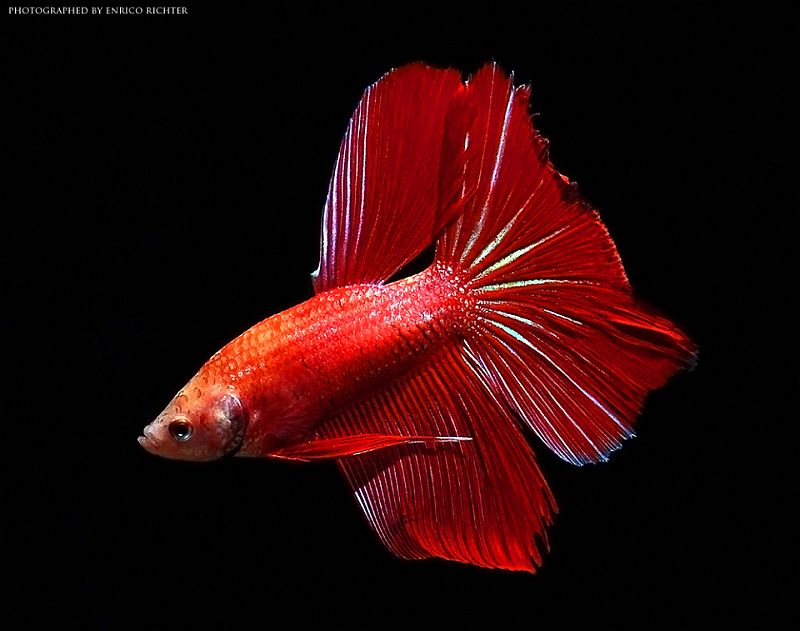
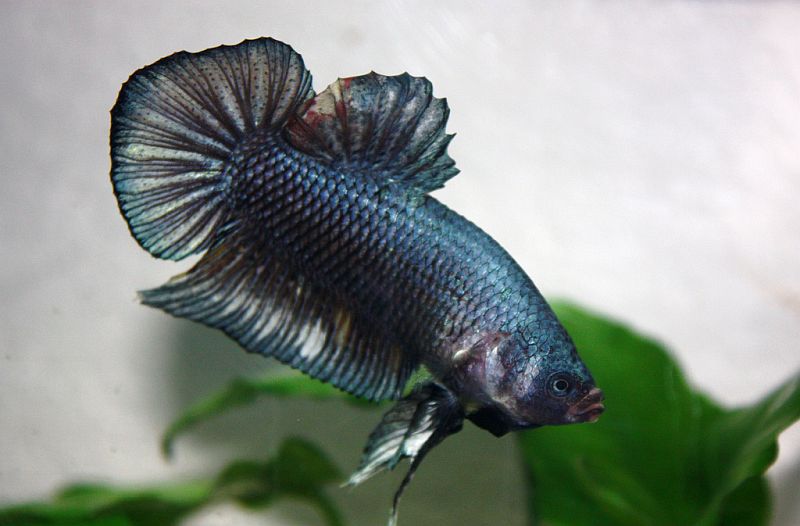
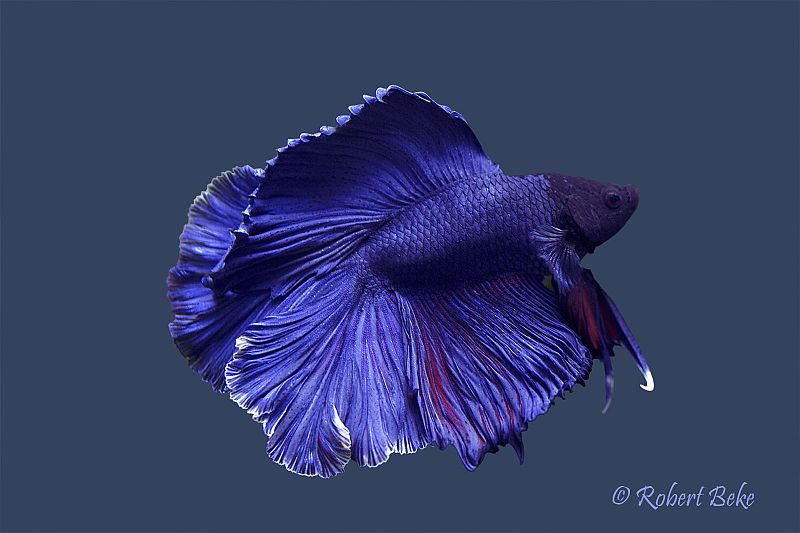
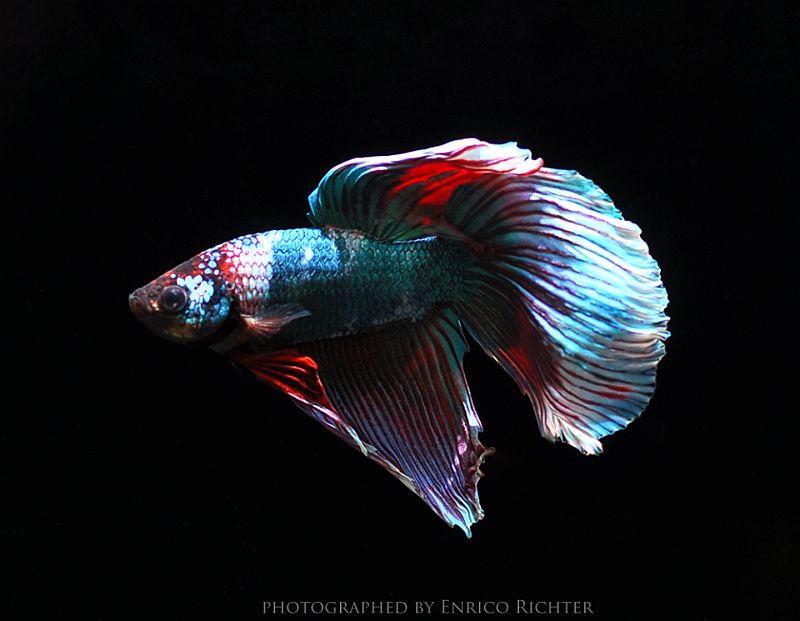
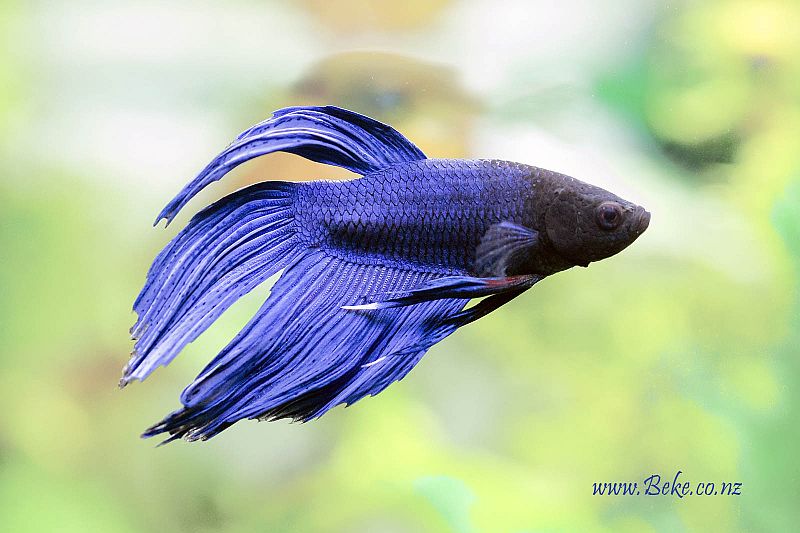
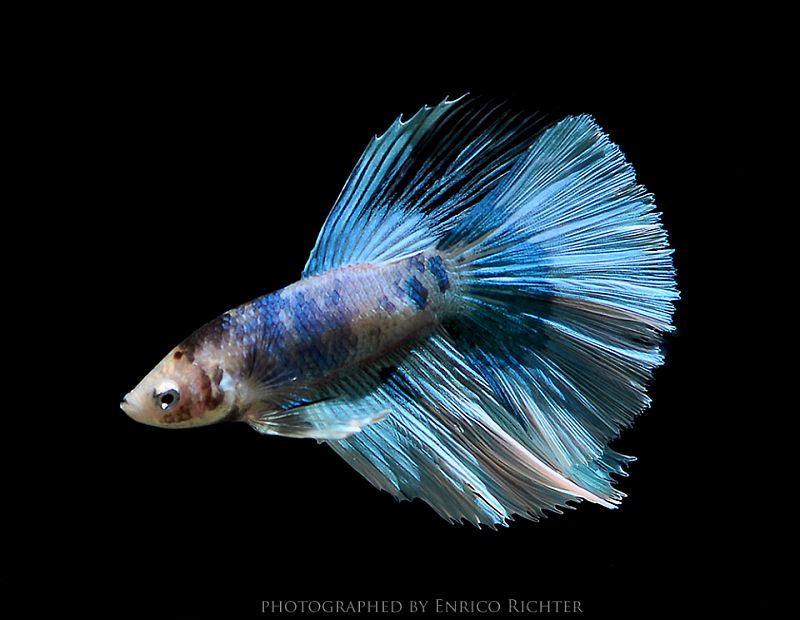
图片来自 SeriouslyFish,版权归各摄影者所有。
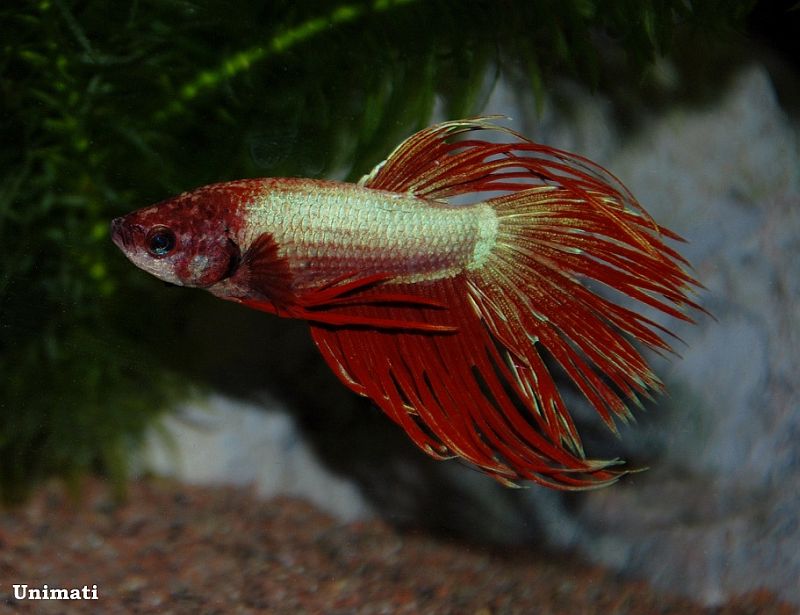
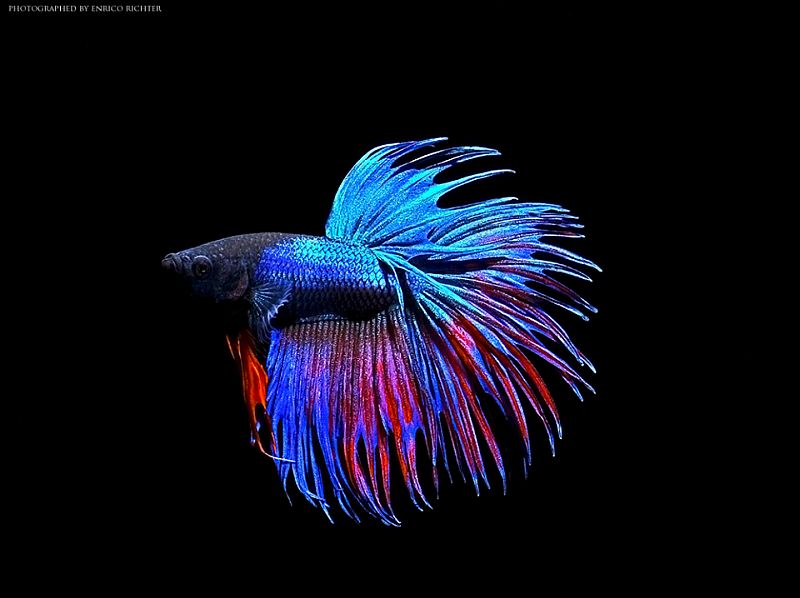
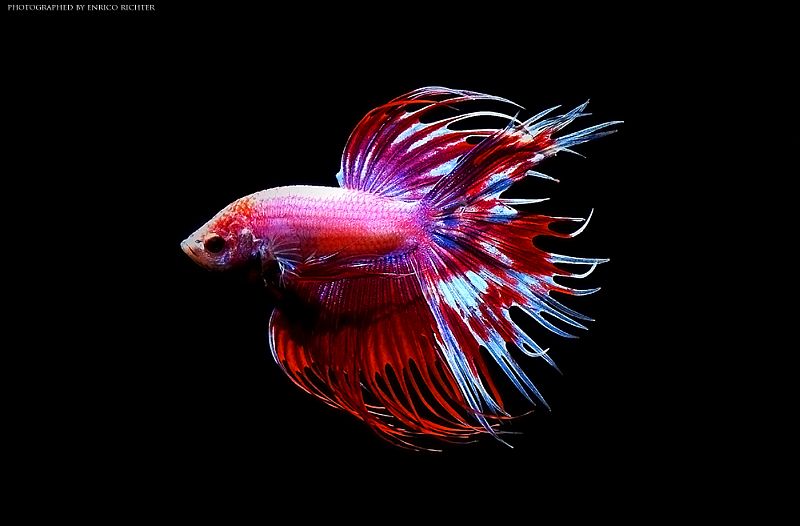
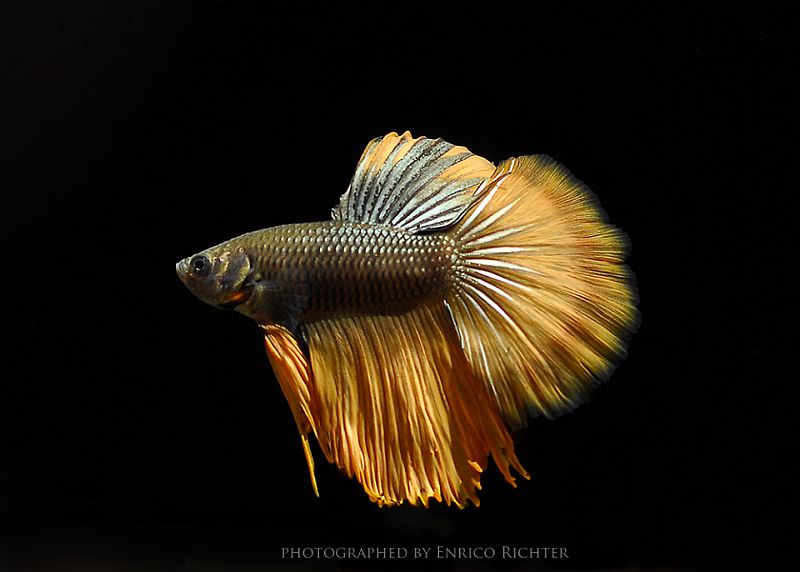
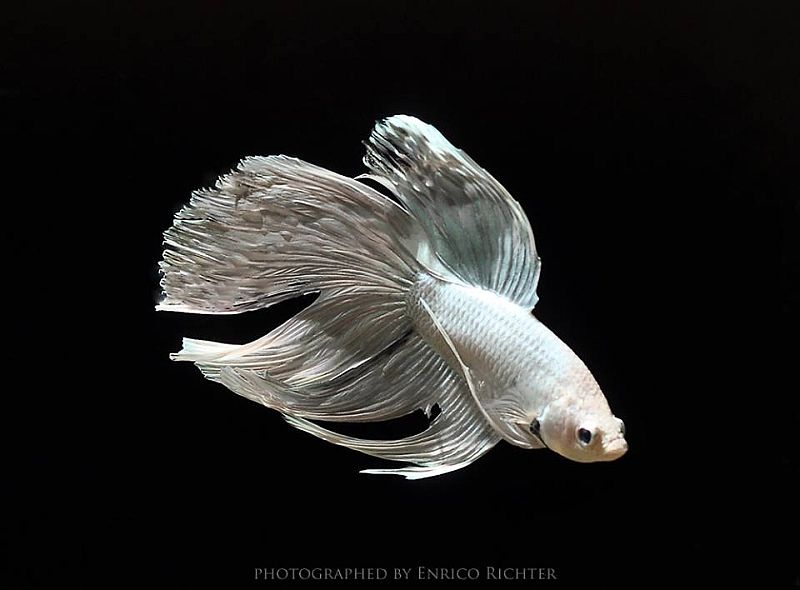
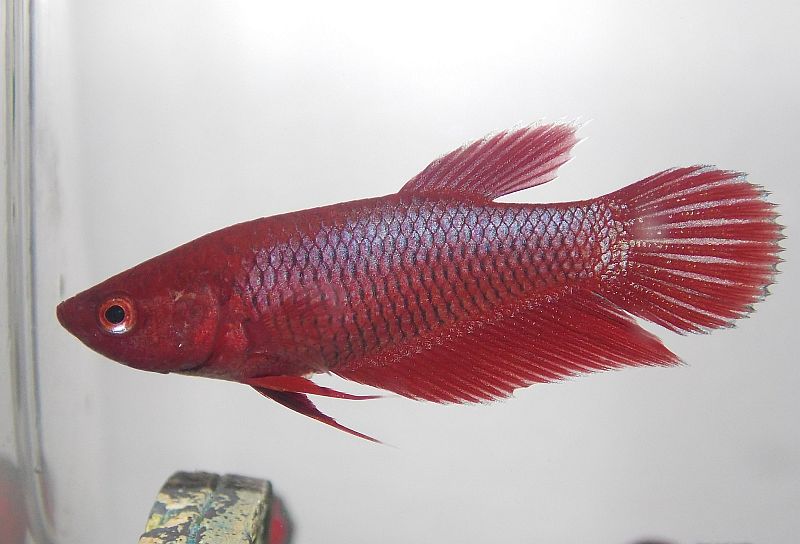
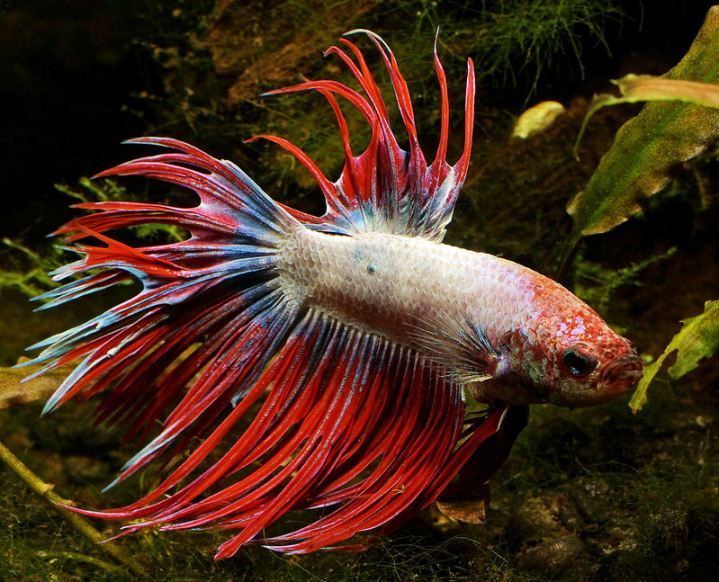
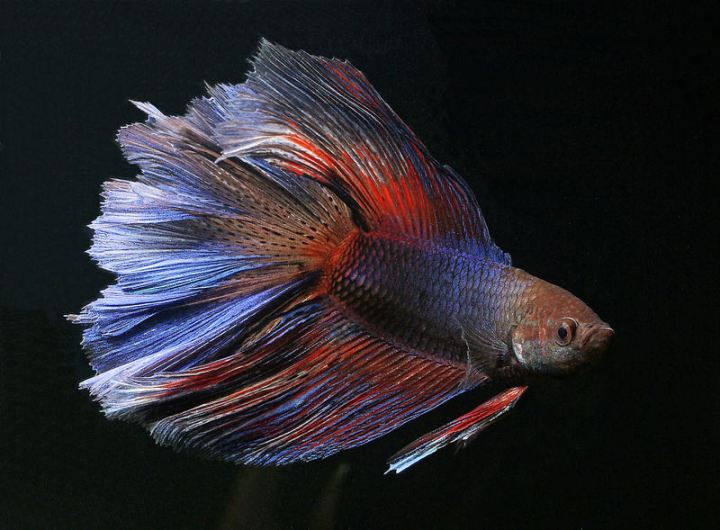
English
Overview
The fighting fish, Betta splendens, can supplement gill respiration with atmospheric air through its labyrinth organ. Ornamental forms vary enormously in appearance and quality. A solitary setup is generally the most appropriate starting point for their care.
Distribution & habitat
Native records span Thailand from northern areas toward the upper Malay Peninsula. Some reports outside this range involve related species or introductions. Rice fields, swamps, ponds, and drainage channels provide still or sluggish water, often sheltered by vegetation and sometimes low in oxygen.
Aquarium setup
Build cover with plants, wood, floating vegetation, and small retreats. Keep filtration gentle; a softly running air-driven sponge is suitable. A secure lid discourages escape, while a gap above the water preserves access to humid air. These fish jump well. Tiny display jars do not provide an appropriate permanent home.
Diet & feeding
Small aquatic and terrestrial invertebrates are thought to form the wild diet. Prepared foods are often accepted after recognition, but regular live or frozen meals help maintain condition. Appropriate options include water fleas, brine shrimp, and bloodworms. Avoid excessive portions because obesity can be a problem.
Behaviour & compatibility
Ornamental strains can be intensely aggressive. Usually a single individual should occupy the aquarium, with the sexes housed separately outside breeding attempts. Occasional tolerance of tankmates is not a reliable expectation. Fish with similar outlines or trailing fins may trigger rival-directed attacks.
Sexual dimorphism
Males generally show stronger coloration and longer fins. Short-finned males also exist, so fin length alone does not reliably identify a female.
Breeding
The male assembles a bubble nest beneath cover or among surface plants. Give the female abundant hiding places. A closely fitting cover helps preserve the warm, damp air needed by developing fry.
Spawning embraces take place below the nest. The male gathers eggs and then carries out most nest care. Hatching usually occurs after 24–48 hours, with larvae remaining at the nest for another three to four days while using their yolk. Care normally ends once they swim independently.
Begin with microscopic prey, then introduce microworms and brine shrimp nauplii. Reports link excessive nauplius feeding with health problems in young bettas, so avoid depending on that food alone. Use frequent small water changes during rearing.
Notes
Wild-type fish are unusual in the trade. Selective breeding and hybridization have generated many ornamental forms, and some mass-produced lines show defects or poor health. A dependable breeder and visibly sound stock matter more than an unusual color or elaborate fins.
来源
- https://www.seriouslyfish.com/species/betta-splendens(抓取于 2026-10-10)
betta-splendens · 文件: data/species/betta-splendens.md · 状态: 草稿