塘搏鱼
概要
| 字段 | 值 |
|---|---|
| 类别 | 鱼 |
| 学名 | Betta simplex |
| 别名 | 塘搏魚 |
| 分类 | 攀鲈目 Anabantiformes › 丝足鲈科 Osphronemidae › Betta |
| 水体 | 淡水 |
| 原产地 | 泰国 |
| 成体体长 | 6 cm |
| 饲养难度 | 中等 |
| 最小水体 | 54 L |
| 最小缸长 | 60 cm |
| 群居方式 | 成对 |
| 水流偏好 | 低 |
| 外部数据 | seriouslyfish betta-simplex;fishbase 51579 |
| 特征 | 会跳缸: 是 |
| 繁殖方式 | 口孵 |
水质参数
| 参数 | 耐受范围 | 最适范围 | 单位 |
|---|---|---|---|
| 水温 | 20–28 | — | °C |
| pH | 7–8 | — | — |
| 总硬度 | 3–12 | — | dGH |
概述
塘搏鱼(Betta simplex)来自泰国石灰岩地区,是适应中性至弱碱水的口孵斗鱼。它的水质需求与许多泥炭沼泽斗鱼有明显差别,布置则同样重视水面遮蔽、安静角落和防跳。
分布与栖息地
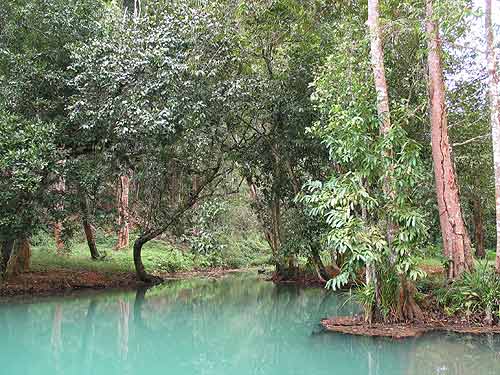
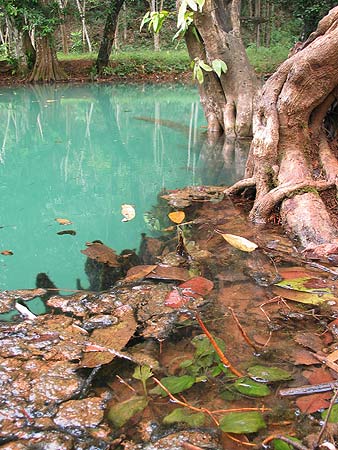
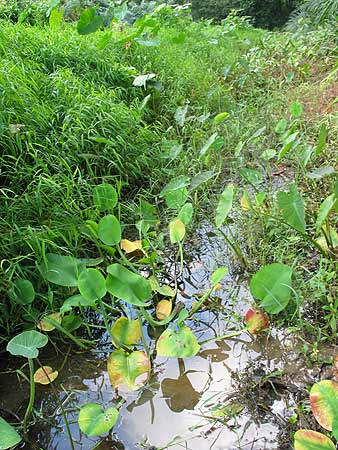
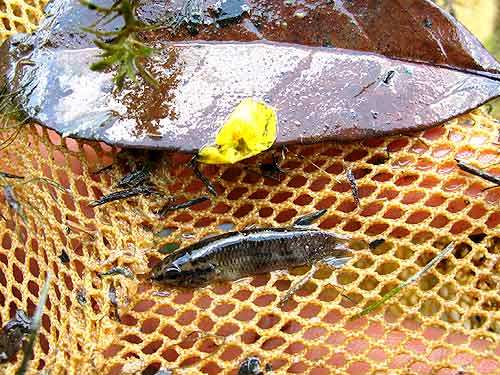
目前仅见于泰国南部甲米府。模式地点由一系列深石灰岩落水洞、地表水池及排水小沟构成,水清澈,溶解碳酸钙使其呈明亮蓝绿色。鱼在池外小沟中较多,旱时部分个体留在浅小水洼;沟边植被茂密,水池中有大片水草。
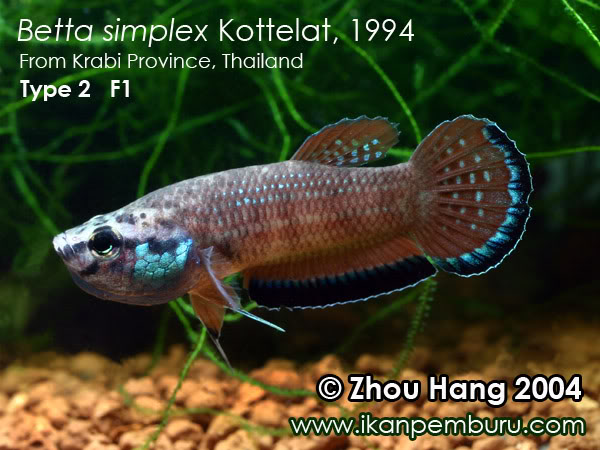
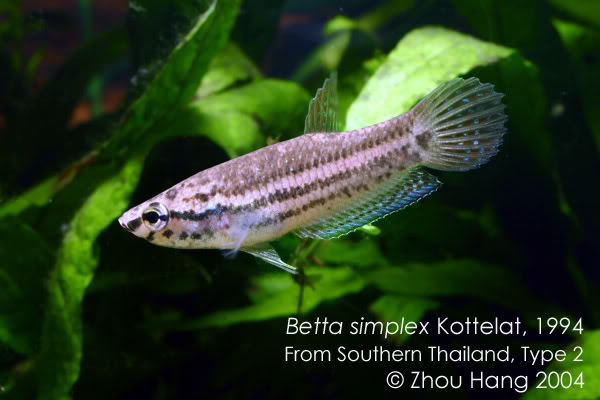
Ao Luek 附近另有种群,生活在石灰岩和砾石构成的清水溪流,岸边植物悬垂水面,贸易中称“type 2”。
饲养环境
至少约 60 × 30 cm 底面积可养一对或小群。茂密种植、阴影和水面覆盖很重要,可用高茎、浮水或睡莲类植物,沉木上固定耐阴植物,花盆和管道补充庇护。适量干落叶可增加遮蔽并让微生物成为鱼苗辅助食物。
维持符合本种的中性至弱碱环境,避免强烈造流,气动海绵过滤轻缓工作即可。缸盖必须可靠,水上留湿润空气层,既防跳也便于辅助呼吸。
食性与喂食
自然食物可能包括水生和陆生无脊椎动物。人工通常可适应干粮,仍应常喂水蚤、丰年虾、红虫等小型活饵或冻饵,注意避免过量。
习性与混养
不属于攻击性最强的斗鱼,可成对或群养。通常单养最好;若混养,选非常温和且环境需求相同的鱼,不宜直接按普通混养缸安排。
雌雄区分
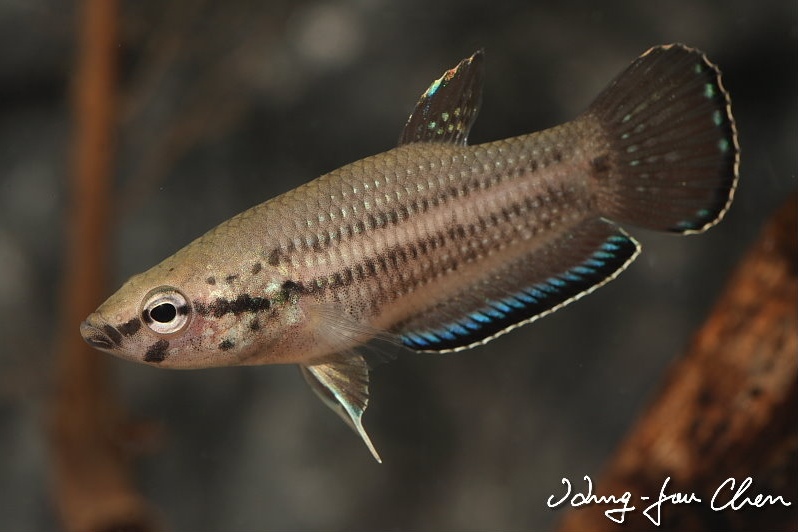
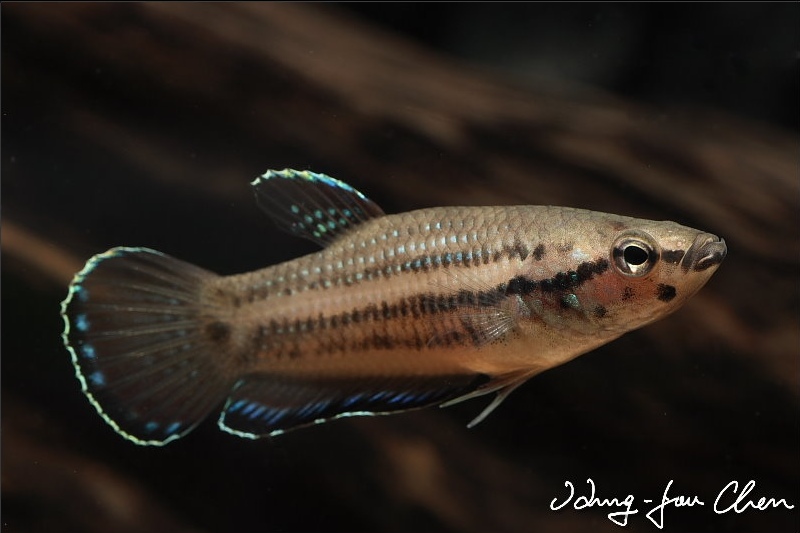
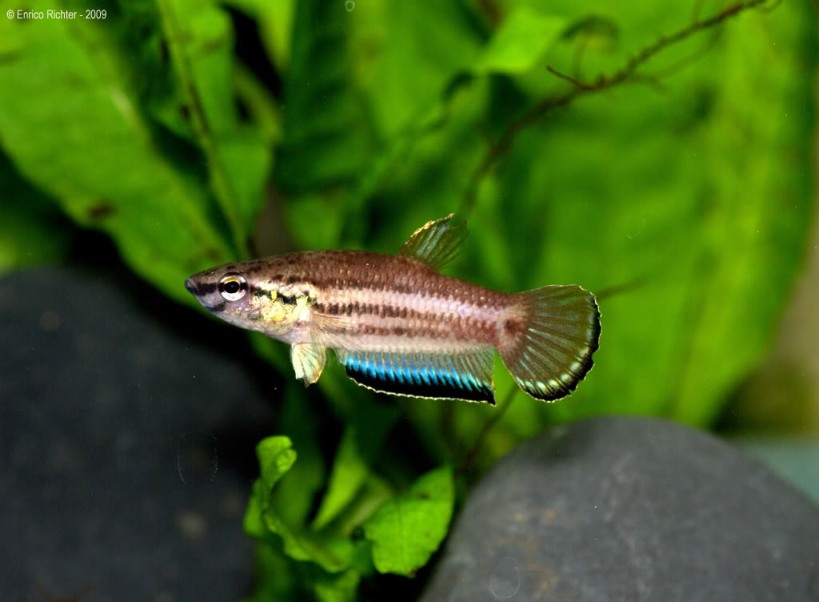
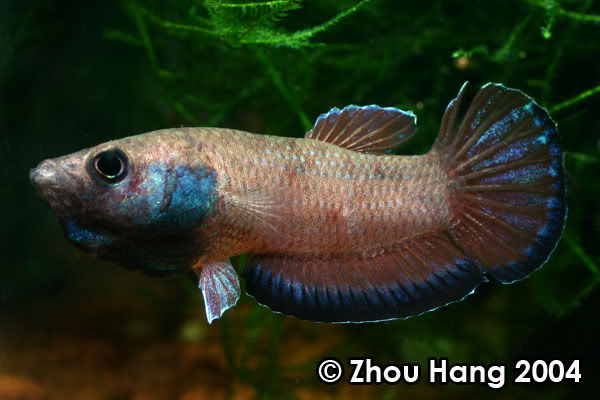
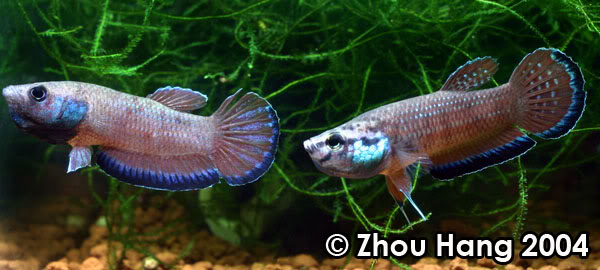
雄鱼较大,头部更宽、虹彩鳞片更多,鳍更为延长。
繁殖
雄鱼口孵,宜设专门繁殖缸。贴合缸盖让空气温暖湿润,帮助鱼苗迷鳃器官发育。求偶可能很久,双方先有几次无卵环抱,正式产卵后卵先落于雄鱼臀鳍,雌鱼捡起再吐向水中,让雄鱼接入口内,反复至整窝卵交接完毕。
受惊或无经验雄鱼可能吞卵或提前吐卵,所以通常保留雌鱼与现有同伴在原处,减少捕捞干扰。约 9~16 天后鱼苗自由游动,亲鱼似乎不会伤害它们,也有随亲鱼生活生长更快的观察。
开口可用微虫和丰年虾无节幼体,但不宜大量单一喂后者。保持少量、规律换水。
补充说明
鳃盖带绿蓝虹彩,头部偏暗红,身体与鳍较淡红,雄鱼身体上缺少虹彩鳞片。产地型标签应与物种名一并保留,避免混淆不同采集种群。
图片
图片来自 SeriouslyFish,版权归各摄影者所有。
English
Overview
The limestone-water betta Betta simplex differs from many peat-swamp relatives in its neutral to alkaline habitat. This paternal mouthbrooder still benefits from shade, surface cover, quiet refuges, and a securely covered aquarium.
Distribution & habitat
It is known only from Krabi in southern Thailand. At the type locality, deep limestone sinkholes connect with surface pools and an overflow ditch. Dissolved calcium carbonate contributes to the clear blue-green water. Fish are particularly common in the ditch, where seasonal drying leaves shallow remnants; dense marginal plants surround it, while aquatic vegetation is concentrated in the pools.
A population near Ao Luek occupies a clear stream with limestone rocks, gravel, and overhanging plants. It has been sold as “type 2.”
Aquarium setup
A footprint of approximately 60 × 30 cm or more suits a pair or small group. Dense planting, shade, and surface cover are valuable. Tall stems, floating plants, or lilies can be combined with wood bearing shade-tolerant growth. Pots and tubes add shelter. Dried leaves offer cover and microbial food for fry.
Maintain the neutral to mildly alkaline conditions appropriate to this species. Avoid strong circulation; gentle sponge filtration is adequate. Leave humid air beneath a secure lid for breathing and to prevent jumping.
Diet & feeding
Aquatic and terrestrial invertebrates are likely natural foods. Dry products are usually learned, but regular small live or frozen Daphnia, Artemia, and bloodworms should be included. Avoid overfeeding.
Behaviour & compatibility
Pairs and groups are possible because it is not among the more aggressive bettas. A dedicated tank remains preferable; companions must be very peaceful and environmentally compatible rather than selected for a generic community.
Sexual dimorphism
Males grow larger, with wider heads, more head iridescence, and extended fins.
Breeding
Use a separate breeding aquarium where practical. A close-fitting lid retains warm, humid air needed for labyrinth development. Long courtship may include unproductive embraces. Eggs from successful embraces rest on the male's anal fin, are picked up by the female, and are spat into the water for him to collect. This repeats until he holds the clutch.
A stressed or inexperienced male may swallow eggs or release them early. Leaving the female and existing companions undisturbed is generally preferable to capture. Incubation takes about 9–16 days. The adults apparently spare the released fry, and some keepers report quicker growth when young remain with them.
Offer microworms and Artemia nauplii from release, avoiding excessive dependence on Artemia. Make small water changes regularly.
Notes
Green-blue gill-cover scales contrast with a dark reddish head and paler reddish body and fins. Males lack body iridescence. Retain locality labels alongside the species name to distinguish collection populations.
来源
- https://www.seriouslyfish.com/species/betta-simplex(抓取于 2026-10-10)
betta-simplex · 文件: data/species/betta-simplex.md · 状态: 草稿