赛氏抟鱼
概要
| 字段 | 值 |
|---|---|
| 类别 | 鱼 |
| 学名 | Betta simorum |
| 别名 | 賽氏摶魚 |
| 分类 | 攀鲈目 Anabantiformes › 丝足鲈科 Osphronemidae › Betta |
| 水体 | 淡水 |
| 原产地 | 印度尼西亚 |
| 成体体长 | 9 cm |
| 饲养难度 | 中等 |
| 最小水体 | 72 L |
| 最小缸长 | 80 cm |
| 群居方式 | 成对 |
| 水流偏好 | 低 |
| 外部数据 | seriouslyfish betta-simorum;fishbase 27439 |
| 食性 | 肉食 |
| 特征 | 会跳缸: 是 |
| 繁殖方式 | 吐泡筑巢 |
水质参数
| 参数 | 耐受范围 | 最适范围 | 单位 |
|---|---|---|---|
| 水温 | 25–30 | — | °C |
| pH | 3–6 | — | — |
| 总硬度 | 1–5 | — | dGH |
概述
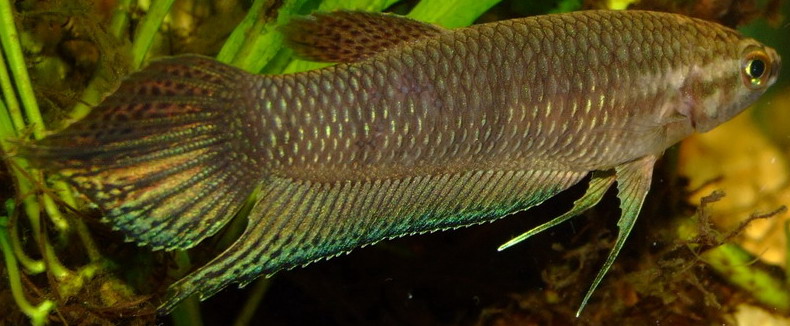
赛氏抟鱼(Betta simorum)体形修长,是较大的泡巢斗鱼,有跃出水面捕捉枝叶上猎物的观察。防跳、温暖极软酸水与充分遮蔽尤其重要;繁殖后需根据护巢进程分开亲鱼与鱼苗。
分布与栖息地
见于印度尼西亚苏门答腊占碑及廖内省,并分布于婆罗洲西加里曼丹 Kapuas 河水系。廖内的记录似乎限于 Indragiri 流域。不同地点的鱼常附产地标签,应保留这些信息以维持血系。
生境为植被浓密的泥炭沼泽林及黑水溪流,林冠遮光,水中矿物极少,底部有落叶、枝木与树根。季节性缺水时可能需在潮湿落叶层中维持数周。
饲养环境
以至少 80 cm 长的缸为基础,并尽量提供超过约 80 × 30 cm 的底面积。沉木根枝、花盆和管道增加庇护,落叶可滋生微生物供鱼苗补充取食,不必用天然泥炭。
保持暗光,可加入浮水和耐阴植物。需要酸性、很低总硬度及近乎无碳酸盐硬度的水,必要时采用反渗透水。过滤轻缓,缸盖尤其要牢靠,水面以上保留温暖湿润空气。
食性与喂食
曾有自然食性研究记录它偏好蜻蜓和豆娘若虫,其他小型无脊椎动物也可能被捕食;它还会跳起取食悬垂枝叶上的猎物。人工通常能认食干粮,搭配水蚤、丰年虾、红虫等小型活饵或冻饵。勿过量喂食。
习性与混养
通常单养最合适,过大或过度活跃的鱼可能使它紧张。相容小型鲤科鱼可以考虑,空间充分时也可能与其他迷鳃鱼同养。
多对或一雄多雌的效果因个体和环境而异,有的只有轻微争斗,有的出现持续同种攻击,因此单对通常较便于控制。
雌雄区分
成熟雄鱼颜色更鲜明,鳍略为更长。
繁殖
给雌鱼丰富退避空间,并提供管道、容器、宽叶下或浮水植物等筑巢位置。雄鱼巢未完成前通常驱赶雌鱼。雌鱼临产时颜色变淡、出现暗纹,双方巢下环抱,每次释放约 5~20 枚卵,由雌鱼腹鳍承接,雄鱼送入泡巢,雌鱼捡拾散卵,再重复产卵。
产后宜移走雌鱼,雄鱼独自护巢且可能攻击她。卵约 24~48 小时孵化,幼体留巢约 3~4 天吸收卵黄,掉落时雄鱼会捡回。鱼苗自由游动后也可移走雄鱼,因为此时他可能开始吃鱼苗。
贴合缸盖维持温暖湿润空气,帮助迷鳃器官发育。开口可用微虫和丰年虾无节幼体,每天约 2~3 次少量、多样喂食,避免大量单一用丰年虾,并规律进行小换水。
补充说明
与 Betta bellica 相近,但头部较倾斜、眼后背缘明显凹陷,腹鳍也较长。早期食性研究曾以近似种名称记录,鉴别和血系标签应一并保留。
图片
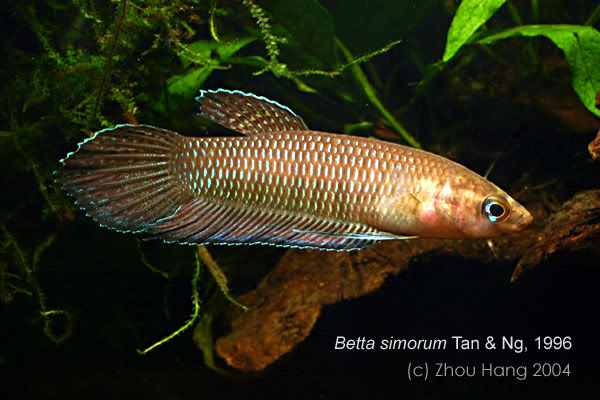
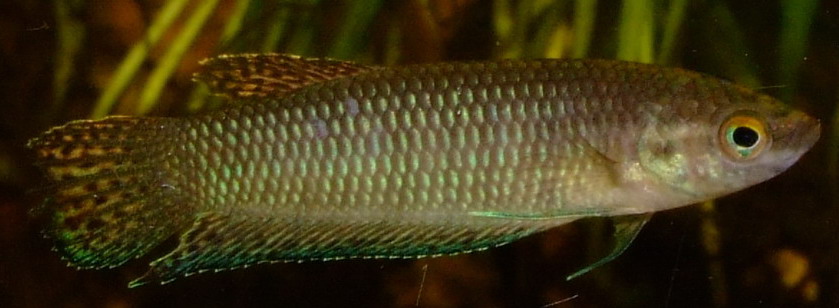
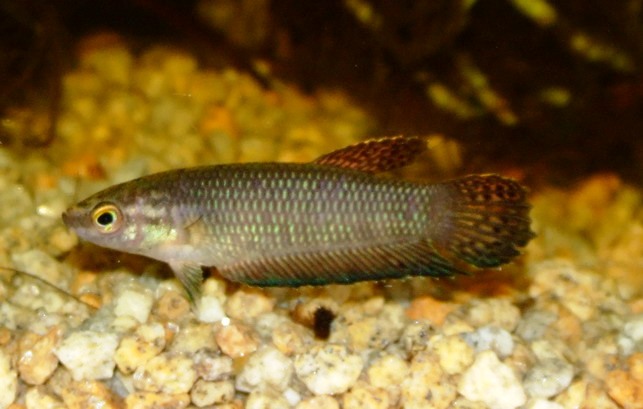
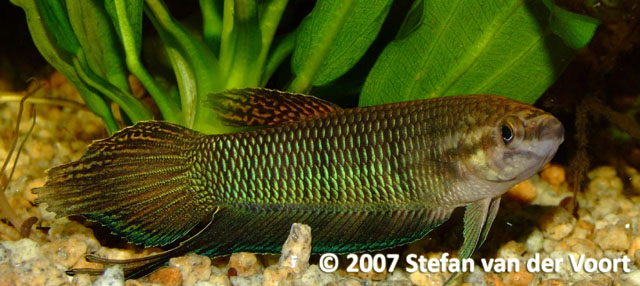
图片来自 SeriouslyFish,版权归各摄影者所有。
English
Overview
Betta simorum is a slender, relatively large bubble-nesting betta observed leaping out to seize prey from overhanging vegetation. Secure covering, sheltered space, and warm, very soft acidic water are priorities. Breeding management includes separating adults at different stages of brood development.
Distribution & habitat
Records span Jambi and Riau in Sumatra and the Kapuas system in West Kalimantan, Indonesian Borneo. Riau records appear confined to the Indragiri basin. Locality labels should be retained to preserve population identity and breeding lines.
Heavily vegetated peat swamps and associated blackwater streams offer dense shade, very few dissolved minerals, and accumulated leaves, wood, and roots. During seasonal drying the fish may survive in damp litter for weeks.
Aquarium setup
Start with a tank at least 80 cm long, preferably offering more than about 80 × 30 cm of floor space. Arrange roots, wood, pots, and tubes into sheltered areas. Leaves encourage microbial growth useful to fry, without requiring natural peat.
Use dim lighting with floating or shade-tolerant plants. Acidic water with very low general hardness and negligible carbonate hardness may require reverse osmosis. Keep filtration gentle. Cover especially securely against jumping while retaining warm, moist breathing air above the surface.
Diet & feeding
A natural-diet study found a preference for dragonfly and damselfly nymphs. Other small invertebrates are probably also taken, and aerial strikes at prey on leaves or branches have been observed. Dry foods are usually accepted after recognition, supplemented by small live or frozen Daphnia, Artemia, and bloodworms. Avoid overfeeding.
Behaviour & compatibility
Dedicated housing is generally preferable because large or energetic fish can intimidate it. Compatible small cyprinids are possible, and other labyrinth fishes may be considered with ample space.
Reports on multiple pairs or one-male groups differ, ranging from limited disputes to persistent conspecific aggression. A single pair is usually easier to manage.
Sexual dimorphism
Adult males develop stronger coloration and slightly greater fin extension.
Breeding
Provide plentiful female refuges and possible nest sites in tubes, containers, broad leaves, or floating plants. The male generally excludes the female until construction ends. Her breeding colors become pale with dark bars. Each embrace releases roughly 5–20 eggs, supported by her pelvic fins before the male places them in the bubble nest; she also collects loose eggs. Repeated batches complete spawning.
Remove the female afterward because the male assumes sole care and may attack her. Eggs hatch after around 24–48 hours. Larvae spend another 3–4 days in the nest absorbing yolk, with fallen young returned by the male. Once they swim freely, he can also be removed because he may begin eating them.
A close-fitting lid retains warm, humid air for labyrinth development. Give small, varied meals of microworms and Artemia nauplii two or three times daily, avoiding excessive Artemia use. Make regular small water changes.
Notes
Compared with Betta bellica, this fish has a sloping head with a pronounced concavity behind the eye and longer pelvic fins. The earlier diet study used the related species' name, reinforcing the value of accurate identification and locality records.
来源
- https://www.seriouslyfish.com/species/betta-simorum(抓取于 2026-10-10)
betta-simorum · 文件: data/species/betta-simorum.md · 状态: 草稿