鲁氏抟鱼
概要
| 字段 | 值 |
|---|---|
| 类别 | 鱼 |
| 学名 | Betta rubra |
| 别名 | 魯氏摶魚 |
| 分类 | 攀鲈目 Anabantiformes › 丝足鲈科 Osphronemidae › Betta |
| 水体 | 淡水 |
| 原产地 | 印度尼西亚 |
| 成体体长 | 4.2 cm |
| 饲养难度 | 中等 |
| 最小水体 | 41 L |
| 最小缸长 | 45 cm |
| 群居方式 | 成对 |
| 水流偏好 | 低 |
| 外部数据 | seriouslyfish betta-rubra;fishbase 12044 |
| 特征 | 会跳缸: 是 |
| 繁殖方式 | 口孵 |
水质参数
| 参数 | 耐受范围 | 最适范围 | 单位 |
|---|---|---|---|
| 水温 | 22–27 | — | °C |
| pH | 5–6.5 | — | — |
| 总硬度 | 1–5 | — | dGH |
概述
鲁氏抟鱼(Betta rubra)是苏门答腊西北部的小型口孵斗鱼,贸易中容易与相似种混在一起。饲养除了安静的软水环境,还要重视鉴别和配对方式,不能把多对合养视作总能成功的方案。
分布与栖息地
确定记录来自印度尼西亚亚齐省 Singkil 一带和北苏门答腊省 Sibolga 周边。旧产地标签虽然提到多巴湖,但并不认为本种实际生活于湖内;部分旧记录属于近似种。
一个采集地点为受严重干扰的旧泥炭沼泽林,排水沟使其水量减少,鱼只发现于静止黑水潭,附近其他水潭和河流未发现。长期地区冲突曾限制研究和采集,直到 2007 年前后才重新进入水族贸易。
饲养环境
一对至少约 45 × 30 cm 底面积,群养应更大。沉木、根枝、花盆和管道提供遮蔽,落叶还能培养微生物,为鱼苗补充食物;不必使用天然泥炭。
灯光偏暗,配耐阴或浮水植物。采用酸性、极低碳酸盐硬度及很低总硬度的水,必要时使用反渗透软水。过滤轻缓,缸盖可靠防跳,并在水面上方留湿润空气。
食性与喂食
野外可能以昆虫和其他小型无脊椎动物为主。经适应可吃干粮,仍应经常提供水蚤、丰年虾、红虫等活饵或冻饵。初孵蟋蟀、果蝇等也可用,先让昆虫吃鱼粮或植物性食物再投喂。避免喂得过多。
习性与混养
单养较合适,普通混养中的大鱼或活跃鱼容易使它紧张并抢食。多对或一雄多雌的饲养经验并不一致:有的仅发生追逐和争地,很少受伤;也有优势个体持续攻击同种的情况。因此应保留这种差异,准备在冲突持续时改为单对。
雌雄区分
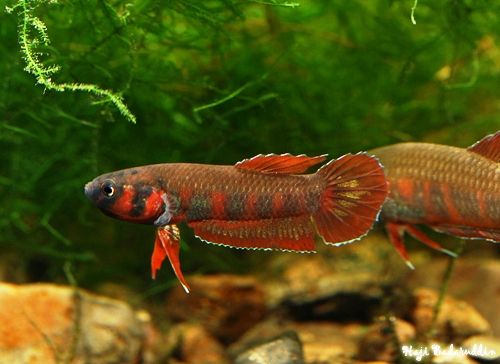
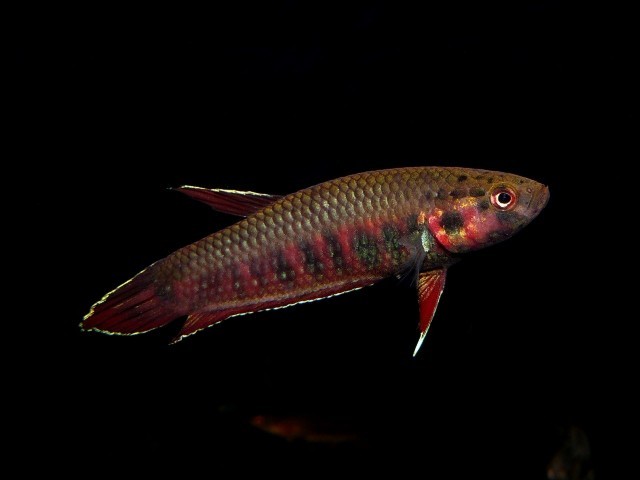
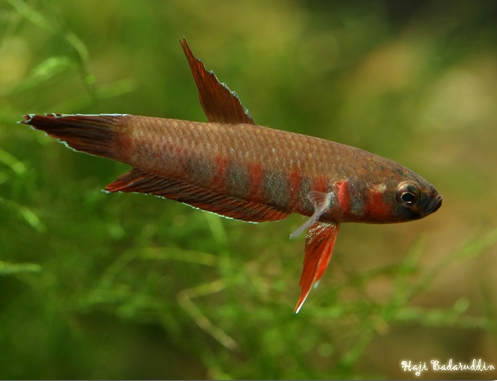
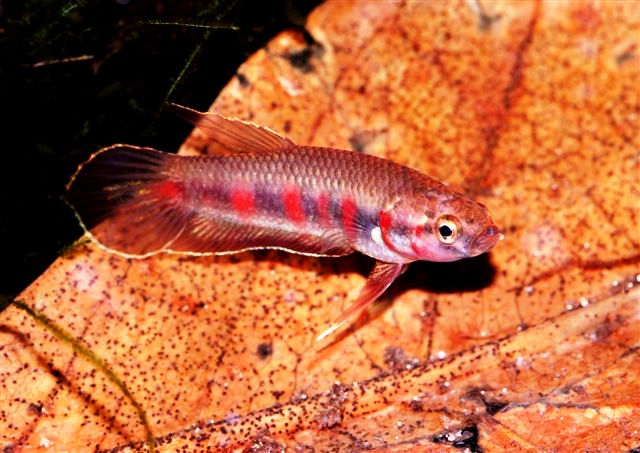
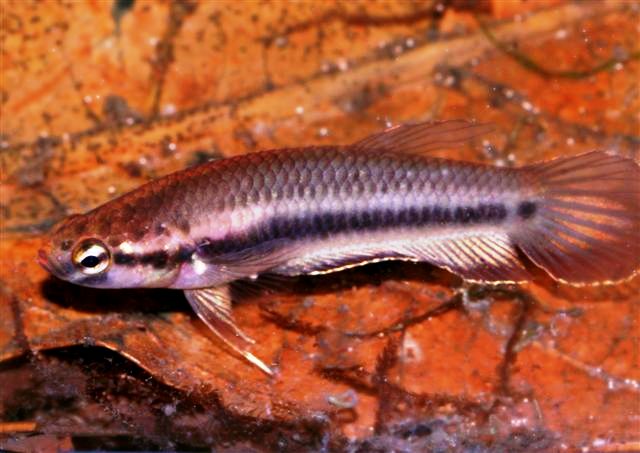
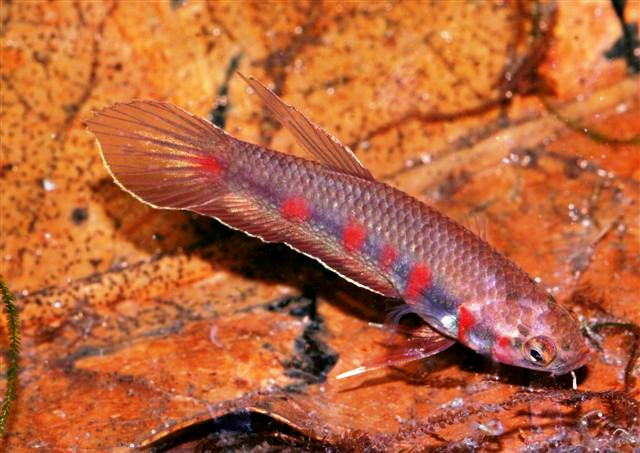
雄鱼色彩更鲜明,背鳍、臀鳍和尾鳍等不成对鳍更延长。
繁殖
使用安静繁殖缸,贴合缸盖保持温暖湿润空气,以利鱼苗迷鳃器官发育。求偶和环抱可持续较久,正式产卵前可能有无卵动作。本种与多数口孵斗鱼不同:卵先由雌鱼臀鳍承接,再由雄鱼直接收入口中,反复完成整个产卵过程。
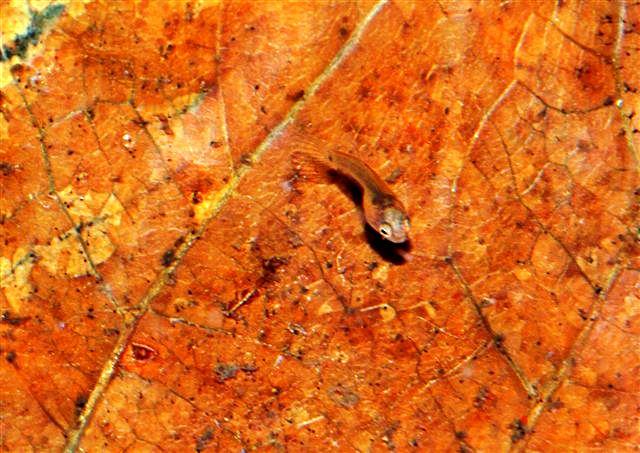
雄鱼受惊或无经验时可能吞卵、过早吐卵,所以一般让雌鱼原地留下,避免捞鱼干扰。口孵约 10~17 天后释放自由游动鱼苗,可另养或随亲鱼成长;也有随亲鱼时生长更快的观察。
开口可吃微虫及丰年虾无节幼体,每天约 2~3 次少量、多样投喂。不要大量单一使用丰年虾,换水宜少量规律进行。
补充说明
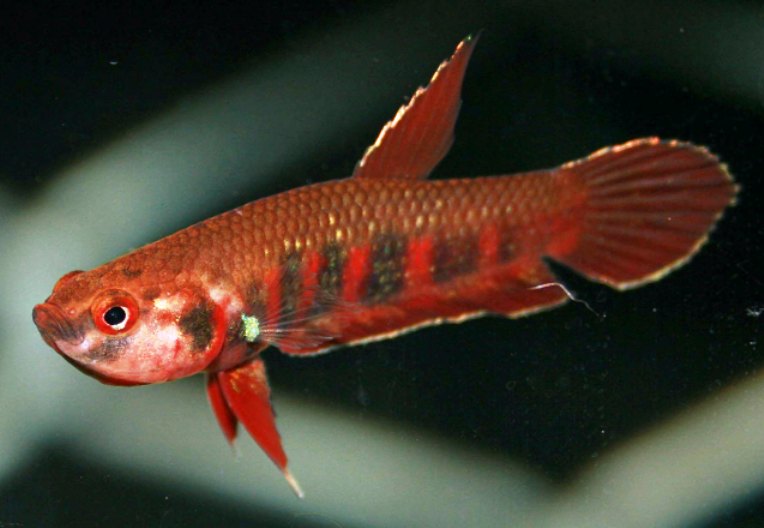
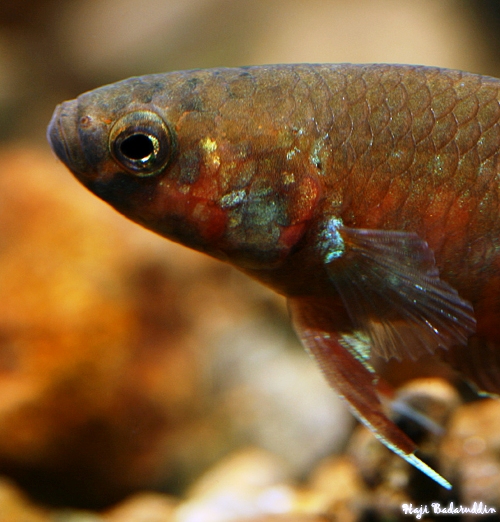
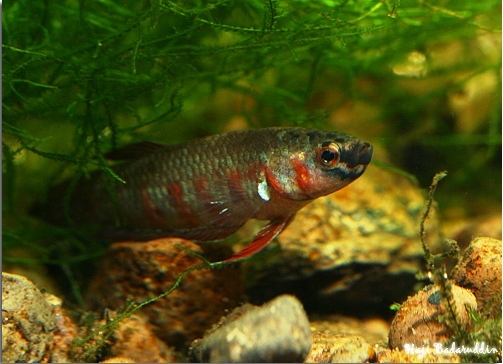
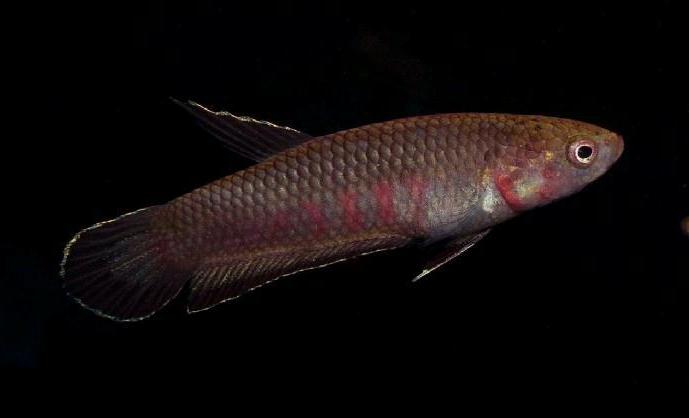
它常与 Betta dennisyongi 混装出口,历史上可能发生过无意杂交。相较之下,本种眼后黑纹中断,鳃盖后缘保留完整浅色边,眼下三角黑纹较窄,雄鱼体色也较浓、黑色条纹间隙较小。鉴别应综合这些特征,不能只看红色深浅。
图片
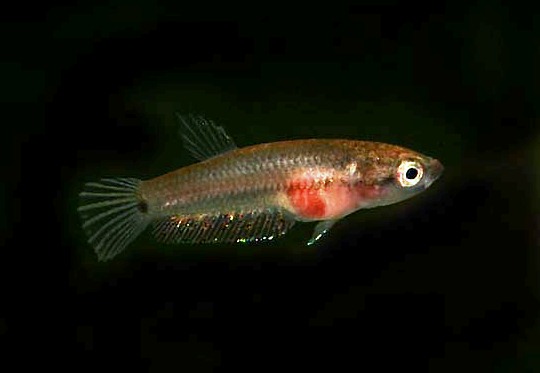
图片来自 SeriouslyFish,版权归各摄影者所有。
English
Overview
Correct identification is particularly important for Betta rubra, a small mouthbrooding betta often exported with a similar species. Quiet soft-water housing suits it, but reports of group compatibility vary enough that several pairs should not be assumed to coexist reliably.
Distribution & habitat
Confirmed records come from Singkil in Aceh and around Sibolga in North Sumatra, Indonesia. Although an old locality label mentions Lake Toba, the fish is not thought to inhabit the lake itself. Some earlier records belong to a related species.
One collecting site was a heavily disturbed former peat swamp, drained by artificial channels. Fish occurred in a stagnant blackwater pool but were absent from nearby pools and a river. Regional conflict long limited access, and the species reappeared in the aquarium trade around 2007.
Aquarium setup
A pair requires a footprint of at least approximately 45 × 30 cm; groups need more room. Roots, branches, pots, and pipes create retreats. Leaves provide additional cover and microorganisms useful to fry. Natural peat is unnecessary.
Keep lighting dim, with shade-tolerant or floating plants. Acidic water with very low general hardness and negligible carbonate hardness may require reverse-osmosis preparation. Use gentle filtration, a secure lid, and humid air space above the water.
Diet & feeding
Insects and small invertebrates are likely the main wild foods. Fish usually learn to eat dry preparations, alongside regular live or frozen Daphnia, Artemia, and bloodworms. Newly hatched crickets and fruit flies can be used after feeding them suitable fish food or plant material. Avoid excessive portions.
Behaviour & compatibility
Dedicated housing avoids intimidation and feeding competition from large or active community fish. Accounts of multiple pairs or one-male groups differ. Some keepers observe only limited chasing and territorial disputes, while others find sustained aggression by dominant fish. Be prepared to revert to separate pairs if conflict persists.
Sexual dimorphism
Males show stronger coloration and greater extension of the unpaired fins.
Breeding
A quiet breeding tank with a close-fitting cover preserves warm, moist air for labyrinth development. Courtship and embraces may continue before eggs are produced. Unlike most mouthbrooding bettas, the eggs are initially supported by the female's anal fin; the male collects them directly into his mouth. This repeats until spawning finishes.
Stress or inexperience can lead to swallowing or premature release, so leaving the female undisturbed is generally preferable. After about 10–17 days, the male releases free-swimming young. They can be raised separately or with the adults; some reports describe faster growth alongside the parents.
Offer small, varied meals of microworms and Artemia nauplii two or three times daily, without excessive dependence on Artemia. Maintain regular small water changes.
Notes
Mixed exports with Betta dennisyongi may have led to accidental hybridization. In this species the interrupted stripe behind the eye leaves a complete pale gill-cover edge, while the triangular mark below the eye is narrower. Males also show stronger color with narrower gaps between dark bars. Use these combined features rather than redness alone for identification.
来源
- https://www.seriouslyfish.com/species/betta-rubra(抓取于 2026-10-10)
betta-rubra · 文件: data/species/betta-rubra.md · 状态: 草稿