艳抟鱼
概要
| 字段 | 值 |
|---|---|
| 类别 | 鱼 |
| 学名 | Betta pulchra |
| 别名 | 艷摶魚 |
| 分类 | 攀鲈目 Anabantiformes › 丝足鲈科 Osphronemidae › Betta |
| 水体 | 淡水 |
| 原产地 | 马来西亚 |
| 成体体长 | 6 cm |
| 饲养难度 | 中等 |
| 最小水体 | 72 L |
| 最小缸长 | 80 cm |
| 群居方式 | 成对 |
| 水流偏好 | 低 |
| 外部数据 | seriouslyfish betta-pulchra;fishbase 27259 |
| 特征 | 会跳缸: 是 |
| 繁殖方式 | 口孵 |
水质参数
| 参数 | 耐受范围 | 最适范围 | 单位 |
|---|---|---|---|
| 水温 | 22–27 | — | °C |
| pH | 3.5–6.5 | — | — |
| 总硬度 | 0–5 | — | dGH |
概述
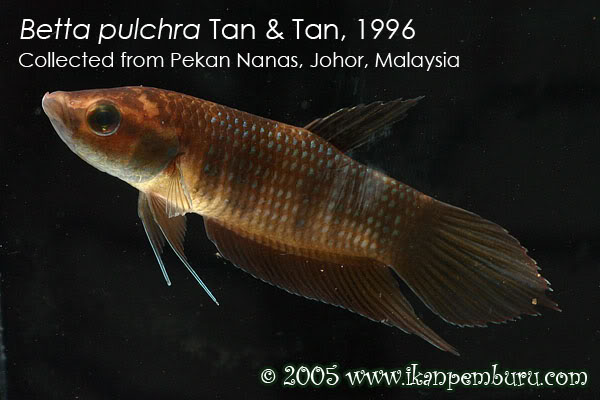
艳抟鱼(Betta pulchra)来自柔佛残存的黑水环境,是由雄鱼口孵的斗鱼。它需要安静、遮光充分的空间,鳃盖绿色虹彩与尾鳍横纹可作为辨认线索。
分布与栖息地
描述产地为马来半岛南端柔佛州 Pontian,似乎仅分布于柔佛西南部。原泥炭沼泽森林大多被改为油棕、菠萝和橡胶种植区,鱼生活在残余黑水生境,常躲于灌溉沟渠上方伸出的岸边植被之下。
饲养环境
一对或小群至少需要约 80 × 30 cm 底面积。用沉木根枝、花盆或管道提供阴影及藏身处,落叶增加遮蔽,滋生的微生物可成为鱼苗辅助食物。允许木叶将水染色,保持适合本种的酸性软水。
灯光偏暗,可用耐阴水草和浮水植物遮光。气动海绵过滤轻缓运转即可。缸盖须牢靠防跳,水面上留湿润空气,供鱼辅助呼吸。
食性与喂食
自然食物可能包括昆虫、小型无脊椎动物和浮游动物。人工通常可学会吃干粮,但水蚤、丰年虾、红虫等活饵或冻饵应经常提供。也可用小蟋蟀和果蝇,投喂前先给昆虫吃鱼粮或植物性食物。避免过量。
习性与混养
一般宜单养,不适合普通混养缸。大鱼或过度活跃的鱼可能使它紧张并抢食;若选择同伴,应温和且适应相似环境。成对与小群均可,群养可观察更多个体互动。
雌雄区分
雄鱼较大,头更宽,身上虹彩鳞片更多,鳍也更延长。
繁殖
宜设独立繁殖缸,贴合缸盖维持温暖湿润的空气层,以利鱼苗迷鳃器官发育。经过较久求偶,双方环抱,正式产卵前可能先有几次无卵动作。卵落在雄鱼臀鳍上,雌鱼拾入口中后吐向水中,雄鱼再接入口内,反复至产卵完成。
含卵雄鱼受惊或无经验时可能吞卵、提前吐卵,通常宜把雌鱼及现有同伴留在原处,减少捞鱼干扰。约 9~16 天后释放自由游动鱼苗。可转入育苗缸,或随亲鱼生活,但留缸可能损失部分鱼苗。
开口可用微虫和丰年虾无节幼体,每天约 2~3 次少量、多样投喂,不宜过度依赖丰年虾。规律小换水优于间隔很久的大换水。
补充说明
下颌暗纹、尾鳍横纹、雄鱼较窄的披针形尾鳍及鳃盖绿色虹彩共同帮助识别。近缘组划分仍有不同处理方式。迷鳃器官可辅助从空气中获得氧。
图片
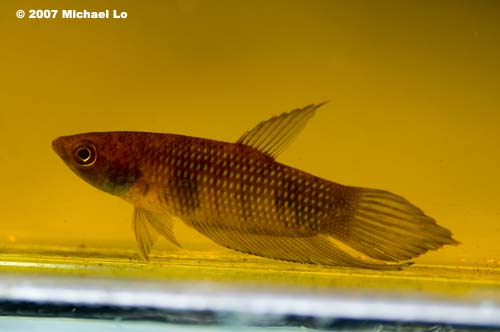
图片来自 SeriouslyFish,版权归各摄影者所有。
English
Overview
The paternal mouthbrooder Betta pulchra survives in remnant blackwater habitats in Johor. It needs sheltered, quiet accommodation. Green gill-cover iridescence and tail crossbars are useful visible identification features.
Distribution & habitat
Described from Pontian in southern Peninsular Malaysia, it appears restricted to southwestern Johor. Much former peat-swamp forest has been converted to oil-palm, pineapple, and rubber plantations. Fish occupy remaining blackwater areas, particularly beneath overhanging plants along irrigation canals.
Aquarium setup
Provide a minimum footprint around 80 × 30 cm for a pair or small group. Wood, roots, pots, and tubes make shaded refuges. Leaves add shelter and microbial growth that can supplement fry nutrition. Allow wood and leaves to tint the water, maintaining suitably soft, acidic conditions.
Use subdued lighting, shade-tolerant plants, and floating cover. A gently running sponge filter is sufficient. Secure the lid against jumping and retain humid air over the water for breathing.
Diet & feeding
Likely wild foods include insects, small invertebrates, and zooplankton. Dry food is generally accepted after recognition, with regular live or frozen Daphnia, Artemia, and bloodworms providing variety. Small crickets or fruit flies can be offered after feeding them fish food or plant matter. Avoid overfeeding.
Behaviour & compatibility
A dedicated tank is generally preferable. Large or energetic companions may cause intimidation and food competition. Any tankmates should be peaceful and suited to similar conditions. Pairs and small groups are possible, with groups offering more social interaction.
Sexual dimorphism
Males grow larger, have broader heads and longer fins, and show more extensive iridescent scaling.
Breeding
A separate breeding setup with a close-fitting lid preserves the warm, damp air needed for labyrinth development. Prolonged courtship may include embraces without eggs before spawning begins. Eggs rest on the male's anal fin, are collected by the female, and are spat into the water for the male to catch. Repeated cycles leave him holding the entire clutch.
Stress or inexperience may cause the male to swallow eggs or release them prematurely. Leaving the female and existing companions in place generally avoids disturbance from capture. Incubation takes around 9–16 days. Released fry can be moved or raised with the adults, though predation may reduce numbers if they remain.
Offer microworms and Artemia nauplii in small, varied meals two or three times daily. Avoid excessive reliance on Artemia and use small, regular water changes.
Notes
A chin mark, tail crossbars, a narrow lance-shaped male tail, and green gill-cover scales aid identification. Placement of some relatives in species groups remains disputed. The labyrinth organ allows supplementary air breathing.
来源
- https://www.seriouslyfish.com/species/betta-pulchra(抓取于 2026-10-10)
betta-pulchra · 文件: data/species/betta-pulchra.md · 状态: 草稿